The Coins

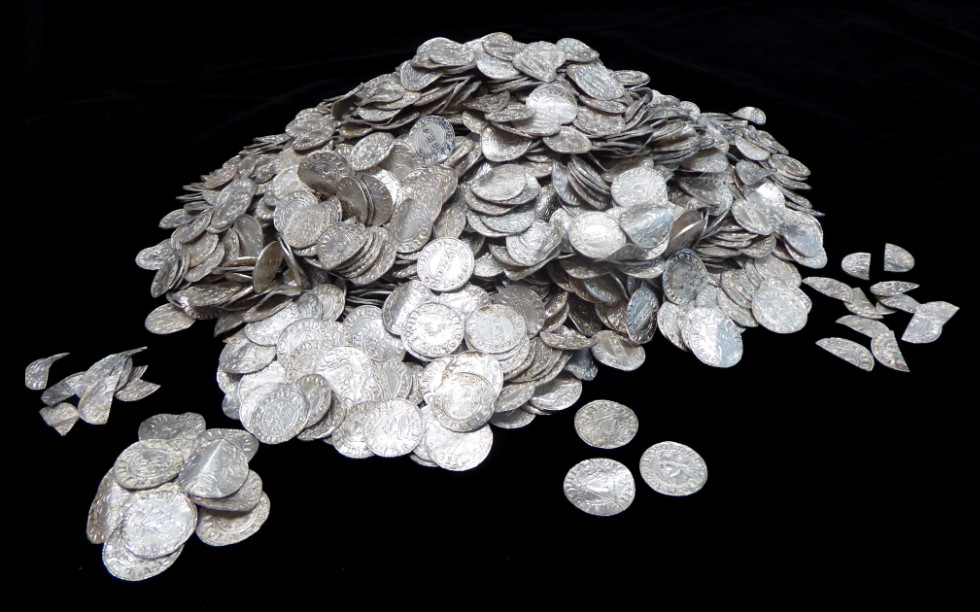
The coins represent a turning point in English history when England was successfully conquered for the last time at the Battle of Hastings, 1066.

There is one coin (a mule) that features Edward III ‘The Confessor’ (1042-1066). 

Represented on just under half the coins (1,240) is Harold II, also known as Harold Godwinson, (1066), the last crowned Saxon king of England.

Just over half (1,343), feature William I ‘The Conqueror’ (1066-87), the first Norman king.

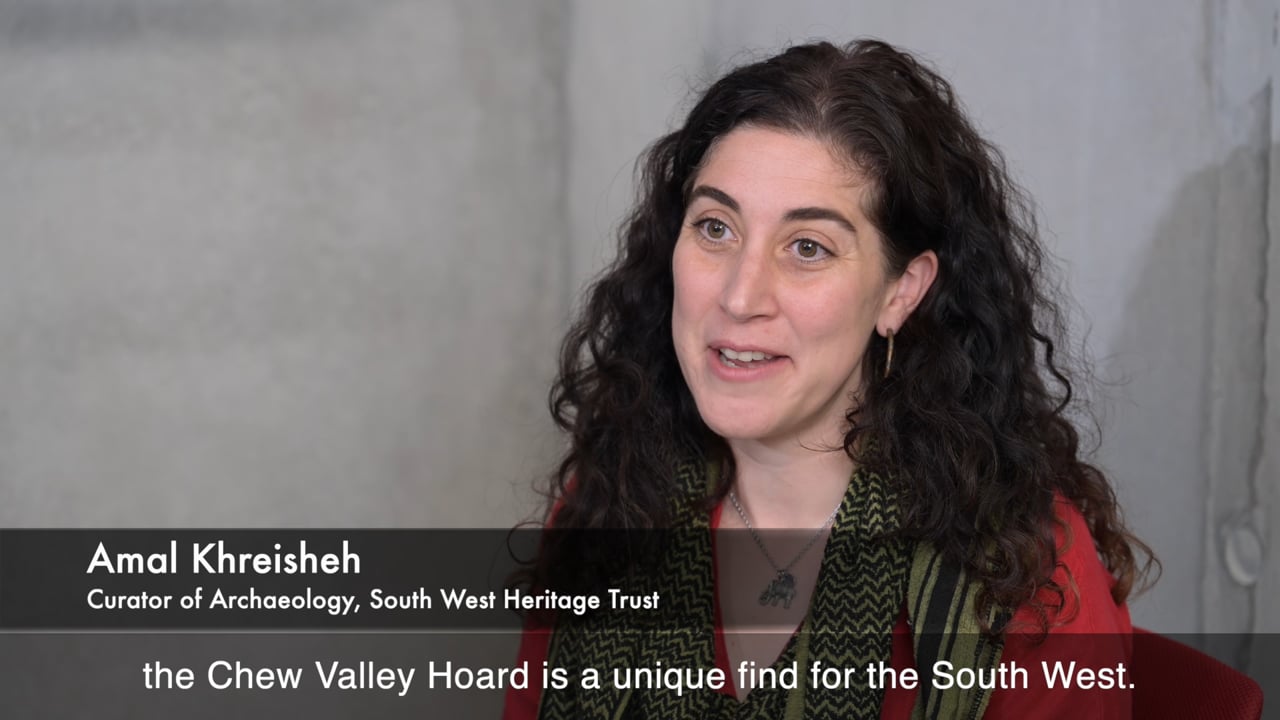
Amal
PlayPlay
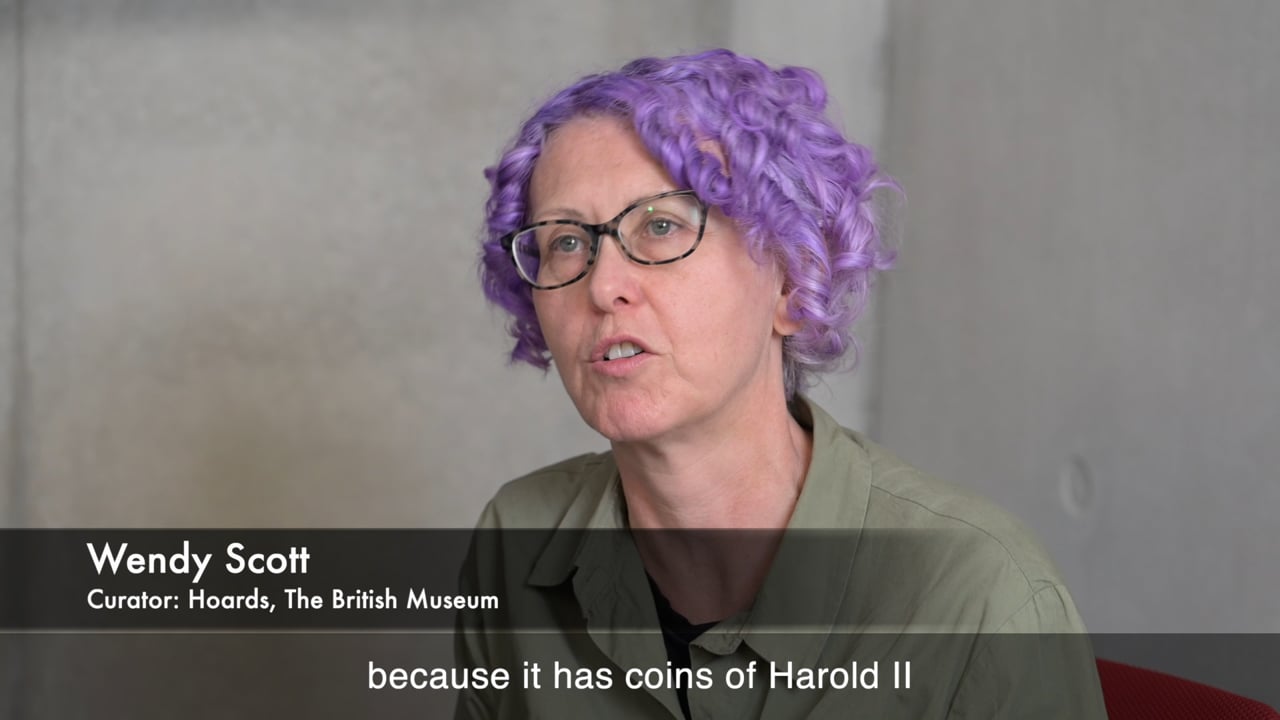
Wendy
PlayPlay
previous arrow
next arrow
Amal
Wendy
previous arrow
next arrow

The hoard contains twice as many coins of Harold II than have ever previously been found and increases nearly five times the number of known first-type coins of William I. All the coins of William I are of the very first design, issued shortly after his coronation on Christmas day 1066.
 
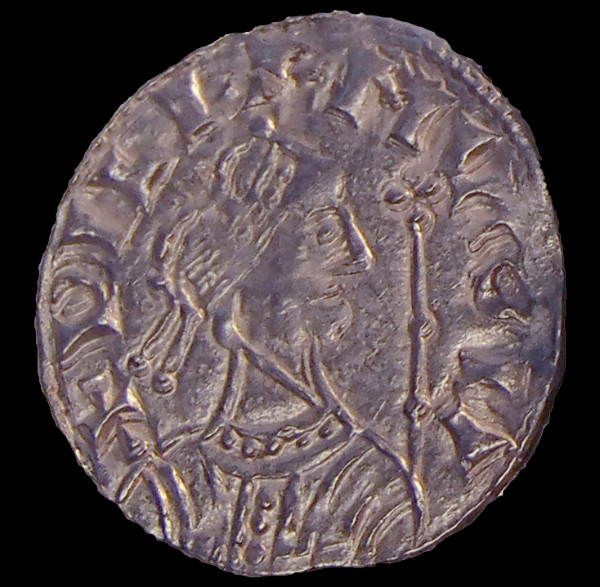
On one side of each coin is a portrait of the King with symbols of his authority (a crown and sceptre) and a legend made up of his name and titles. The reverse designs often carried political or religious messages. Harold II’s coins carry the word ‘PAX’ or ‘peace’ and William’s a cross fleury.

On Display

Saturday 20 June 2026: Every Coin Tells a Story free, family-friendly day taking place in Chew Magna.

January to March 2027: The first chance to see coins from the hoard in the South West will be at a special touring exhibition at the Roman Baths Museum, Bath.

Spring 2027: A temporary exhibition opens at The Museum of Somerset, Taunton, with a diverse programme of events and activities taking place across the county.

Spring 2028: An exciting new permanent gallery opens at The Museum of Somerset, where all 2,584 coins will be on display, telling the incredible story of this historic treasure.

“The hoard symbolises a pivotal moment in English history and we are delighted to have made this acquisition so that it may be enjoyed by generations to come. It highlights the power of museums, collections and stories to inspire people and communities and has been made possible thanks to a wide range of partners working together to ensure our heritage is protected and accessible for everyone,”

Sam Astill, Chief Executive of the South West Heritage Trust

FAQs

  • When, where and by whom was the hoard discovered?

    The hoard was discovered on 26 January 2019 by seven finders while metal detecting with the permission of the landowner in the Chew Valley area of Bath and North East Somerset. The coins were found without a container and had been scattered by the plough.  The find was reported to the Portable Antiquities Scheme and deposited by the finders with the British Museum. The coins were cleaned by the Conservation department at the British Museum to enable identification and cataloguing.
  • Why was it buried in the ground?

    The Hoard was buried in 1067/8 on an estate later belonging to Giso, Bishop of Wells. It was probably buried for safekeeping during a period of instability, immediately following the Norman Conquest in 1066. In 1068, the people of Exeter rebelled against Norman rule. This seems to have been encouraged by Harold’s mother, Gytha, in favour of Harold’s sons. Harold’s sons had returned from exile in Ireland mounting attacks at the mouth of the Avon and on Bristol. Their forces also entered Somerset, including the Chew Valley.
  • Where were the coins made?

    Around 100 moneyers (person in charge of producing coins at a mint) and 46 mints are represented within the Chew Valley Hoard. The moneyers are some of the earliest named people known at particular places. The mints represented within the Chew Valley Hoard are Bath, Bedford, Bedwyn, Bridport, Bristol, Bury St Edmunds, Canterbury, Chester, Chichester, Colchester, Cricklade, Derby, Dorchester, Dover, Exeter, Gloucester, Guildford, Hastings, Hereford, Ilchester, Ipswich, Leicester, Lewes, Lincoln, London, Maldon, Malmesbury, Northampton, Norwich, Nottingham, Oxford, Salisbury, Shaftesbury, Shrewsbury, Southwark, Steyning, Taunton, Thetford, Wallingford, Wareham, Warwick, Wilton, Winchcombe, Winchester (the capital of England at the time), Worcester and York.

    As well as giving the name of the issuer (King) on the obverse, the moneyer and the mint are inscribed on the reverse of each coin.
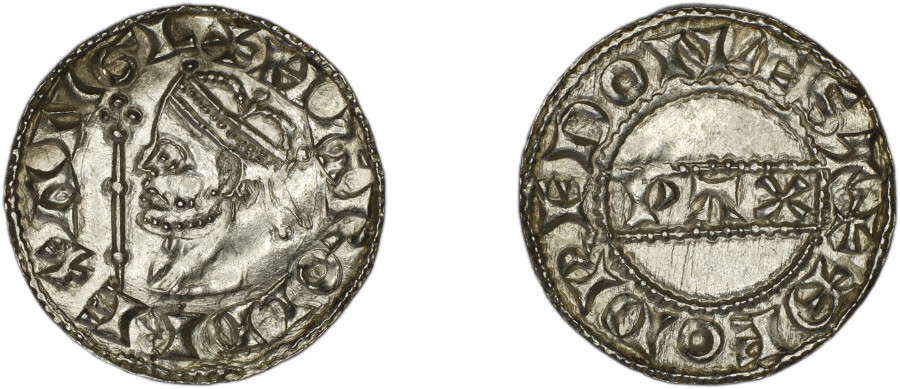
    Above: This coin was issued by Harold II and made at the Hastings mint. The moneyer is named on the coin as Theodred
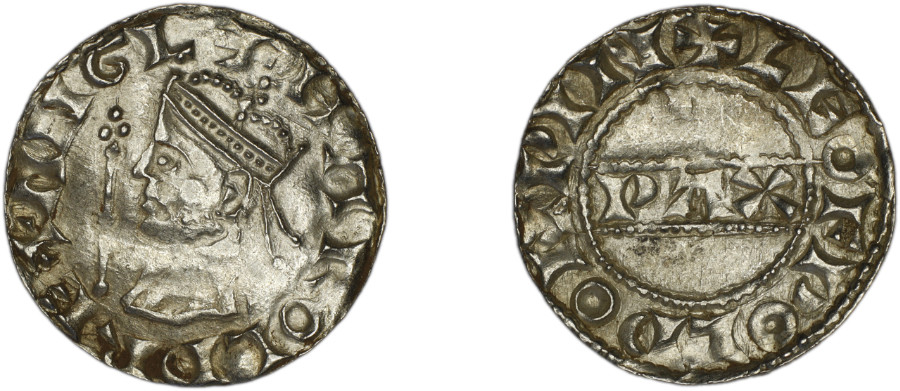
    Above: This coin was issued by Harold II and minted at Winchester, the capital of England at the time. The moneyer is named on the coin as Leofwold.
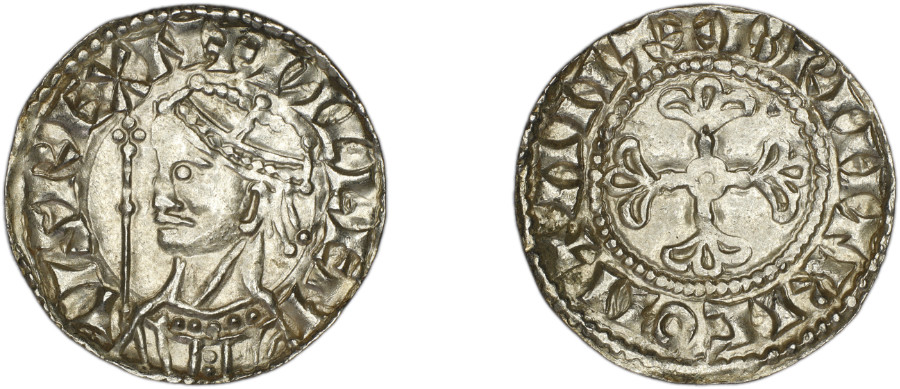
    Above: This coin was issued by William I and made at the Taunton mint. The moneyer is named on the coin as Brihtric.

  • Why is the Chew Valley Hoard so important historically and valued so highly?

    The Chew Valley Hoard is the largest coin hoard ever found from the period of turmoil immediately following the Norman Conquest. It represents a turning point in English history (when England was successfully conquered for the last time) and a moment that defined national consciousness. In addition to its national importance, it is a unique find for South West England. The Treasure Valuation Committee recommended a value of £4.3 million for the hoard to the Secretary of State. This is based principally on its historical significance, the uniqueness of the find, the condition and collectibility of the coins and rarity of particular examples, rather than the intrinsic value of the silver. The valuation is what the Treasure Valuation Committee expects the Hoard would achieve in a sale on the open market.
  • What is the Treasure Act?

    The hoard is one of the most remarkable finds reported under the Treasure Act 1996, administered by the Treasury Registry at the British Museum on behalf of the Department for Culture Media and Sport. In England, Wales and Northern Ireland, anyone who discovers potential Treasure has a legal obligation to report such items under the Treasure Act 1996. The Chew Valley Hoard qualifies as Treasure because it contains two or more precious metal coins that are over 300 years old. The Secretary of State accepted the Treasure Valuation Committee’s recommendation of £4.3 million for the value of the hoard. It was the responsibility of the South West Heritage Trust, the acquiring institution, to raise this money to be paid as a reward to the landowner and finders, who split the financial proceeds 50/50.
  • How has the acquisition and project been paid for?

    October 2024 – The acquisition and associated engagement project are made possible thanks to the generous support of a £4,420,527 development grant from The National Lottery Heritage Fund and £150,000 from Art Fund, alongside smaller but vital grants from the Friends of The Museum of Somerset, the Somerset Archaeological and Natural History Society and funds from the South West Heritage Trust itself. December 2025 – The National Lottery Heritage Fund made a £993,345 delivery grant to deliver an ambitious two-year engagement project to celebrate the Chew Valley Hoard and mark the 1,000th anniversary of William the Conqueror’s birth (in 2027).The project includes a dynamic two-year community engagement programme featuring activities, exhibitions, learning opportunities and events that will open up wider public access to this remarkable archaeological discovery. The project includes the creation of a new interactive gallery to permanently display all 2,584 coins.

With Grateful Thanks

The Chew Valley Hoard has been acquired for the nation by the South West Heritage Trust thanks to major funding including from The National Lottery Heritage Fund and Art Fund, alongside smaller but vital grants from the Friends of The Museum of Somerset and and the Somerset Archaeological and Natural History Society. The South West Heritage Trust also wishes to express thanks to Somerset Council, The British Museum, The Department for Culture Media and Sport and Bath and North East Somerset Council who helped make the acquisition possible.
 

All images copyright the British Museum and South West Heritage Trust.