

This page helps you choose a listing nomination. It sets out the criteria for inclusion on the List, the locations that the LHL covers, and the information we’re looking for.
The criteria for local listing make sure the decision making process is accountable and fair. But they are flexible and a diverse range of entries is encouraged.
A heritage asset can be any kind of man-made space or area. It might be a house, a monument, or street furniture like a postbox. Infrastructure, public artworks, archaeological features and historic parks and gardens are also welcome. If it’s part of Somerset’s diverse heritage, we’re keen to hear about it.
Places on the List don’t necessarily have to be grand or famous. Their significance might even be very personal.
Eligibility
Nominated assets must meet the following conditions to be considered as a candidate for the Local Heritage List:
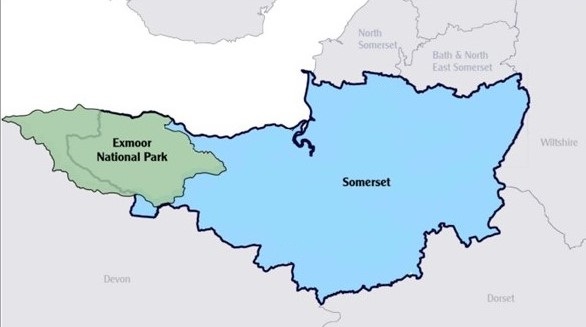
- The asset must be situated within the modern administrative county of Somerset, or Exmoor National Park. The precise location of the asset must be provided.
- The asset cannot be designated, or part of another designated asset; I.E. not a listed building (including curtilage buildings or structures), a scheduled monument, a registered park and garden, or a registered battlefield. Non Designated Heritage Assets within a conservation area are an exception and may be locally listed.
- The asset must be a permanent building, structure, object, monument, item of street furniture or artwork, site, place, area, garden, or landscape.
- The asset must hold heritage interest (archaeological, architectural, artistic or historic).
Selection Themes
In order to be added to the List, an asset should illustrate at least one of these qualities to a strong degree (or three or more at a moderate level):
- Age – this gives an asset substantial value (but newer places will be considered too).
- Rarity – in a structure’s purpose, type, or features. It might be rare within a region, or a very local area.
- Distinctive design – for instance construction using local materials, rare crafting techniques, or by a noteworthy architect.
- Historical association – for example with a famous person, a powerful memory, or a story from Somerset’s past.
- Evidential value – material evidence of past human activity which shows how people and places have developed. This might be buried archaeology or above ground. A preserved garden layout, a gravestone, or an abandoned village would all qualify.
- Social and communal value – places of treasured local identity, including where community interactions, acts of worship, and cultural events have taken place; or where strong group memories were made. They can be valuable without wide recognition.
- Group value – multiple structures connected to each other by history or design, such as terraced houses or the parts of a factory complex.
- Collective value – where an asset is part of a related collection of heritage assets that are dispersed widely such as signposts, pillboxes or historic cinema buildings.
Click here to see a more detailed version of the criteria, with examples and aspects to consider.
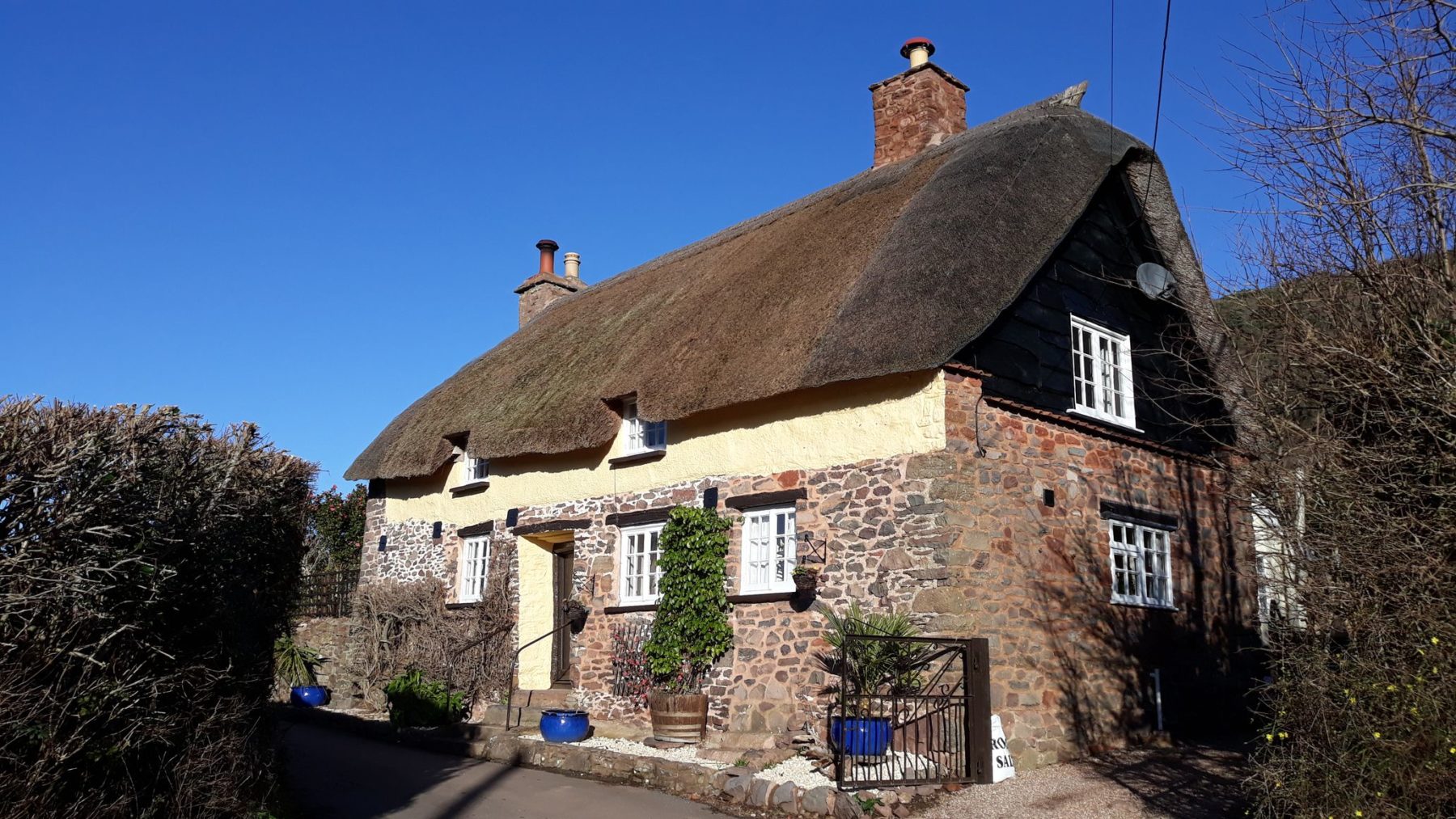
Jasmine Cottage: a medieval cross-passage house in Exmoor’s Holnicote Estate. A probable 15th-century date and locally distinctive thatched roof show age and distinctive design – making the building a great candidate for the LHL.
Images:
© Ruth Livingstone, Bossington Beach pillbox and lime kiln, Ruth’s Coastal Walk.
© Tom Thurlow, Jasmine Cottage.