Devon Archives has recently acquired two precious Victorian scrapbooks replete with newspaper cuttings, sketches and illustrations, and detailing travel memories from Devon to British India.
From Torquay to Bengal: The Scrapbooks of Emma Mary Cary (1841-1912)
Good luck and chance play a large part in many documents reaching an archive service, and Devon Archives & Local Studies has recently been extremely fortunate to receive two precious Victorian scrapbooks, purchased at a jumble sale at St Joseph’s Roman Catholic Home, in Clifton, Bristol, in the early 1970s. They were a remarkable find, replete with newspaper cuttings, sketches and illustrations, encompassing myriad memories from a life that stretched from Devon to Belgium, and beyond to British India. The scrapbooks are anonymous but painstaking research established that they were the work of Emma Mary Cary, the daughter of Lt. Col. Bernard Cary, of the Indian Army, and his wife, Eliza Agnes de Castilla. Emma’s father was the brother of Henry Cary, of Torre Abbey, Torquay, while her mother was the daughter of one Mariano Jose Ramos de Castilla, a shadowy South American who appears to have been employed as a spy by the British.
Emma was born in India in 1841, and married James Curr in London in 1859. Their only child, Henry, was born in Bengal the following year, but tragedy struck when James Curr died at sea in 1861, en route from Calcutta to England. In 1872 she married again, to a civil engineer named George Mingay Garrard, with whom she had one daughter, spending the rest of her life in Shropshire, Wales and finally Winscombe in Somerset, where she died in October 1912.
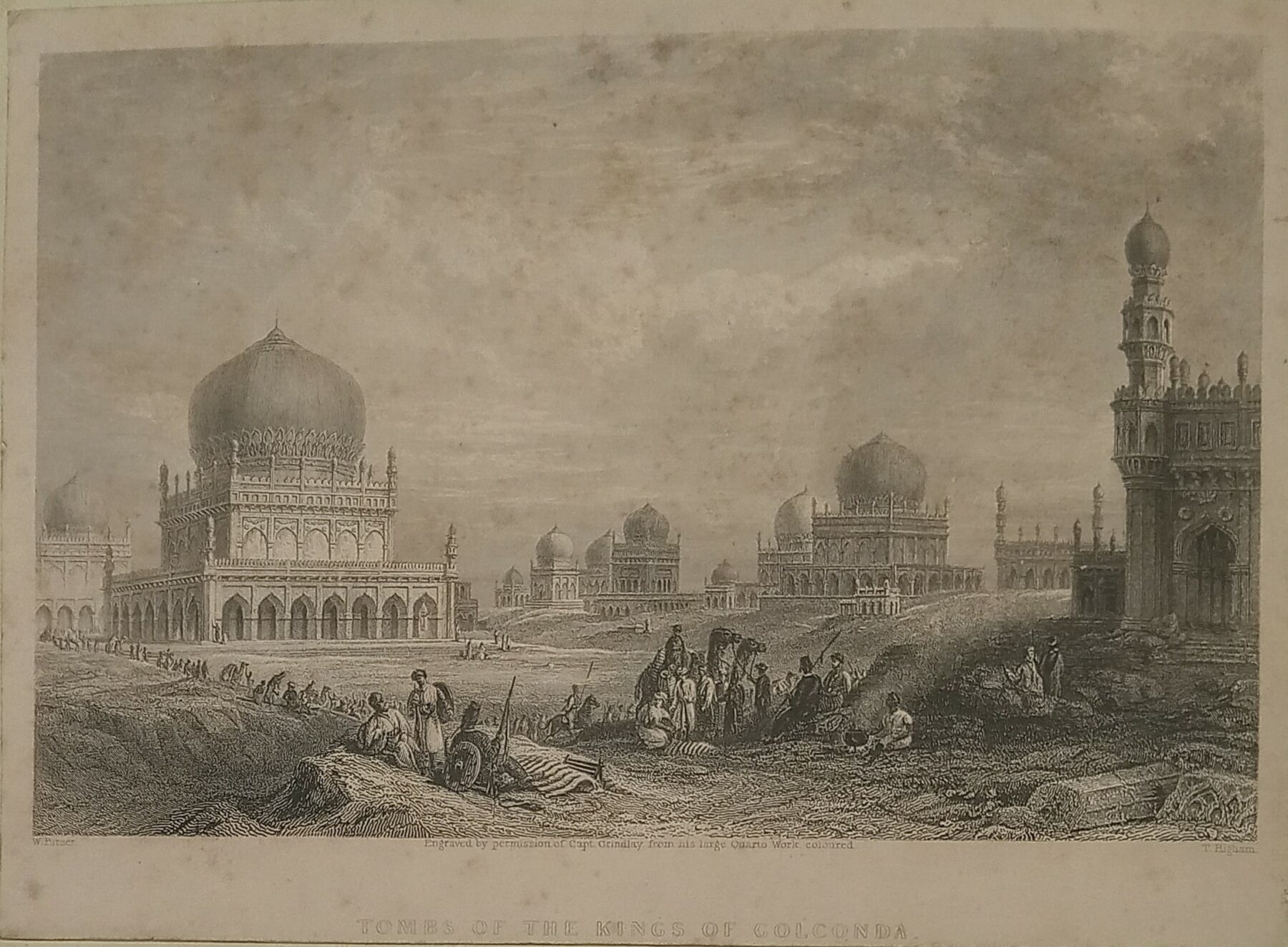
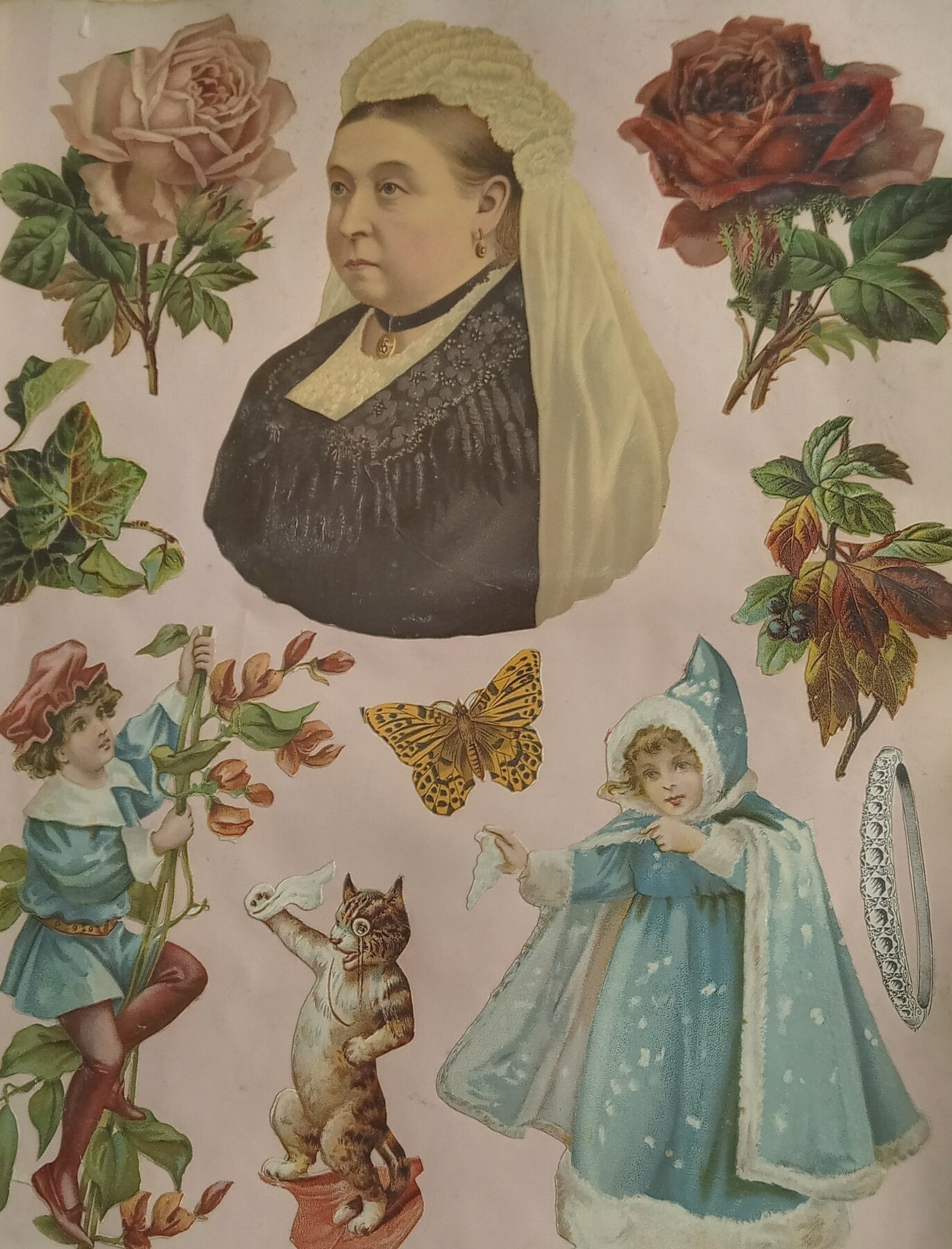
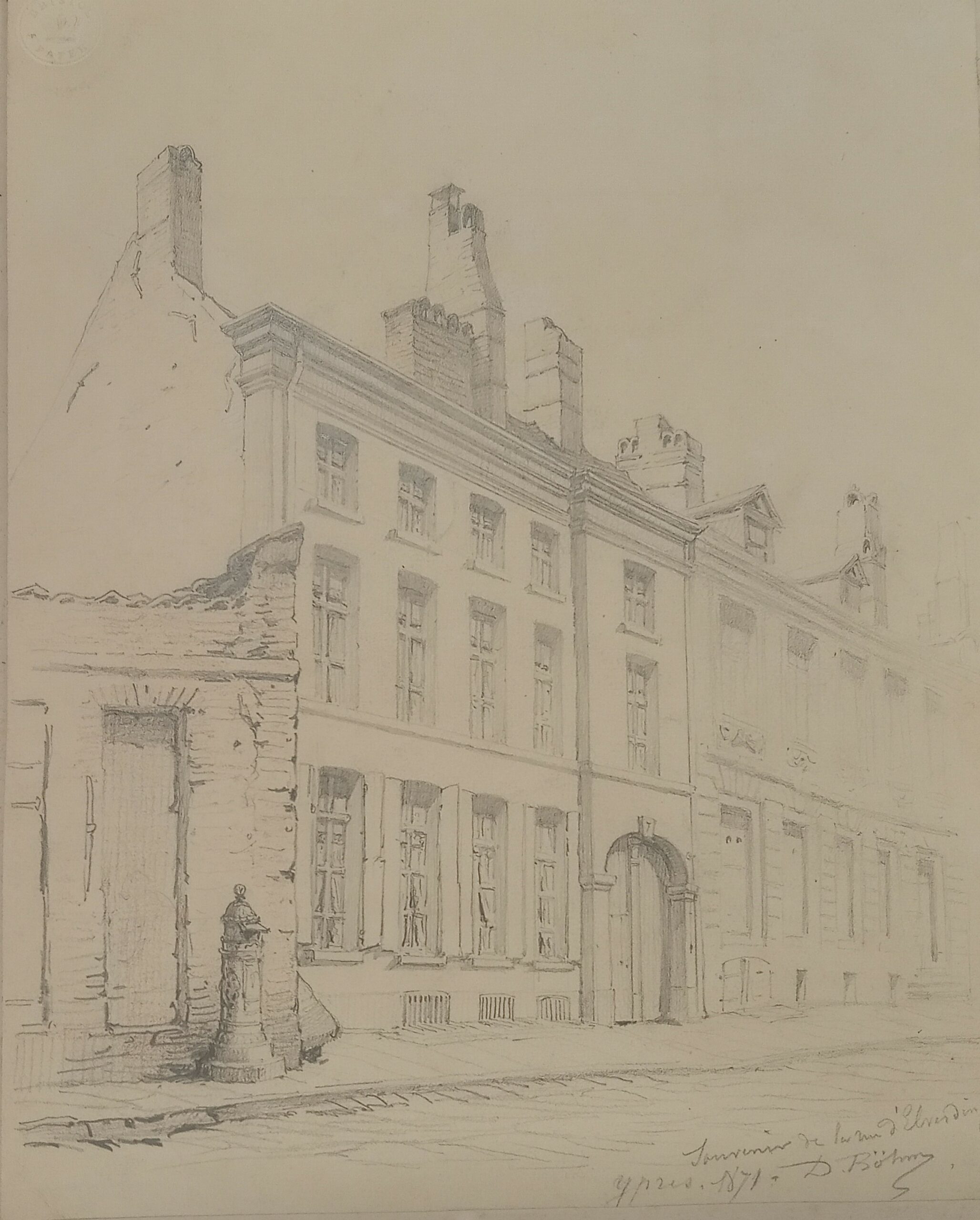
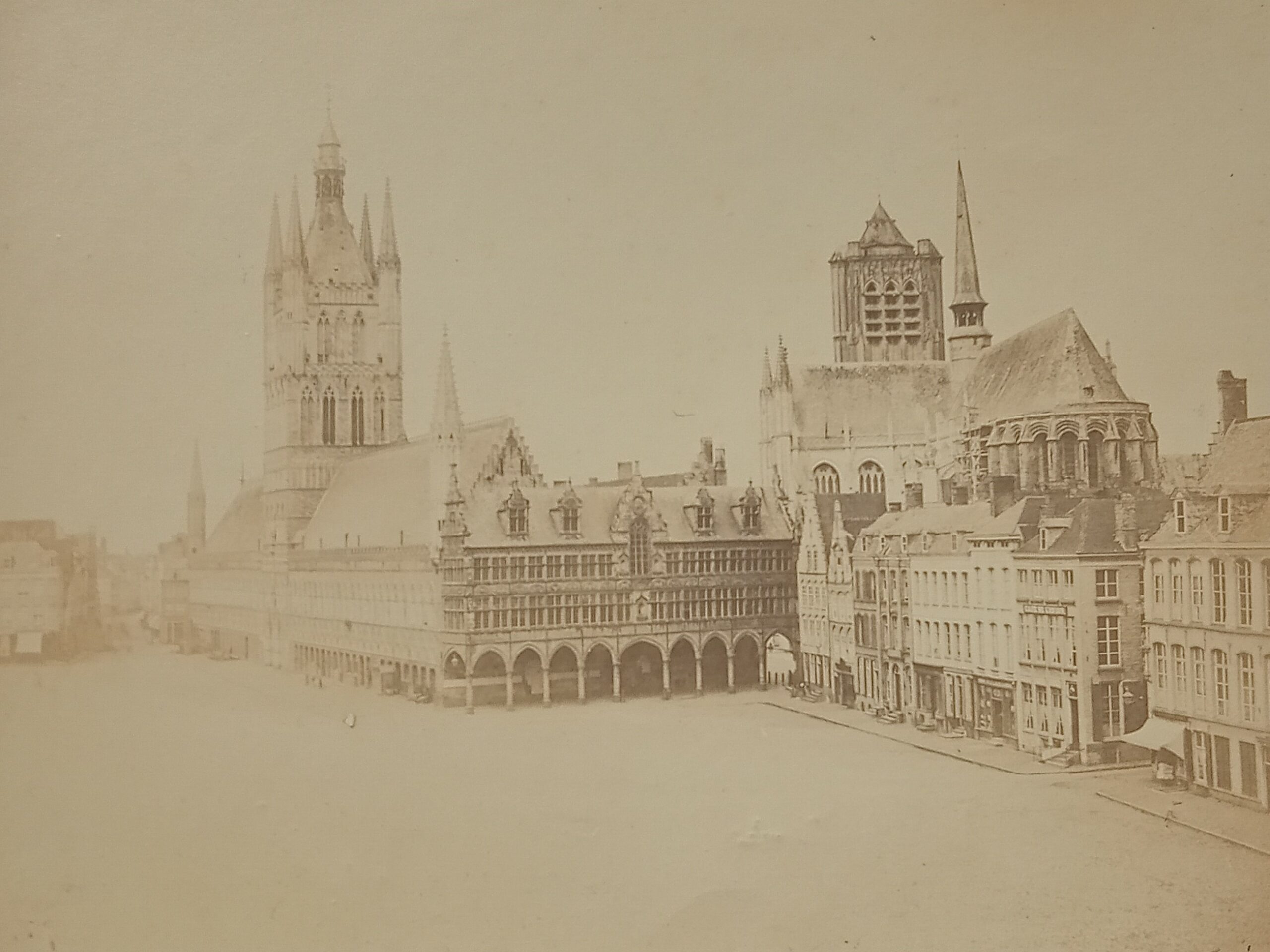
Much of the scrapbooks are taken up with strikingly beautiful and sometimes gently humorous images of plants and animals, and there are also pictures of numerous icons from the era, notably Queen Victoria and her successor, Edward VII. However, it is the more personal pieces of memorabilia that lend the scrapbook lasting significance. There are a number of striking lithographs of what were then the cities of Calcutta, Delhi and Beejapore. More poignantly, there is an intricately detailed sketch of the house at 7 Rue d’Elverdinghe, in Ypres, Belgium, where Emma’s father died in 1870. Other images of Ypres include a lithograph of the Abbey of Our Lady of Grace, in Rue St Jacques, established by Irish nuns in the 17th century; it was destroyed by shellfire during the German invasion of Belgium in 1914. There are also some fine photographs of Ypres, probably taken in the 1860s.
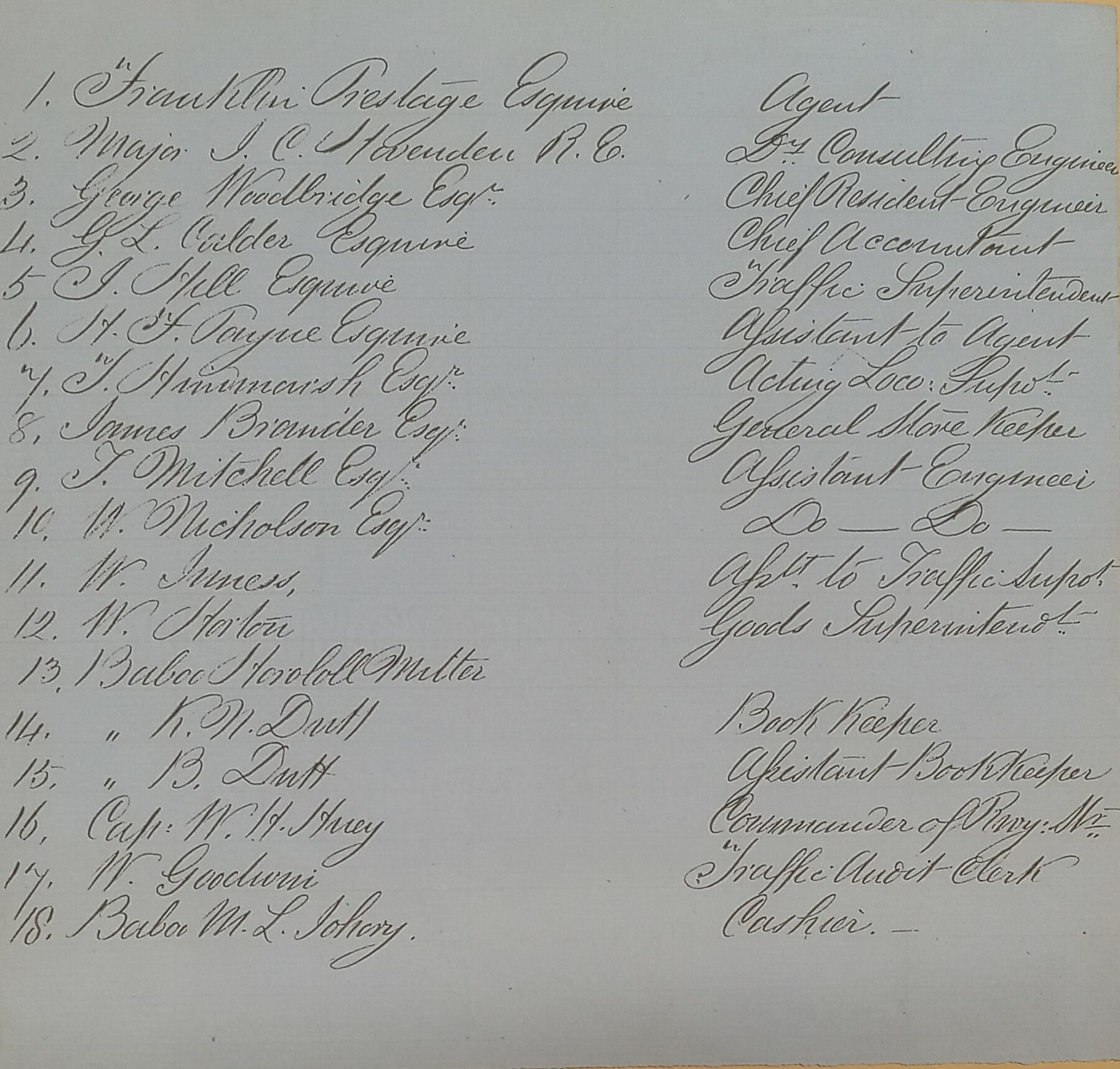
Emma’s sister Eliza married the distinguished railway engineer Franklin Prestage (1830-1897), chiefly remembered today for his pivotal role in the construction of the Darjeeling Himalayan Railway, now a UNESCO World Heritage site. The scrapbook contains a remarkable photograph of c.1868 showing Prestage with seventeen other staff of the Eastern Bengal Railway, which operated in the Bengal and Assam provinces of British India.
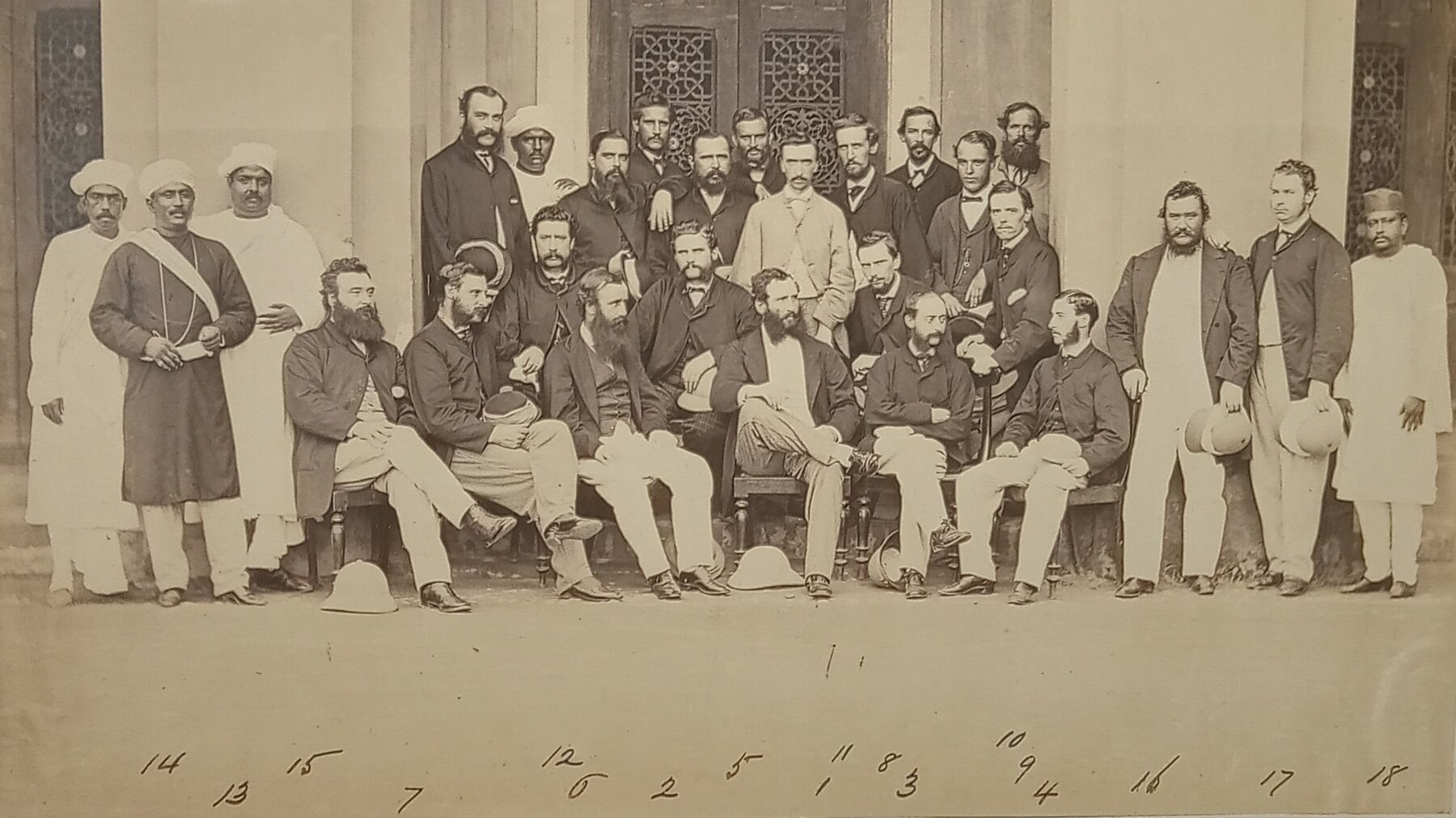
All are identified by name. Amongst those who sat for the photo are a number of Indian employees, including K. N. Dutt, bookkeeper, B. Dutt, assistant bookkeeper, and M. L. Johory, cashier. It’s a strikingly immediate artefact from the days of the British Raj.