
A Major Addition to the Fortescue Papers at Devon Archives
The Fortescues’ Papers
The Devon Archives and Local Studies service is hugely privileged to act as custodian of the records of a number of the county’s leading landed families. Amongst the finest and most comprehensive of these collections are the papers of the Fortescues, a family that has played a pivotal role in West Country history for almost a millennium, as well as making a significant contribution to national life.
The Fortescues
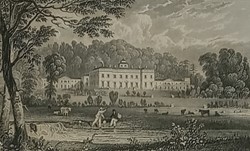
The Fortescues made Filleigh, a manor on the southern edge of Exmoor which they had held since since the reign of Henry VI, their principal seat at the end of the 17th century. Hugh Fortescue, 14th Baron Clinton, and subsequently 1st Baron Fortescue and 1st Earl of Clinton, built Castle Hill, a magnificent Palladian country house there in 1730, on the site of a late Tudor manor house, and it has remained the home of the Fortescues and their descendants ever since.
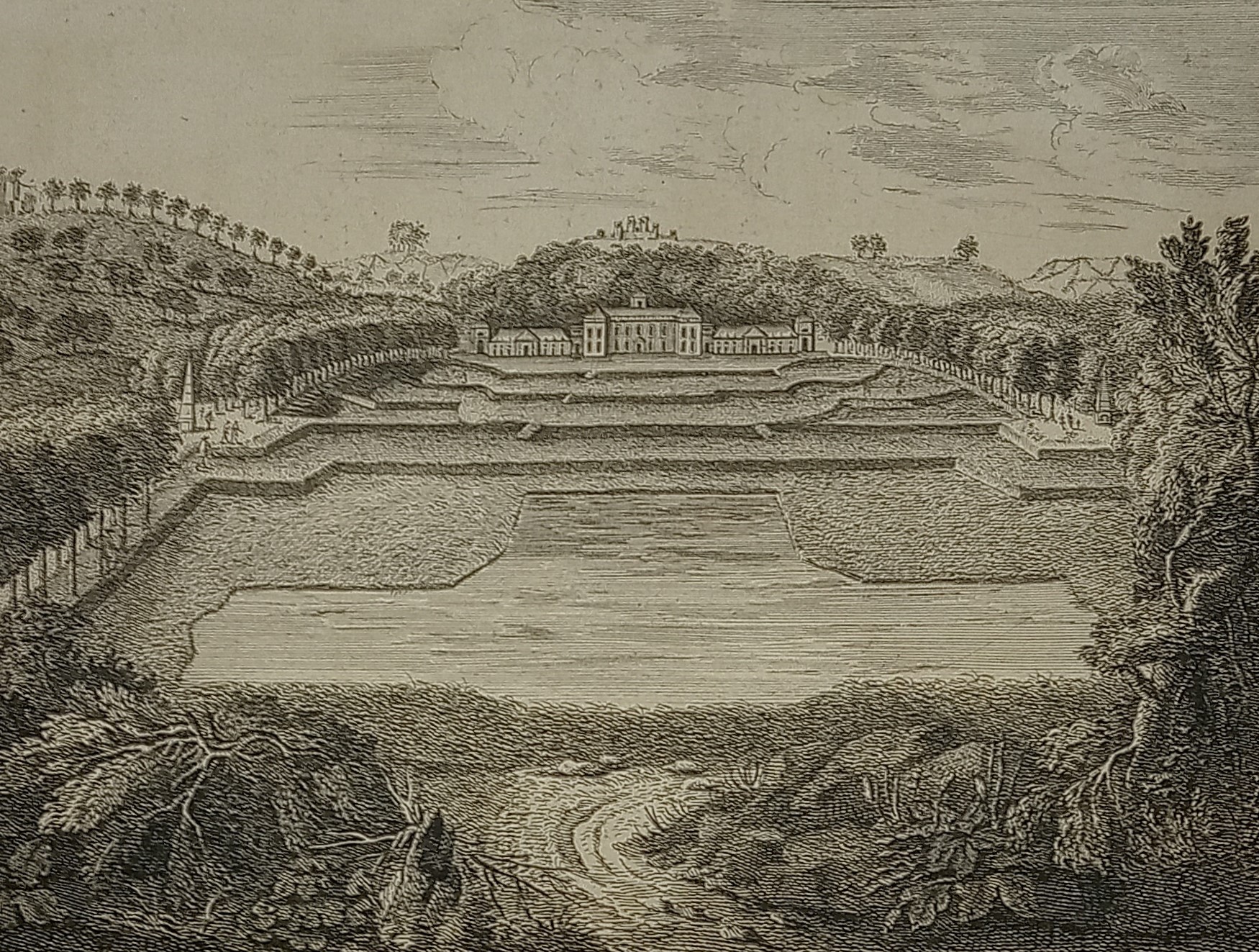
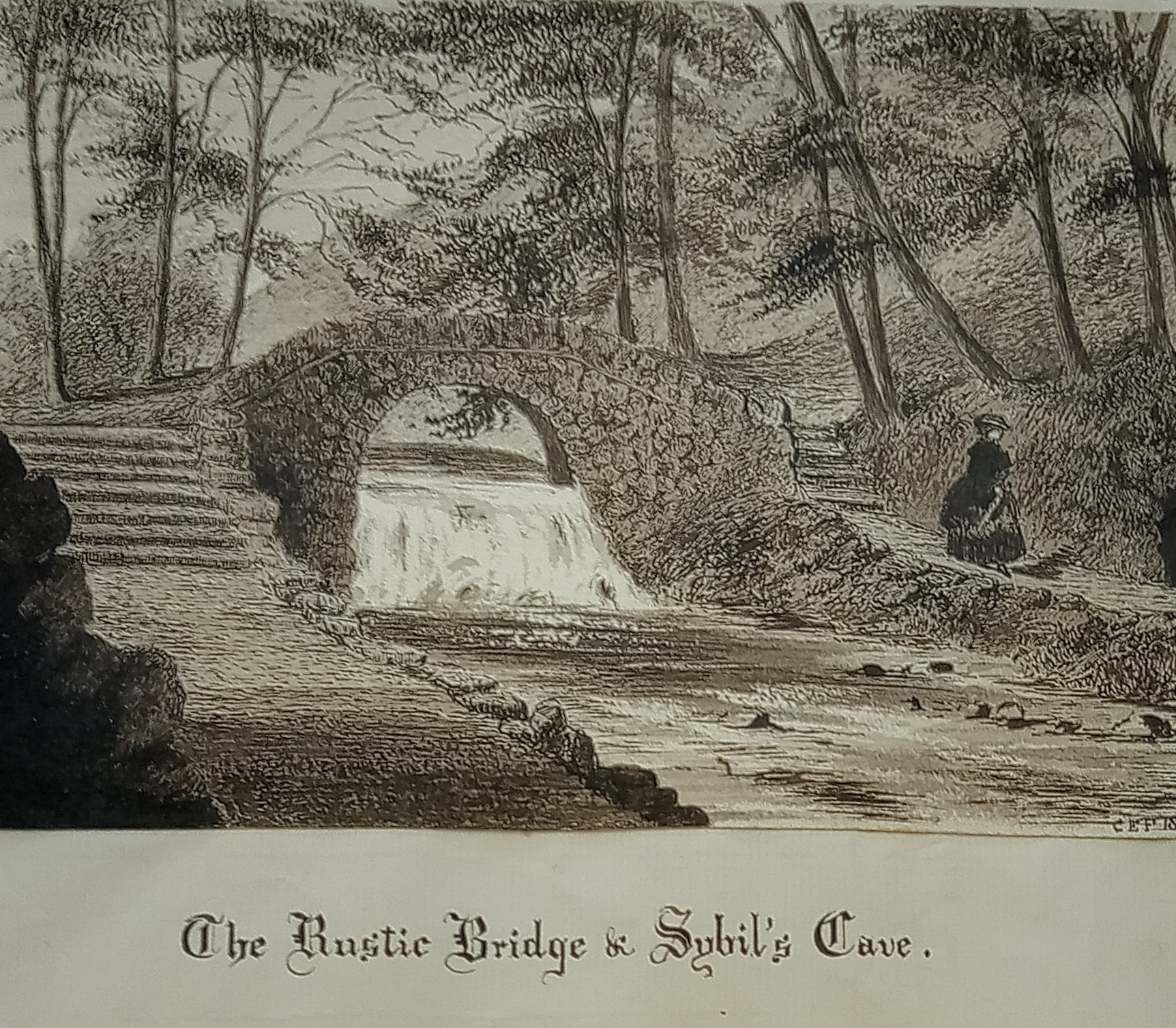
Amongst the treasures of the family papers are three extraordinary manuscript volumes spanning the years 1684 to 1956. Compiled by successive Fortescues in diary form, and sumptuously illustrated with sketches, prints, photographs, maps and plans, they constitute a remarkably vivid and illuminating account of the development and management of the Castle Hill Estate, and the lives of those who lived and worked there from the closing years of the reign of Charles II till the advent of the second Elizabethan age. This monumental survey also records the rich architectural history of the estate, detailing the construction of Castle Hill, and many of the other notable buildings on the estate, including its follies and temples, and the reordering of the mansion following a tragic fire in 1934.
The Volumes
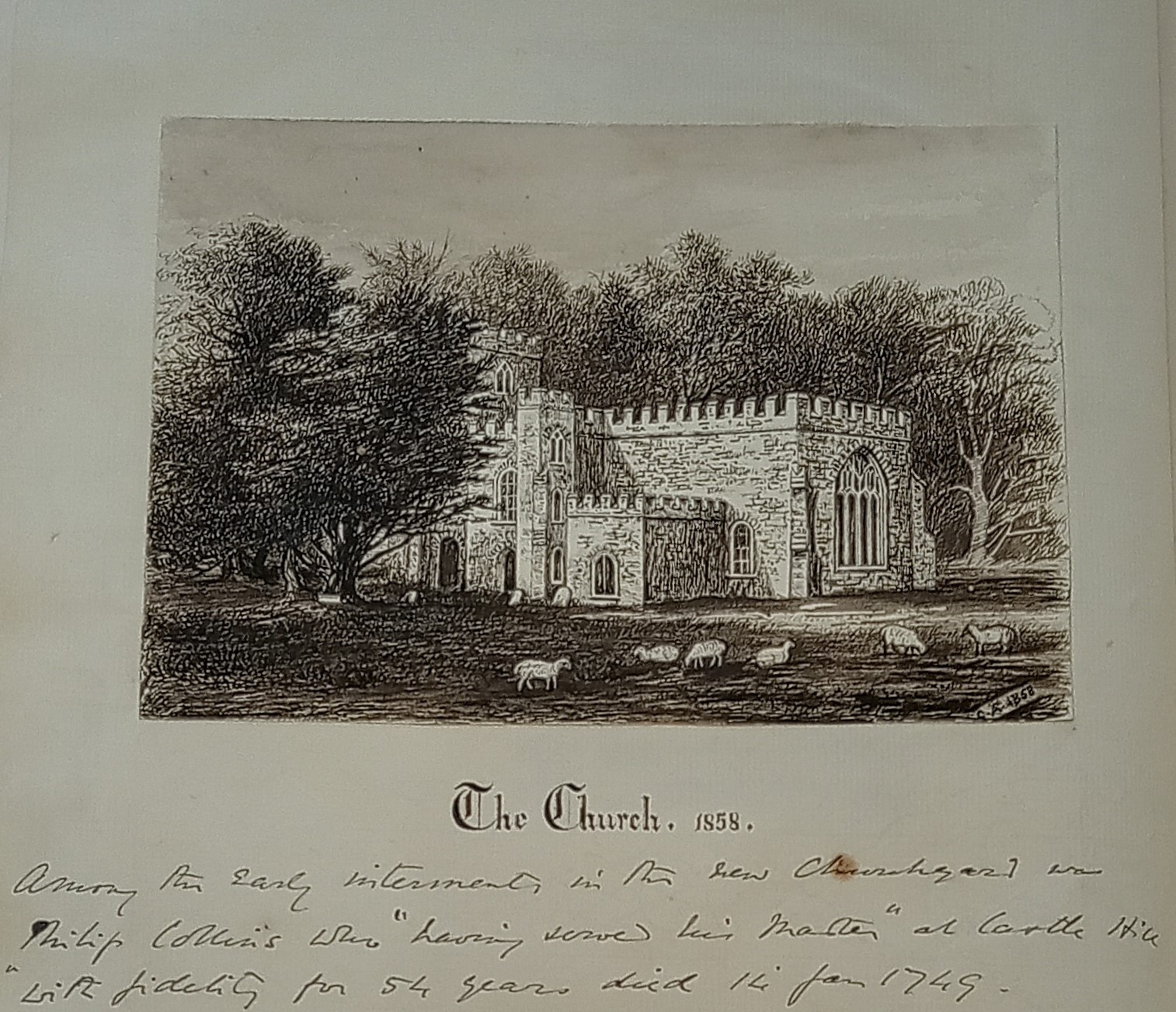
These volumes are replete with fascinating vignettes. The first volume of the trilogy includes details of the demolition of the medieval Filleigh church by Lord Clinton in 1730 as part of the work to construct Castle Hill and the building of the new church some ½ mile to the west of the mansion. It also lists the graves of old servants in the north-west corner of the churchyard, amongst them that of Philip Collins, who died in January 1749, ‘having served his master with fidelity for 54 years’. Other servants remembered include John Newton, Butler and House Steward, who had been with the family for nearly 60 years at his death in 1899 and ‘insisted on blacking the first pair of boots worn by Lord Ebrington’s eldest son (born 1888) that he might say he had performed that service for five generations of Fortescues.’ We also learn of the celebrations for pivotal family events, for example the tenants’ ball given by the 3rd Earl Fortescue in 1874 to mark the marriage of his daughter Lucy to Sir Michael Hicks Beach, subsequently a distinguished Chancellor of the Exchequer in the final governments of the 3rd Marquess of Salisbury. Great national events were also marked. The Silver Jubilee of George V and Queen Mary in 1935 was celebrated with fireworks and dancing. A more personal royal occasion came in November 1946 when Princess Elizabeth, the future Elizabeth II, stayed the night at Castle Hill before her visit to the orthopaedic hospital in Exeter which had borne her name since its opening in 1927.
Fortescue Military Service
The volumes are also a fascinating record of the family’s military service, including that of Lieutenant Lionel Henry Dudley Fortescue, 17th (Duke of Cambridge’s Own) Lancers, son of the 3rd Earl, who served at Ulundi, the final great battle of the Anglo-Zulu War of 1879, and was killed in action at the Battle of Diamond Hill, near Pretoria, in 1900, during the Second Boer War. Later Fortescues who served their country in war and made the supreme sacrifice are also remembered, most notably Peter, Viscount Ebrington, the only son and heir apparent of the 5th Earl, killed in action during World War II, fighting in his father’s old regiment, the Royal Scots Greys, at the First Battle of El Alamein in July 1942. Amongst poignant ancillary documents is an 1886 letter from Seymour John Fortescue, then a young naval officer on HMS Minotaur, to his father, the 3rd Earl, to be opened in the event of his death. Happily, the letter was never required and Sir Seymour rose to the rank of captain, served as an equerry in waiting to Edward VII, a Groom of the Bedchamber to George V, and as Sergeant-at-Arms to the House of Lords between 1910 and 1936.
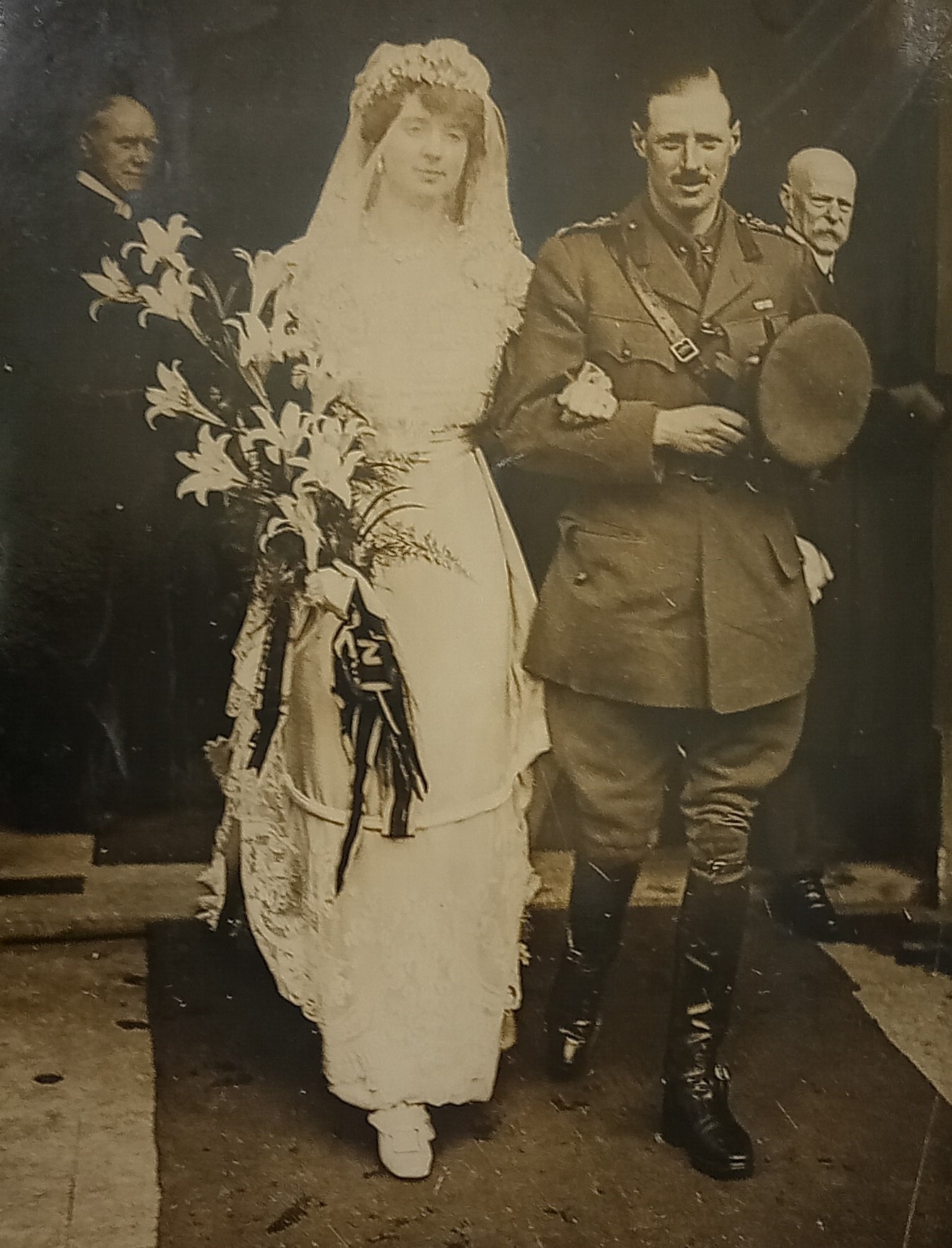
The immense contribution of successive Earl Fortescues to local and national life is also recorded. In particular, these volumes are an invaluable testament to the wide-ranging achievements of the 4th Earl, a distinguished Lord Lieutenant of Devon from 1903 till 1928 and his son, the 5th Earl, who held the same office from 1936 till 1958 and did much to safeguard traditional rural life in a period of enormous change, serving as president of both the British Horse Society and the Royal Agricultural Society.
Through the generosity of the Countess of Arran, granddaughter of Hugh Fortescue, 5th Earl Fortescue, who has kindly deposited these captivating records with us, they are now available for researchers to consult alongside the other Fortescue papers at the Devon Heritage Centre in Exeter. They can be found in the Devon Archive Catalogue, under the catalogue reference 1262M/14.