‘Adventures in Time and Space: 60 Years of Doctor Who Art’ is exhibiting at The Museum of Somerset until 5 October 2024. The exhibition pays tribute the longest-running Sci-Fi television programme known to humanity, and is filled with nostalgia.
To celebrate the exhibition we’re travelling back in time to 1963 when the very first episode of Doctor Who was aired. It looks like the Doctor (Ncuti Gatwa, the 15th Doctor) and his companion Ruby Sunday have had the same idea, as the BBC have just aired a 60’s episode of Doctor Who, The Devil’s Chord.
Sixties in our Stores
The sixties saw many significant changes to fashion, behaviours, music, technology and even holiday destinations. We’ve had a look through the stores for iconic 60s items to bring back some memories. Here’s what we’ve found:
Technology
Most people’s houses had access to electricity and ‘modern’ appliances, such as fridges, but also small electric appliances such as radios, TVs, hair driers and desk lamps.

The sixties is famous for bold hairstyles that challenged the norms. Women opted for short, rebellious hair cuts, that were sleek, smooth and boyish. Men on the other hand grew out their hair to lengths previously considered unacceptable. Here are some famous 60s styles: The Beehive; The Hippie; Afros; The Flipped Bob; The Mop Top (worn by the Beatles).
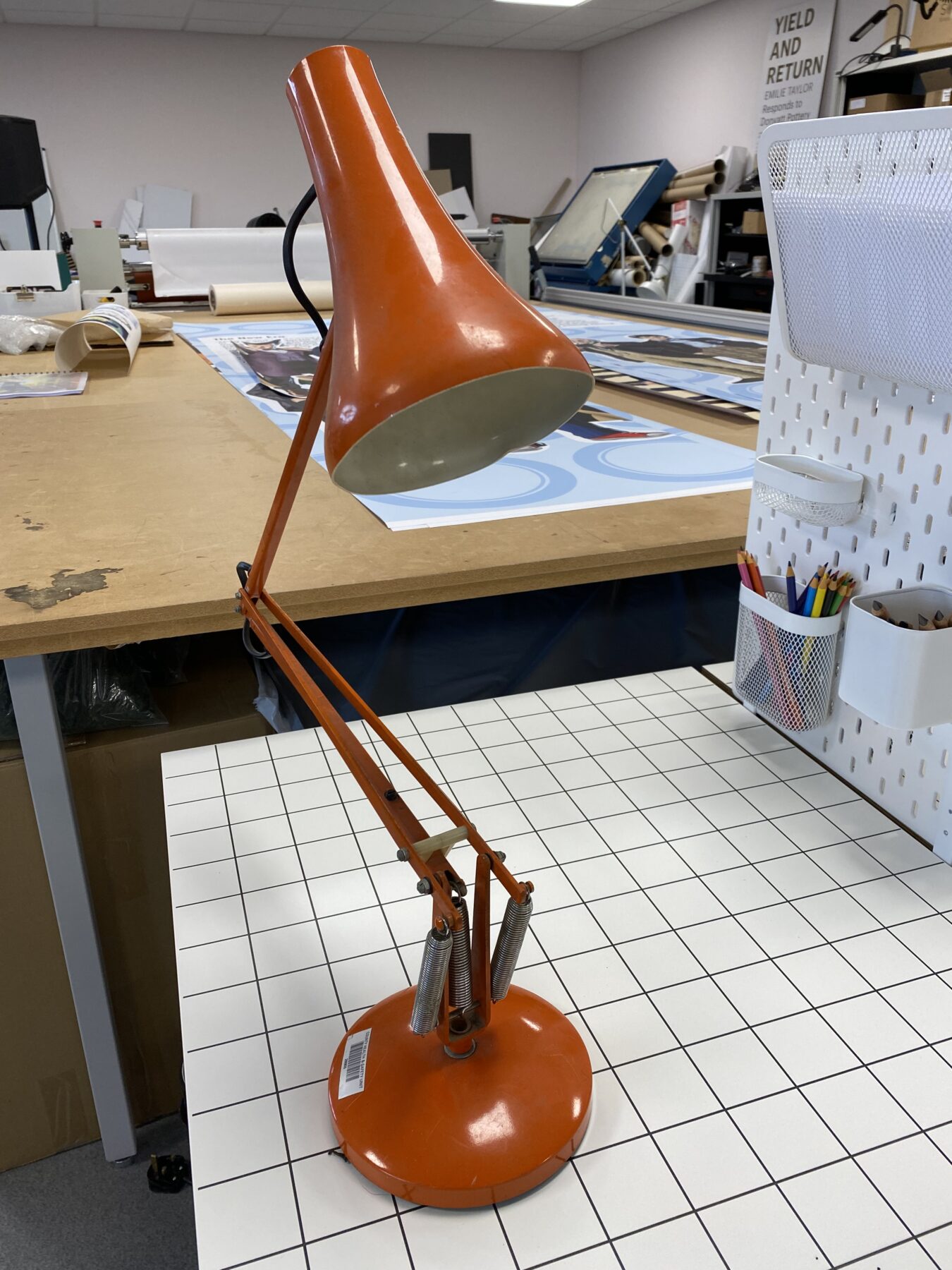
Interior design was equally as flamboyant. Bright and vibrant colours were in vogue – mustard yellow, orange, gold, and green. This orange lamp is definitely part of the swinging sixties colour palette. Picture this lamp inside an open-plan home with sliding doors, psychedelic tangerine and fuchsia pink wallpaper, or maybe a typical black-and-white colour scheme. Alongside a beanbag.
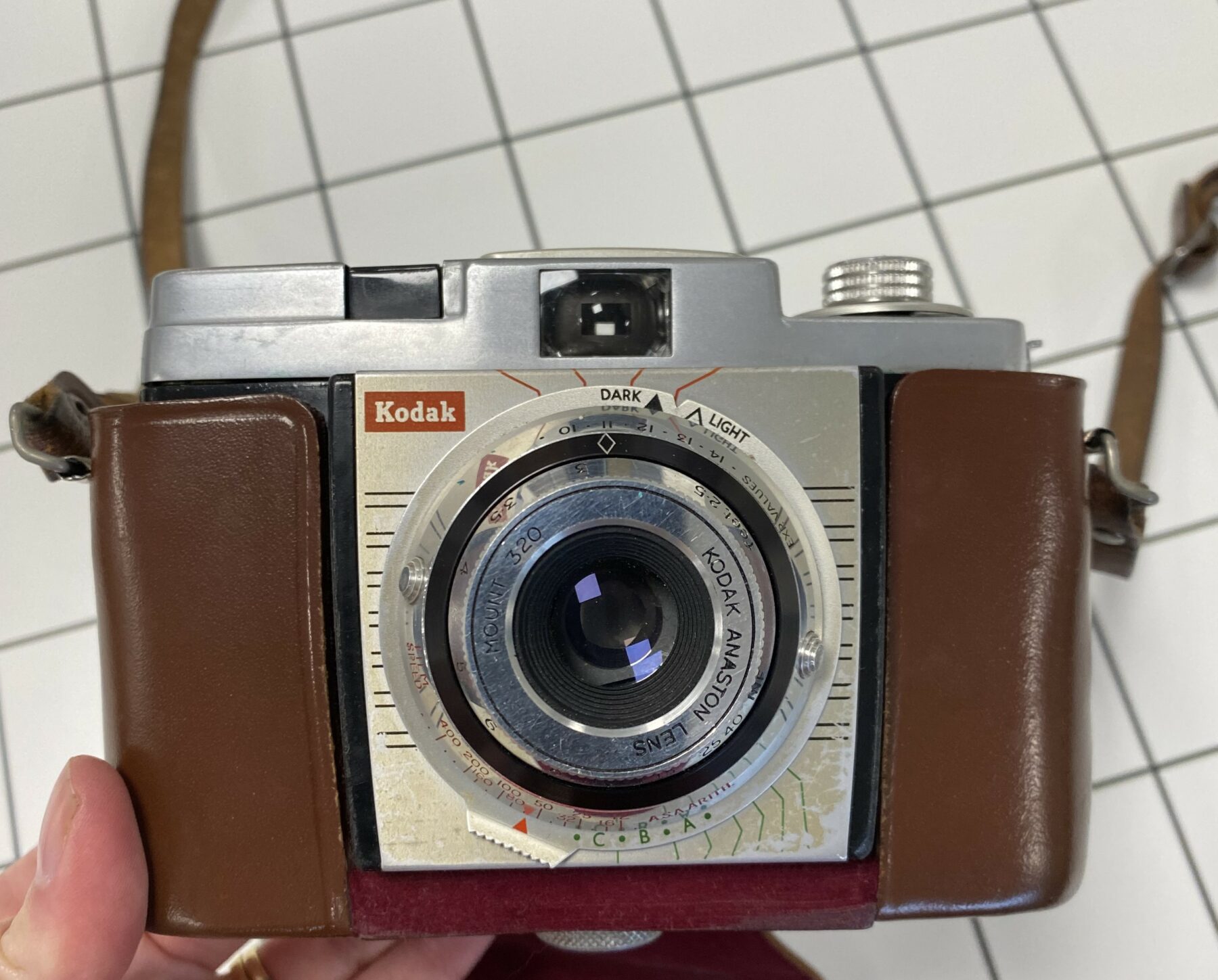
Photography involved the delicate and careful process of inserting the film into the camera before taking photos. Each film roll only had the capacity for roughly 20 photographs before they were sent off for development. Skill and patience were required to ensure shots weren’t wasted.
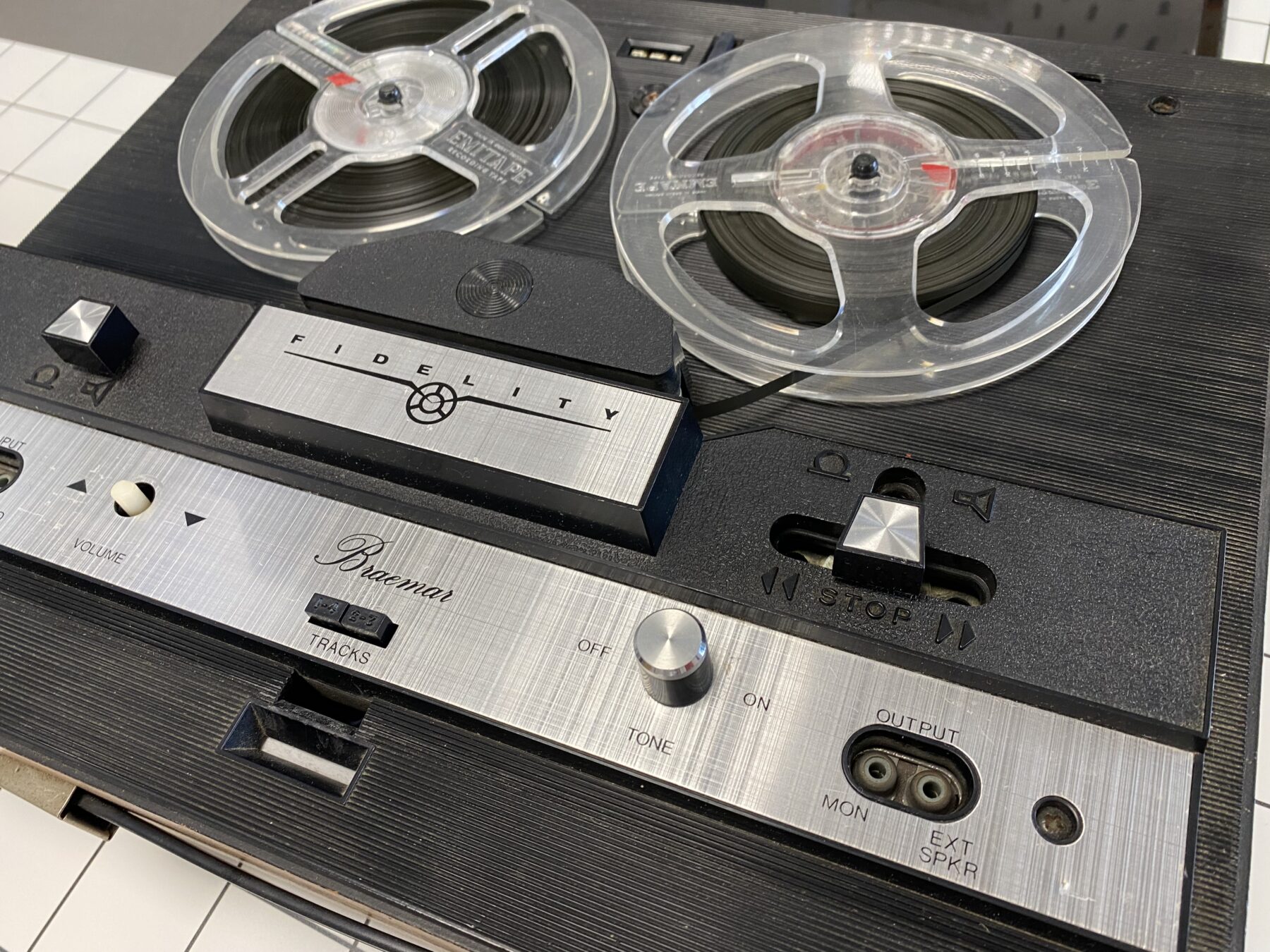
Buying records were expensive but reel-to-reel tape recorders allowed music to be recorded straight from the radio. People could make their own playlist and listen to it whenever they liked. They just had to be nifty about pressing the ‘stop’ button before the radio presenter started talking again.

Anyone listening to the radio in the 1960s would have heard The Beatles. They were an international phenomenon, and were everywhere; TV, movies, magazines, merchandise and toys. Beatlemania not only revolutionized music, but fashion and even hairstyles too.
What do the Beatles have in common with Doctor Who?
The iconic Doctor Who theme tune was eerie, futuristic, and the first electronic music heard on TV. Have a listen. With no music software available, how was it made? Dalia Derbyshire used a reel-to-reel tape recorder (like the one in our stores) to record sounds such as clanging metal, pouring water, white noise and plucked piano strings. She then manipulated and spliced the tapes into loops. The Beatles used the same visionary technique in some of their electronic, rock songs.
Fashion
Fashion became a form of self-expression – particularly for the younger generations. The 1960s saw the introduction of fashions that exposed more female leg than had ever been seen in public before – except on the beach.

The Mary Quant minidress in our stores is made of velvet and chiffon. It’s not the bright, chevron print mini-dress that Polly Wright wore in Doctor Who, but it’s unmistakably 60s.
In the 50s young women dressed like young versions of their mother. This changed in the 60s because miniskirts and hotpants suits didn’t go with the usual undergarments, so tights arose in popularity.

Archives
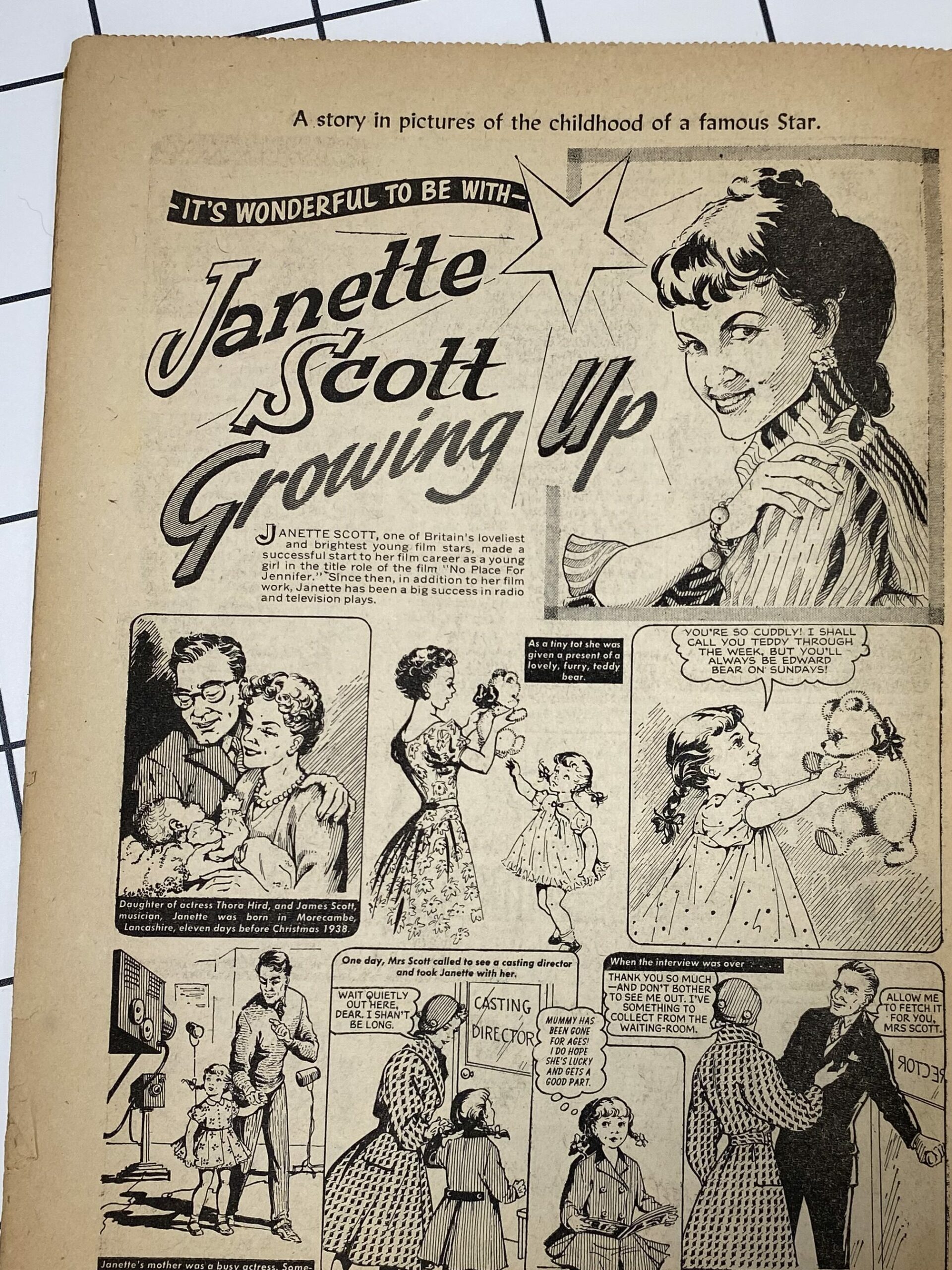
These 60s comics are from the stores: ‘Giggle: adventure and fun for everyone’ 1967, and ‘Judy: a Great new picture story paper for girls’ 1960.


Comics presented their characters as dependable friends and often offered exciting free gifts such as bracelets or whoopie cushions.
‘Judy’ provided young readers with articles about pop stars and television or film actors, and included articles about teenage life as well as comic strips.
Other comics of the 60s are: The Dandy, The Beano, The Eagle, Valiant, Jack and Jill, Playhour, Harold Hare, Bimbo, Bunty, and Robin.
Here’s Our 60s Memories:
Provided by our generous volunteers, staff members and friends and families.
Food
Ice cream – “Family packs of ice-cream came in a block, with cardboard packaging, and when we bought it from the corner shop they wrapped it in newspaper to keep it cold. There were only three flavours – Vanilla, Neopolitan or Mint Choc Chip”.
Bread and butter – “There was always bread and butter on the table, whatever the meal. So if anyone was still hungry after a meal they had something extra to eat”.
Sunday Roast – “It was always roast beef on a Sunday and Dad would help Mum carve the meat and prepare the veg. Main meals would otherwise be sausages, fish fingers, macaroni cheese and occasionally shepherd’s pie”.
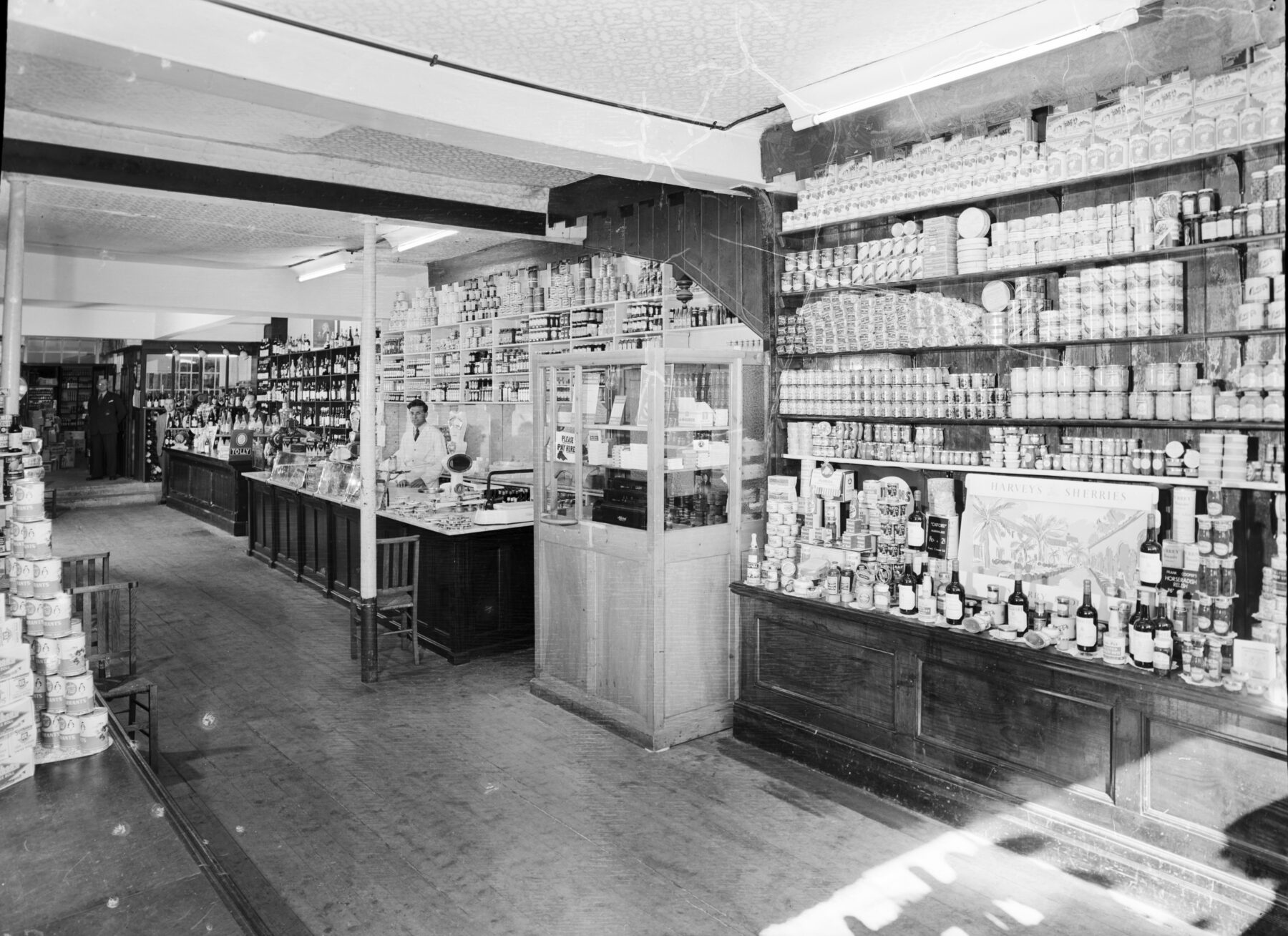
Shopping – “There were supermarkets in the 60s but a lot of us didn’t have cars in the early 60s, so we still went to a small, local shop and everything was weighed out for us”.

Television
Football – “England won the world cup in 1966! My favourite footballer was Bobby Charlton, he was our greatest player at the time. And George Best. We watched the match on our TV which was black and white in 66”.
TV – “The TV was a large wooden box tiny screen and it had to warm up first. We used to watch TV in black and white, mostly the test card. We all watched The Magic Roundabout, it was on before the 6pm news if I remember. Crossroads was massive then, and Coronation Street. Not to mention Top of the Pops started in the sixties! Blue Peter for children. For adults, On The Buses, To Death Us Do Part, Dad’s Army, and Carry On films!”
Doctor Who – “I remember watching the first episode of Dr Who on a Saturday evening. I was at home alone and afterwards told my family about the new SF series. We were all there the following week awaiting episode two. I was three months short of 15 at the time and a keen reader of SF fiction”.
Misc. Memories
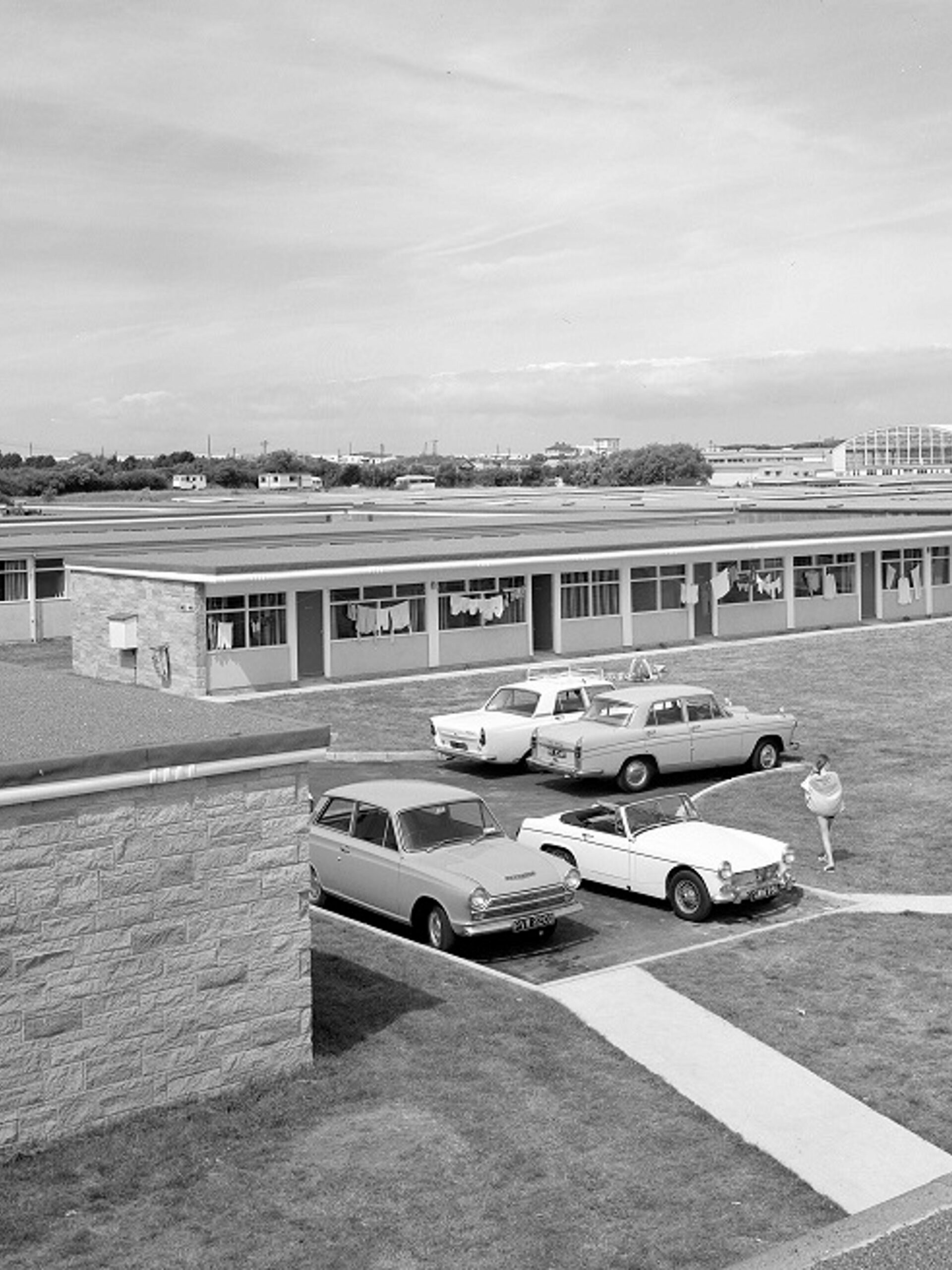
Transport – “Very few people we knew had a car. Buses and suburban trains were always busy and services very frequent. Also people walked a lot to work or the shops. A lot more people of all ages were on the streets at night so it felt safer than today, this was largely because there were still several cinemas and shows were continuous so people were in and out all evening. Milk bars were popular with teenagers as the pub was still largely the preserve of older men. A few teenage boys had scooters and some better off young men had bubble cars”.
Toys – “In 1969 space-hoppers were introduced to the UK and I had one for my birthday!”
Clothes – “My Mum made a lot of our skirts and dresses, as it was much cheaper than buying ready-made clothes at that time. Sometimes she made a dress for herself, and then a matching one for me or one of my sisters”.
Occupations – “In the 1960s we still had the three Women’s Services – each service had its own glossy brochure detailing all the jobs available. A girl had to be 17.5 years of age to join the WRNS and the WRAF but only 17 years to join the WRAC”.