
As we near the thriving midpoint of the year, two important sabbats mark this time of warmth, growth, and gratitude. Discover more about Litha (mid summer) and Lammas (the first harvest.)
The Wheel of the Year
Long before modern holidays took root, early cultures across the Northern Hemisphere celebrated nature’s rhythm through festivals tied to the land, the sun, and the cycle of life.
Modern Pagan practices have revived these ancient traditions through the Wheel of the Year; a spiritual calendar that turns with the seasons. It includes eight festivals, or sabbats, spaced evenly throughout the year. Some are rooted in ancient Celtic or Norse customs, others are more modern interpretations, but all reflect the ongoing dance between light and dark, growth and rest, life and death.
Litha
Midsummer (June 20 or 21)
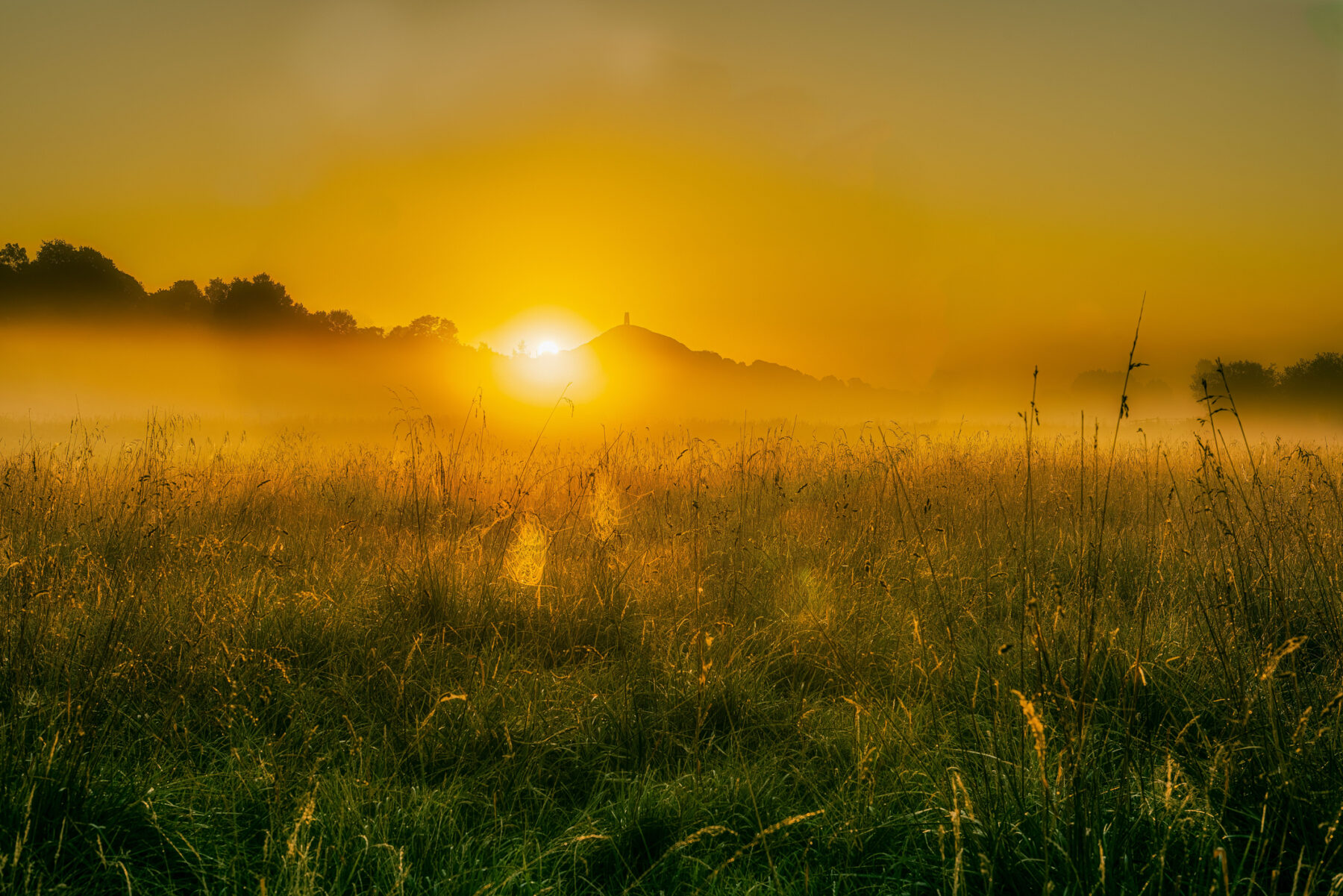
Litha, or the Summer Solstice, marks the moment when the sun is at its strongest, and daylight stretches as far as it can go. For ancient peoples, this solar festival was all about honouring abundance, vitality, and the powerful life force that the sun represents.
Traditions varied, but many celebrated with bonfires, feasts, and rituals to give thanks for the light and prepare for the coming shift toward darker days. From the Romans to the Norse to the Anglo-Saxons, this was a time of joy—but also reflection. Just as the sun reaches its peak, we begin the slow descent into autumn.
Lammas / Lughnasadh
The First Harvest (August 1)

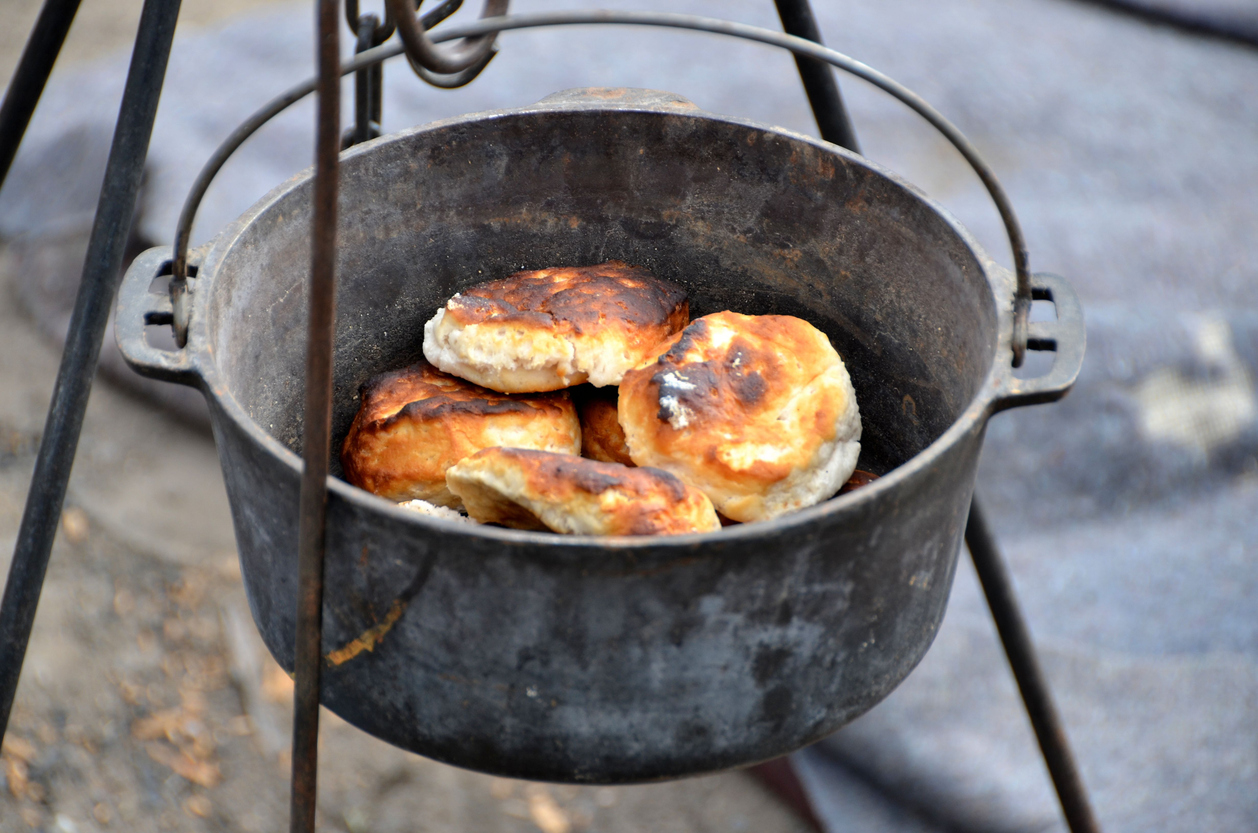
As the golden fields begin to ripen, we arrive at Lammas (also called Lughnasadh, pronounced “Loo-nah-sah”)—the first of the harvest festivals. Named after the Celtic god Lugh, this sabbat commemorates the beginning of reaping what was sown earlier in the year.
Unlike the spring and midsummer festivals, Lammas is agricultural in nature. It’s about gathering grain, baking bread, and celebrating the Earth’s generosity. In ancient times, loaves would be baked from the first grain harvest and offered back to the land in gratitude. Great bonfires were also lit; a common practice that connects many sabbats on the Wheel.
There’s a shift in the air at Lammas. The days are still long, but we can sense the slow approach of autumn. It’s a moment to honour hard work, enjoy abundance, and prepare for the darker half of the year.
Looking Ahead
After Lammas, the days subtly shorten. The sun’s heat softens, and we head toward Mabon, the autumn equinox, where day and night balance once more. It’s a time of reflection and thanksgiving, marking the second harvest and the waning of the year.

- The Avalon Marshes is a magical wetland landscape, nationally important for its rich cultural heritage. At Avalon Archaeology a programme of year-round events and workshops explore the heritage and seasonal traditions of this unique place and its people. See What’s On.
- At Somerset Rural Life Museum, Glastonbury, you can explore landscape, creativity, rural traditions and beliefs, and more. Discover the former Abbey Farm, the magnificent 14th century Abbey Barn and a traditional cider orchard.