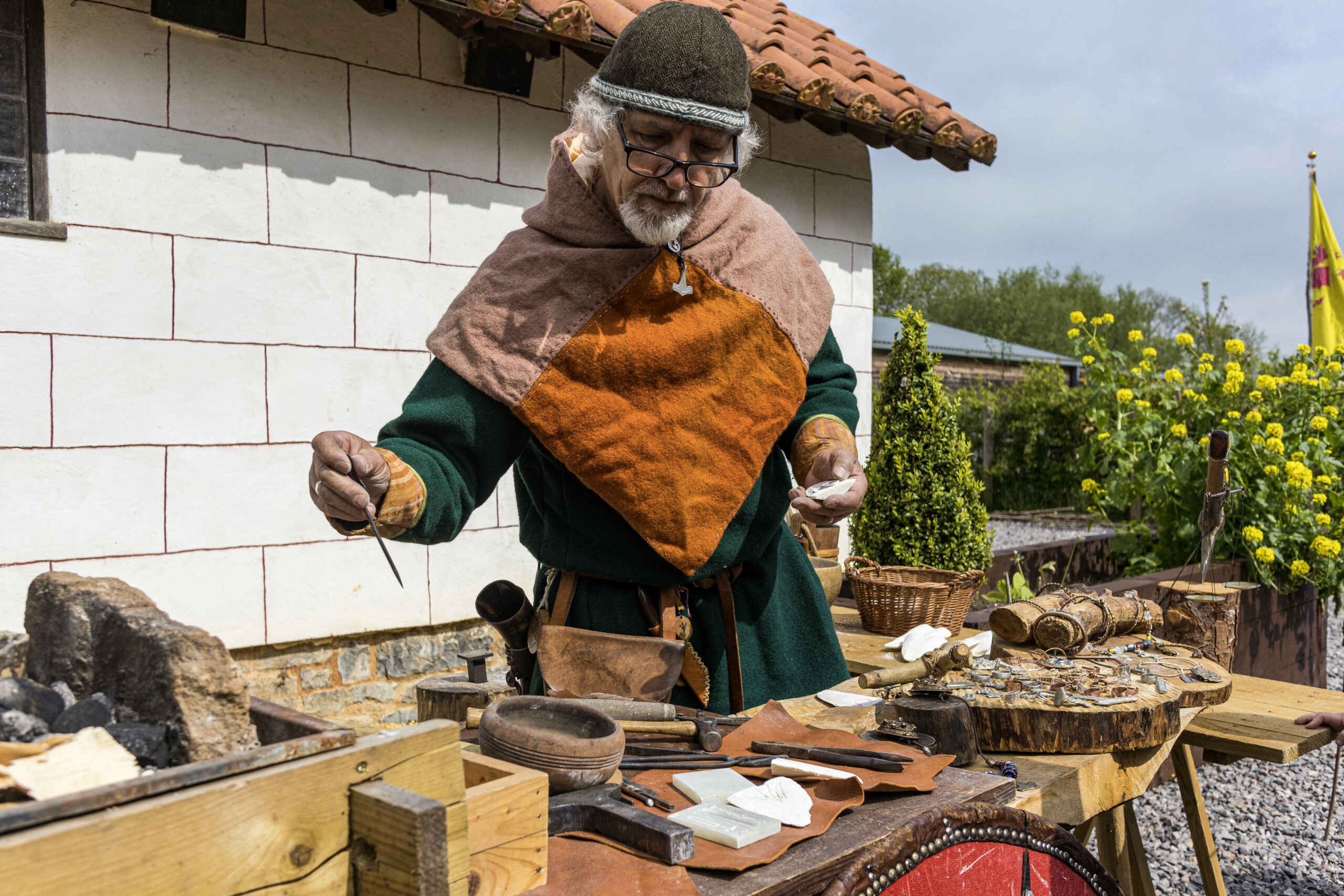
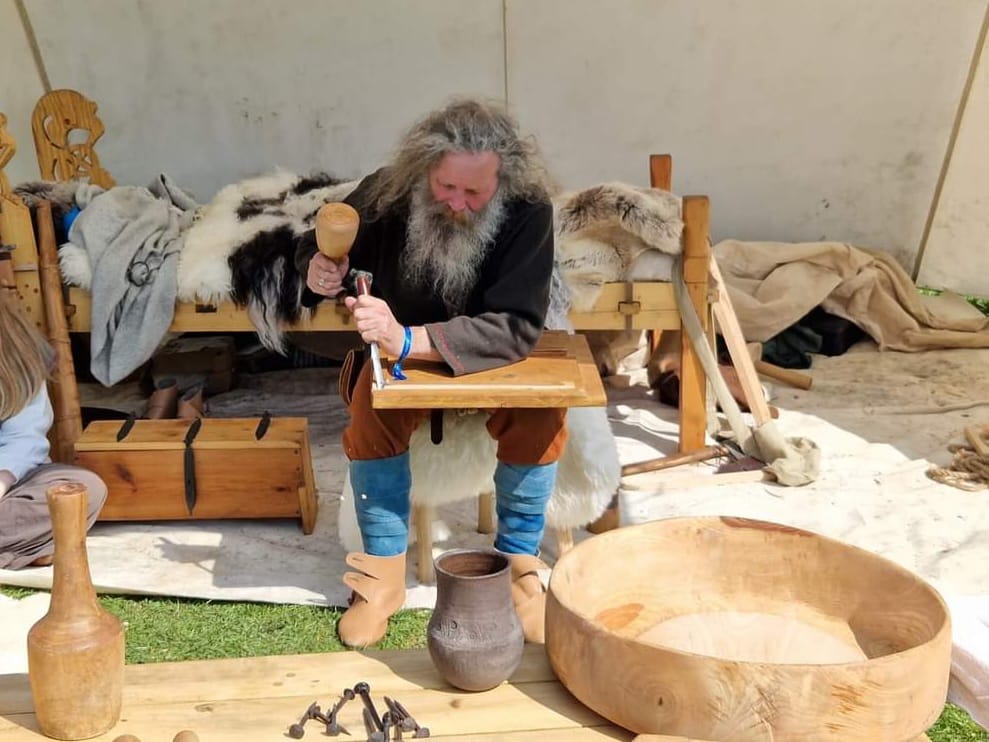
This Somerset Day we’re celebrating the Somerset Dragon. We’ve visited our museum and archive sites on the hunt for dragons.
Join us on a tour of our sites and see if you can spot the dragons we’ve found!
Somerset Day
Somerset Day is rooted in the legendary rallying of the Somerset people by Alfred the Great in AD 878 against the Viking invasion. Celebrated every May, Somerset Day is dedicated to the history, heritage, and culture of Somerset County.
This year, we’re shining a spotlight on a creature that has long captured the imagination of locals and historians alike: the Somerset Dragon.
What is the Somerset Dragon?
Somerset holds a treasure trove of dragon legends. The dragon is deeply woven into the fabric of Somerset’s folklore, history, and art. It’s thought that the dragon was probably the royal emblem of the Saxon King of Wessex, Alfred the Great. It was adopted as Somerset’s official symbol in 1911 and appears frequently in the county’s folklore. At Carhampton, for example, St Carantoc tamed a dragon when it threatened King Arthur. At Aller a dragon in the form of a flying serpent breathed flames and poisonous fumes. The dragon represents a connection to the past that continues to inspire generations.
Where Can You Spot the Somerset Dragon?
Somerset’s fascination with dragons spans centuries and can be explored through these unique examples:
Avalon Archaeology
Replica Carving of a Dragon Worm
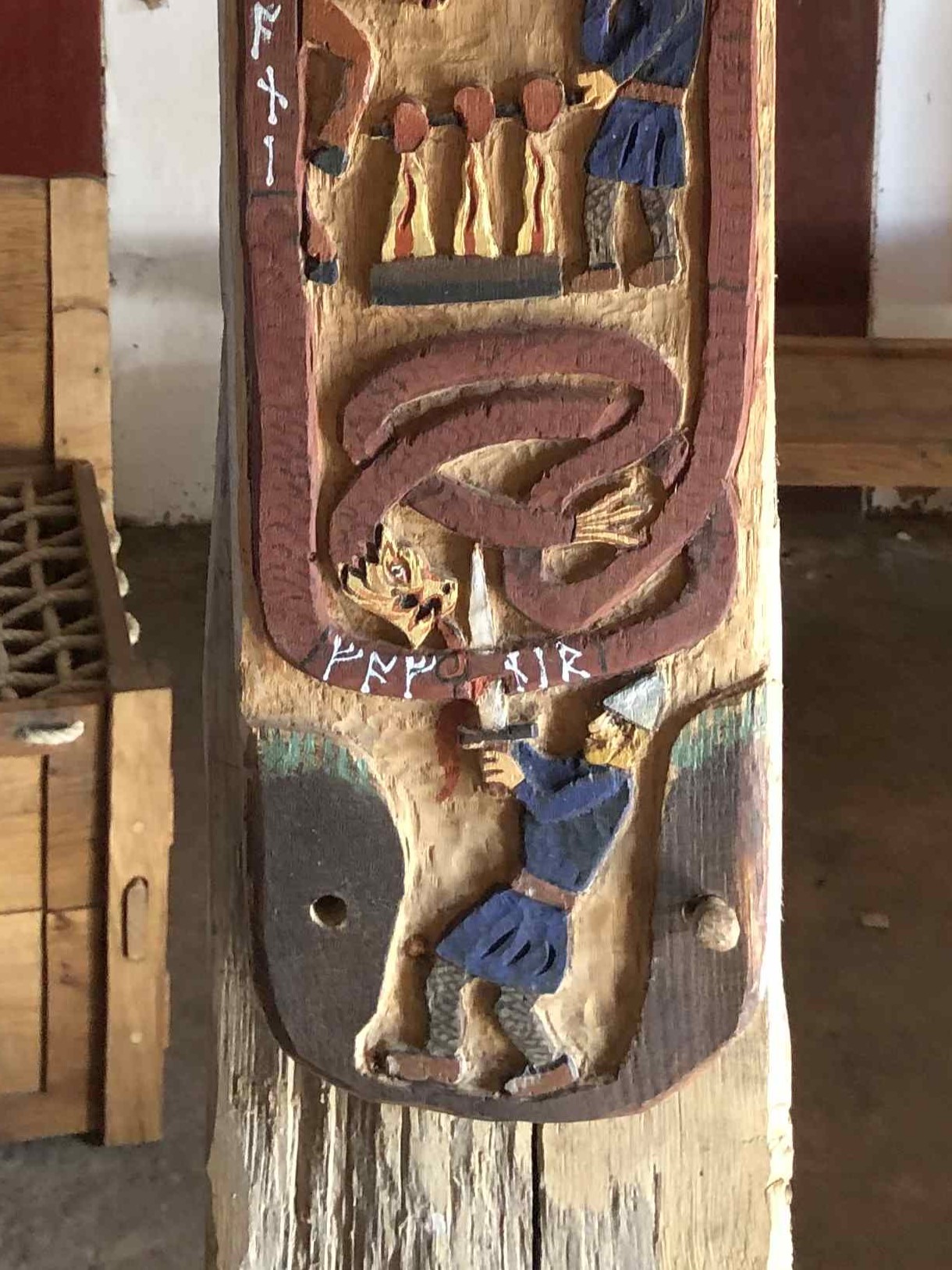

Here, you’ll find a replica carving of a dragon ‘worm’, inspired by a Saxon cross base from Rowberrow Church. The Dragon Worm is also depicted in woodcarvings of the Saxon Longhall, echoing the Sigurd legend—where the hero slays the dragon Fafnir and gains mystical powers through accidentally tasting its blood. The style of the carving links Somerset to Norse and Saxon mythologies, emphasizing the region’s place in early medieval legend.
In the medieval era, dragons symbolized everything from sin and chaos to bravery and heroism. In Somerset, the dragon often stood for strength and resistance—a creature to be revered or defeated, depending on the tale.
Somerset Brick and Tile Museum
Somerset Dragon Roof Finials, c. 1930

In Bridgwater the Somerset dragons took flight in the form of roof finials. These terracotta creations reflect how the dragon was not just folklore—but part of daily life and craft.
The Museum of Somerset
The Somerset Dragon, c. 1958

This red dragon lives in the Making Somerset gallery hiding beneath the cauldrons. The dragon is holding a blue mace and is the symbol of Somerset County Council. It was fixed to the Somerset Record Office in Taunton from 1958 – 2010.
Fossilised Plesiosaur
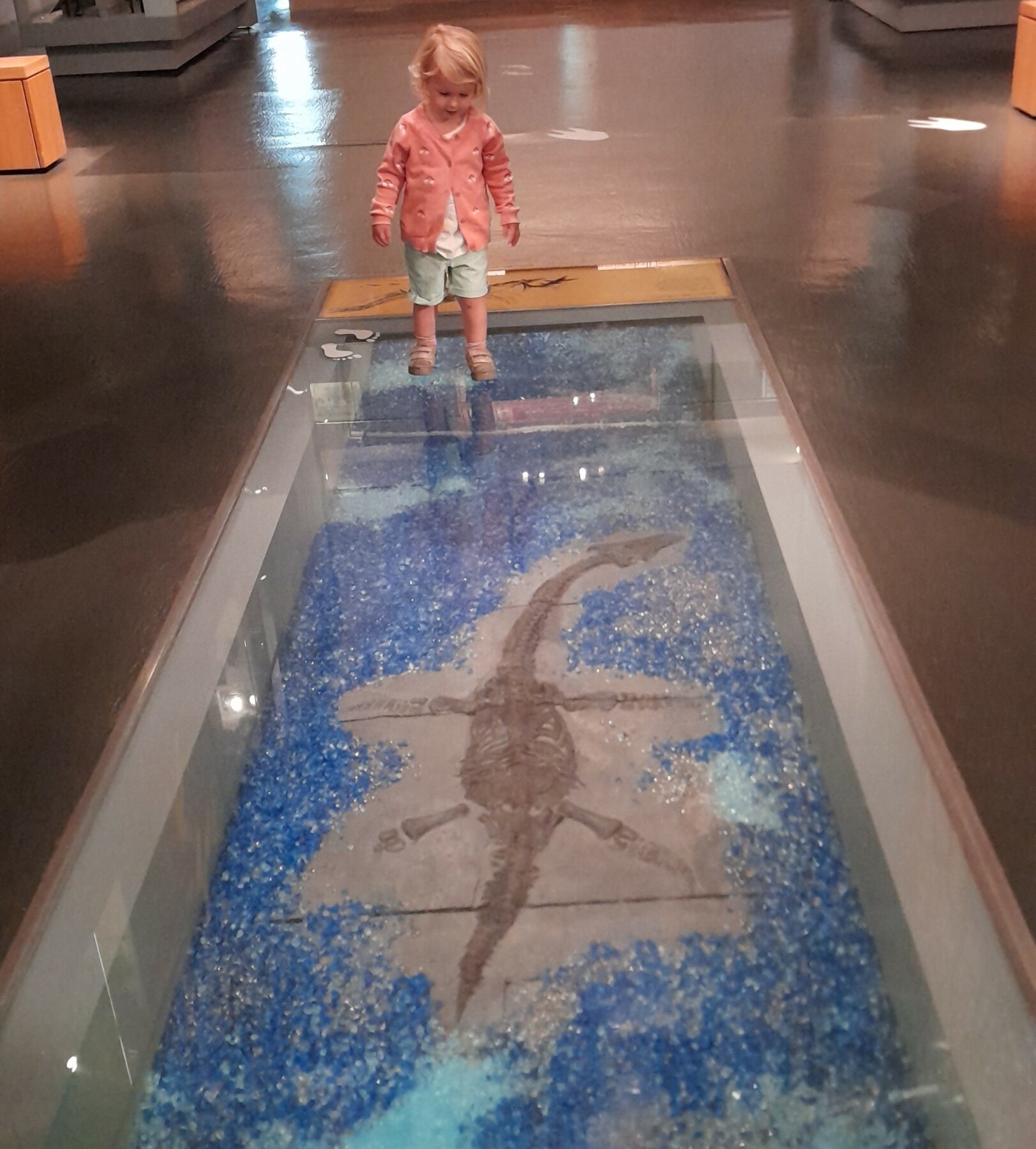
Long before fossils were understood scientifically, the bones of ichthyosaurs and plesiosaurs found in Somerset were thought to be dragon remains. These ancient “evidences” reinforced local beliefs that dragons had once roamed the hills and marshes.
This Jurassic sea dragon is unlike anything alive today. You’ll find this Collard Plesiosaur (named after its finder) in the Great Hall of The Museum of Somerset. It is the first complete plesiosaur skeleton to be found in Britain for more than a century. It was discovered by a Somerset fisherman in 2003 and is 193-200 million years old.
Somerset Archives and Local Studies
The original Grant of Arms to Somerset County Council, 1911, C.GP.A.4 SHC

Discover the county’s official Grant of Arms, dating back to 1911. The document also includes the motto Sumorsaete Ealle means “All those of Somerset”—a rallying cry dating back to Alfred the Great’s time.
Archive Photograph of rood screen detail, c. 1982. A.EBV.2.3.47 SHC

This photograph of the rood screen at Church of All Saints, Norton Fitzwarren. This detail shows a dragon eating a man, the woodcarving dates back to c. 1509.
Somerset Rural Life Museum
Carnival Bicycle named ‘the Dragon’ c. 1930


Not all dragons are ancient – some are delightfully modern. This bicycle, named ‘the Dragon’ was decorated by Phillip Higginbottom of Taunton. It pays tribute to steam traction engines and depicts a dragon mascot above the front wheel. This is a whimsical and fiery piece of local creativity showing Somerset dragons in unexpected forms.
Why the Dragon Still Matters
The Somerset Dragon is not just a symbol but also a storyteller of the county’s ancient legends and craft traditions. It reflects both the wildness of the land and the strength of the people who have lived here for centuries.
So this Somerset Day, whether you’re walking the Mendips, visiting a museum, or waving the county flag, take a moment to imagine the dragons that still stir in our stories—and celebrate the fiery heart of Somerset.
Sumorsaete Ealle Happy Somerset Day!
-
Join us at Avalon Archaeology, on May 10 2026 to celebrate Somerset Day. There’ll be family activities exploring life in Saxon Somerset with reenactors from Draca Beorder. Find out more.