The Bath Brick: Bridgwater’s Cleaning Marvel
Once the industrial heart of Somerset, Bridgwater still bears traces of its brick and tile making heritage – from the distinctive red bricks to the Double Roman tiles on rooftops, the towns architecture offers several glimpses to this industrious past. At its peak, around twenty brickyards operated in and around Bridgwater, employing nearly half of the town’s male workforce. Because of its rich local clay resources, Bridgwater became a major centre not only for traditional clay brick production, but also a different kind of brick entirely: the Bath Brick.
What Was a Bath Brick?
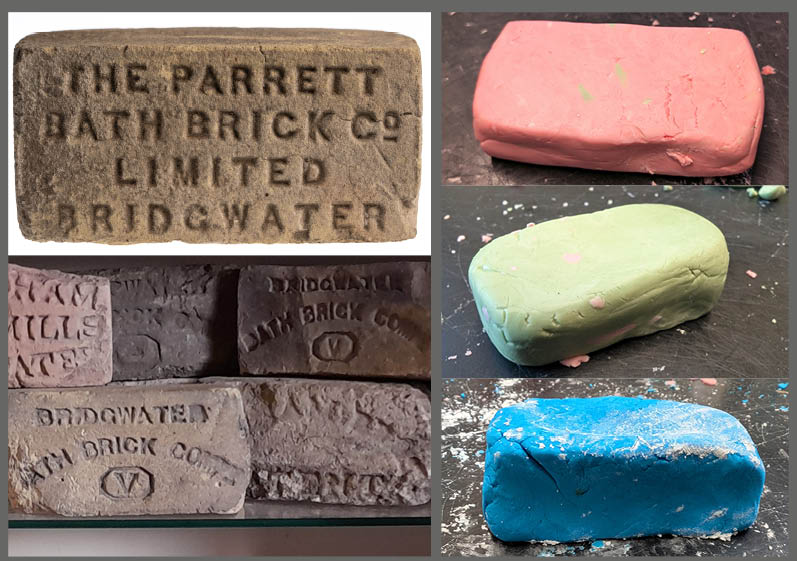
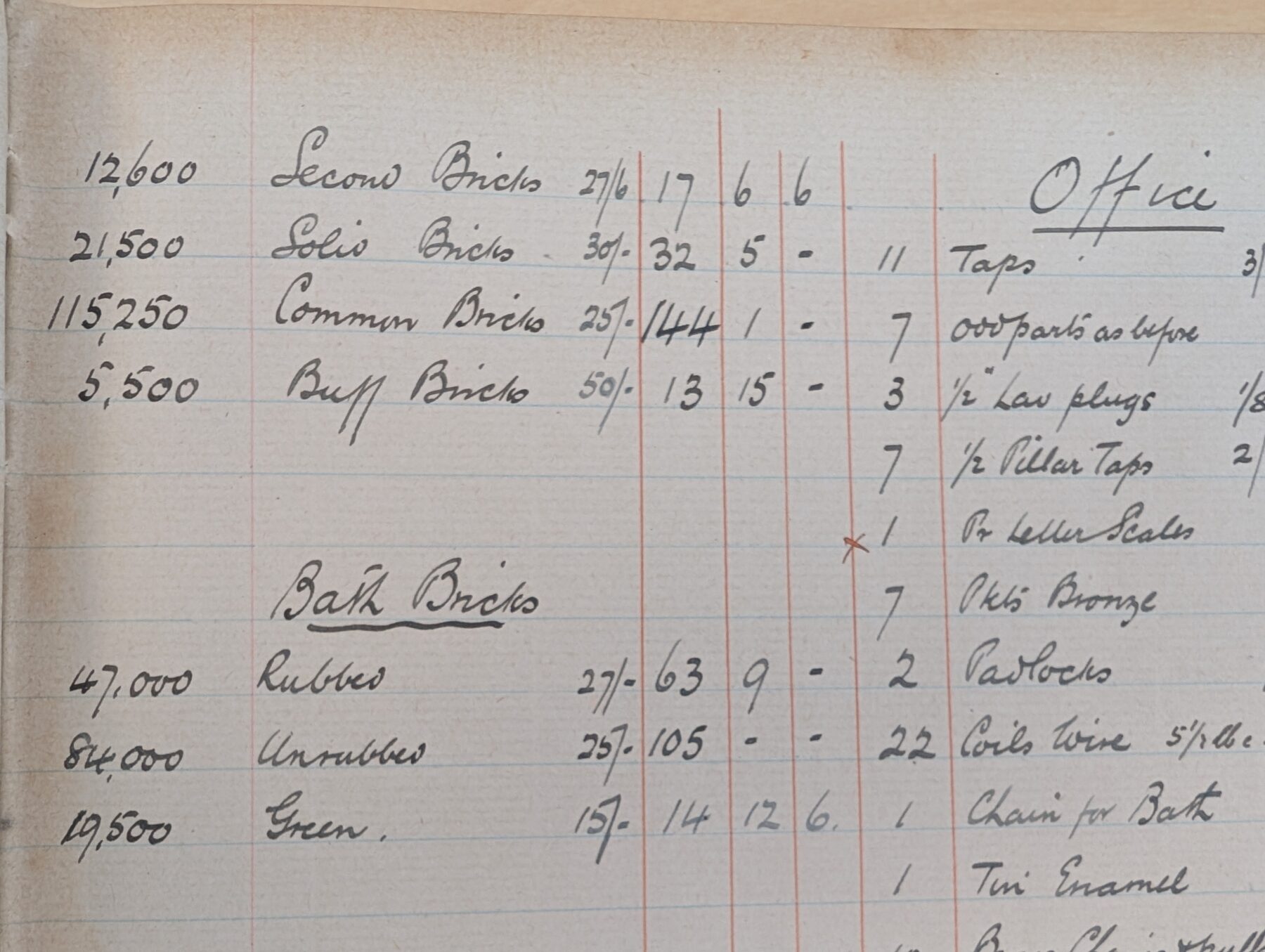
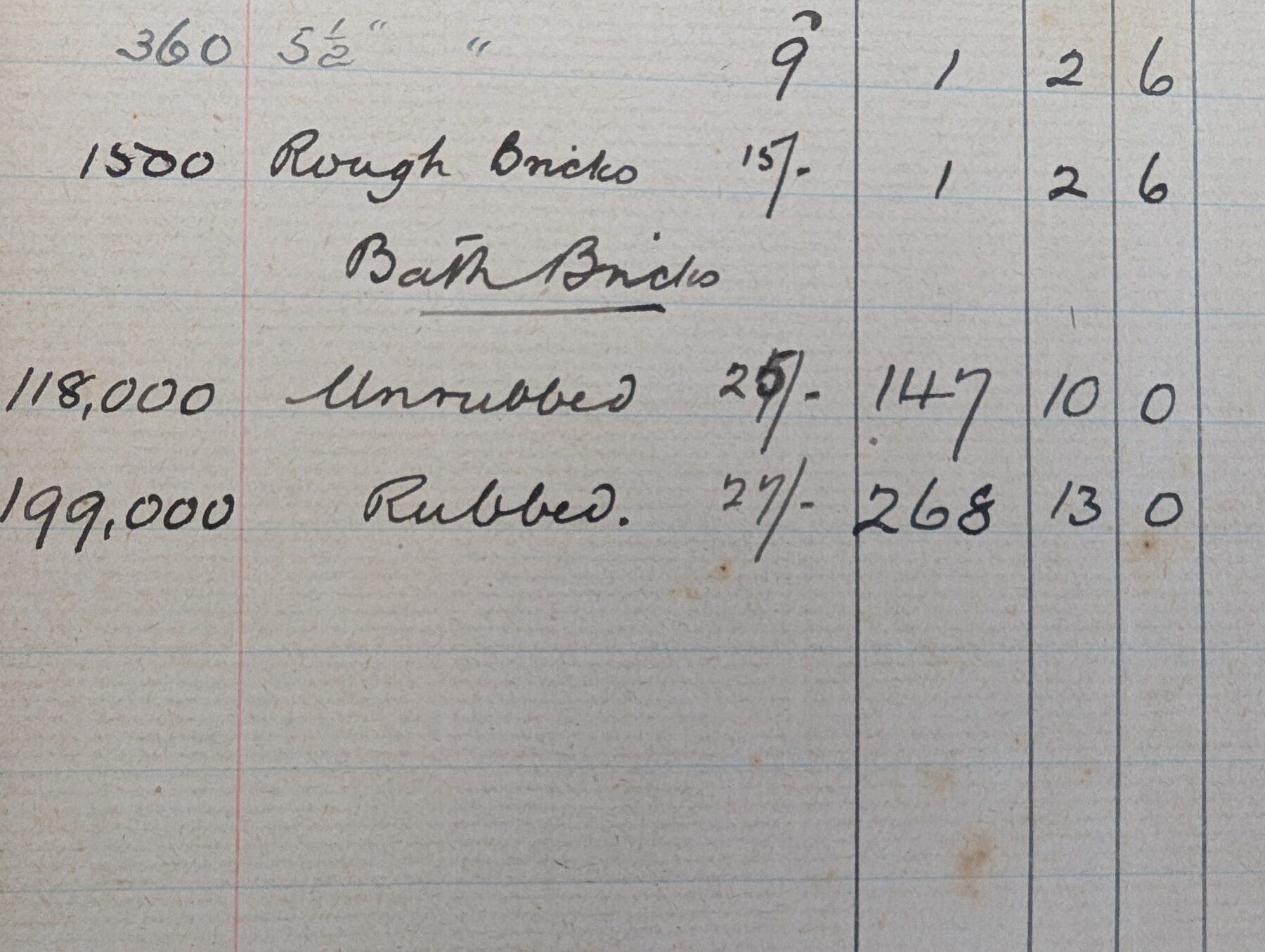
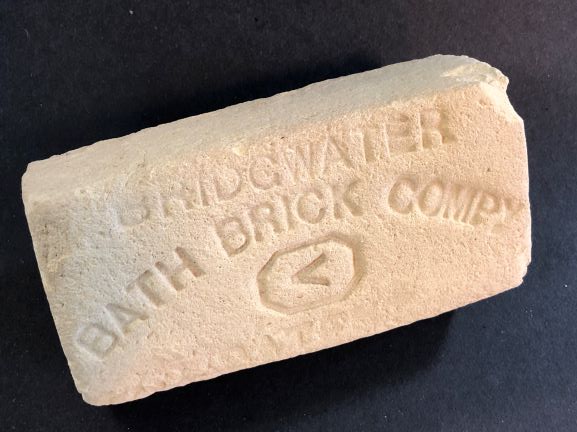
Unlike conventional building bricks, Bath Bricks – also known as Patent Scouring or Flanders Bricks – were early cleaning tools, the predecessors of modern scouring pads. Used primarily for polishing silverware, they were once a household essential before the invention of stainless steel. Patented in 1823 by John Browne and William Champion, Bath Bricks were unique to Bridgwater and made using a specific kind of river silt found only in the River Parrett. By the 1890s, Bridgwater was producing 24 million bricks a year and exporting them worldwide.
From River Silt to Cleaning Tool
The key ingredient in Bath Brick production was river silt deposited by the tidal flows of the River Parrett. This special sediment was only gathered in a two-mile stretch around Bridgwater’s Town Bridge, making the material both rare and highly localised.
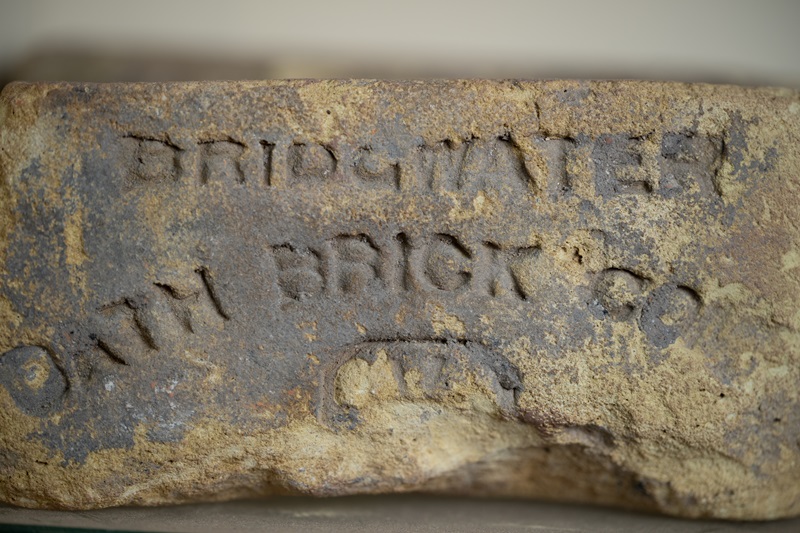
Silt was collected and stored all year-round and processed in the summer by first being mixed in horse-powered or steam-powered pugmills. The bricks were then formed by hand into balls, in a process called ‘obstriking’, and were finally moulded into a brick shape and stamped with a company’s name.
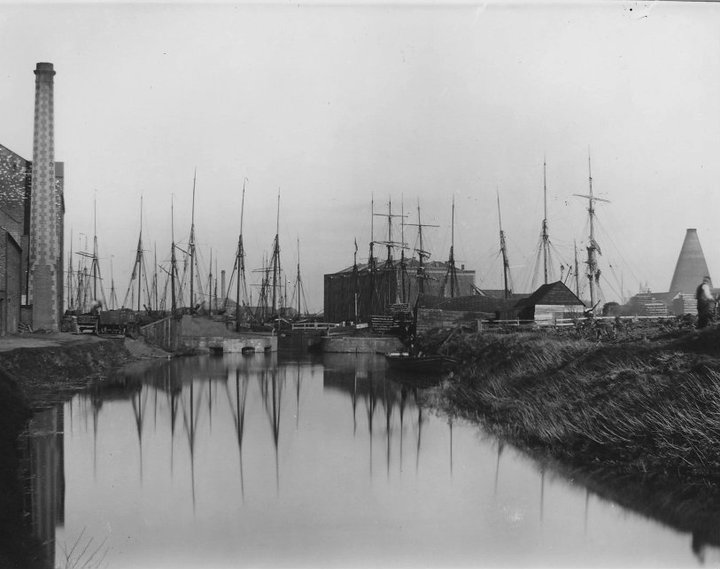
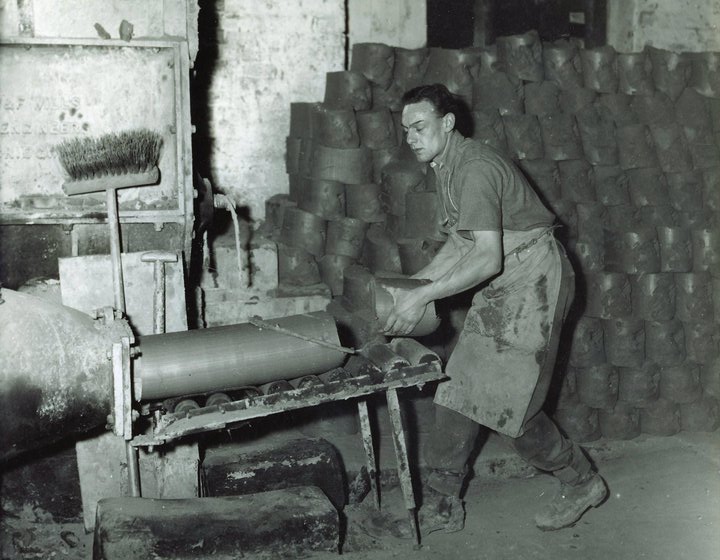
Once the bricks had dried in sheds or ‘hacks’, they were lightly fired in coal-fuelled kilns – just like Somerset Brick and Tile’s kiln – at just the right temperature – between 500°C – 600°C. After firing, the bricks were trimmed and wrapped in paper, ready for shipping. The excess powder from trimming was sold separately as a scouring powder, so nothing was wasted. Unusually for this time, both women and men were employed in this labour-intensive process of producing Bath Bricks, from silt collection to the brick’s completion.
A Bath Brick was used either whole or in powder form; a piece could be grated off and mixed with water to create a paste which was then applied to polish metal cutlery. Its usefulness was such that soldiers of the First World War even took the powdered form in cannisters with them to war.
The Decline of the Bath Brick
Bath Brick manufacture was a cornerstone of Bridgwater’s economy for well over a century. However, as the 20th century progressed, the brick’s popularity waned due to the arrival of cheaper, less abrasive chemical cleaning products that dominated the market. By 1939, the Bath Brick industry had almost completely vanished, eventually dwindling to just a few manufacturers in Bridgwater in the 1960s.
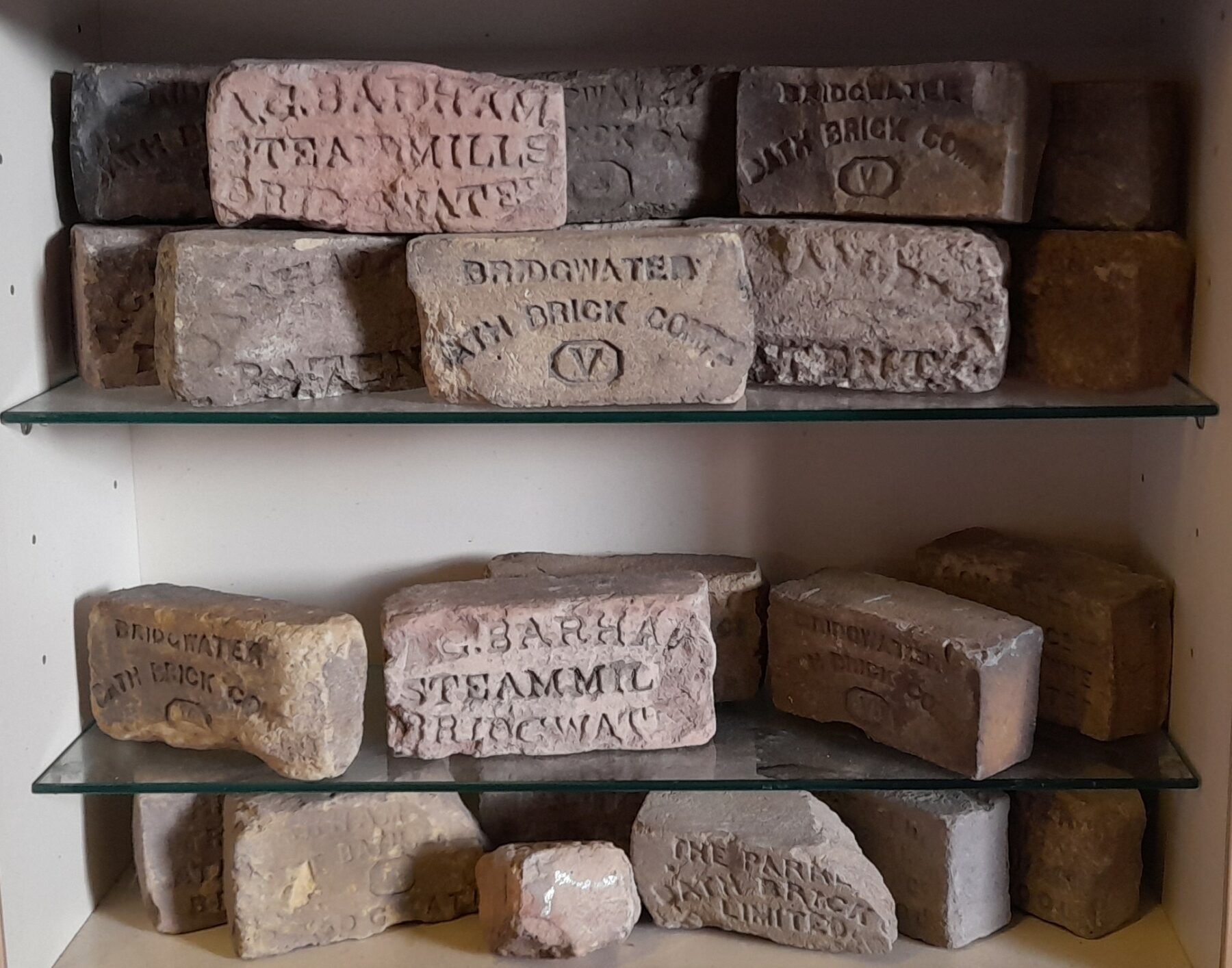
Though no longer used for household cleaning, Bath Bricks remain a testament to the ingenuity of Bridgwater’s industrial age. Examples of the Bath Brick can be found at Somerset Brick and Tile Museum, Bridgwater.
Want to Know More?
- Visit the Museum, open on Tuesdays, 10.00 am – 4.00 pm
- Browse our What’s On pages for all our events, clay-play days and adult workshops.
- Book a group tour or workshop to bring life to the fascinating process of brick and tile making.
- Book a Pottery Party to enjoy clay with friends and family, parties are available for adults and children.
Try at Home
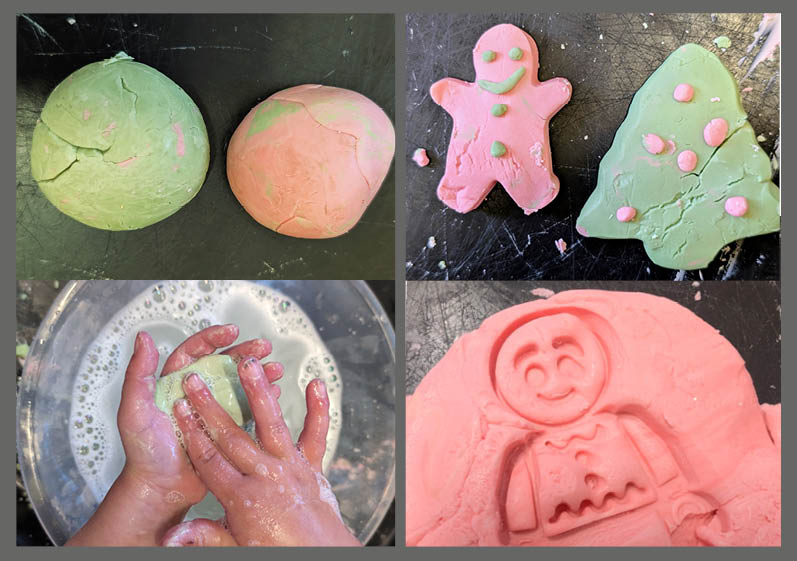
Try our child-friendly, bath-time soap dough recipe and make your own ‘Bath Brick’, or have fun making lots of different shapes with it before it turns to bubbles in the bath. It’s fun playdough-like soap for bath-time fun.