
Discover Somerset’s Industrial Heritage
The Somerset Brick and Tile Museum has recently launched tailor-made museum experiences for groups. These tours, tile demonstrations or clay workshops are a unique way to enrich your visit and learn about this aspect of Somerset’s industrial heritage.
A Glimpse into History
The Somerset Brick and Tile museum preserves the local legacy of brick and tile making, an industry that once flourished across Somerset in the 19th and early 20th centuries.
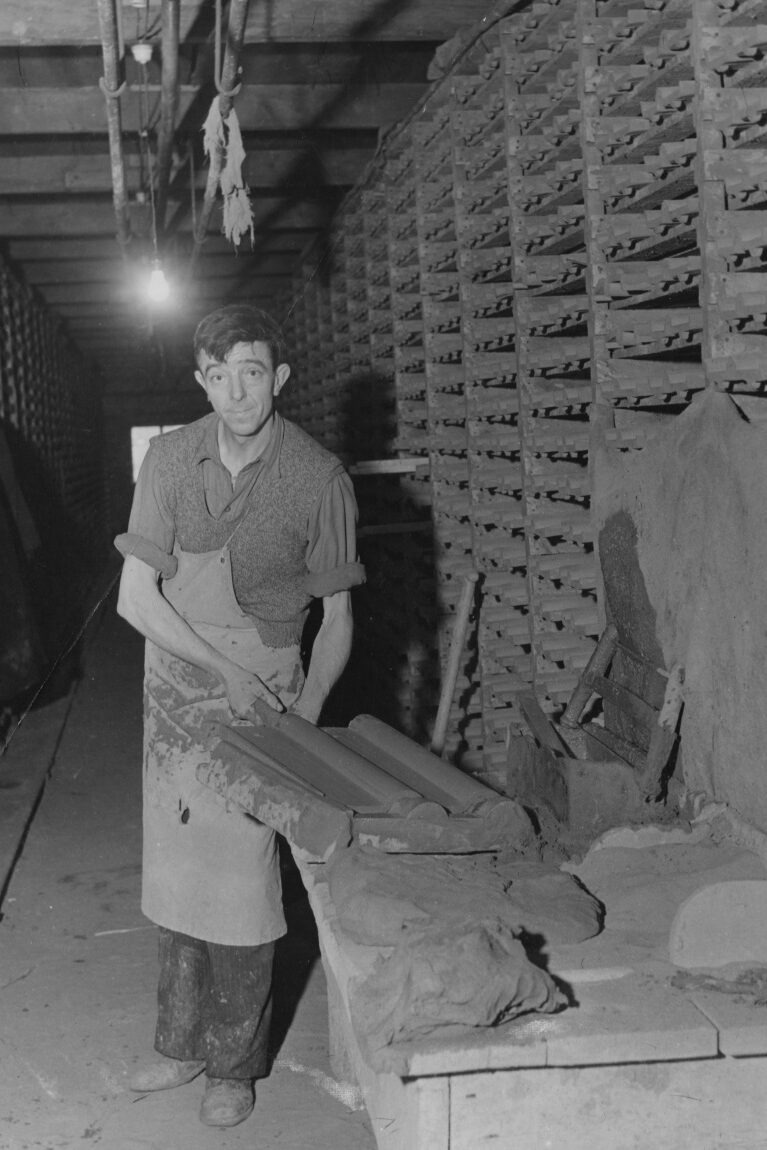
Prior to permanent brick yards, bricks would have been made by a journeyman brick-maker who travelled to the site where the bricks were to be used. He would then fire them in a brick clamp, made of piles of bricks with layers of fuel and covered by clay. The making of clay bricks by hand or in small batches is now an endangered craft.
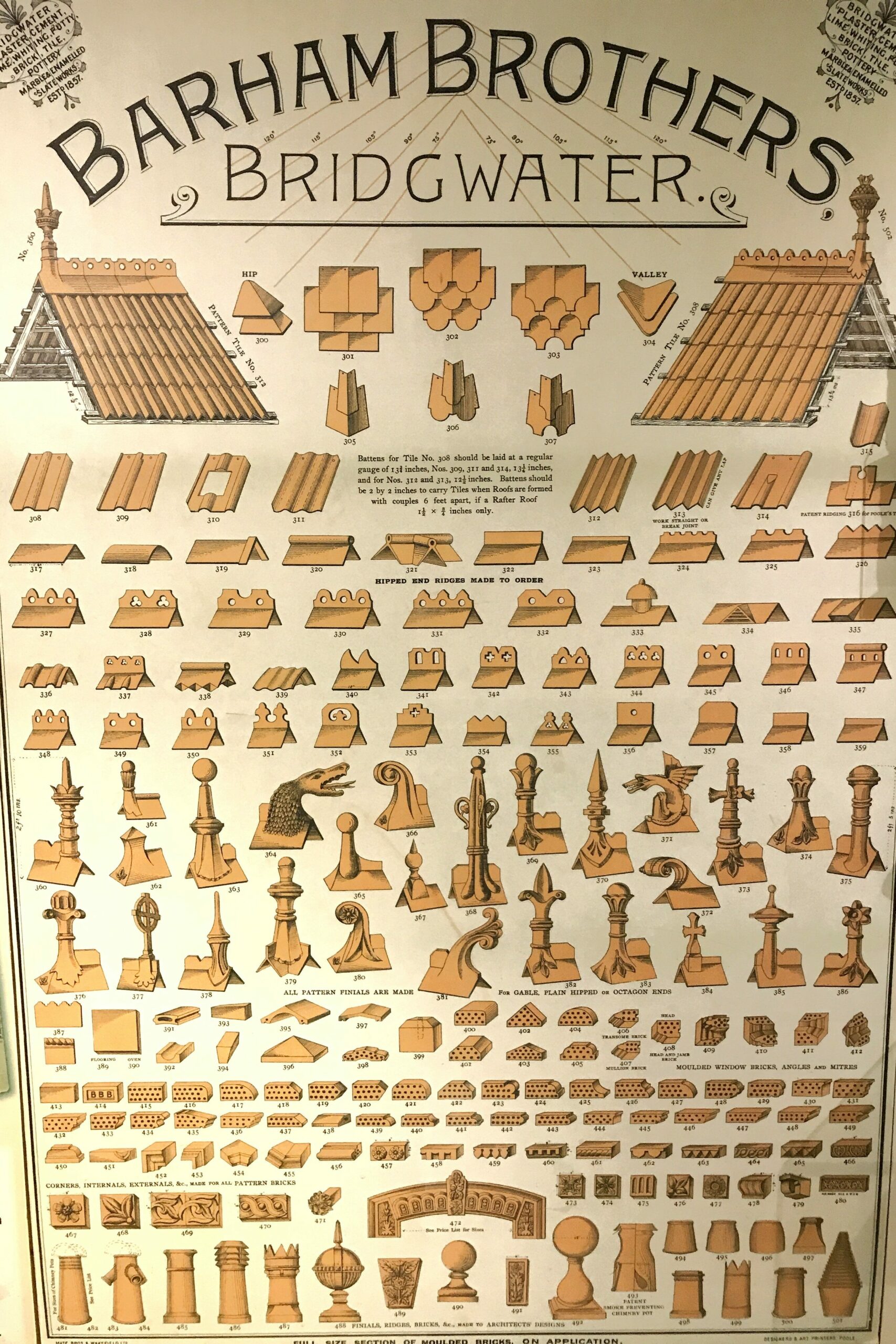
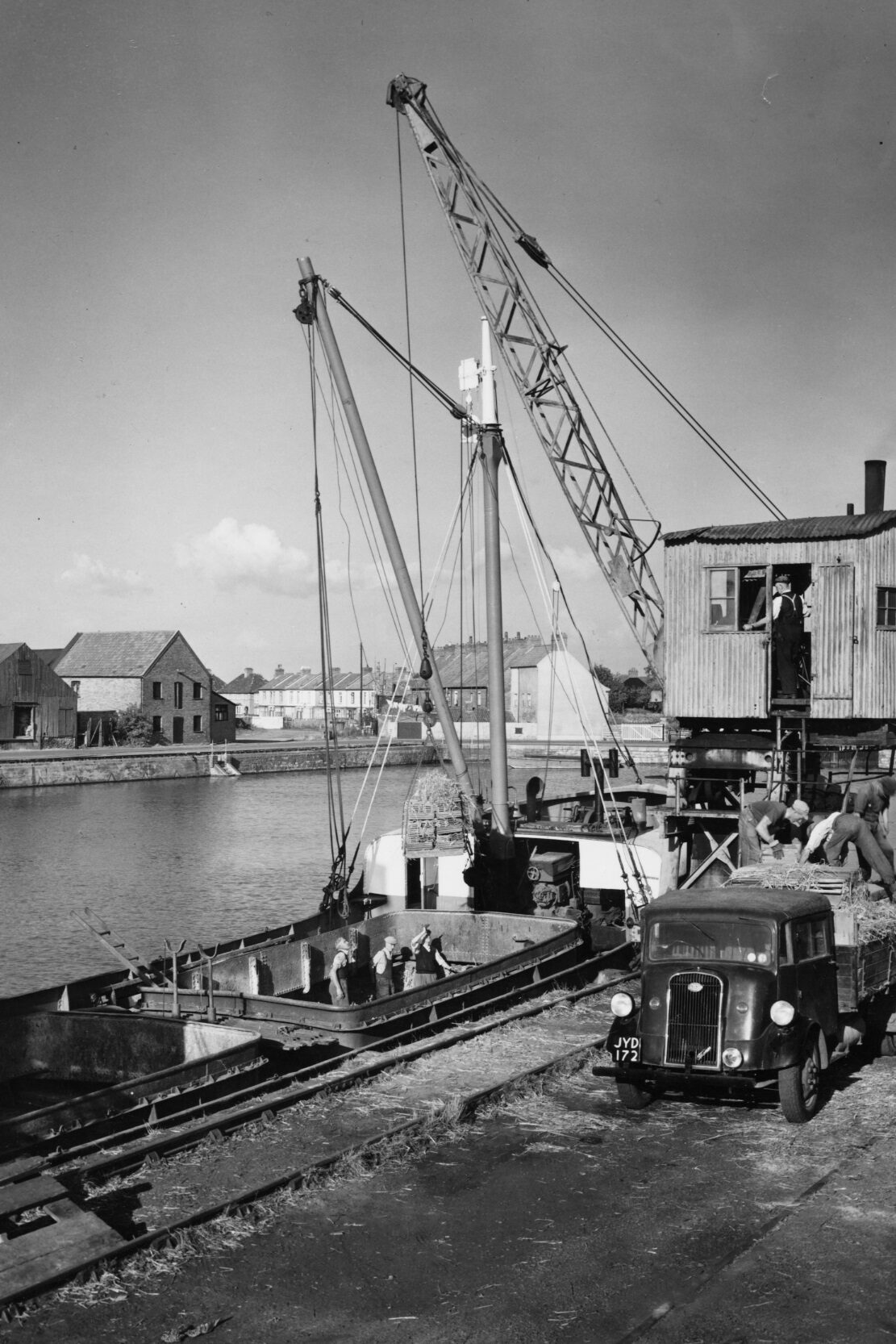
For nearly 200 years, brick kilns flourished across Somerset, fuelled by the Industrial Revolution. At its peak, Bridgwater boasted 16 brickworks within two miles of the town bridge. Barham Brothers brickworks (the site of the Museum today) had 6 kilns, and was established in the 1850s. It was strategically positioned near major transport routes. A horse-drawn tramway carried products to ships waiting in the River Parrett, while a light railway linked the site to the Bridgwater Docks and the main rail line.
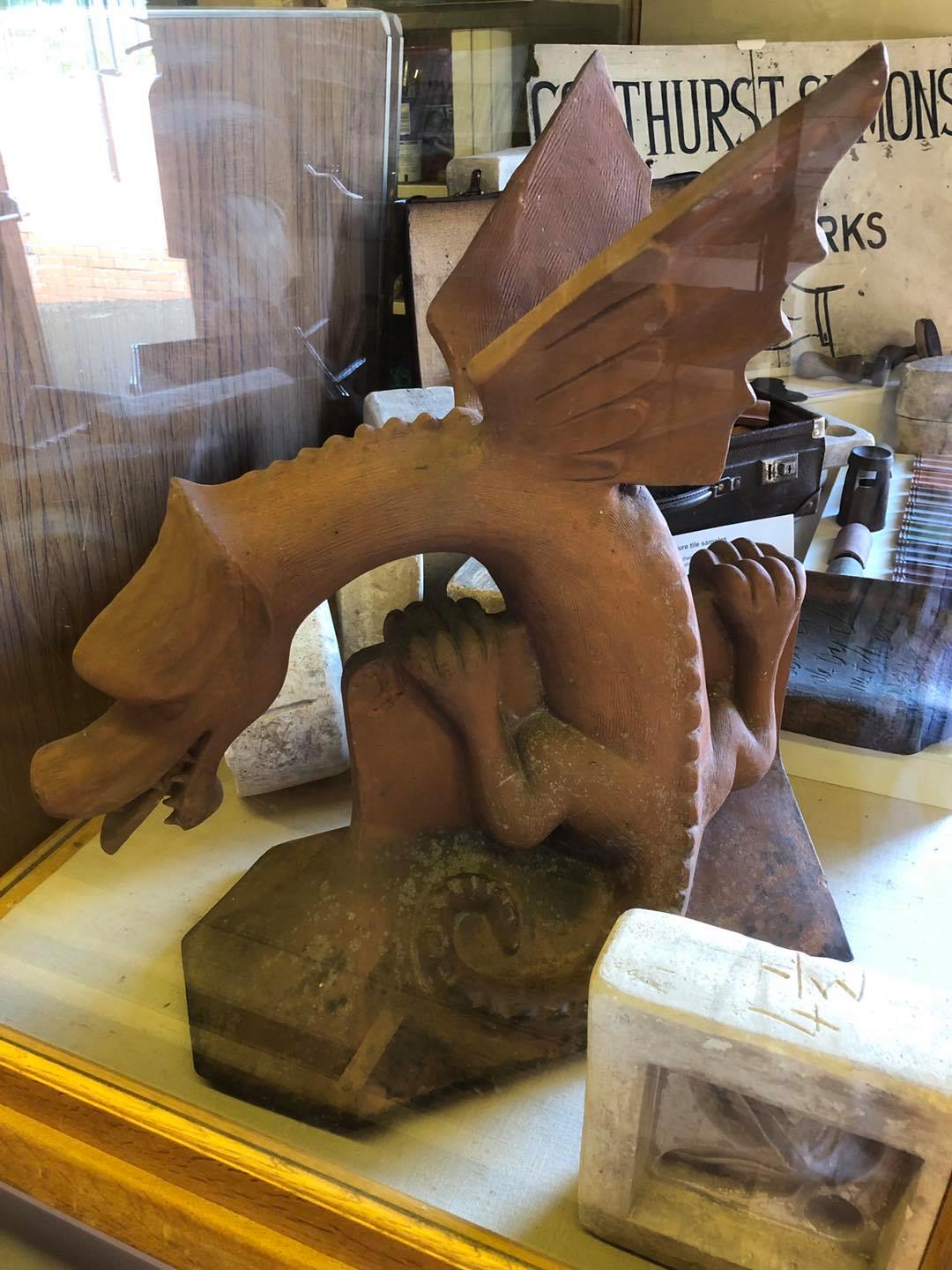
The Somerset brickworks of the later nineteenth century produced ornate chimneys, roof tiles and finials for the new Victorian villas being built. Tiles, rhubarb forcers, jardinières, were also available for decorating gardens. The brick and tile manufacturers offered a wide variety of designs, glazed in a variety of colours.
The industry thrived until the 1960s. The lack of workforce from the First World War, combined with mass production and cheaper alternative materials led to its decline.
The Museum Today
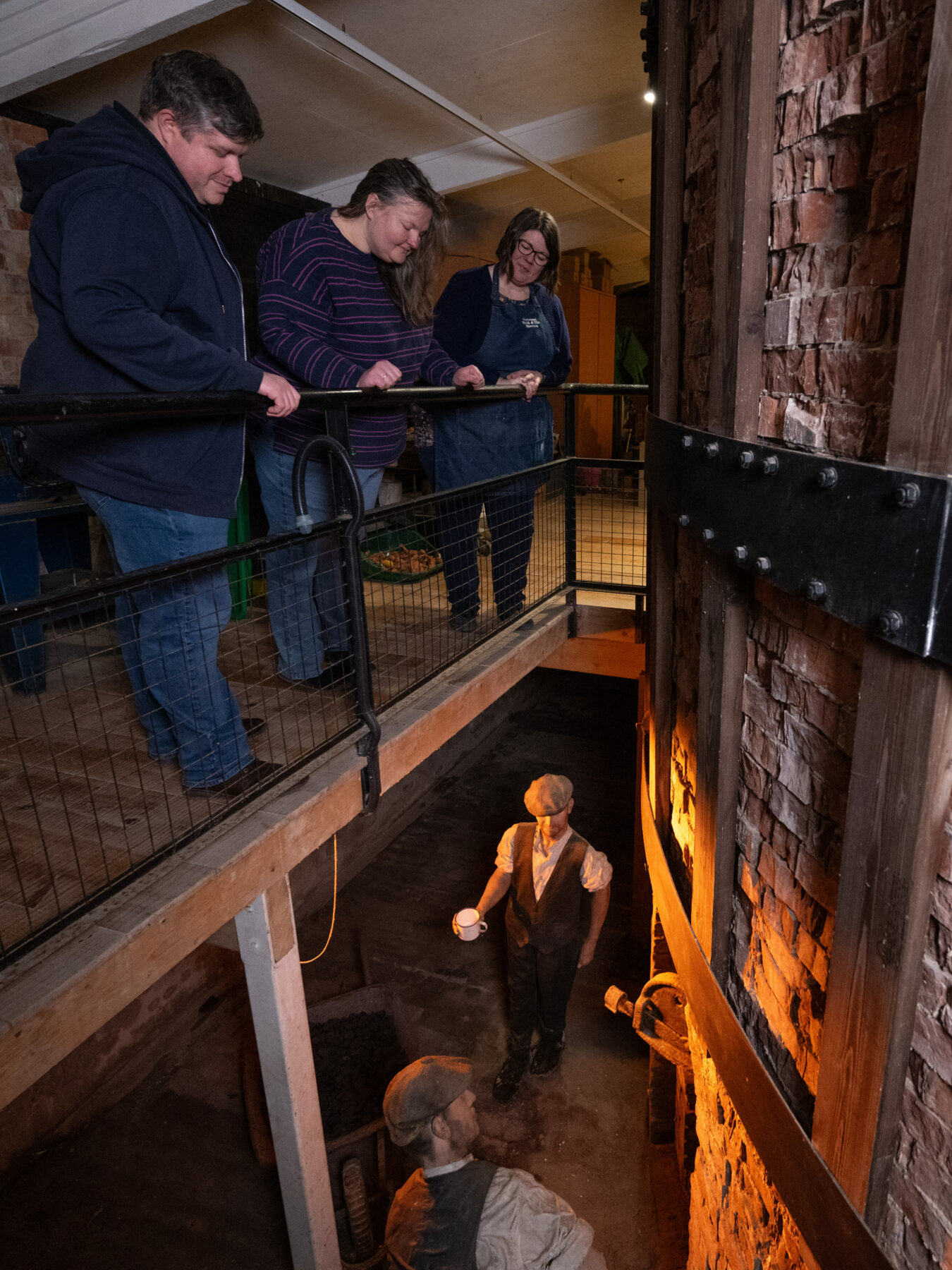
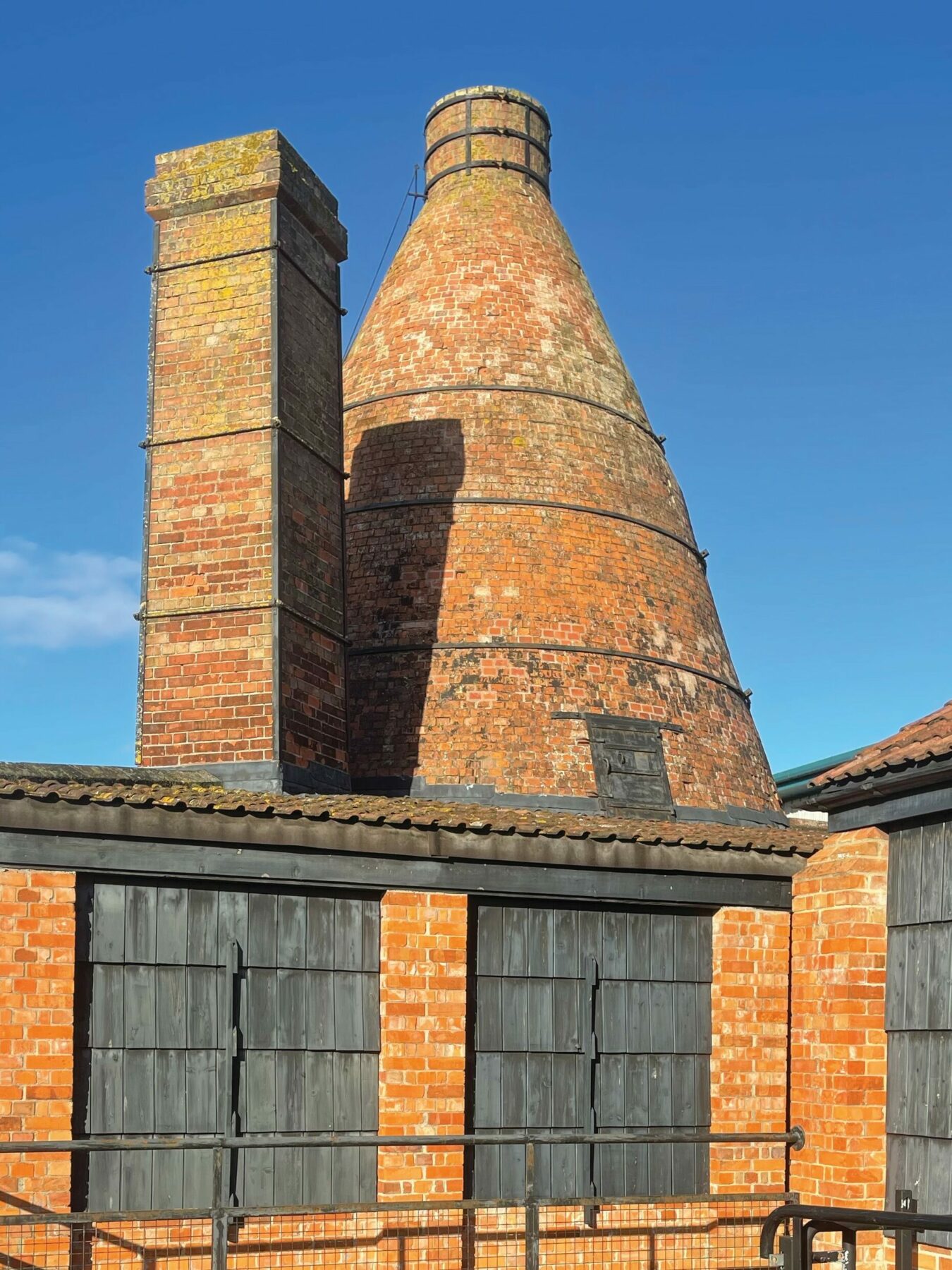
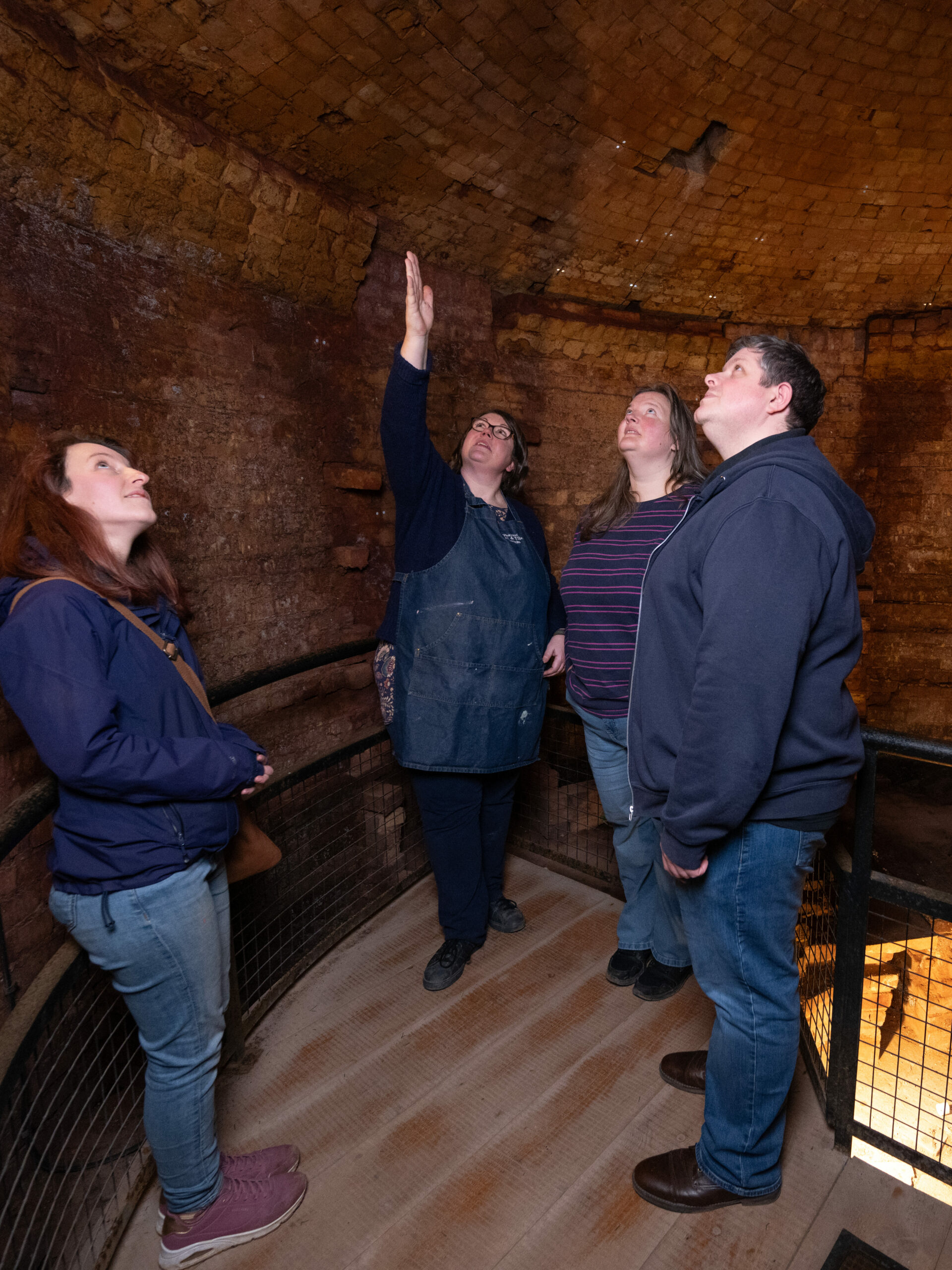
The Somerset Brick and Tile Museum is on the site of Barham Brothers brick works and has the last remaining bottle brick kiln in Somerset, locally known as a pinnacle kiln.
The kiln is the only surviving kiln in the Bridgwater area. It was last fired in 1965, the year that the works closed. The kiln is now a Scheduled Ancient Monument, saved from dereliction in the 1990s when it became a museum.
Get Hands-On
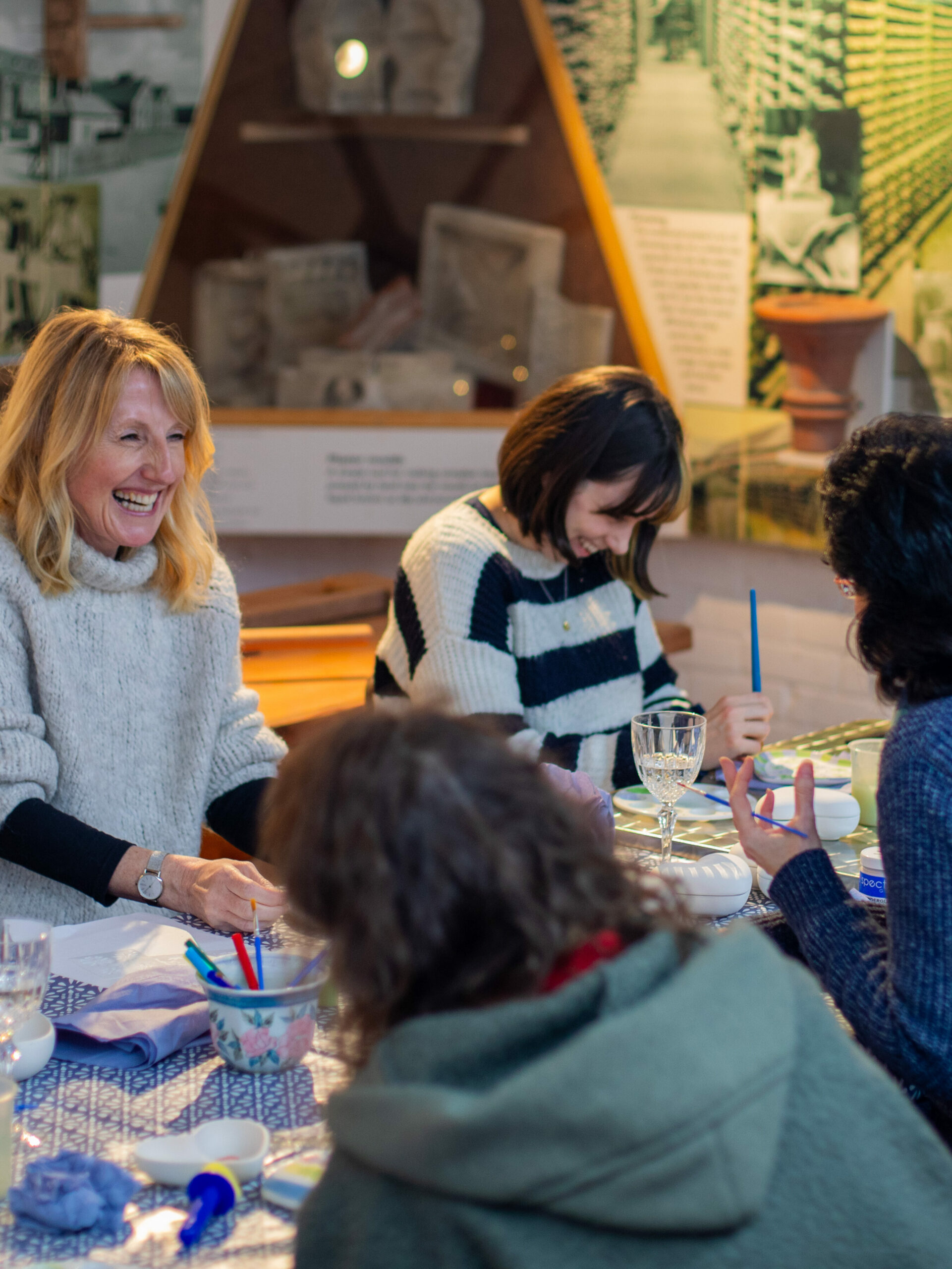
The Somerset Brick and Tile Museum now has customisable Group Experiences, offering visitors a unique opportunity to explore the rich history of Somerset’s brick and tile industry through tailor-made tours, hands-on clay workshops, and engaging tile demonstrations. These experiences for groups promise an enriching and memorable visit.
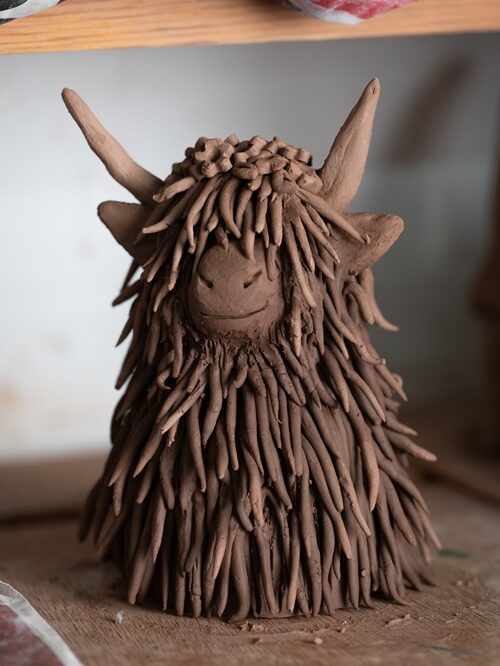
Adult groups of 10 or more can enjoy a hands-on clay workshop, crafting anything from simple yet charming clay creations, such as animal ornaments or coasters, to more intricate designs like bird feeders.
For those keen to delve into Bridgwater’s industrial heritage, expert museum guides lead bespoke tours, providing fascinating insights into the town’s history as a hub of brick and tile production. Groups can also enhance their visit with an optional tile-making demonstration or clay craft session, bringing the past to life in an interactive way.
Whether exploring Somerset’s industrial past or getting hands-on with clay craft, the Somerset Brick and Tile Museum’s new Group Experiences offer a fascinating way to engage with local heritage.
What to Know More?
- Book a unique, hands-on workshop to bring life to the fascinating process of brick and tile making.
- Learn about the history of Bridgwater’s industrial brick and tile heritage from knowledgeable guides. Book a customisable tour with an optional clay craft or tile-making demonstration.