
Preserving the Past: How Vinegar Syndrome Threatens the Isca Collection
In our second blog post Isca Project Officer, Kitty Vega, and the Trust’s Senior Conservator, Jenny Barnard, take you into the Devon Archive’s strongrooms to uncover a fragile battle: one that archivists rarely speak about outside preservation circles. But for the team behind the Isca Collection, the fight against Vinegar Syndrome is very real – and urgent.
A Glimpse into the Isca Collection
Formally acquired by the Trust in 2022, the Isca Collection represents a visually rich slice of our collective past. It’s a diverse archive of historical formats – from nitrate and acetate negatives to glass plates, black and white and colour prints, slides, albums and carefully compiled volumes. Every item contributes to the cultural memory we’re working so hard to safeguard.
But among the thousands of pieces, one sub-collection has sparked serious conservation concerns: the photographic film negatives of Henry Wykes.


What Is Vinegar Syndrome?
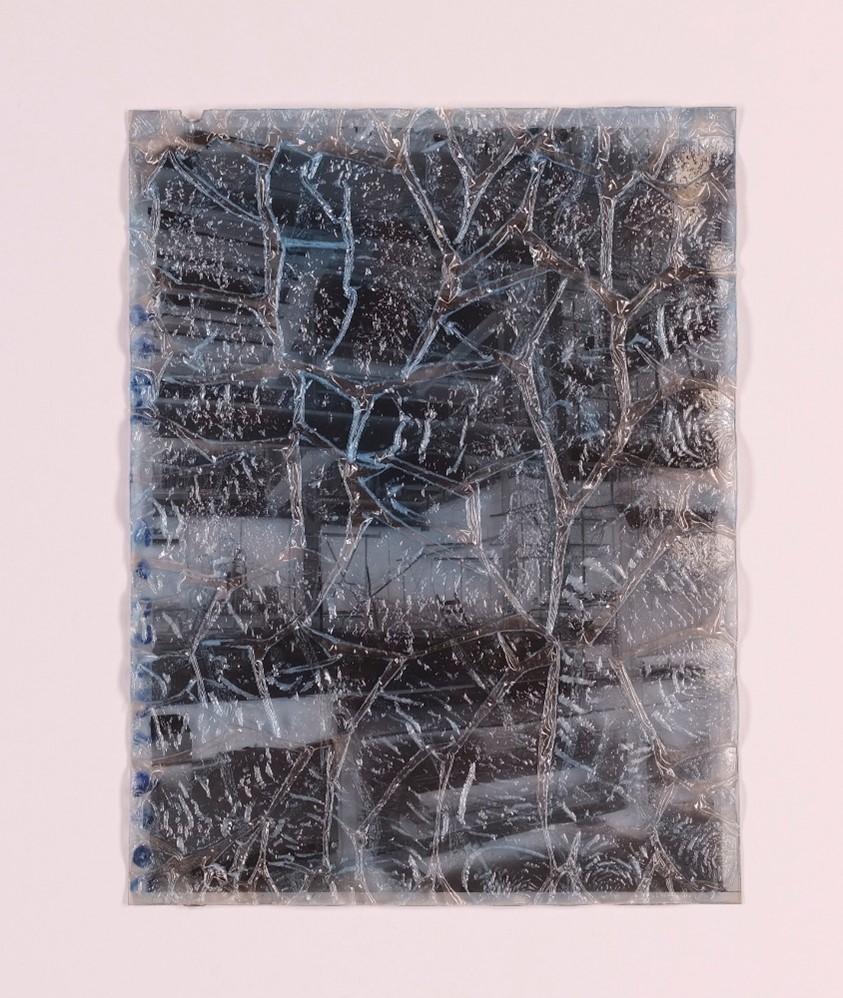
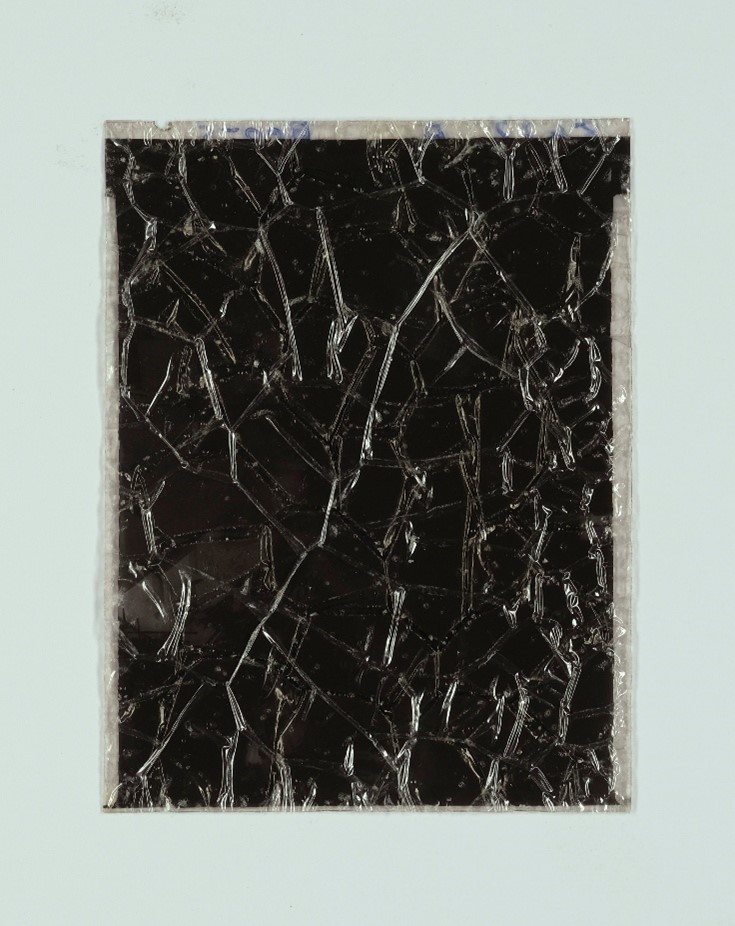
Vinegar Syndrome is a chemical degradation process that affects acetate film. As the cellulose acetate base begins to break down, it releases acetic acid – the same acid that gives vinegar its pungent smell. The result? A distinctive odour, curling, shrinking, brittleness, fogging, and ultimately, the loss of the image.
The Science:
- Acetate film is two-layered:
• A gelatin emulsion holds the silver-based image.
• A cellulose acetate support gives it form. - As the acetate degrades, it releases acetic acid (think – a very strong rotten vinegar aroma).
- That acid speeds up its own breakdown – a runaway chemical reaction.
- The support layer shrinks and turns brittle while the emulsion stays the same size, forcing it to crease and “channel.”
- Once it starts, there’s no turning back – these negatives are on the clock.
If you’ve never heard of it before, you’re not alone. But in archives and film vaults, it’s one of the most feared words in preservation.
A Troubling Discovery
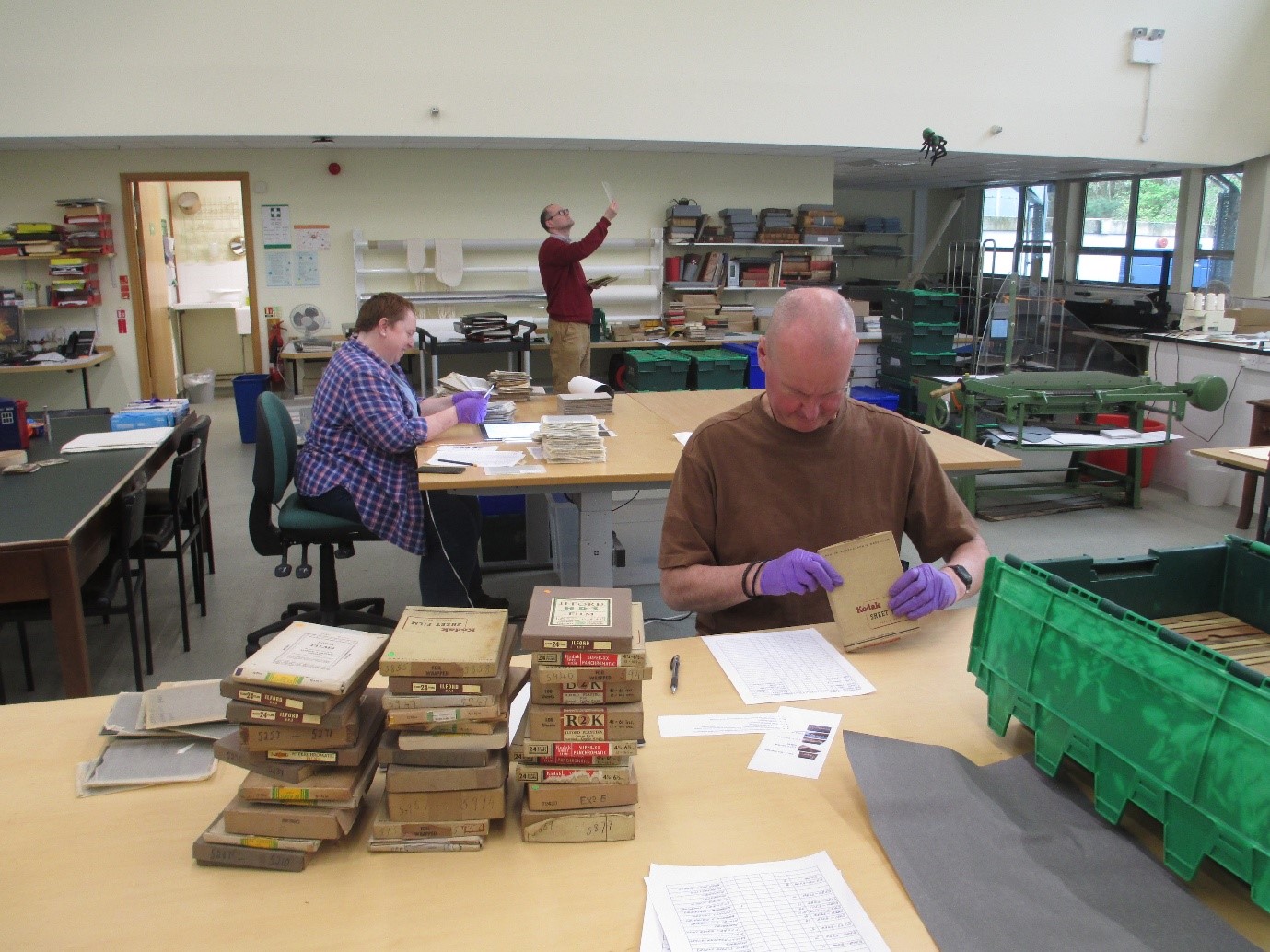
In March 2024, Jenny conducted an in-depth conservation survey of the Isca Collection. What she found was alarming: approximately 24,000 acetate negatives – largely the work of Henry Wykes – are suffering from Vinegar Syndrome, and the deterioration is accelerating. These negatives aren’t just photographs; they’re a visual legacy. Without intervention, a significant portion of the Isca Collection could be lost potentially erasing decades of historical documentation
Next Steps
Because of the current condition of these negatives, it means that it is impossible for members of the public and researchers to access them, both for their own safety and for the long-term preservation of the photographic material. Prolonged exposure to acetic acid can be detrimental to health, and handling the brittle negatives can result in damage to the gelatine emulsion, risking permanent loss of the image.
Thankfully, with National Lottery Heritage Fund support, the Trust is partnering with a specialist conservation company to digitise all 24,000 acetate negatives in the coming months. This crucial work will preserve Henry Wykes’s legacy and open up the Isca Collection for everyone to access.
Stay tuned for behind-the-scenes looks at our digitisation process and opportunities to explore these images online.
Acknowledgments
Thanks to National Lottery players

The Isca Photographic Collection project is made possible with The National Lottery Heritage Fund. Thanks to National Lottery players, we have been able to preserve an irreplaceable record of twentieth-century Exeter.
The project builds on the foundational work of historian and photographer Peter Thomas who created the Isca collection. It is supported by the Friends of Devon’s Archives.