

South West Heritage Trust and the archaeology behind Villa Ventorum at The Newt in Somerset
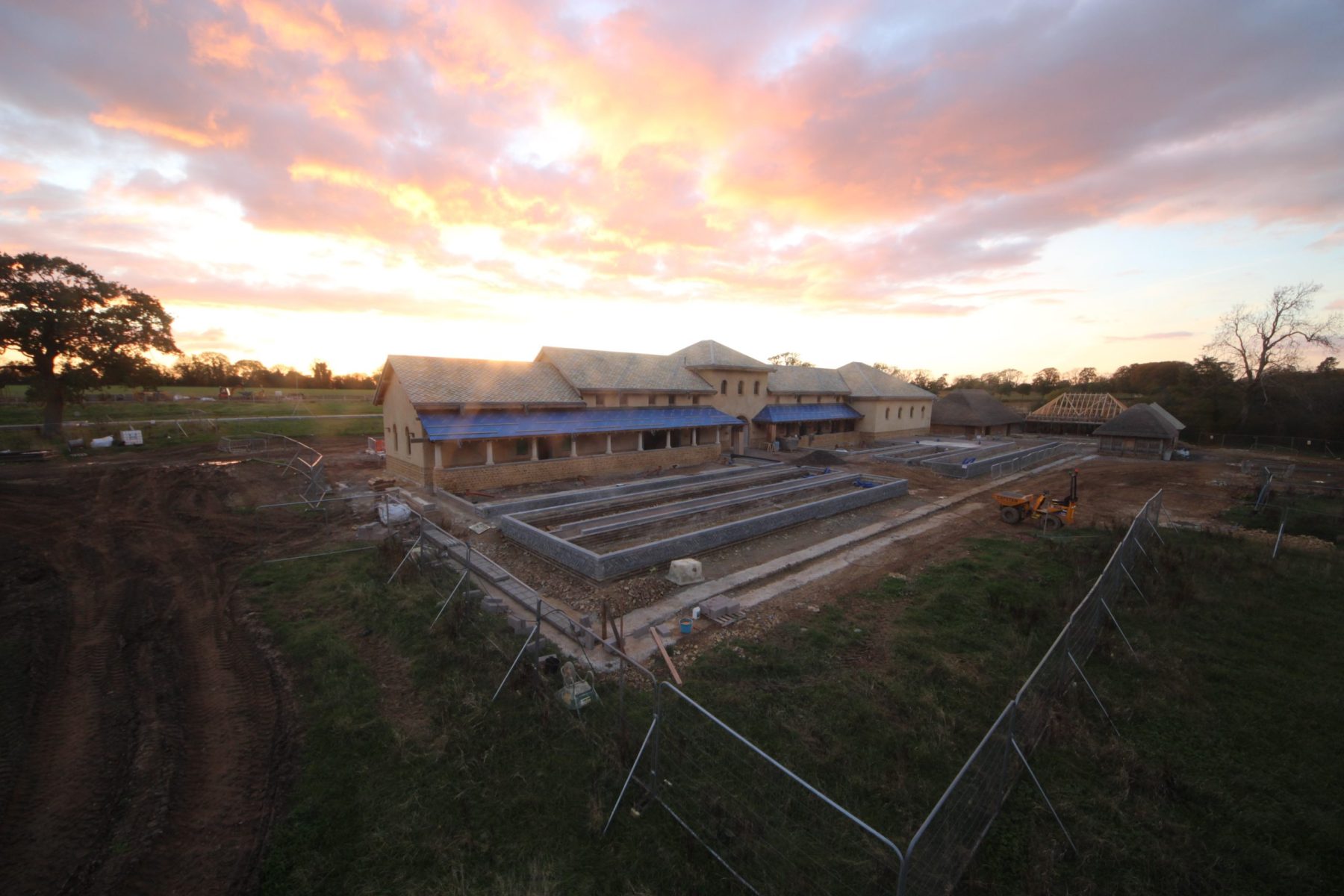
South West Heritage Trust played an important role in helping place Villa Ventorum at The Newt in Somerset within the wider story of Roman Somerset. Built around the excavated remains of the Hadspen Roman villa, also known as Cattle Hill Roman Villa, the project brought together evidence for a high-status Romano-British estate, including domestic rooms, mosaics, painted wall plaster, a bathhouse, farming activity and long-term occupation. Through its archaeological expertise and county-wide perspective, the Trust supported interpretation that connected the site’s discoveries with Somerset’s historic environment.
South West Heritage Trust’s role
The Trust’s role was to support the interpretation of the site, helping connect excavation results, finds and specialist research with the wider archaeology of Somerset. This partnership helped ensure that Villa Ventorum was presented not only as a reconstruction, but as an evidence-based public heritage project rooted in the county’s Roman past.
By drawing on knowledge of Somerset’s historic environment, South West Heritage Trust helped visitors understand why the Hadspen villa mattered: not simply as an isolated discovery, but as part of a wider Roman landscape of rural estates, agriculture, status and settlement.
Discovery and investigation
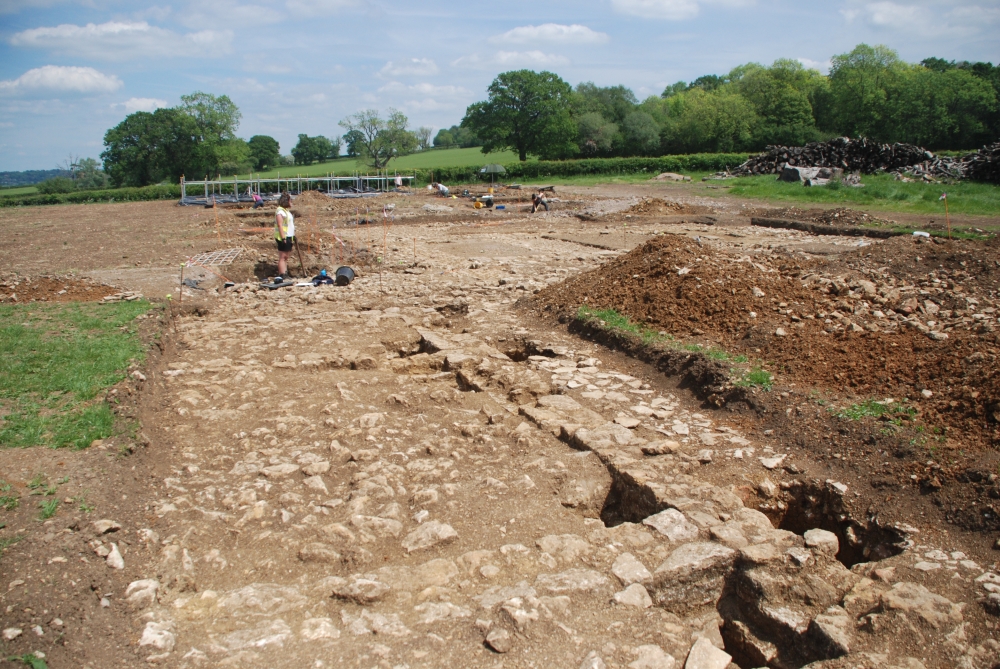
Roman remains were first recorded on the Hadspen estate in 1832. Later investigations confirmed the presence of a villa, and major archaeological work from 2015 onwards revealed a substantial estate complex. Excavations by Oxford Archaeology and Wessex Archaeology identified buildings, enclosures, a bathhouse and evidence for repeated alteration, occupation and eventual decline.
The villa developed over several centuries, from the Roman period into the early fifth century. Its scale, decoration and landscape setting suggest a wealthy rural estate linked to farming, status and the wider economy of Roman Somerset.
Finds and everyday life
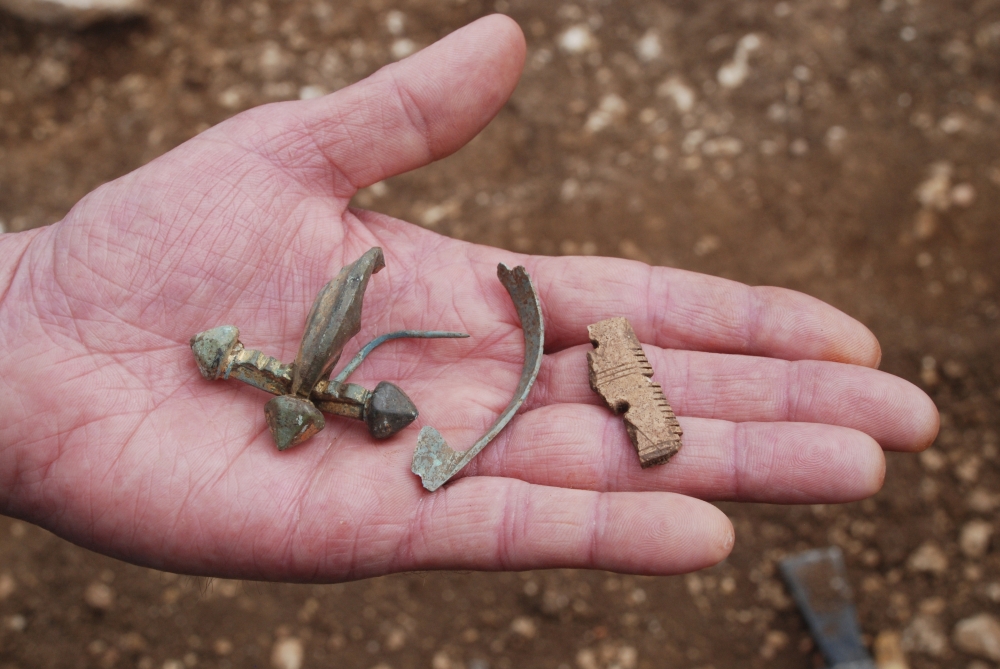
Finds from the site included pottery, coins, metalwork, nails, glass, worked bone, shale, painted plaster and building materials. These helped archaeologists understand how the villa was built, used and occupied, while environmental evidence showed that it was also a working agricultural estate.
People of the villa
The villa was home to a wider household of landowners or managers, workers, servants, craft specialists and others who supported the estate. A rare crossbow brooch and a nearby cemetery, including infant burials and an unusual adult female burial, provided personal glimpses of the people connected with the site.
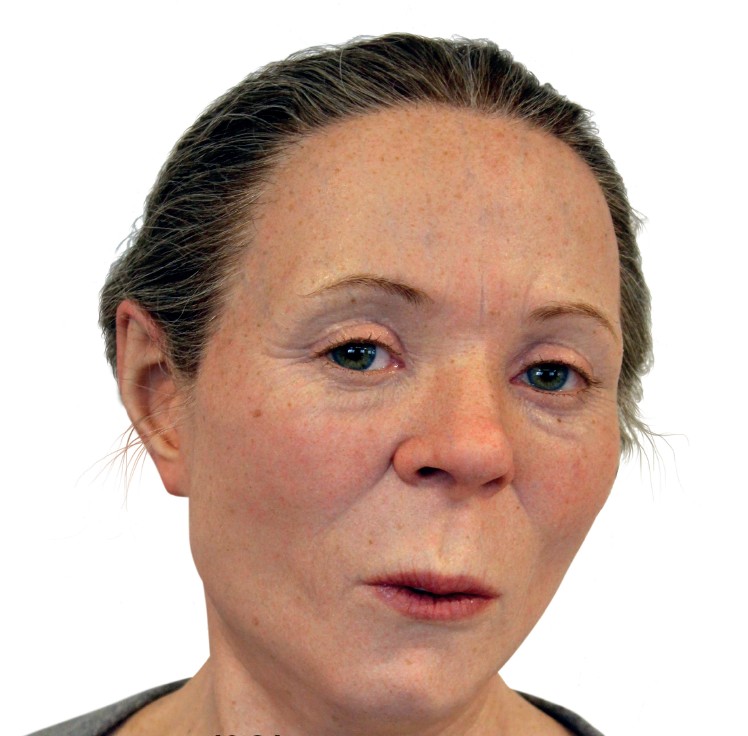
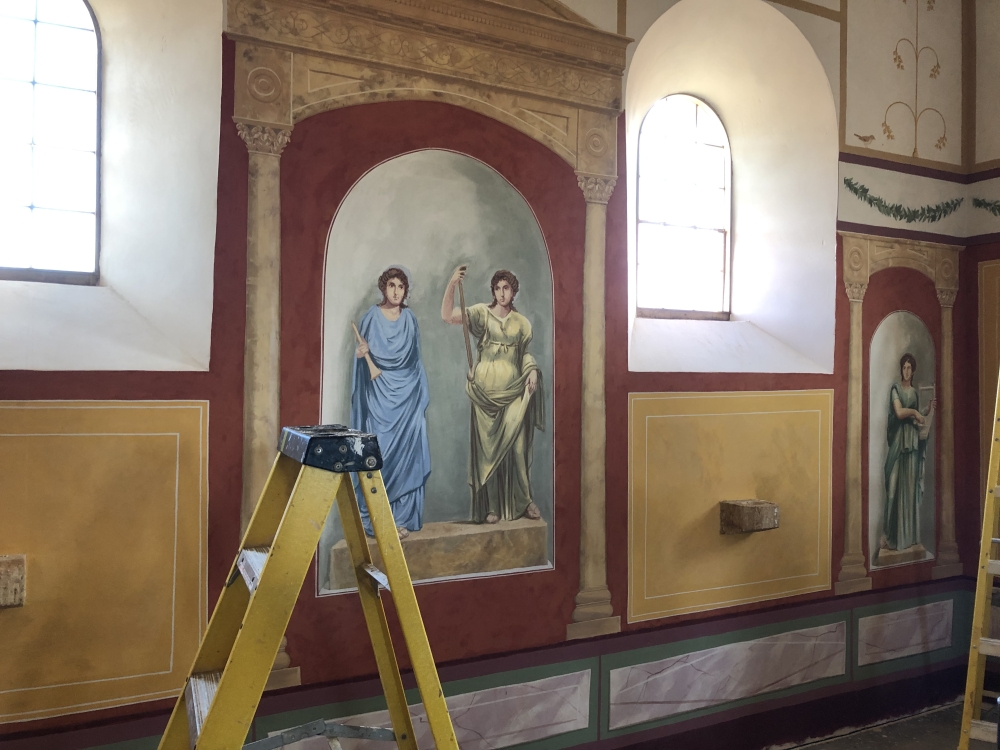
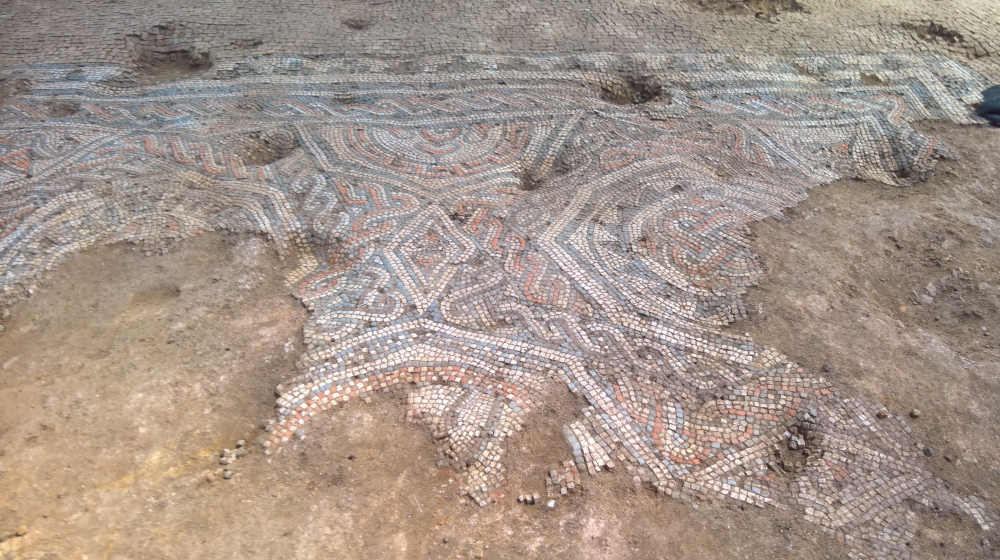
The villa’s mosaics, painted plaster and bathhouse showed investment in comfort, display and Roman-style living. South West Heritage Trust’s interpretive contribution helped link these striking remains to broader questions about wealth, identity and daily life in Roman Somerset. The original bathhouse remains were displayed within the museum, while the reconstructed villa helped visitors understand how the excavated evidence may have looked in use.
The bathhouse and the technology of comfort
The bathhouse was one of the clearest examples of how the project translated archaeological evidence into public understanding. By explaining the technology, layout and social meaning of bathing, the interpretation supported by South West Heritage Trust helped visitors see the villa as both an elite residence and a working estate shaped by Roman ideas of comfort and display.
Conclusion
Villa Ventorum showed how archaeological evidence could be transformed into public understanding. South West Heritage Trust’s role was central to that process: helping connect excavation, conservation, reconstruction and interpretation so the story of a Roman Somerset estate could be understood within the county’s broader historic landscape.