
ASSEMBLAGES
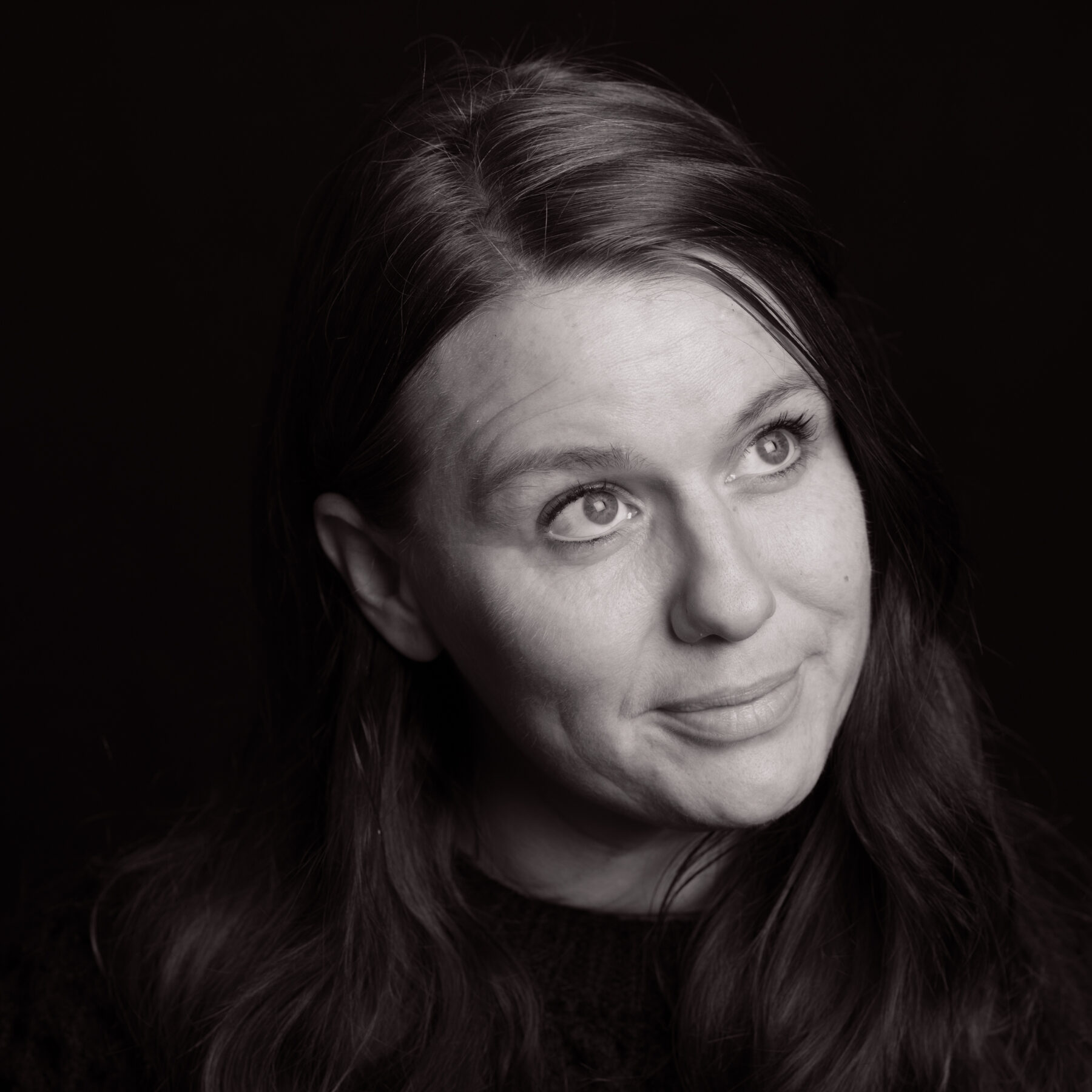
We facilitated a series of public creative sessions at Weston Museum, Weston Artspace and The Welcome Centre with the help of local visual artist Bev G Star, supporting walk-in participants to start making their assemblages. Bev was instrumental in helping us build connections with the participants and encouraging them to be creative and open with their work.
“I do believe that first part of the project was making people feel comfortable and able to unleash that creativity and break boundaries/build bridges into communities. Particularly with some language barriers of course, but I think creativity became the language towards the end of the sessions. We are exhibiting building connections and the positivity of creativity.” – Bev G Star.
To help inspire some thoughts around precious objects and how objects can tell a story, we took some objects relating to Weston from our stores at the Somerset Heritage Centre to share with participants. The gallery below describes these objects and shows some of the objects that participants brought along to sessions to show us.
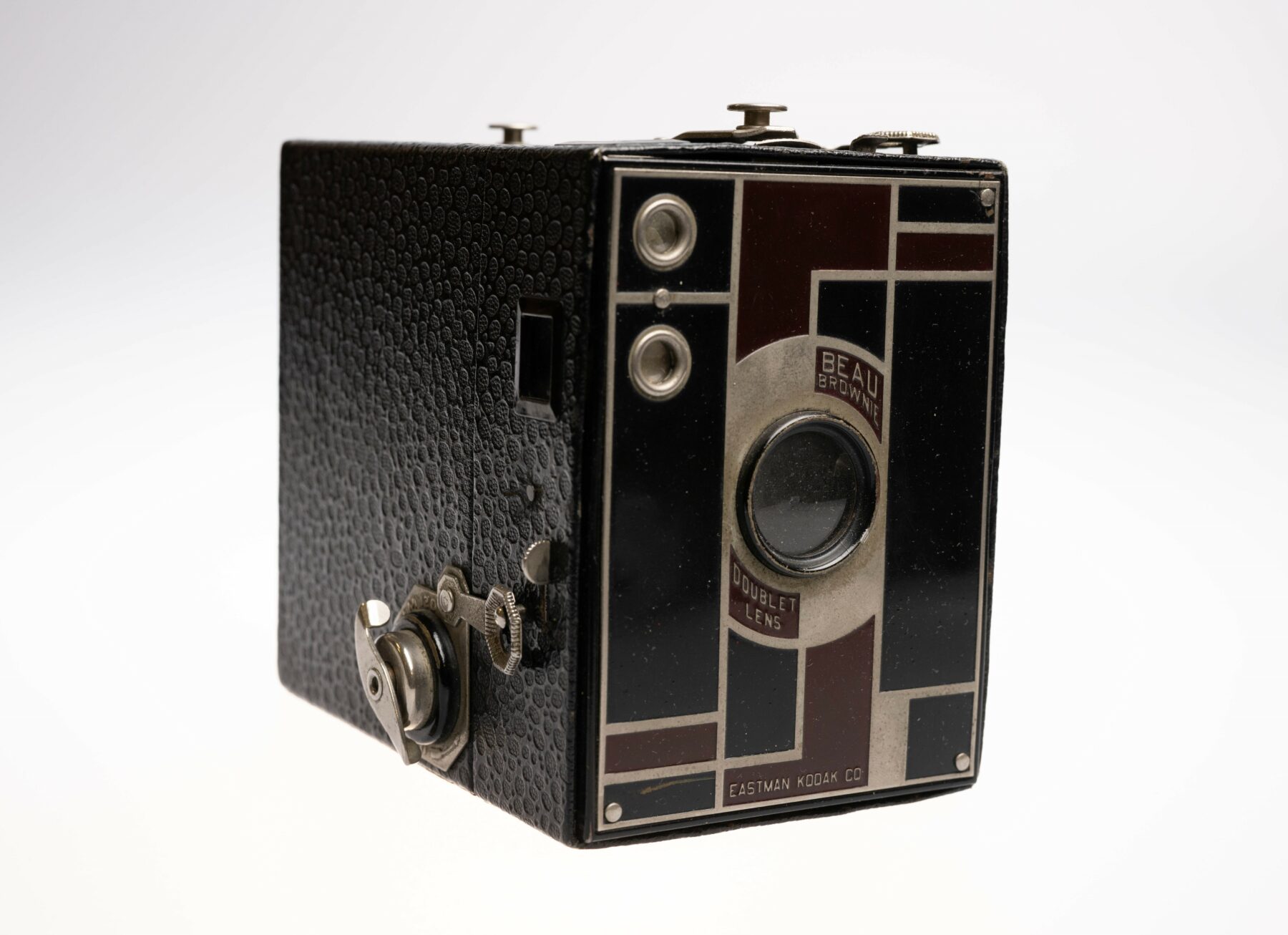
Box-type camera with an Art Deco facade made by designer Walter Dorwin Teague, produced from 1930-33.
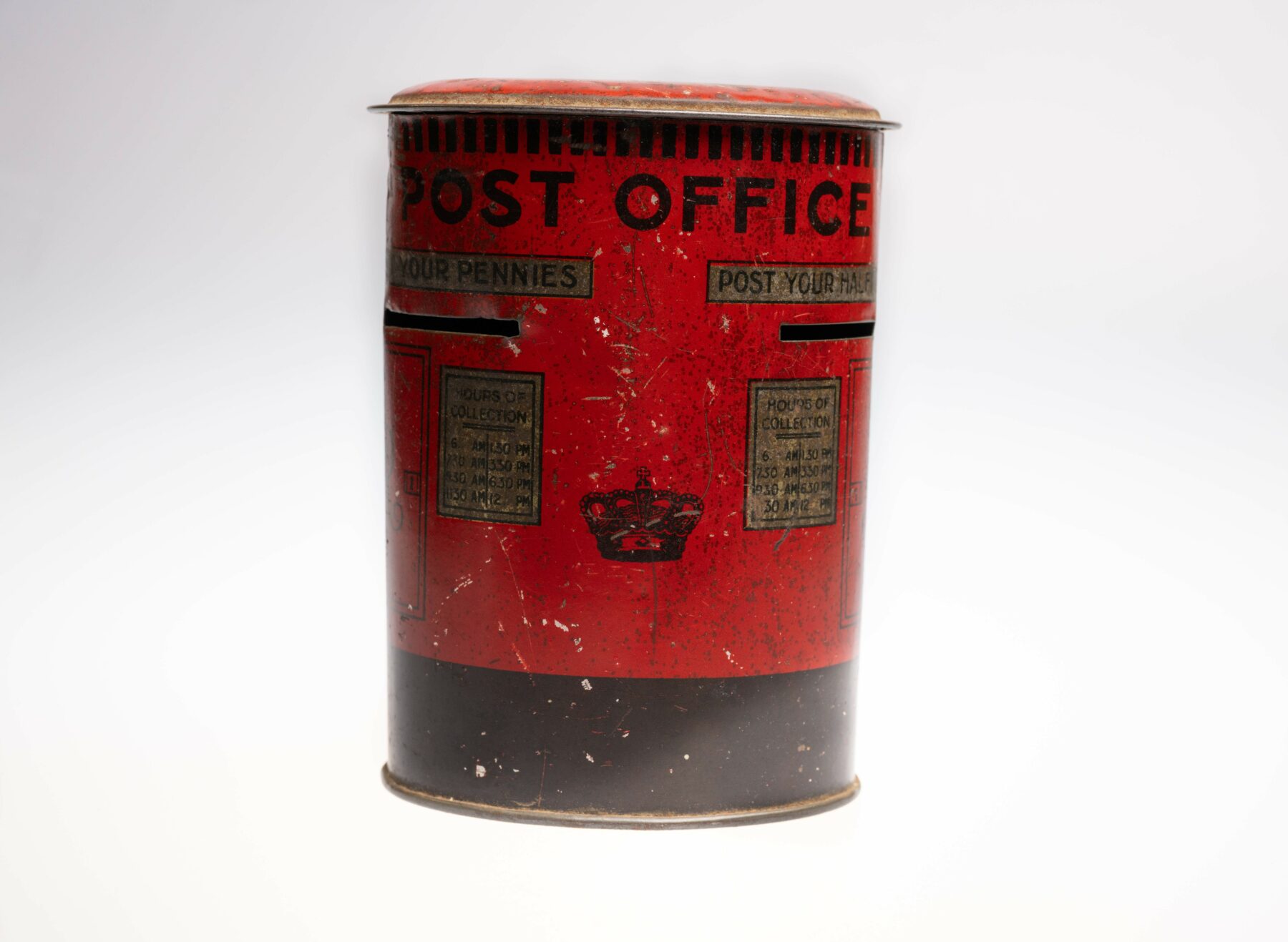
Tin money box in form of General Post Office letter box with emblem for King George v. Produced for J.S.Fry & Sons Ltd. chocolate makers in Bristol. It is likely to have held sweets as a gift. The GR on the letter box shows it was made during George V’s reign from 1911-1936.
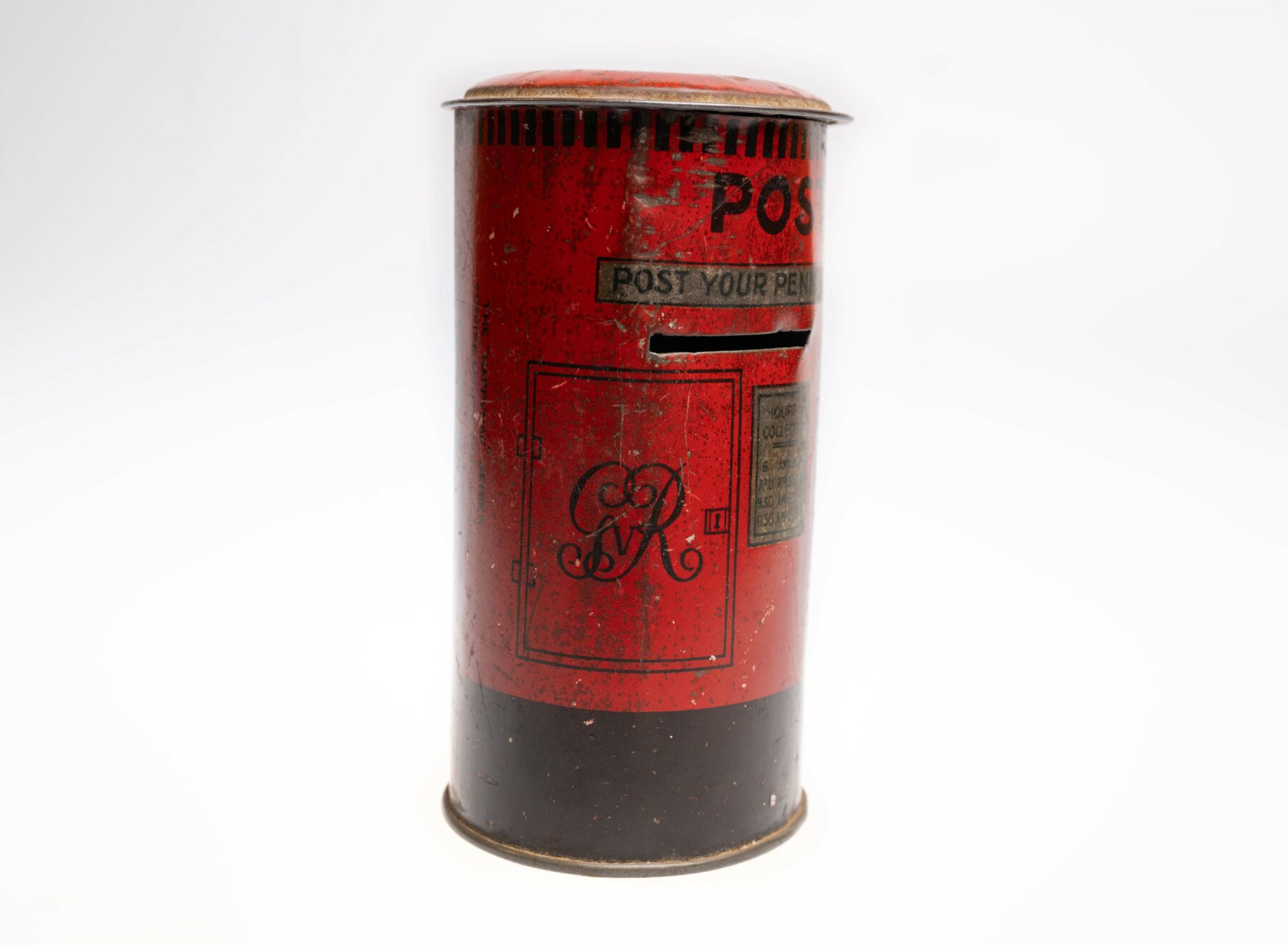
Tin money box in form of General Post Office letter box with emblem for King George v. Produced for J.S.Fry & Sons Ltd. chocolate makers in Bristol. It is likely to have held sweets as a gift. The GR on the letter box shows it was made during George V’s reign from 1911-1936.
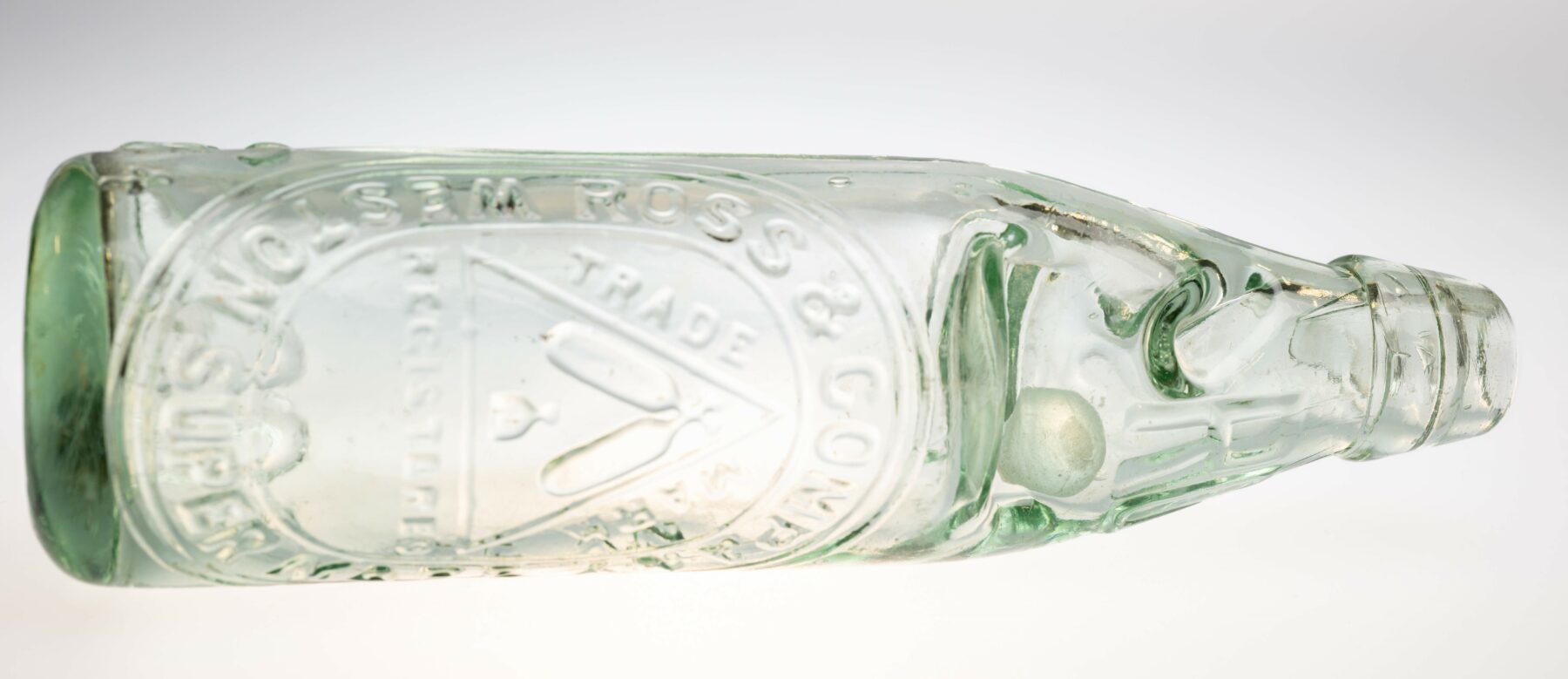
Codd bottles were used for aerated/carbonated drinks. The gases released from the carbonated drink would cause pressure to push the glass marble to seal the bottle. You would push this down to be able to drink from the bottle. Ross &Co. were advertised to be the best mineral water and aerated drinks manufacturers in Weston-super-Mare from the late 1870s.
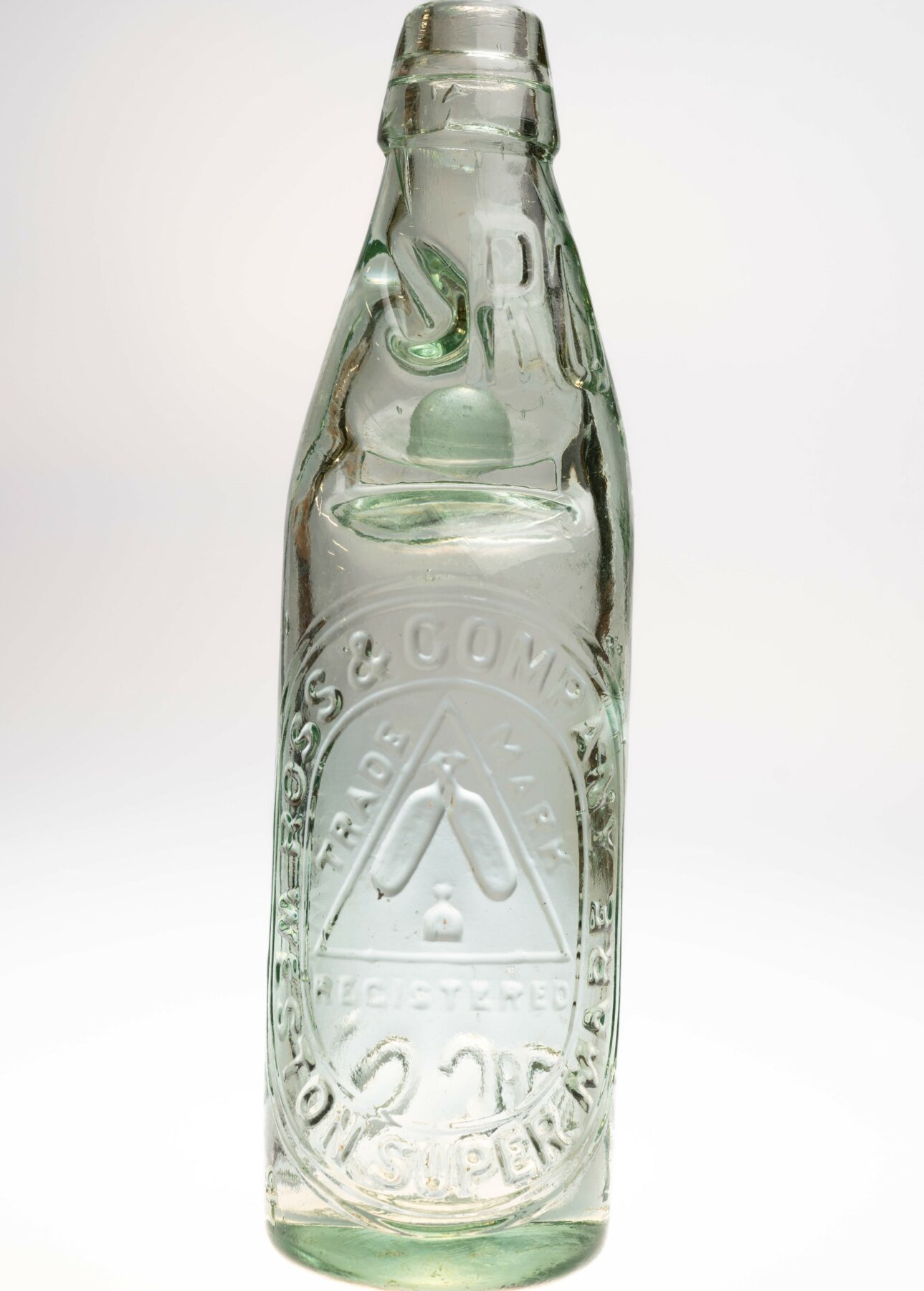
Codd bottles were used for aerated/carbonated drinks. The gases released from the carbonated drink would cause pressure to push the glass marble to seal the bottle. You would push this down to be able to drink from the bottle. Ross &Co. were advertised to be the best mineral water and aerated drinks manufacturers in Weston-super-Mare from the late 1870s.
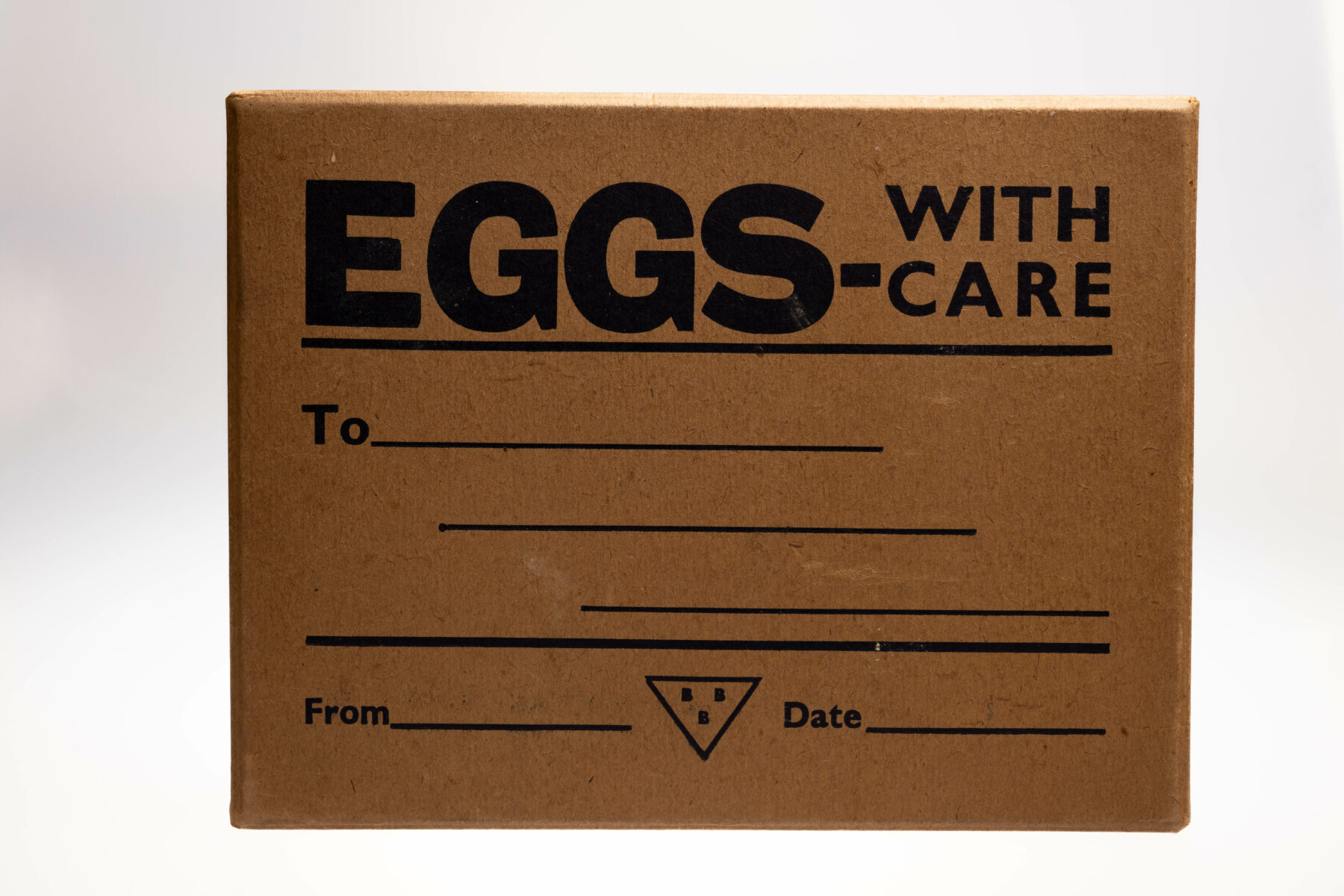
During WW2 fresh eggs were a luxury, due to rationing an adult was only allowed 1 egg per week. So those who had access to eggs, through keeping chickens, would send them to relatives and friends through the post in these egg boxes.
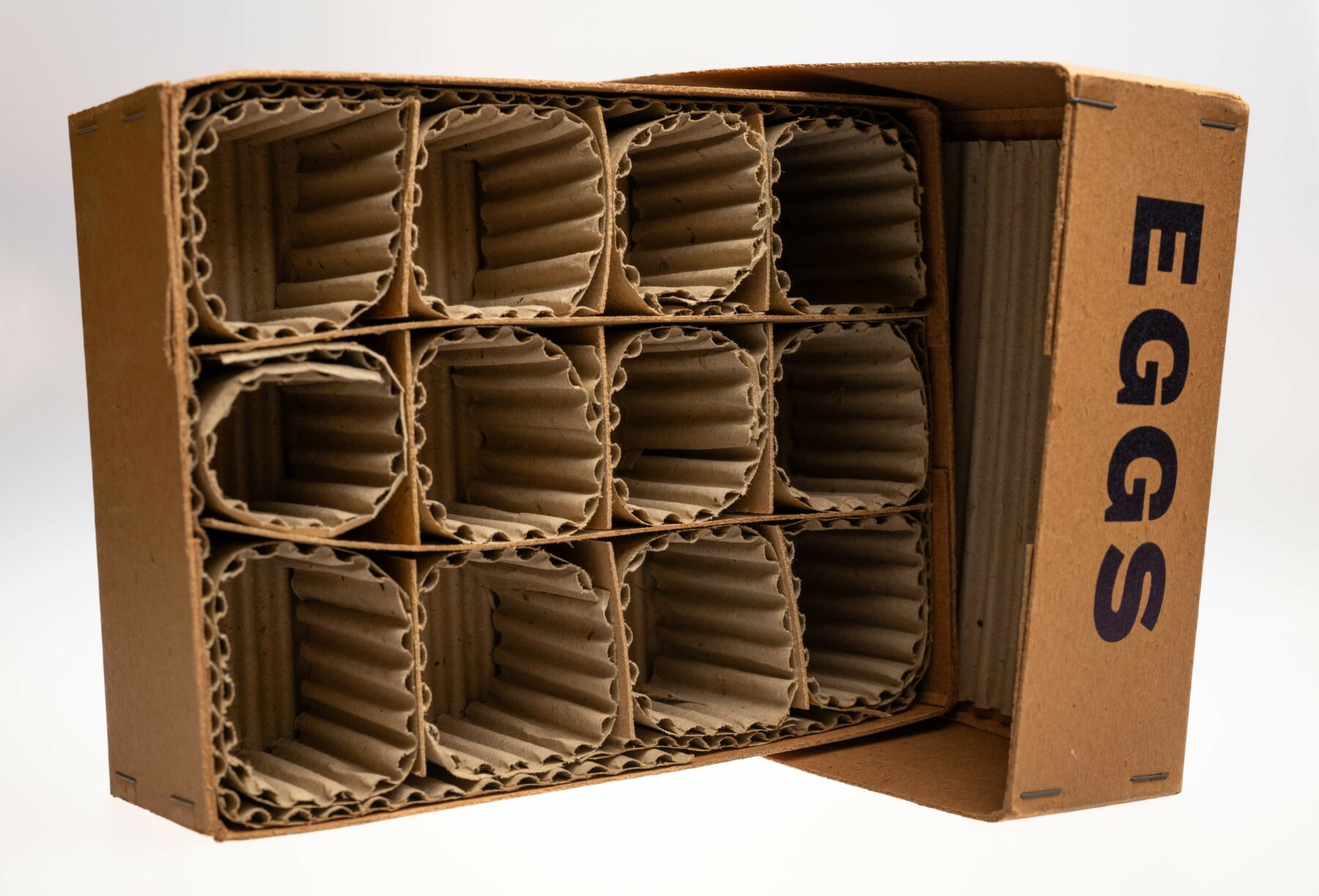
During WW2 fresh eggs were a luxury, due to rationing an adult was only allowed 1 egg per week. So those who had access to eggs, through keeping chickens, would send them to relatives and friends through the post in these egg boxes.
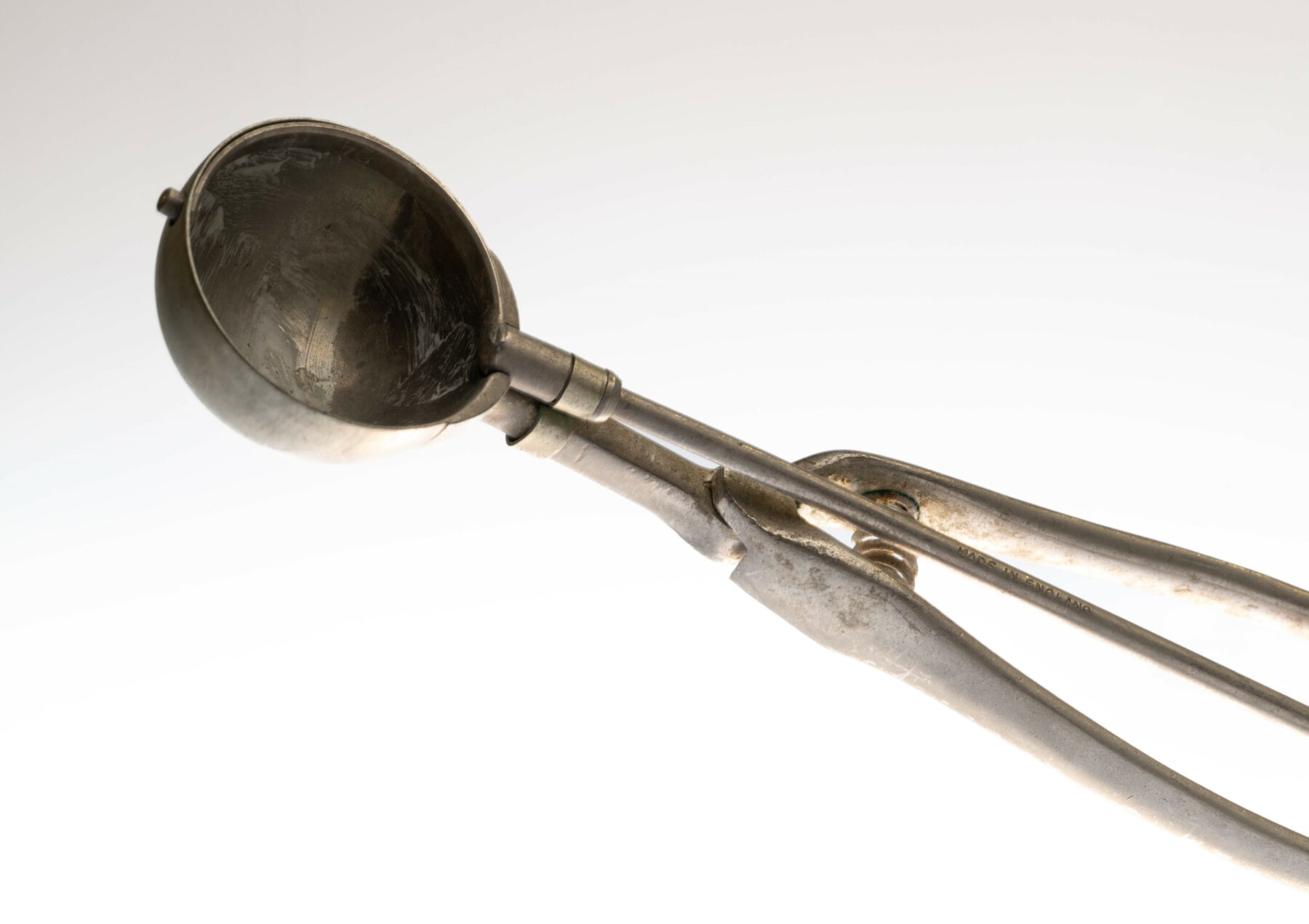
Mid-20th century ice cream scoop. The mechanism would scrape the ice cream from the spoon to form a scoop.
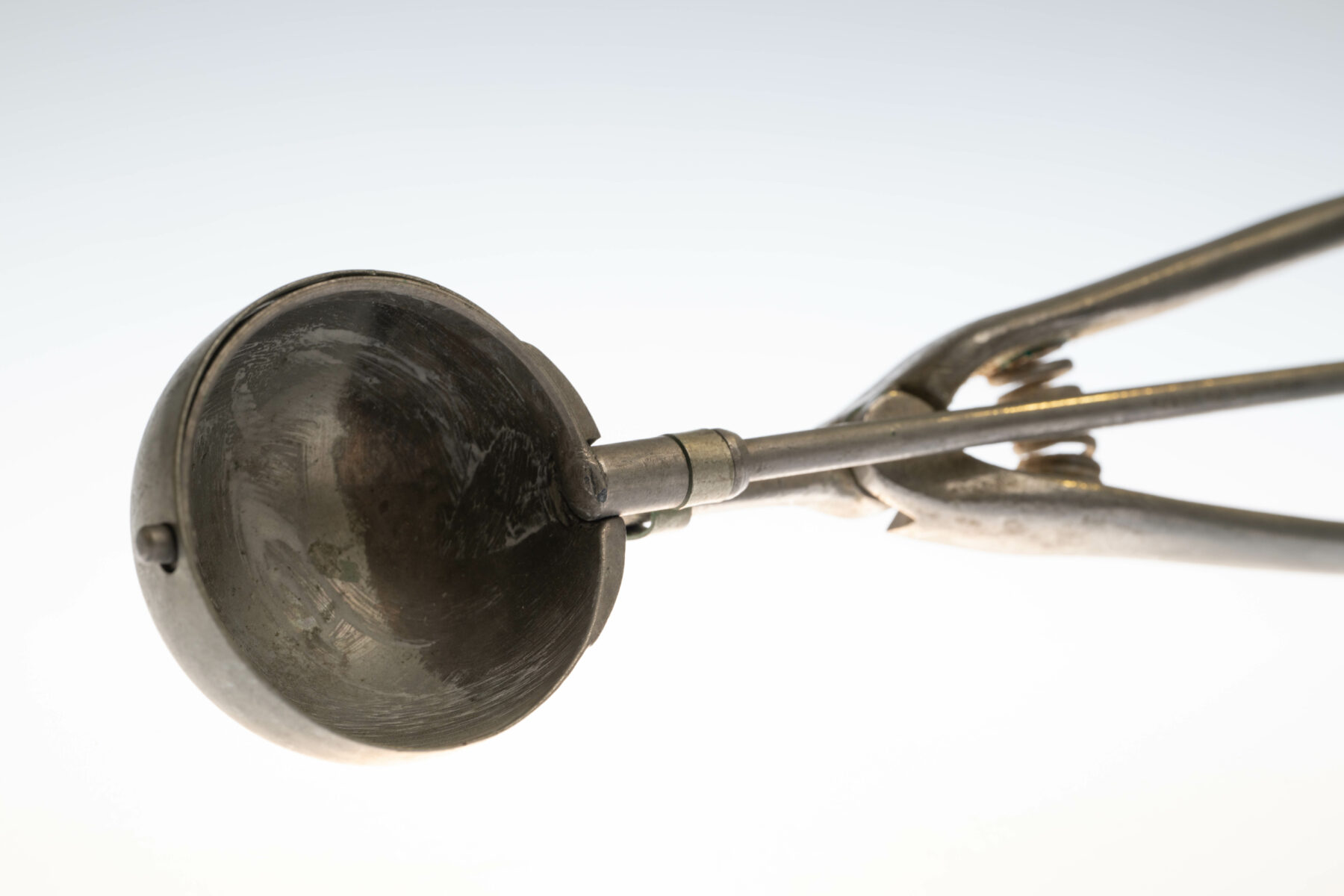
Mid-20th century ice cream scoop. The mechanism would scrape the ice cream from the spoon to form a scoop.
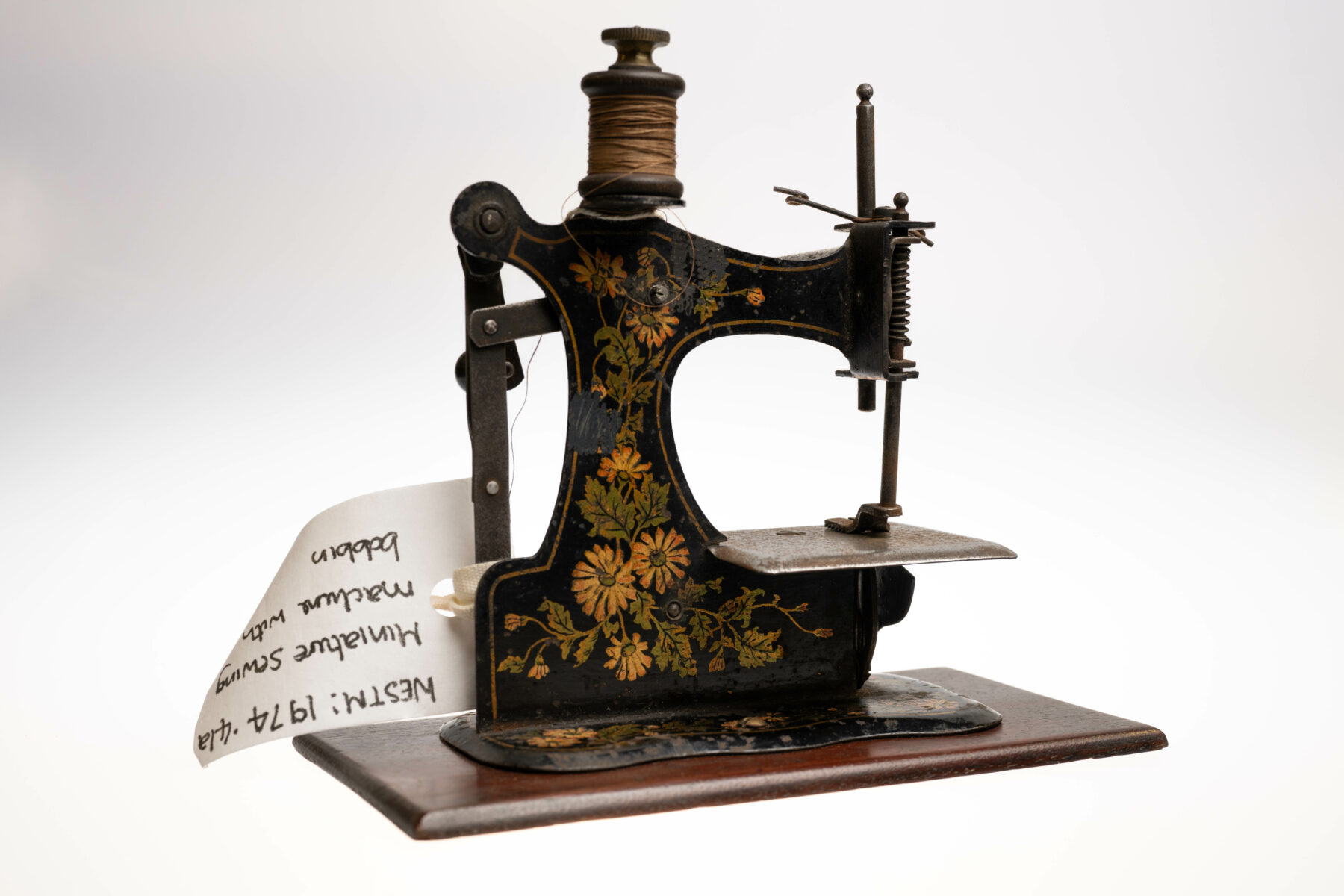
Believed to have been made by Muller in Germany in the late 19th/early 20th century. It would have stitched a single thread chain stitch. They were very popular with children.
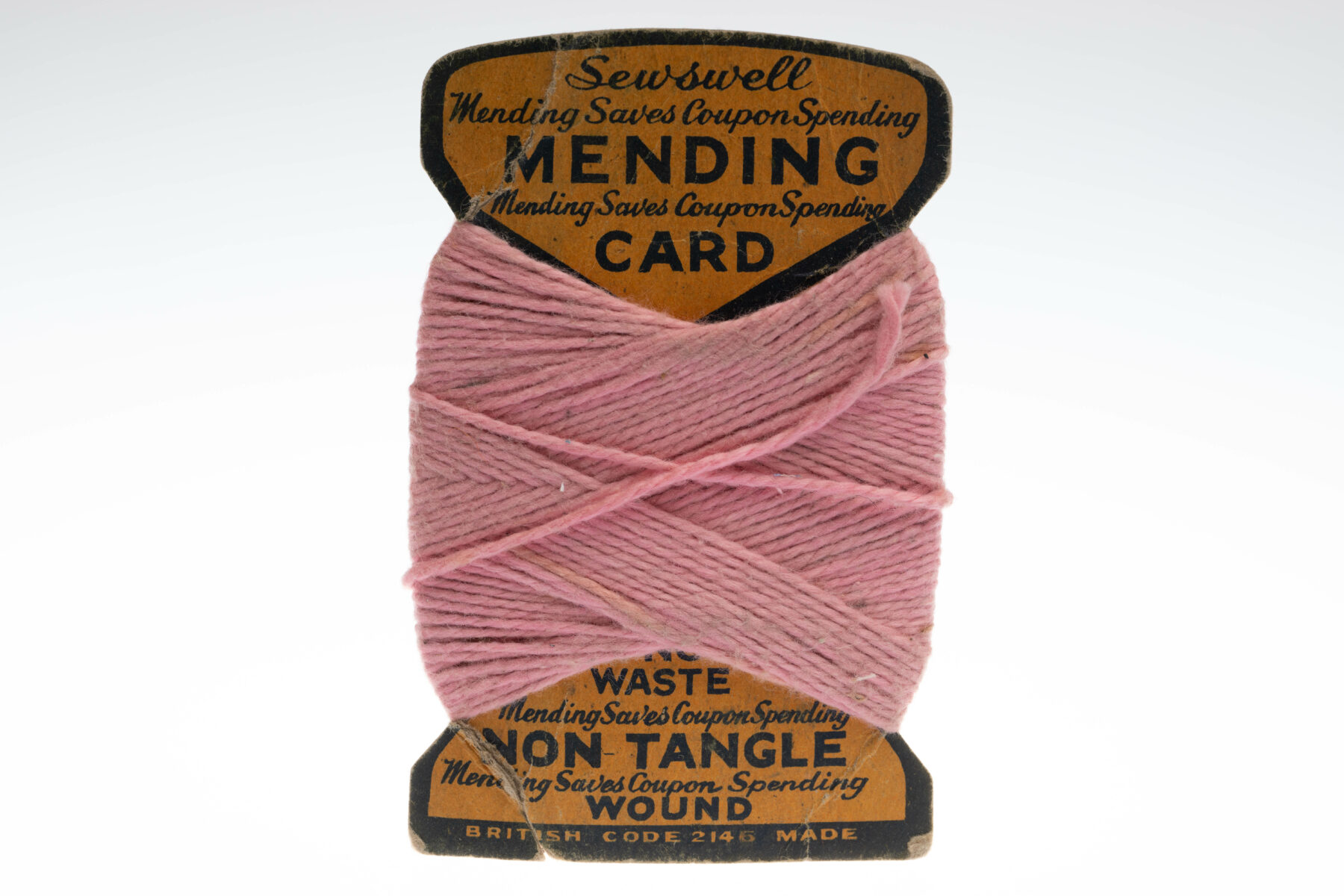
“Mending saves coupons” Rationing was in place during the war so new clothes weren’t readily available. The government came up with the initiative ‘Make-do-and-mend’ to encourage people to mend their clothes rather than buy new. The thread would have been a marketing tool to encourage mending.
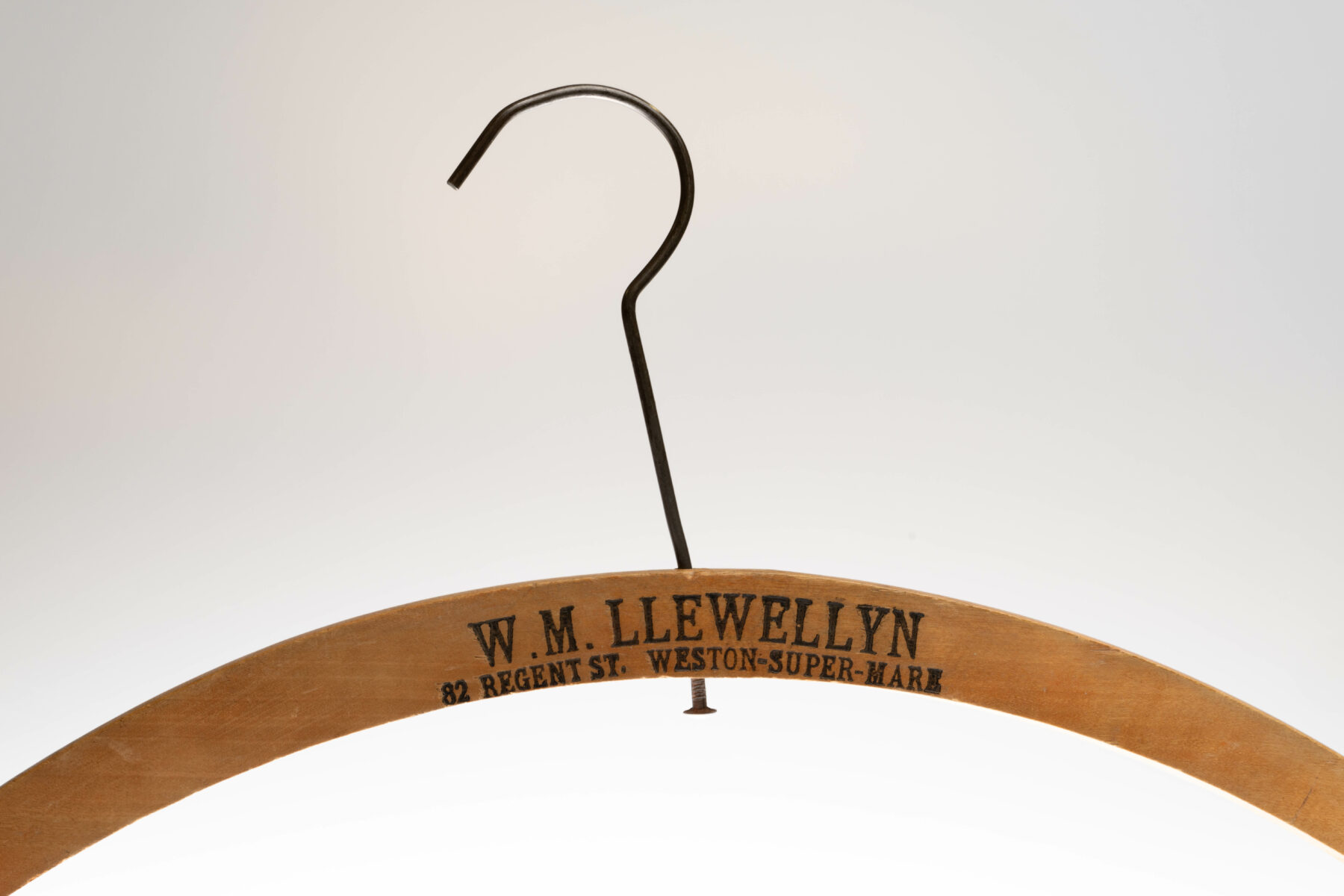
Tailor on Regent Street recorded in the Kelly’s directories from 1914-1923. The next directory is 1927 when they are no longer recorded.
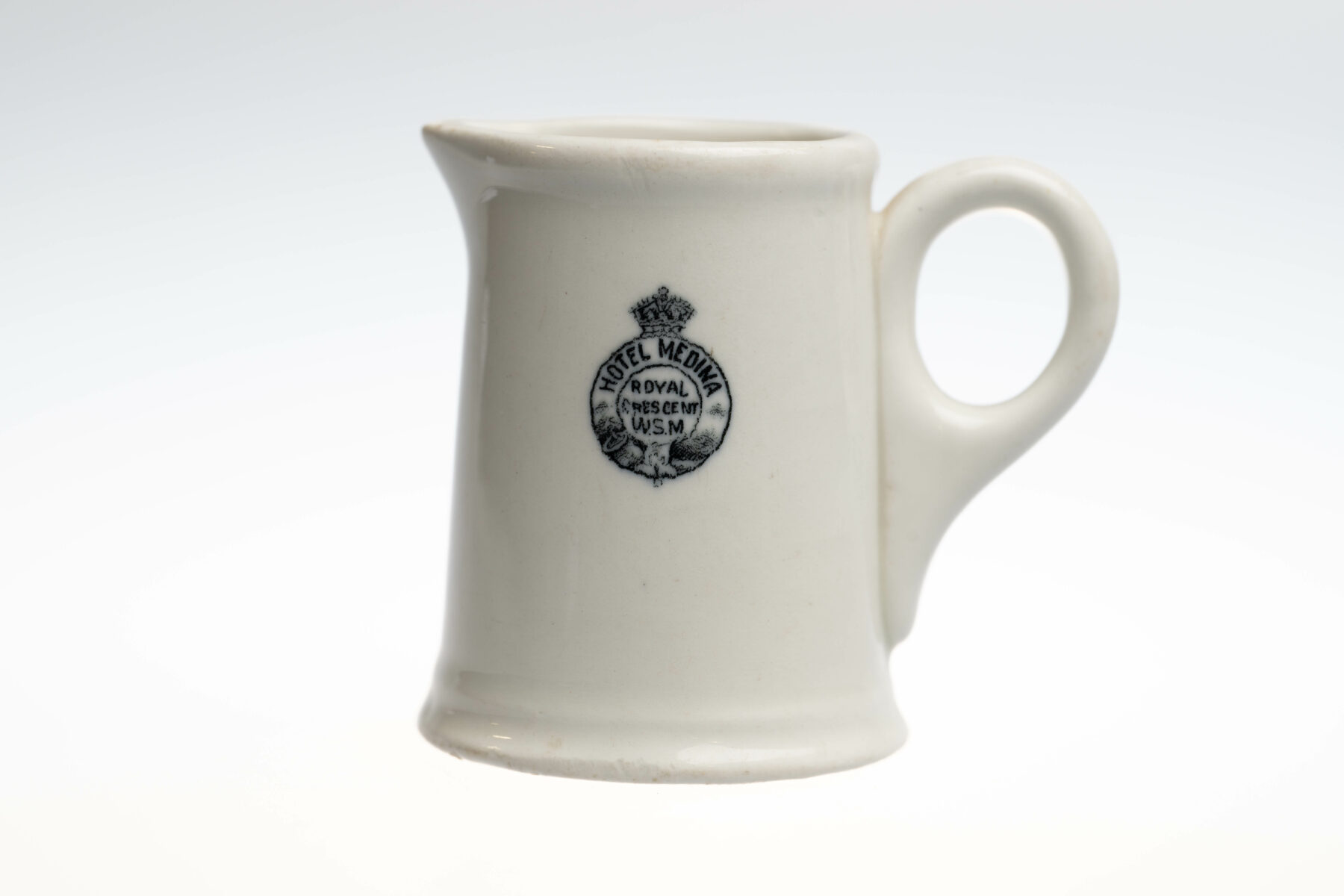
The Hotel Medina was a privately run hotel at 4&5 Royal Crescent. It first appears in the Kelly’s Directory in 1931, with recordings until 1974. It may have continued after this but that is as far as the directories go. In 1946-47 it is recorded as being a War Worker’s Hostel.
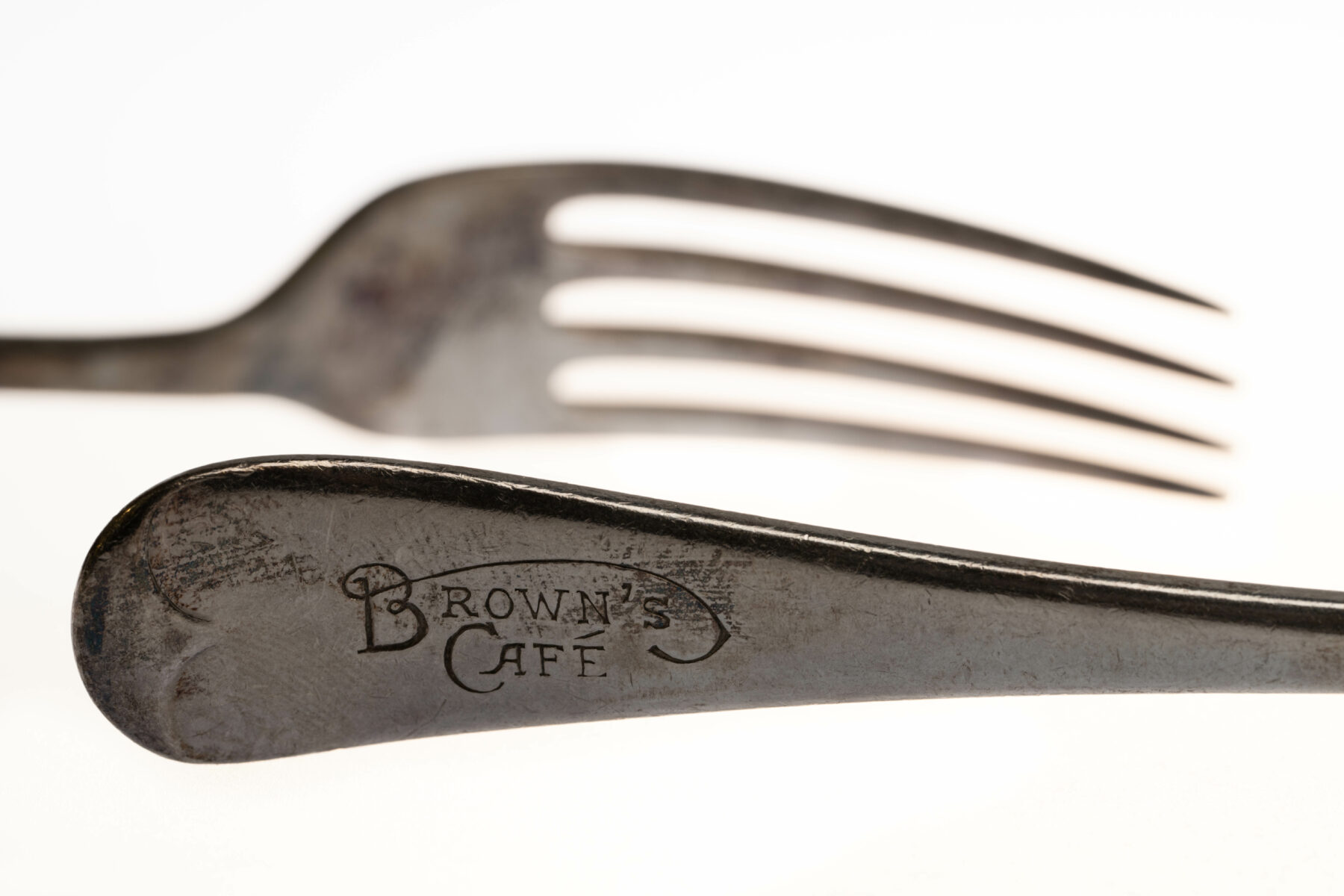
Brown Brothers were tea merchants on High Street, Weston-super-Mare from the late 1860s. They also sold cakes in their cafe. In the Weston Mercury from 1909, an advert stated they sold delicious cakes and confectionery, luncheon and afternoon teas.


Drawing inspiration from the towering volcanoes of Indonesia, the gunungan depicts a mountain brimming with life. One side showcases a guarded palace gate, representing order, while the other portrays a blazing fire, symbolizing chaos and the underworld. This duality reflects the complexities of human existence.

Drawing inspiration from the towering volcanoes of Indonesia, the gunungan depicts a mountain brimming with life. One side showcases a guarded palace gate, representing order, while the other portrays a blazing fire, symbolizing chaos and the underworld. This duality reflects the complexities of human existence.


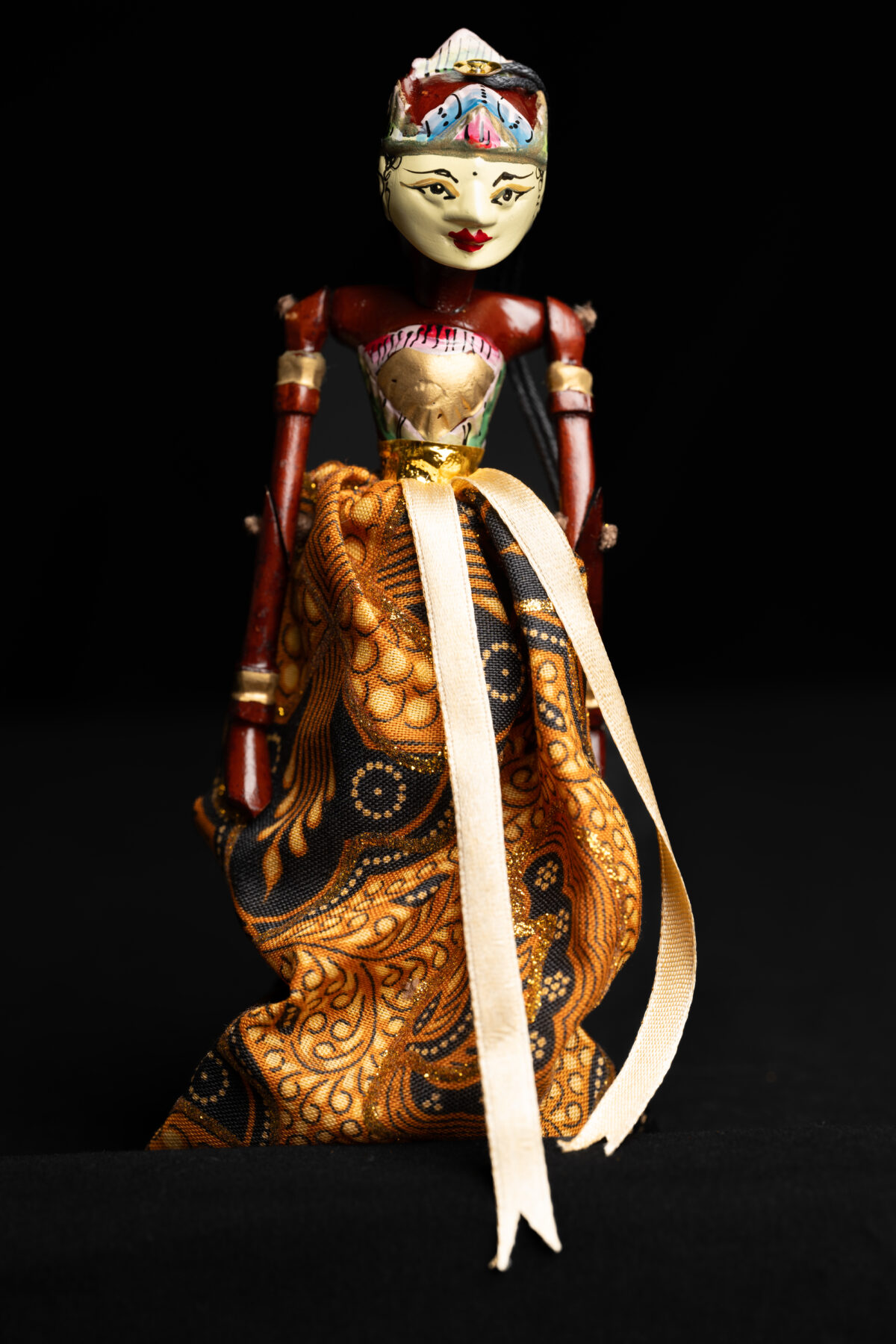
Wooden rod puppets
Wayang is an Indonesian tradition, where myths and ancient stories are depicted through puppetry. Each style of Wayang boasts its own unique characteristics, with Wayang Golek being three dimensional.
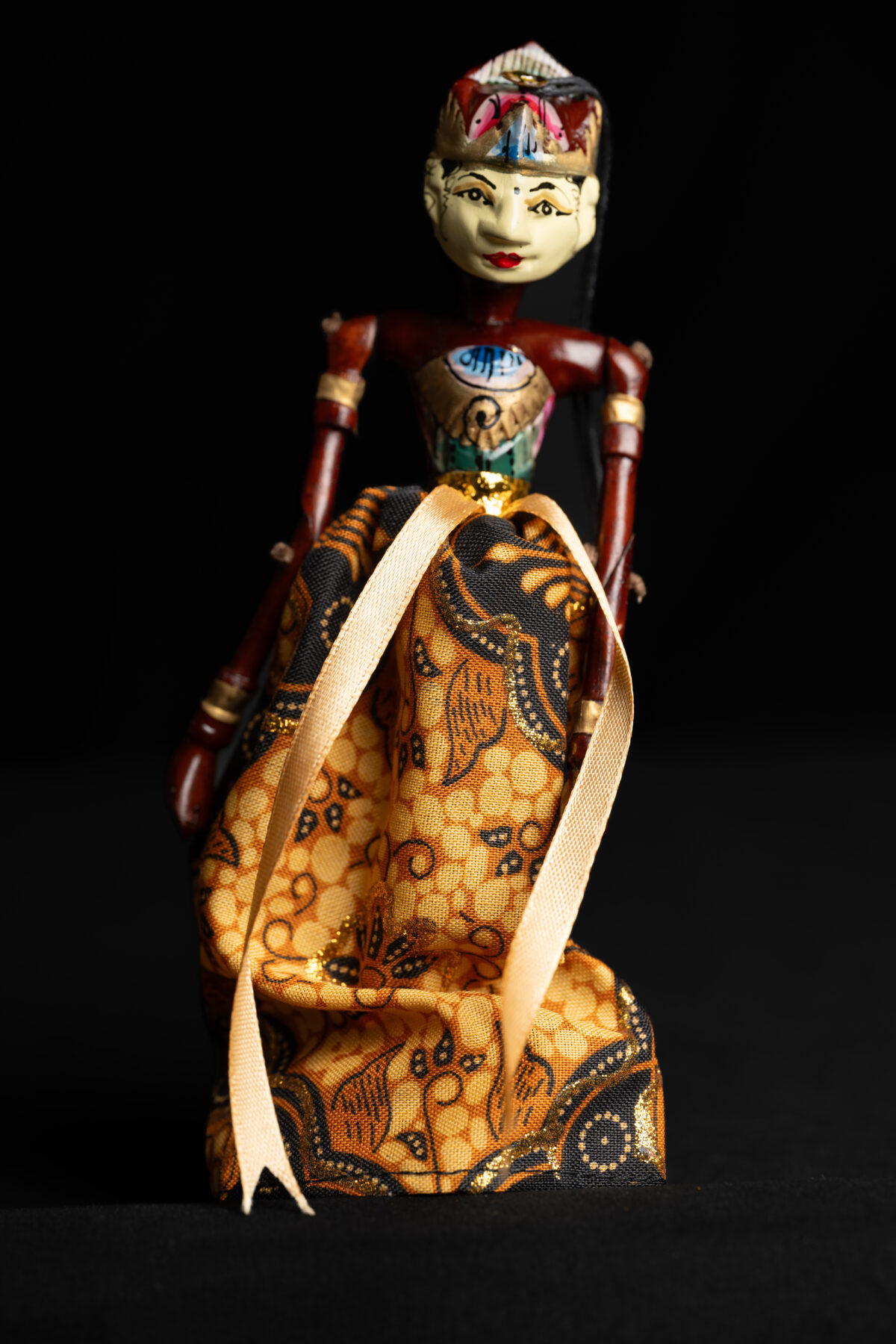
Wooden rod puppets
Wayang is an Indonesian tradition, where myths and ancient stories are depicted through puppetry. Each style of Wayang boasts its own unique characteristics, with Wayang Golek being three dimensional.
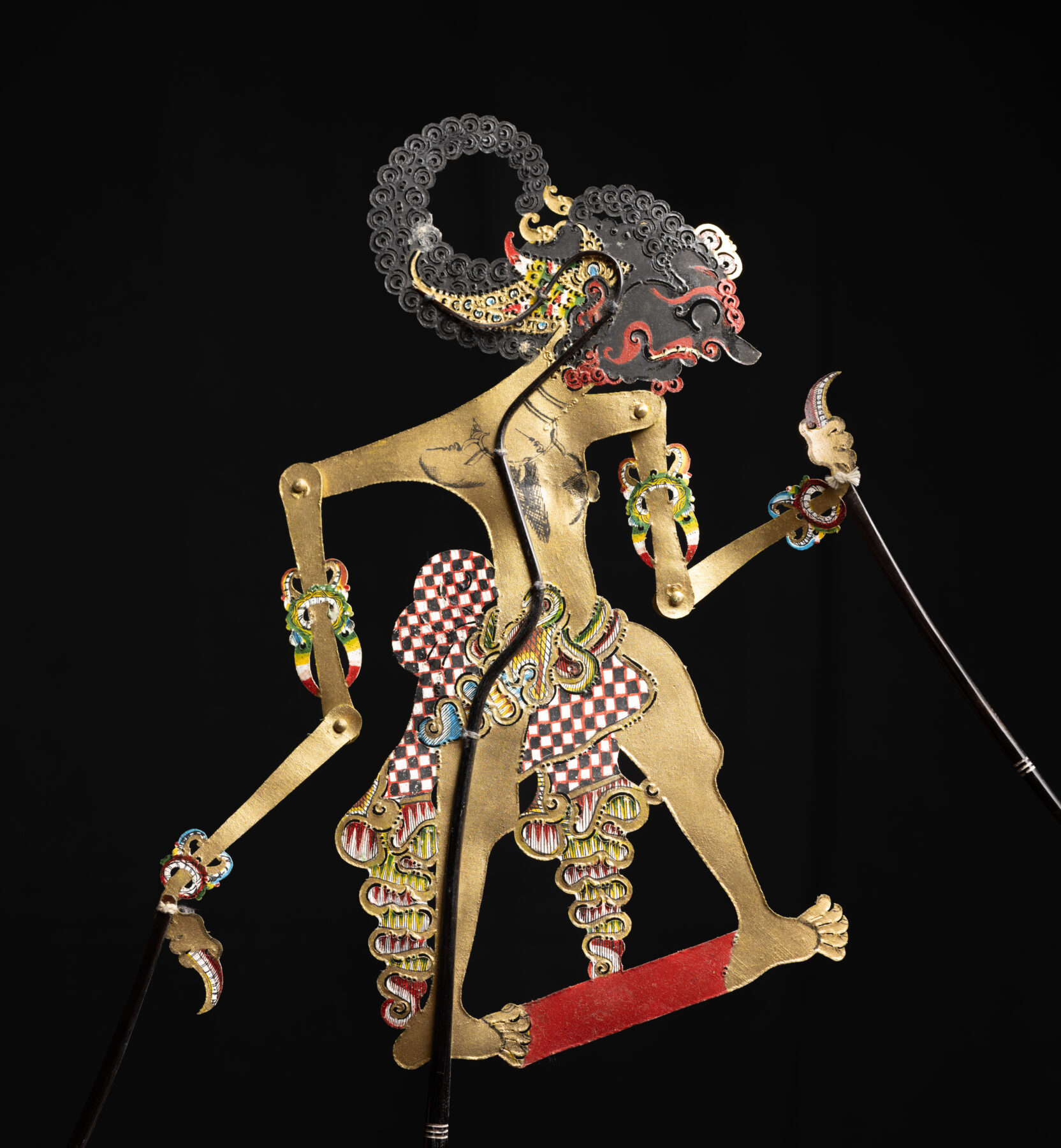
Wayang is an Indonesian tradition, where myths and ancient stories are depicted through puppetry. Wayang Kulit is a traditional form of shadow puppetry originally found in the cultures of Java and Bali in Indonesia. These shadow puppets are two dimensional and have joints to aid movement and storytelling. The puppets are traditionally made of buffalo hide and are intricately designed to help the audience distinguish between different characters.

Wayang is an Indonesian tradition, where myths and ancient stories are depicted through puppetry. Wayang Kulit is a traditional form of shadow puppetry originally found in the cultures of Java and Bali in Indonesia. These shadow puppets are two dimensional and have joints to aid movement and storytelling. The puppets are traditionally made of buffalo hide and are intricately designed to help the audience distinguish between different characters.
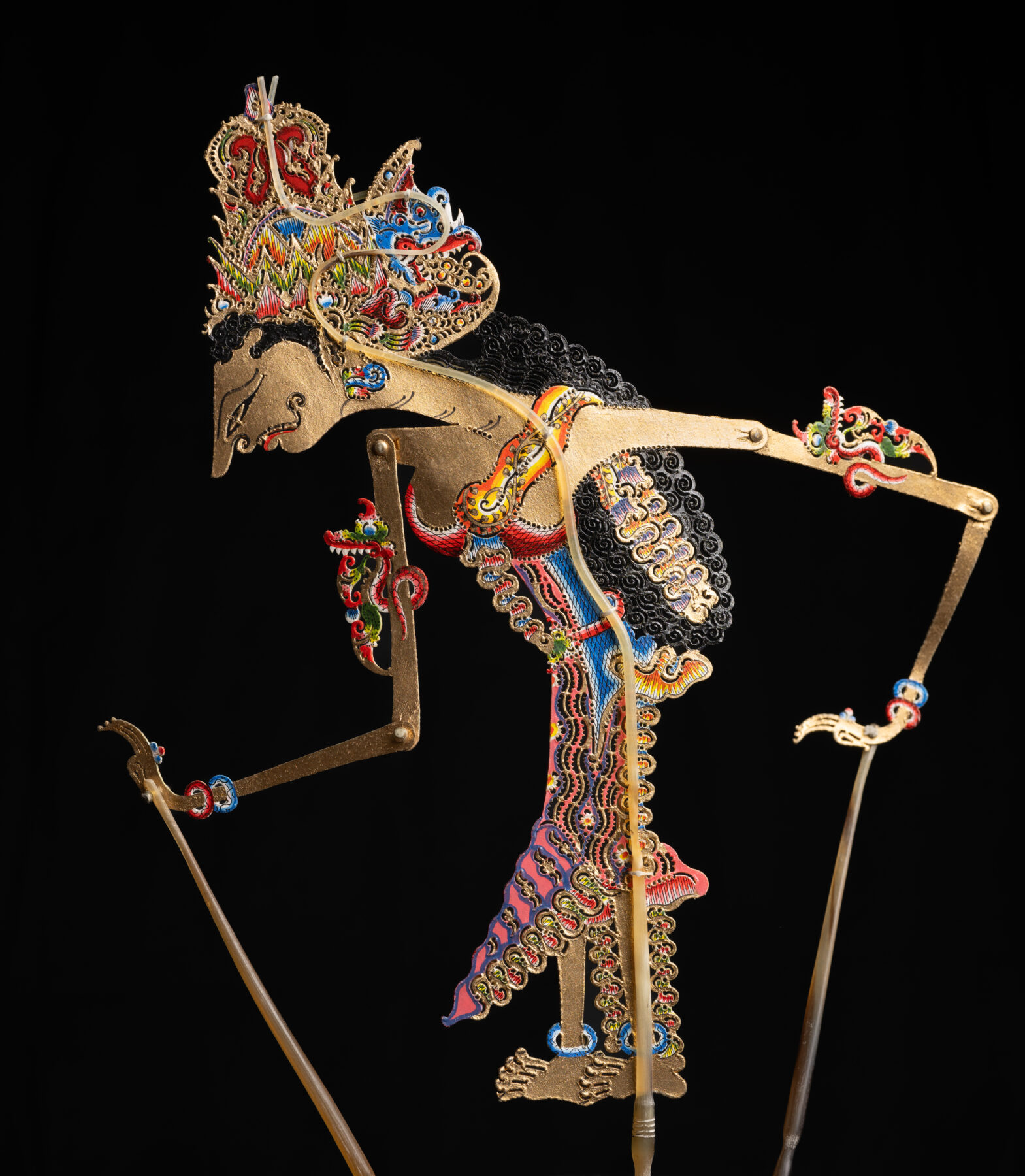
Wayang is an Indonesian tradition, where myths and ancient stories are depicted through puppetry. Wayang Kulit is a traditional form of shadow puppetry originally found in the cultures of Java and Bali in Indonesia. These shadow puppets are two dimensional and have joints to aid movement and storytelling. The puppets are traditionally made of buffalo hide and are intricately designed to help the audience distinguish between different characters.

Wayang is an Indonesian tradition, where myths and ancient stories are depicted through puppetry. Wayang Kulit is a traditional form of shadow puppetry originally found in the cultures of Java and Bali in Indonesia. These shadow puppets are two dimensional and have joints to aid movement and storytelling. The puppets are traditionally made of buffalo hide and are intricately designed to help the audience distinguish between different characters.

Wayang is an Indonesian tradition, where myths and ancient stories are depicted through puppetry. Wayang Kulit is a traditional form of shadow puppetry originally found in the cultures of Java and Bali in Indonesia. These shadow puppets are two dimensional and have joints to aid movement and storytelling. The puppets are traditionally made of buffalo hide and are intricately designed to help the audience distinguish between different characters.
Gallery