
Play Through the Ages
Discover ‘play’ and games through the ages on a tour of Somerset’s treasures.
We’ve been inspired by the Play experience at the Museum of Somerset, so we’ve visited our museum and archive sites on the hunt for toys and games.
Join us on a tour of our sites and see if you can spot the toys we’ve found!
Ancient Play
Prehistoric people were not so different from us. From miniature toys and dice to gaming counters, these archaeological objects remind us that the desire to play is a timeless part of being human. Nearly 6,000 years ago children were playing with toys as they do still. Here is a very rare example of a toy from the prehistoric period.
Toy axe. 3,800 BC, Sweet Track, Shapwick. On display at The Museum of Somerset.
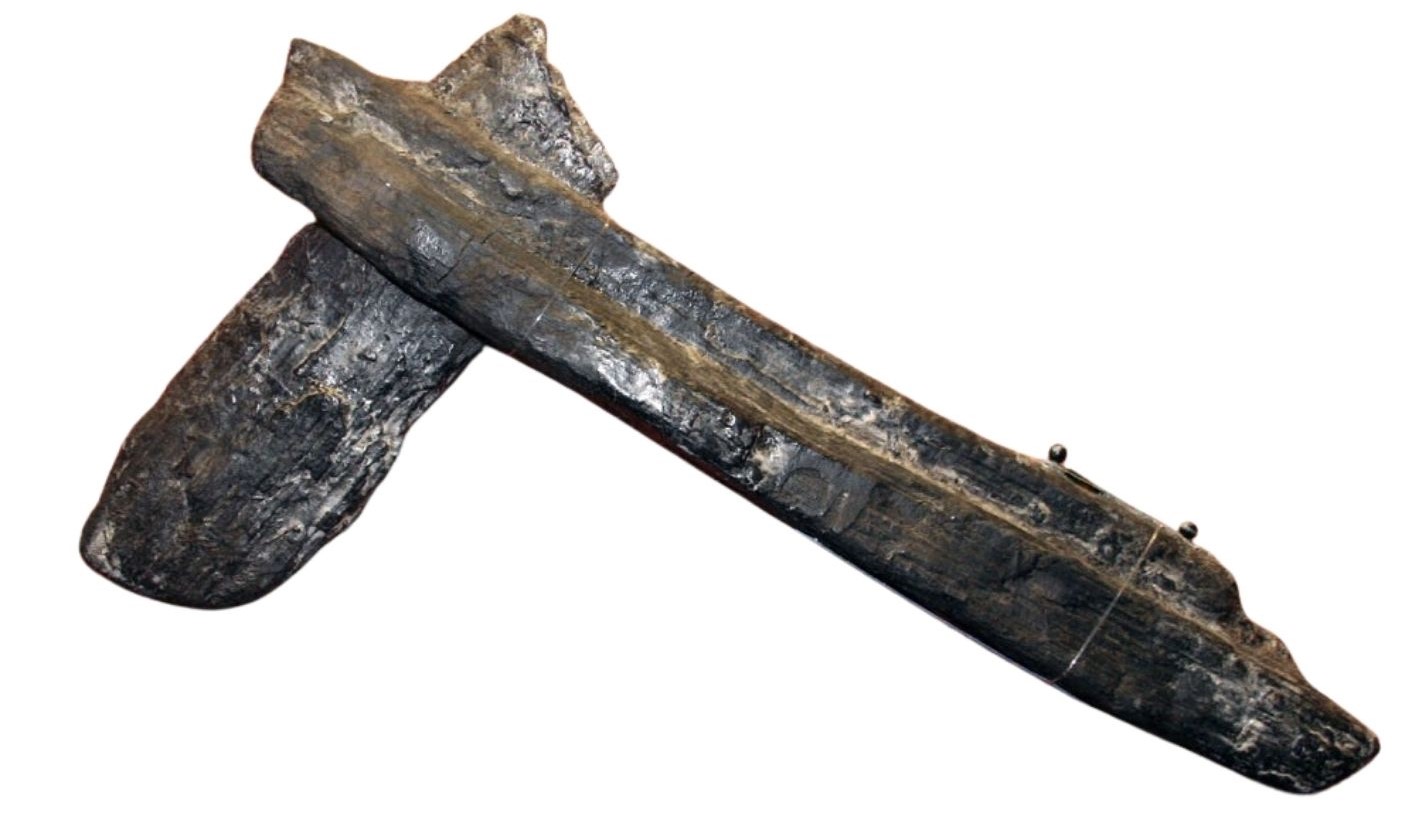
Prehistoric people were not so different from us. This wooden axe is probably a child’s toy and may be the earliest known toy from Britain. We have almost no evidence for the lives of children at this time. But this axe suggests that, like children today, they liked to play with child-sized versions of objects their parents used.
Iron Age dice and gaming counters. 250-50 BC, Meare Lake Village. On display at The Museum of Somerset.
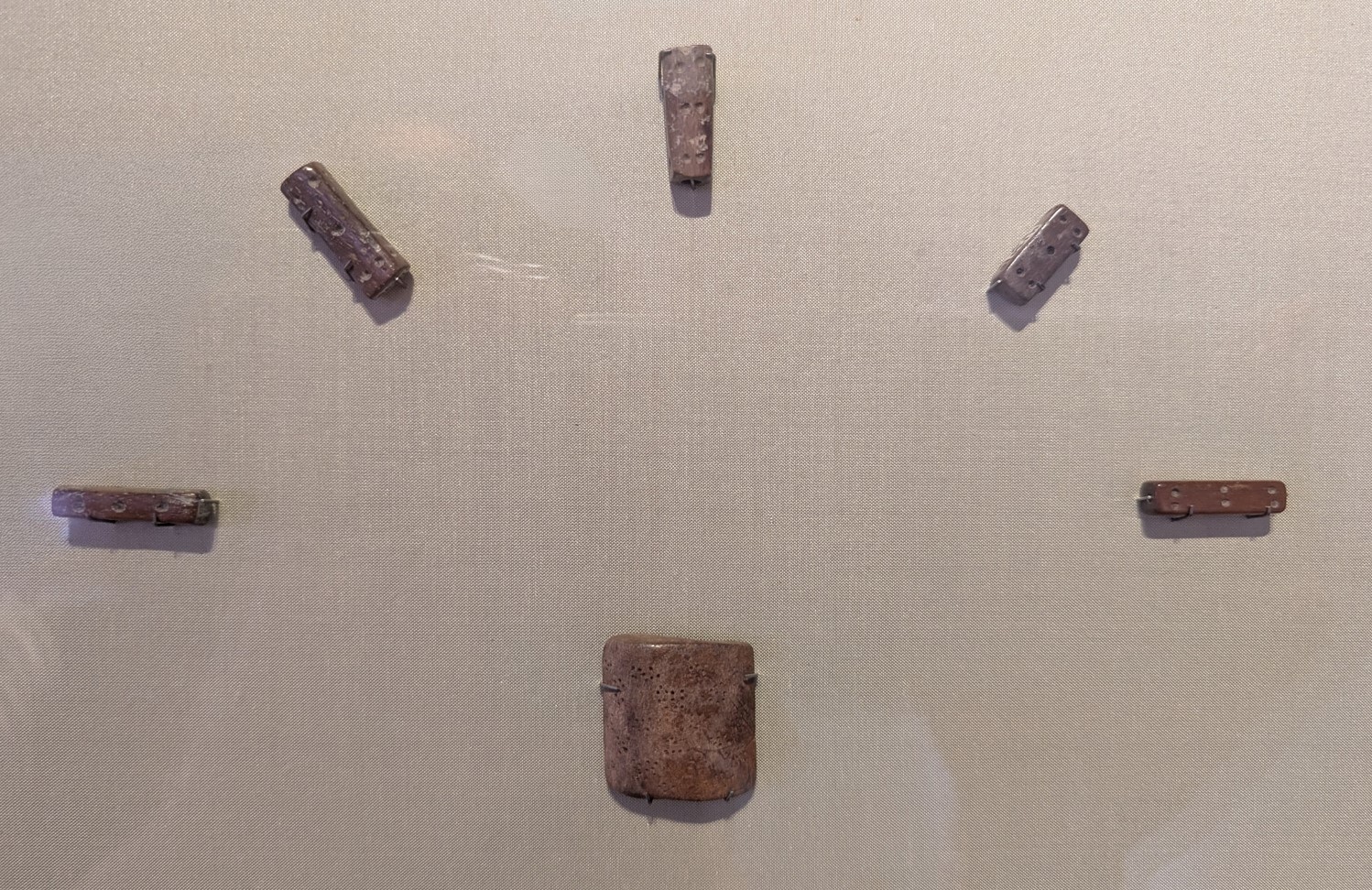
These Iron Age dice and counters show that games were part of everyday life over 2,000 years ago. They were found alongside personal items such as rings, beads, bracelets and brooches.
Replica Game of Nine Men’s Morris. At Avalon Archaeology.
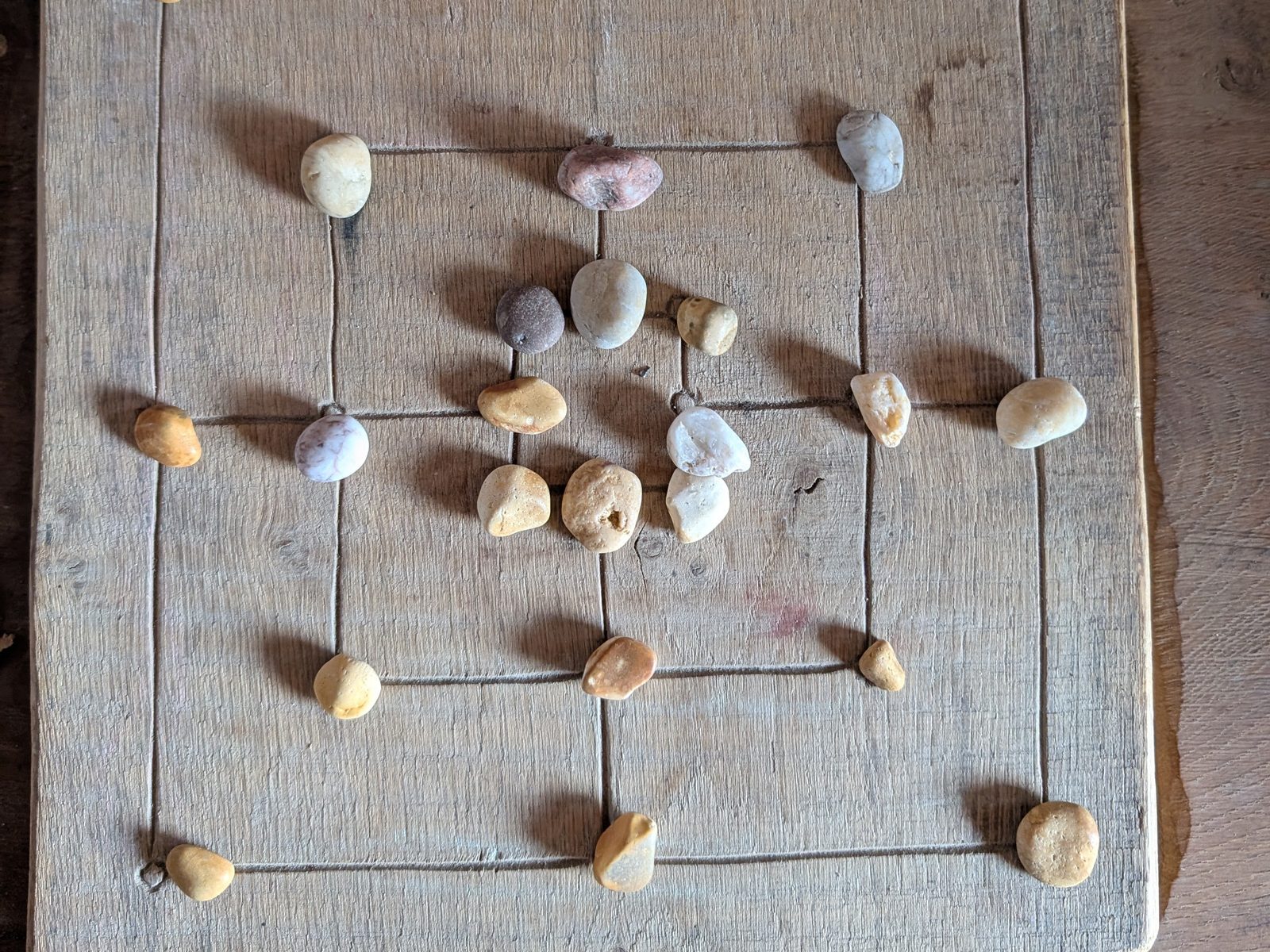
Nine Men’s Morris is one of the world’s oldest strategy games and remained popular across many centuries.
This summer as part of PLAY there are two chances to create your own board game inspired by the games of the past.
- Ancient Games Day, Friday 31 July at Avalon Archaeology. (Drop-in)
- Craft a Game from the Past, Wednesday 29 July and 26 August, at The Museum of Somerset. (Booking required)
Roman Gaming counters. c. 100-400, various sites. On display at The Museum of Somerset.
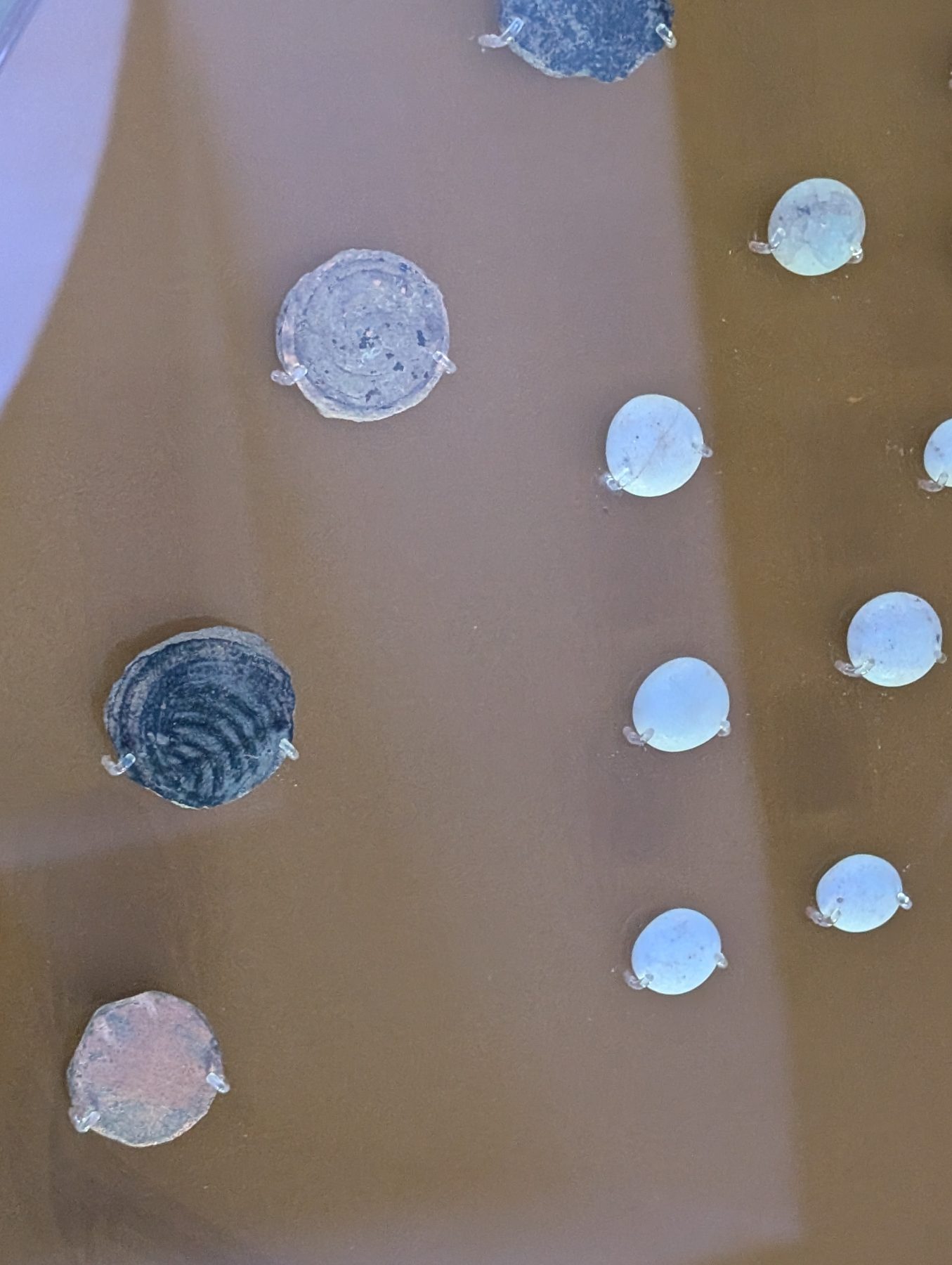
The Romans enjoyed games as much as we do today. Made from bone, glass and broken pottery, these counters were used in board games. While the rules have been lost, some Roman games may have been similar to modern backgammon or draughts.
Bone gaming pieces, c.1200, Taunton Castle. On display at The Museum of Somerset.
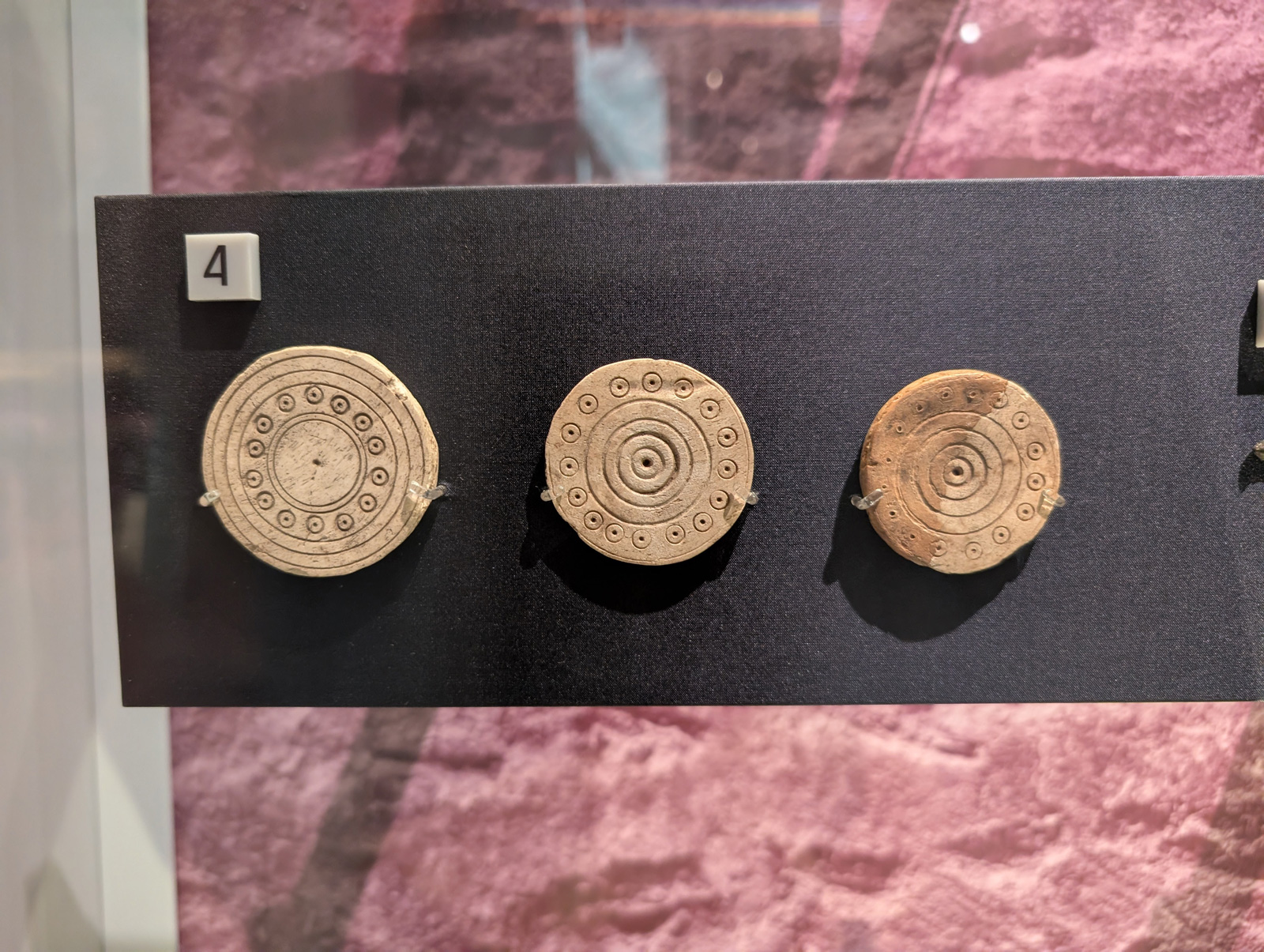
Board games continued to entertain people long after the Romans had left Britain. These decorative bone discs were used as counters in medieval games such as backgammon and Nine Men’s Morris.
Victorian Toys and Childhood
The Victorian era saw toys become more widely available, with many designed to educate as well as entertain.
Noah’s Ark. c.1880, from an unknown Somerset location. On display at Somerset Rural Life Museum.
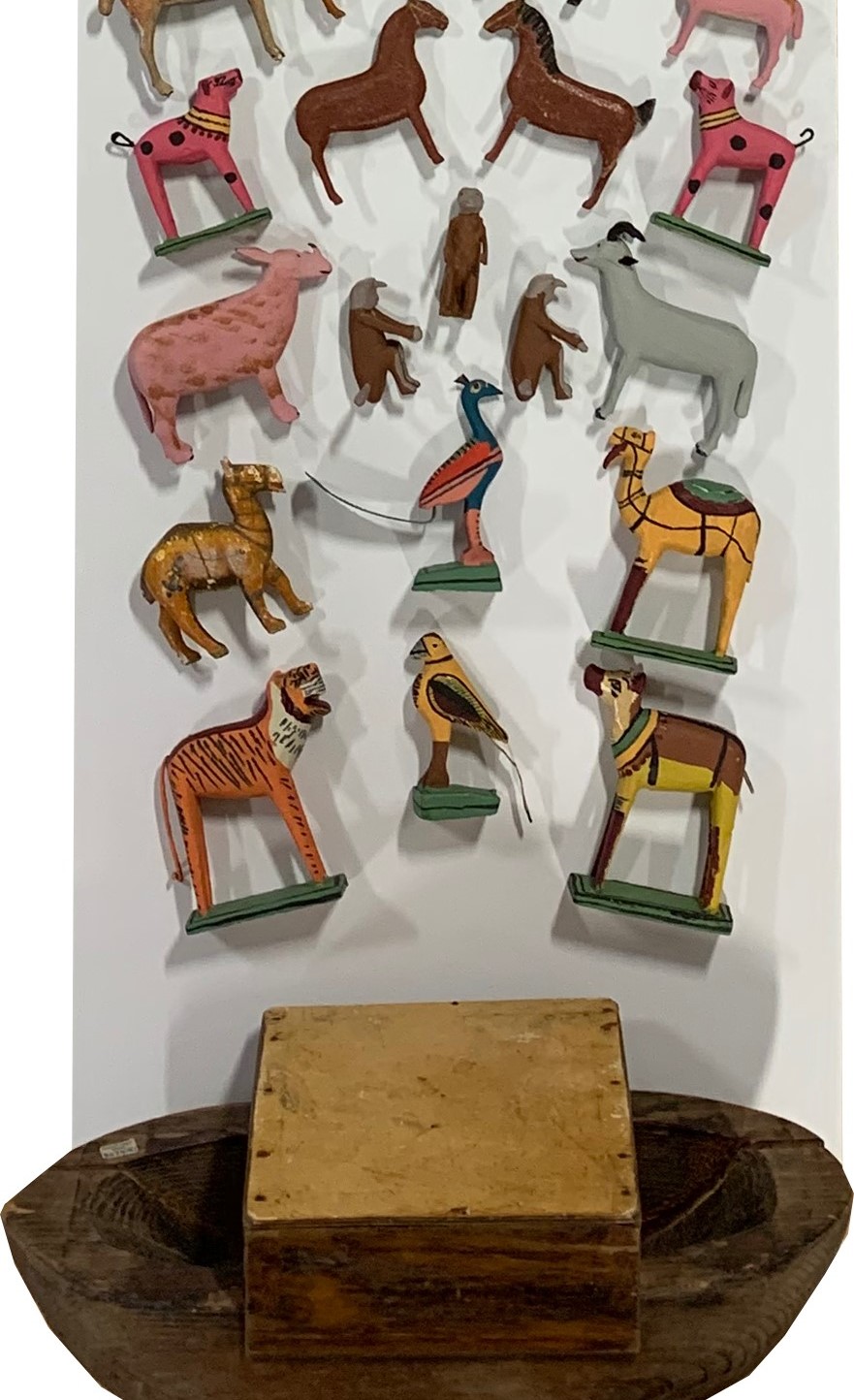
Noah’s Ark toys were extremely popular in the 19th century, with many made in Germany. Because the story came from the Bible, children were often allowed to play with them on Sundays.
Doll’s House. c.1880, from an unknown Somerset location. On display at Somerset Rural Life Museum.
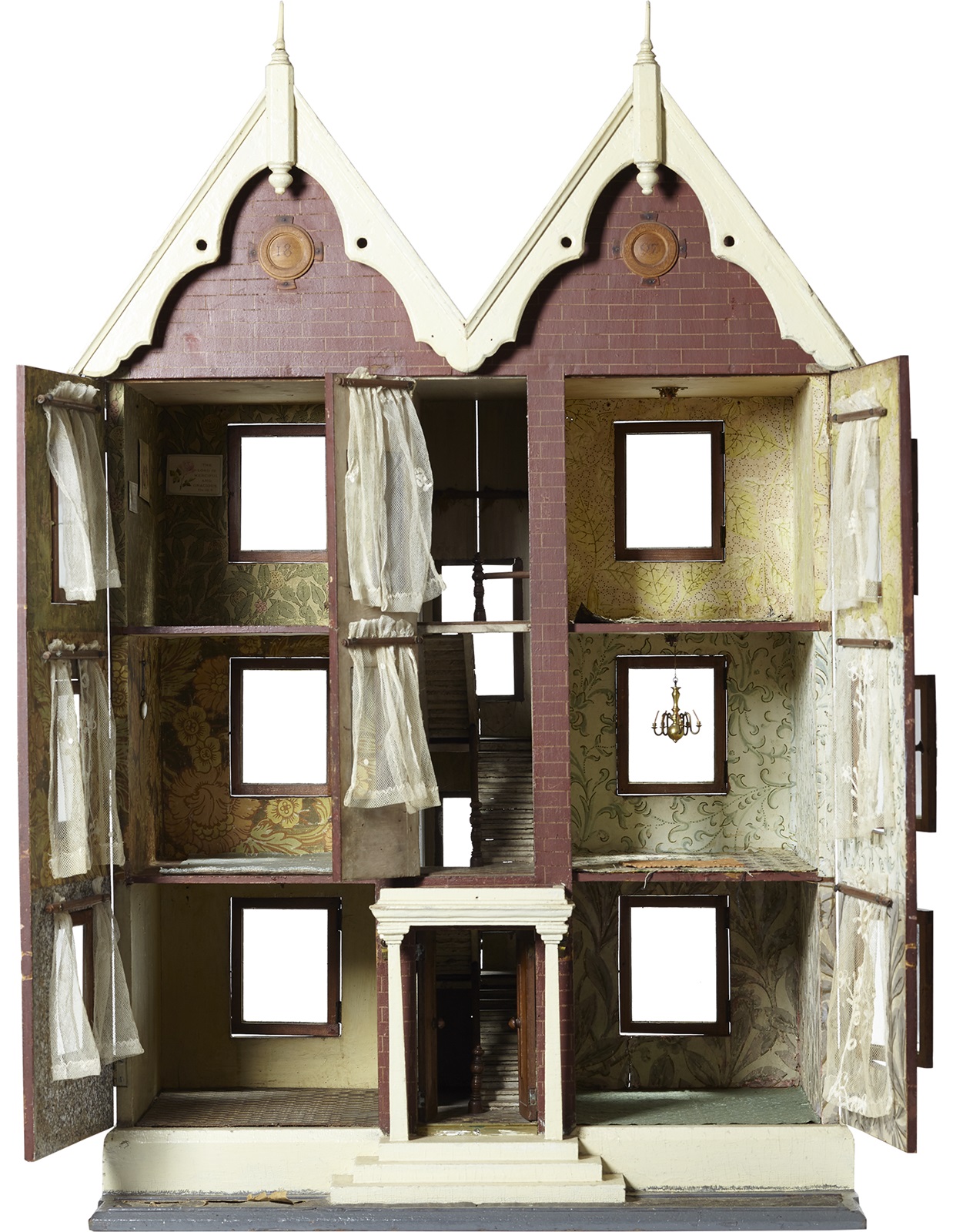
Originally used to teach girls about household management, doll’s houses later became popular mass-produced toys for children.
Traditional Somerset Games
Some games have remained part of Somerset life for generations.
Skittle balls c.1900-1950, unknown Somerset location. On display at The Museum of Somerset.
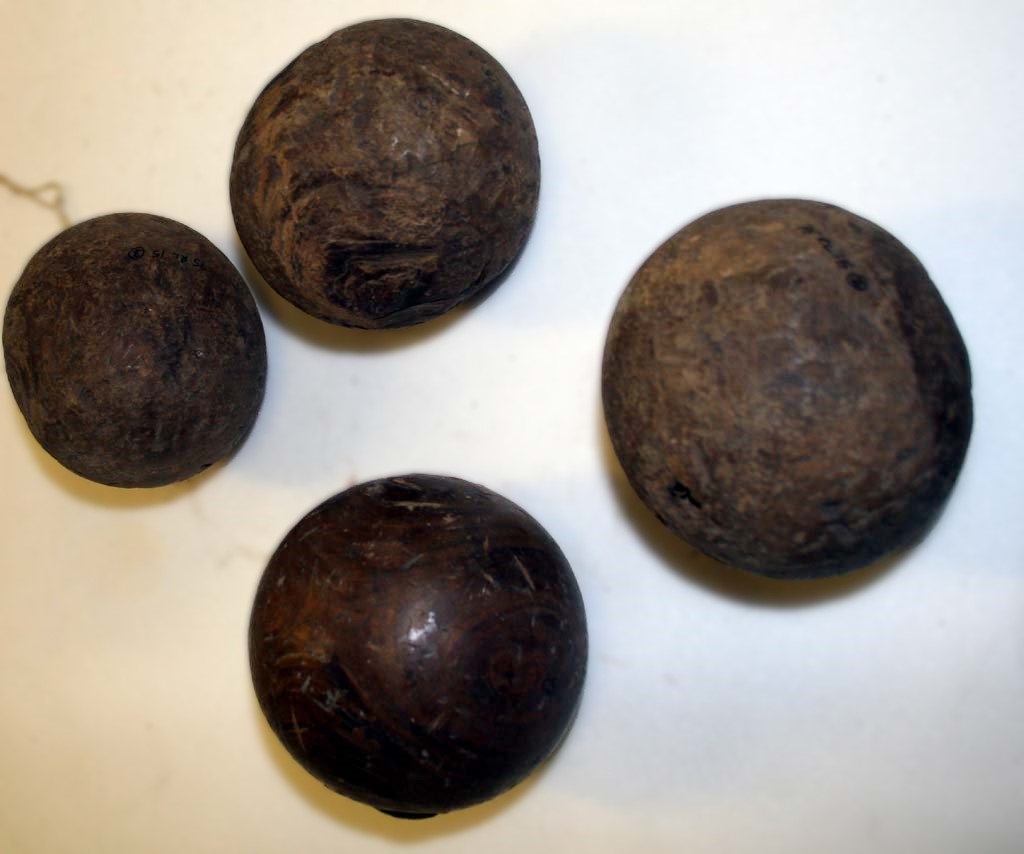
Skittles is still a favourite in many Somerset pubs today. It is also a perfect excuse for a pint and a chat. Players are given three balls each and compete to knock down as many skittles as possible, combining friendly competition with a good social occasion.
Leisure and Entertainment in Somerset
Play is not only about games and toys. Play has taken many forms throughout history, including the hobbies and pastimes people enjoyed in their free time.
Instruments c. 19th century and a ‘Serpent’ c. 1790. On display at Somerset Rural Life Museum.
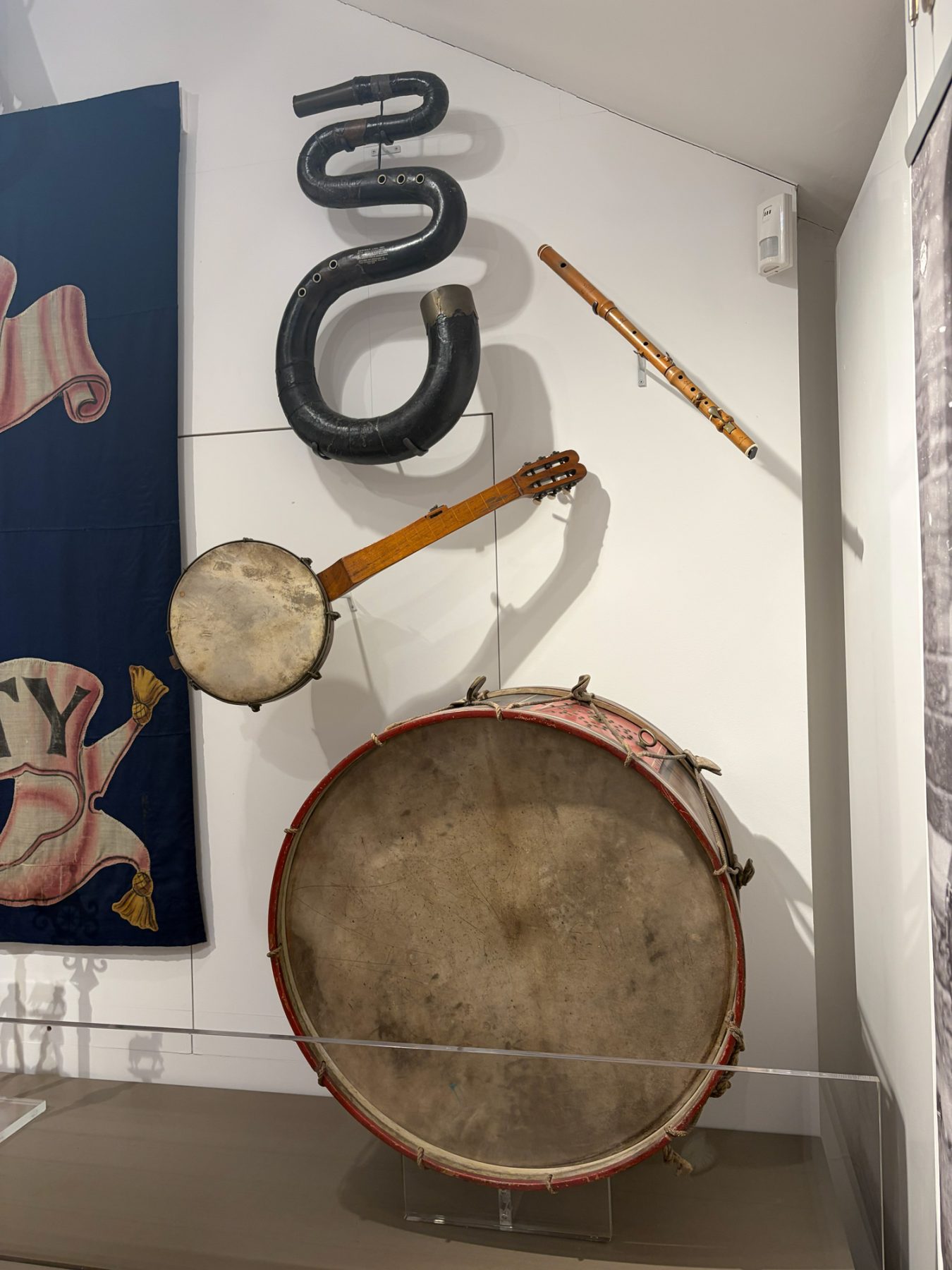
These instruments may have been used in Friendly Society feast days which included a brass band parade, a church service and a meal. The museum of Somerset also displays a concertina (1903), once belonging to Somerset folk singer Louie Hooper. Its story is closely tied to Cecil Sharp, who gifted the instrument while collecting over 1,500 folk songs from Somerset’s communities. These instruments show how music brought people together in their leisure time.
Somerset Brick and Tile Museum’s collections of Bridgwater’s Brick and Tile Heritage, late 19th to early 20th century.
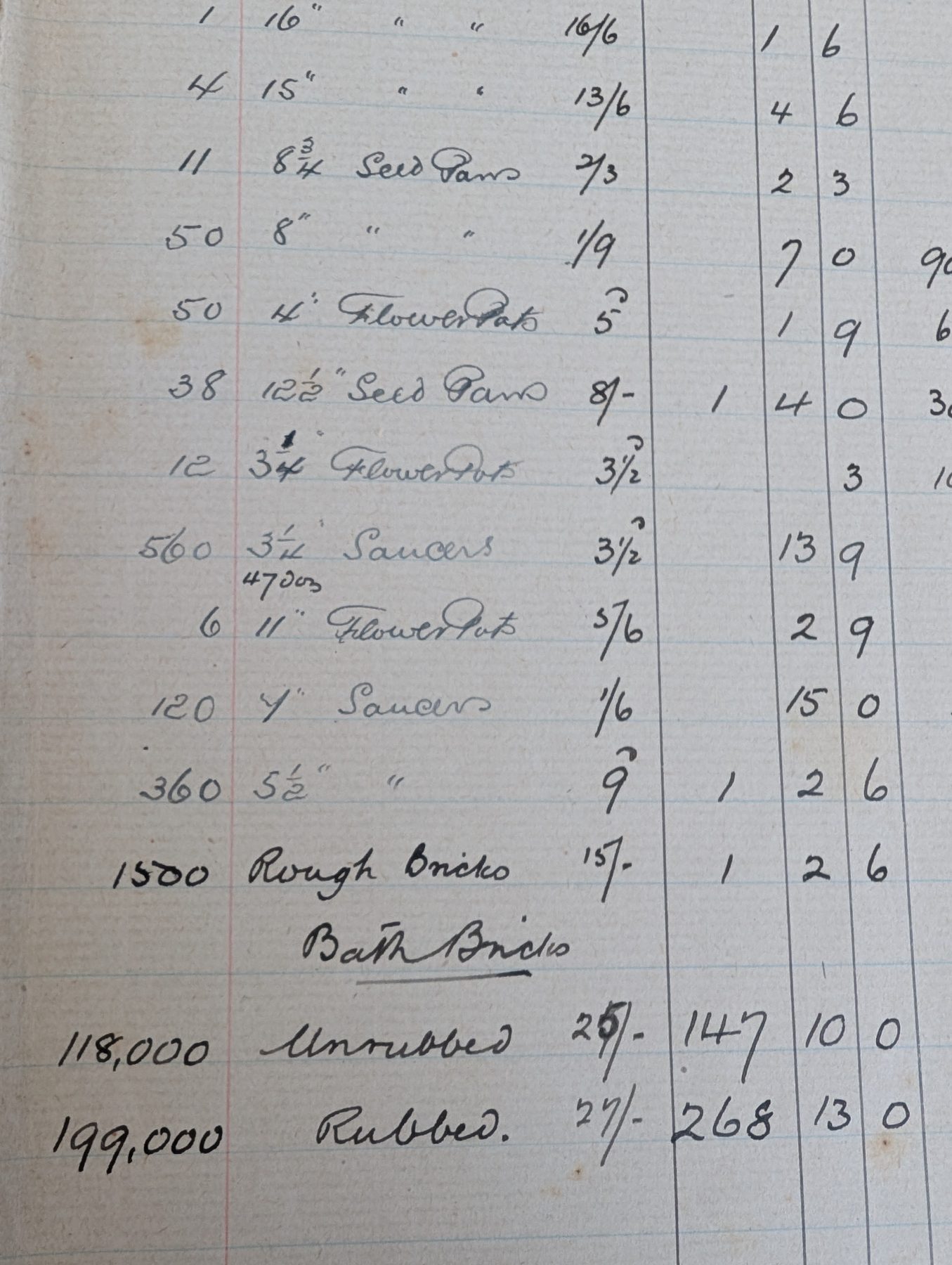
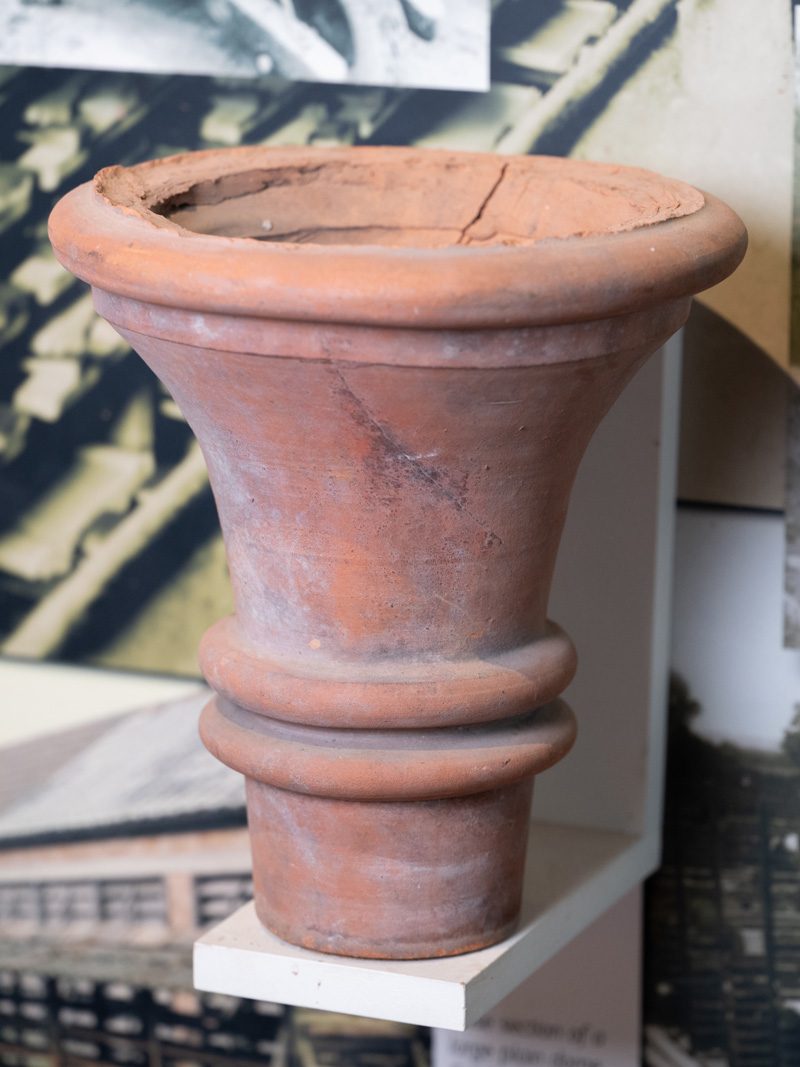
The Barham Brothers are best known for manufacturing bricks and tiles in Bridgwater, but archive records show they also produced decorative garden items including terracotta vases, pedestals, rhubarb forcers and flowerpots. These objects reflect the Victorian and Edwardian enthusiasm for gardening, home beautification and spending time outdoors. These items reveal how people took pride in cultivating their gardens and expressing their creativity through a favourite pastime.
Play and Learning in the 20th Century
Games continued to develop as both recreation and learning opportunities.
Photograph boys of playing chess at Taunton Preparatory School, 1956. by Stanley Kenyon. Held at the Somerset Heritage Centre.
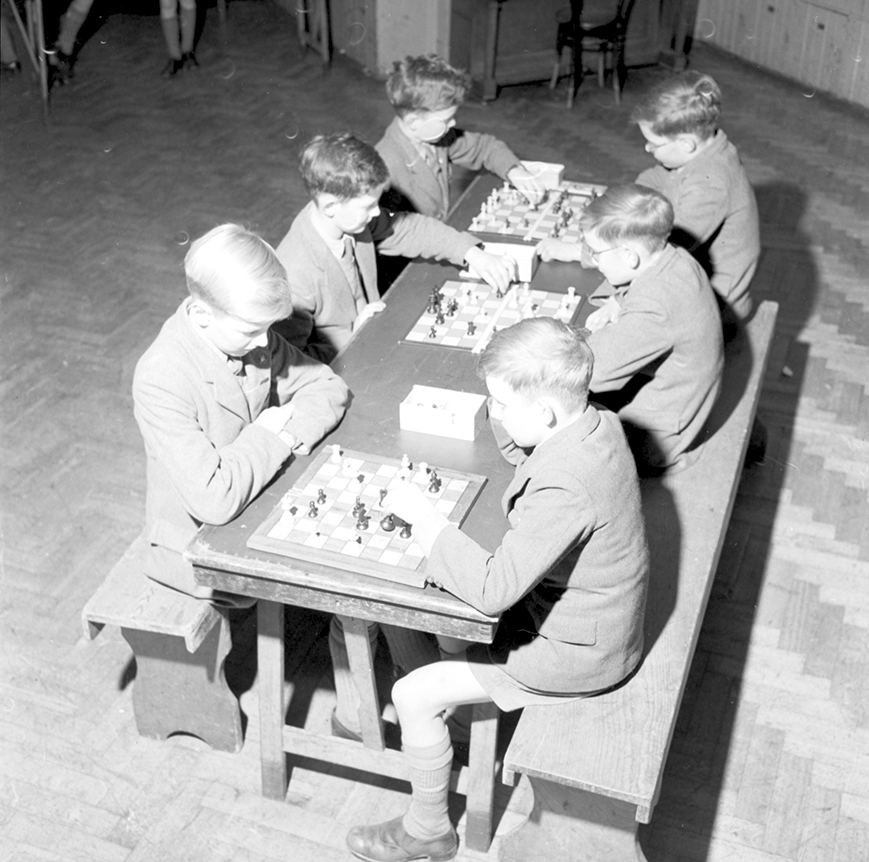
This photograph captures students gathered around a chessboard, showing how strategy games remained a popular pastime for young people in the mid-20th century.
What Play Tells Us About the Past
Somerset’s collections reveal that play has always been part of daily life. While the objects and games have changed over time, the reasons people play—for learning, competition, creativity and social connection—remain remarkably familiar. Next time you visit one of our sites, see how many examples of play through the ages you can spot.
Visit the Exhibition
Visit PLAY and reconnect with the toys that shaped your childhood, while the kids play their way through every corner.
Keep the fun going with weekly family craft activities, or try one of our family workshops — from Aardman model‑making to creating your own board game. Adults can enjoy their own playful sessions as well, including Art with Abandon, Watch the Skies: Second Sight, and grown‑ups‑only Aardman workshops.