
Bare branches, biting chills and the first sprinklings of snow on the hilltops signal that autumn has passed and the Wheel has turned once again. We now move towards the darkest of days and the quiet promise of new light, as the seasons settle into winter’s cold, frosty silence.
In this great darkness, we come to Yule, yet not far behind follows the first returning light of Imbolc. These two festivals mark a great duality within the Wheel, one of contrast and balance, of light and shadow – reminding us that every season is fleeting and never lingers for long.
Yule
The Winter Solstice (December 21 or 22)
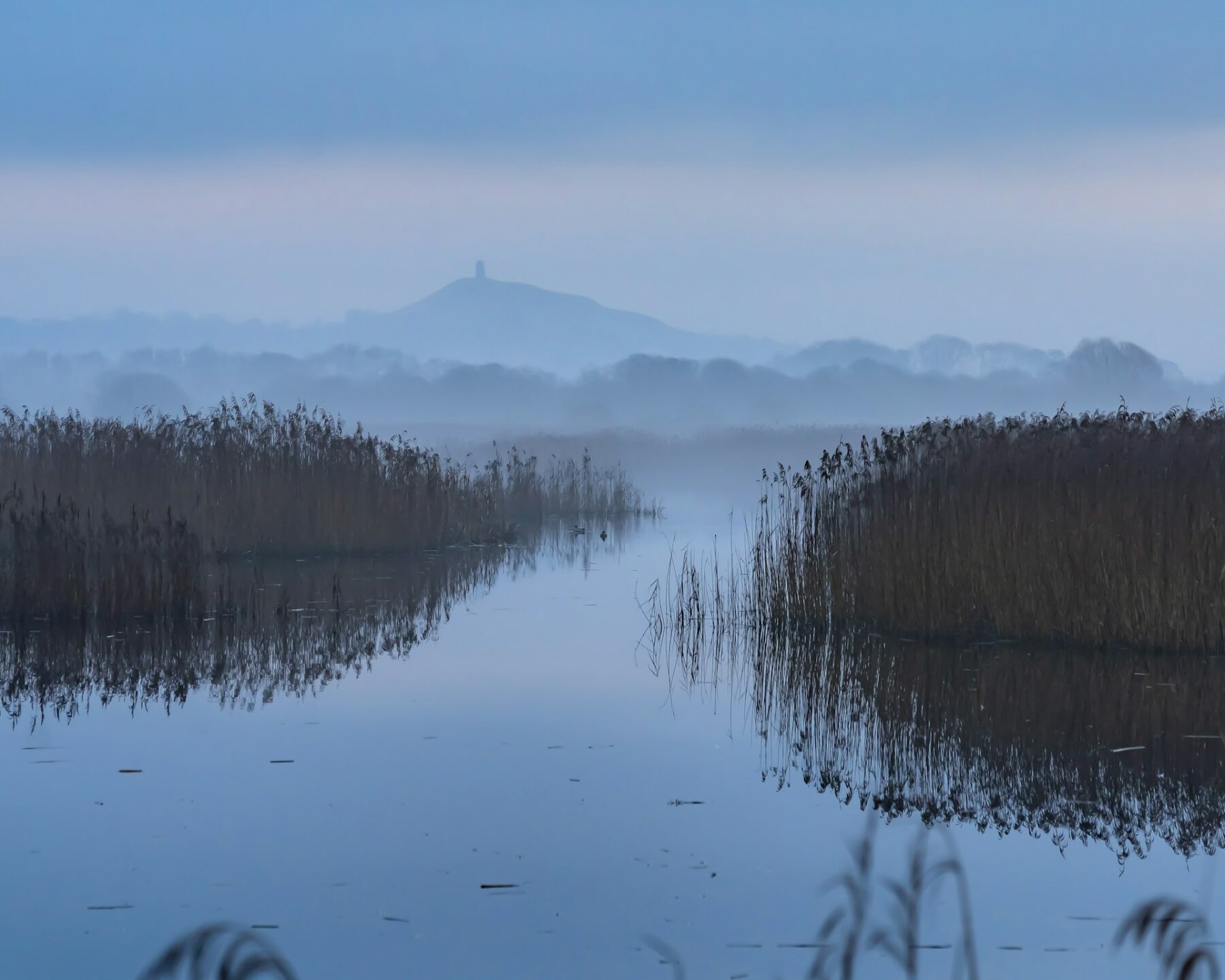
As winter settles in and the night reaches its darkest peak, we arrive at Yule, the winter solstice, and the first sabbat after Samhain, the Celtic ‘New Year’. Though now closely associated with Christmas and many familiar traditions, Yule’s roots stretch back to ancient Norse customs and midwinter celebrations.
Once celebrated as a three-night festival held during the longest night of the year, Yule was a solar festival that looked beyond the darkness to the promise of the returning light and the slow lengthening of days. The burning of a Yule log, the hanging of mistletoe, and the bringing of evergreens into the home stem from Norse practices and mythology, with many customs gaining popularity in Britain during the 19th century.
Today, Yule remains a time to pause and gather, to reflect in winter’s stillness and welcome in the brighter days ahead as spring is soon to follow.
Imbolc
St Brigid’s Day – Spring’s Beginnings (February 1 or 2)
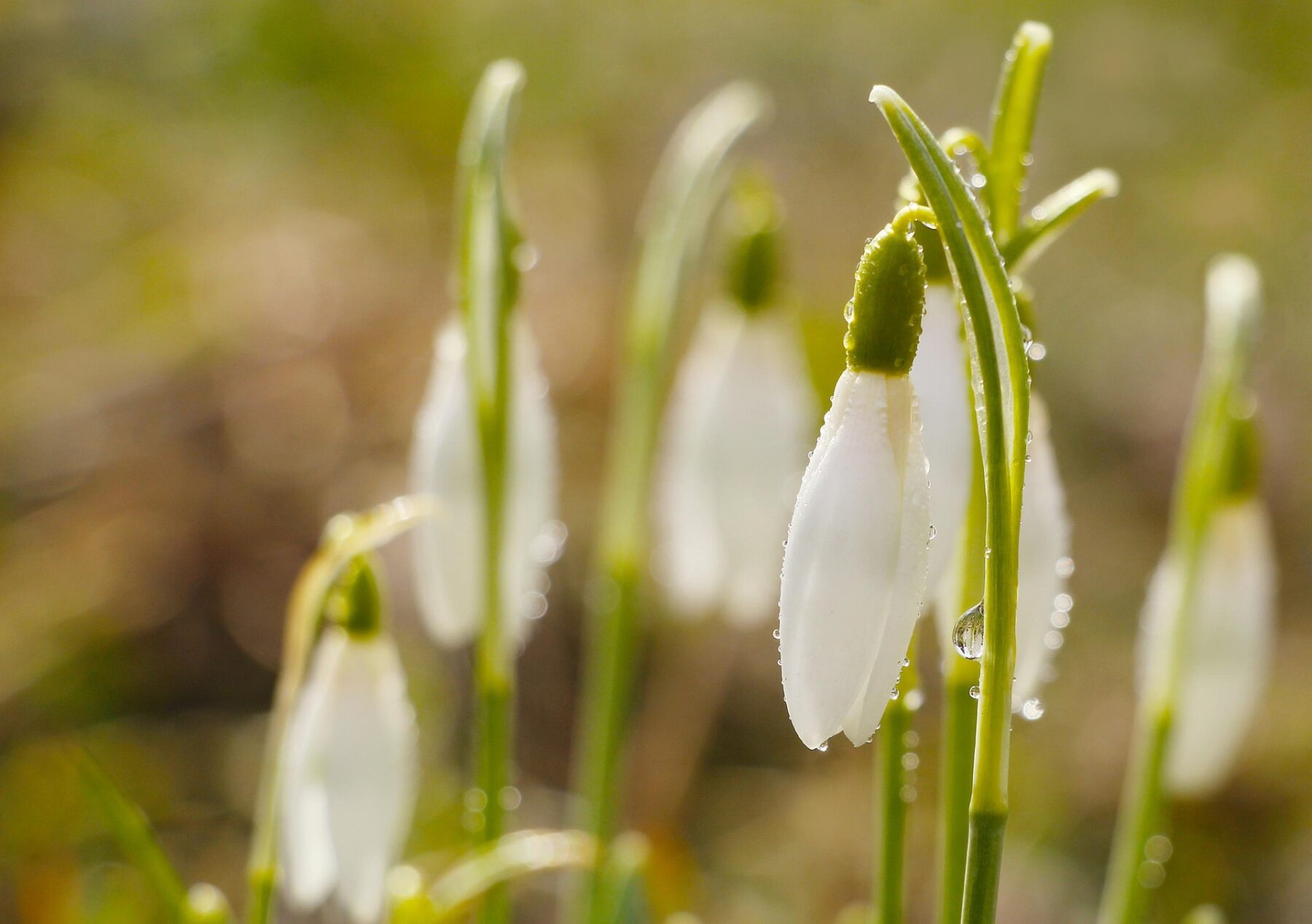
After Yule, the long nights slowly shorten and the first quiet signs of life begin to stir beneath winter’s grasp, signalling the arrival of Imbolc and the onset of springtime. Falling halfway between the winter solstice and the spring equinox, Imbolc is the first of the great fire festivals, rooted in pastoral traditions that celebrated renewal, fertility, and the soon to awaken earth.
Stemming from ancient Gaelic traditions, Imbolc is closely associated with Brigid, both the revered saint and the older Pagan goddess of healing, wisdom and fertility. Bonfires were lit and small effigies were crafted in her honour to welcome her blessings for the coming season.
From Darkness to Light
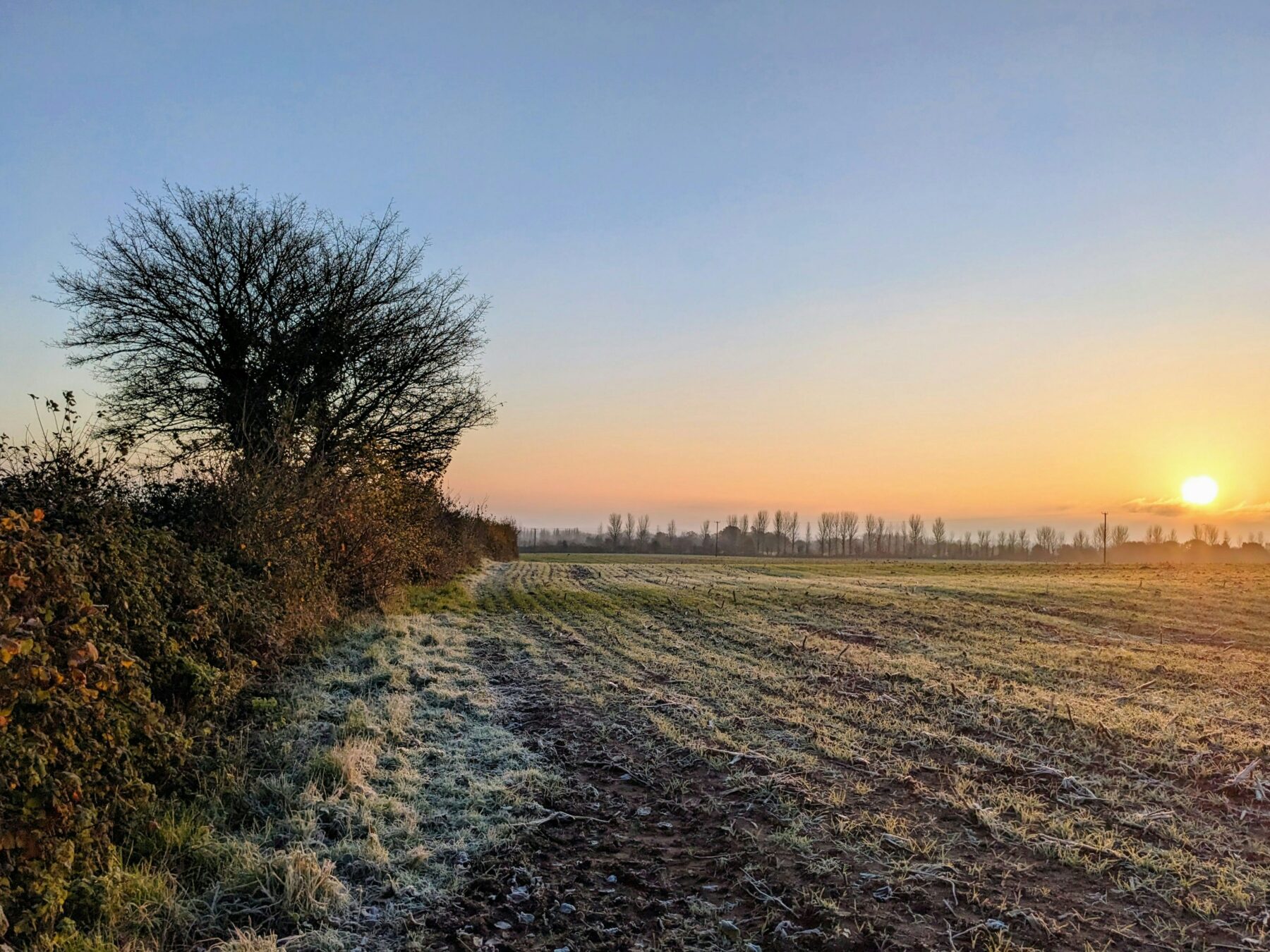
Together, Yule and Imbolc mark a quiet, cold chapter within the turning Wheel. A time to rest deep in the darkest of days, and to anticipate the rebirth of the sun as the land prepares to stir. From this slumber, the path bends towards light and warmth, leading us into the awakening vitality of Ostara and onward to the blossoming abundance of Beltane.
- The Avalon Marshes is a magical wetland landscape, nationally important for its rich cultural heritage. At Avalon Archaeology, a programme of year-round events and workshops explore the heritage and seasonal traditions of this unique place and its people. See What’s On.
- At Somerset Rural Life Museum, Glastonbury, you can explore landscape, creativity, rural traditions and beliefs and more. Discover the former Abbey Farm, the magnificent 14th century Abbey Barn and a traditional cider orchard.
Header Image: Elliott B on Unsplash