
Earlier this year Devon Archives were contacted by a gentleman in Salisbury who told us that he possessed a series of nine original watercolour paintings of tollhouses – Dunsford, Elmfield, Heavitree, Mary Pole Head, Mount Radford, Okehampton, Red Cow, Stoke Hill and Withybridge – that were situated in and around Exeter in the nineteenth century. They were painted by George Townsend (1813-1894), an Exeter artist who specialised in paintings and engravings of local scenes and buildings.
Turnpike Trusts
The principle of levying tolls for the use of particular roads to finance their upkeep dates from at least the fourteenth century, but turnpike roads started to come into being from 1663, when the Great North Road between Hertfordshire and Cambridgeshire became a turnpike. The first turnpikes in Devon were in towns and on some of the principal coaching routes, and the initial work of the Turnpike Trusts consisted of improving the roads’ surfaces and building new routes to make it easier for travellers to pass over the steepest of the county’s hills. Turnpike Trusts, which administered the collection of tolls and the management of roads, began to be created in the 1750s. The Exeter Turnpike Trust was established in 1753 to manage a huge network of roads radiating from Exeter and grew to become one of the largest Trusts in England in terms of the mileage of roads it administered.
Tollhouses In and Around Exeter
Tollhouses – at which tolls were collected from road users by toll collectors – began to be built from the early days of Turnpike Trusts, but most do not survive today, including those depicted in Townsend’s paintings. However, the sites of the houses, which were at junctions of important roads leading out from Exeter, will be known to anyone familiar with the city’s geography.
Dunsford Gate was at the foot of Dunsford Hill in St Thomas, on the western edge of the city; Mary Pole Head Gate was at the junction of Pennsylvania Road and Rosebarn Lane; Mount Radford Gate was on the Topsham Road, to the east of the city centre; Elmfield Gate was on New North Road, in St David’s parish; Stoke Hill Gate was on Stoke Hill; Red Cow Gate was in the area near St David’s railway station which became known as Red Cow Village after the public house of the same name (now demolished); Withybridge Gate was on Blackboy Road; Okehampton Gate was at the foot of Redhills, in Exwick, at the start of what is now referred to as the ‘old’ Okehampton Road and Heavitree Gate was at the junction of Magdalen Road and Heavitree Fore Street.

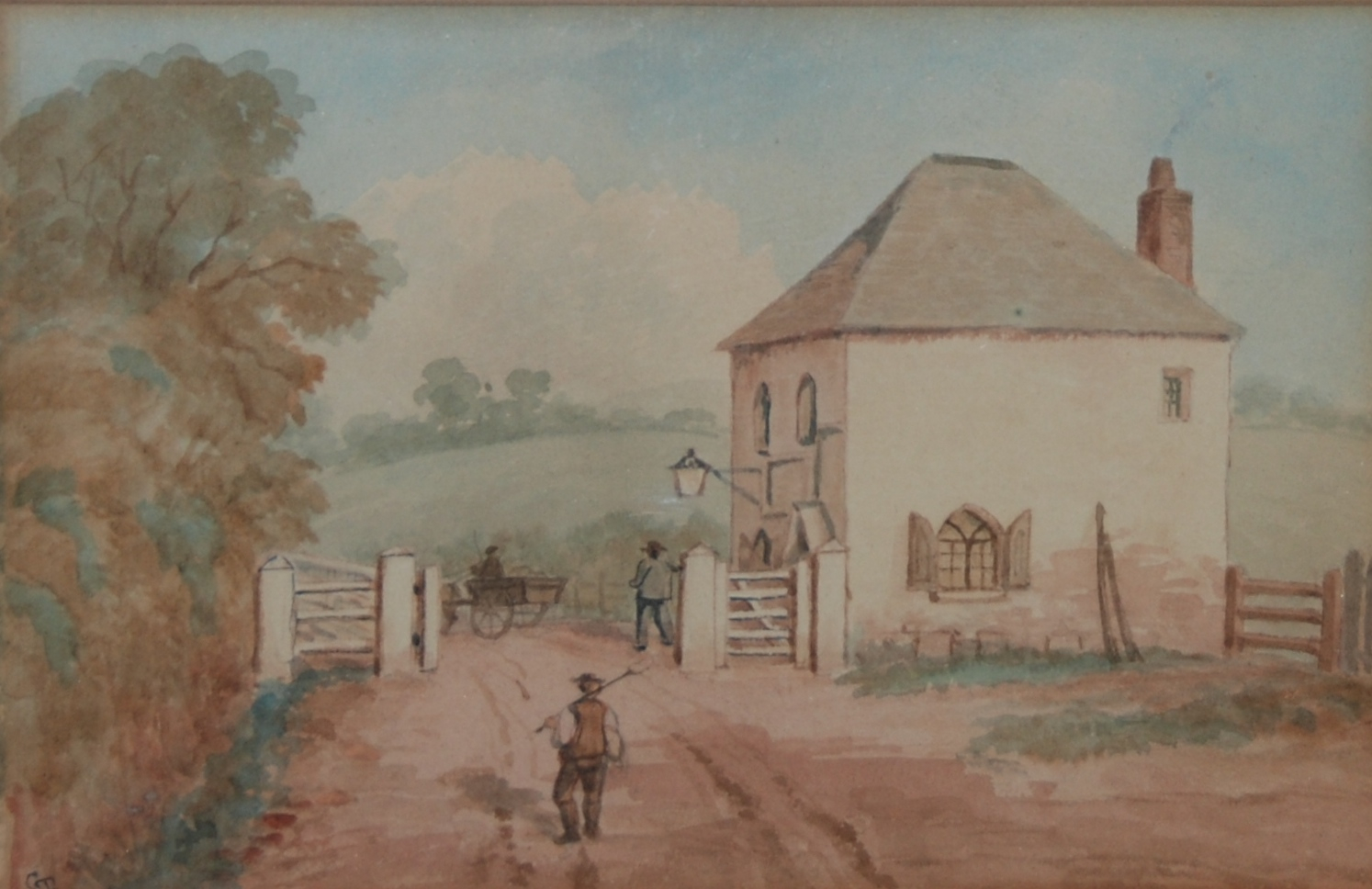
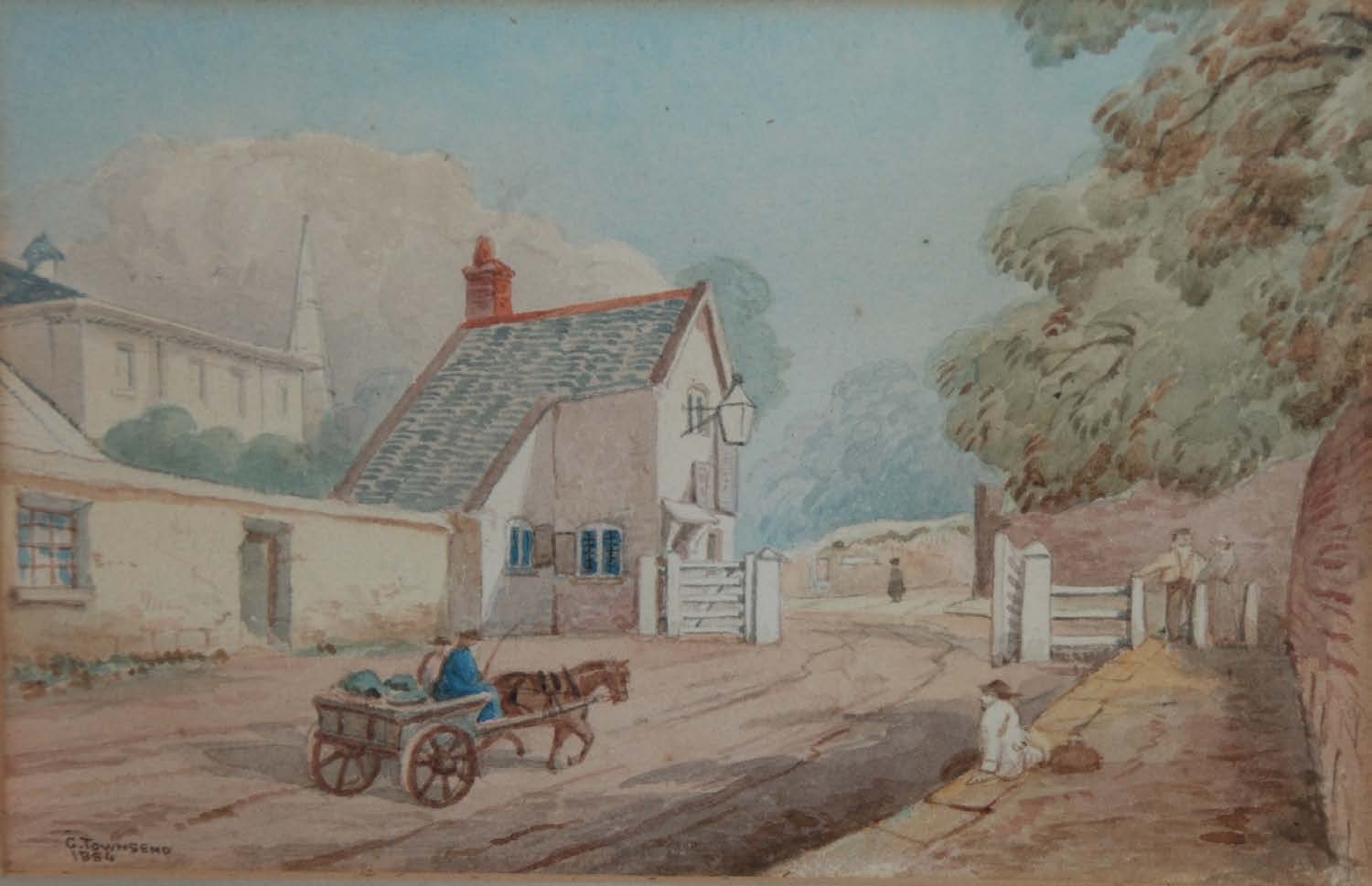
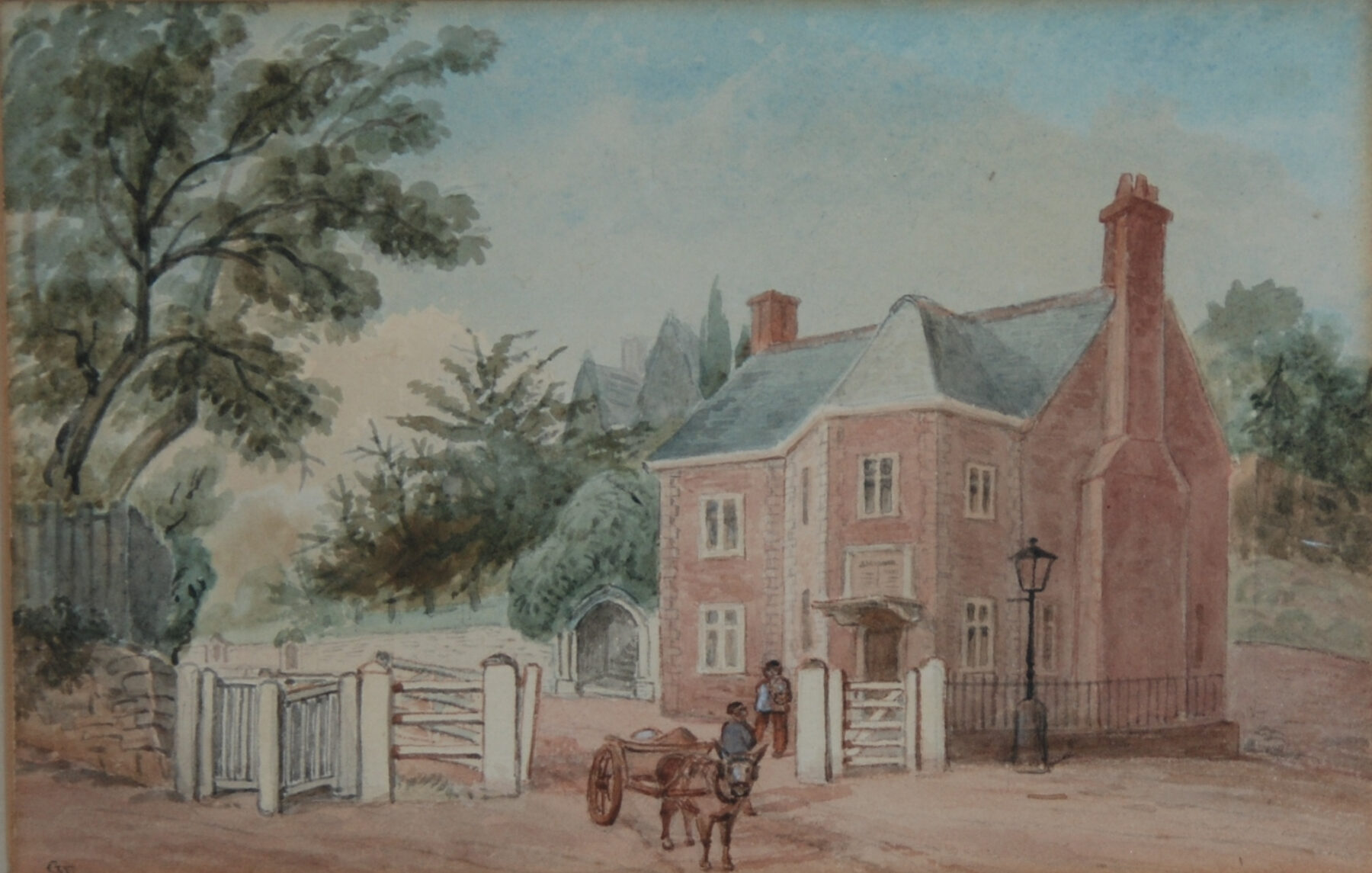
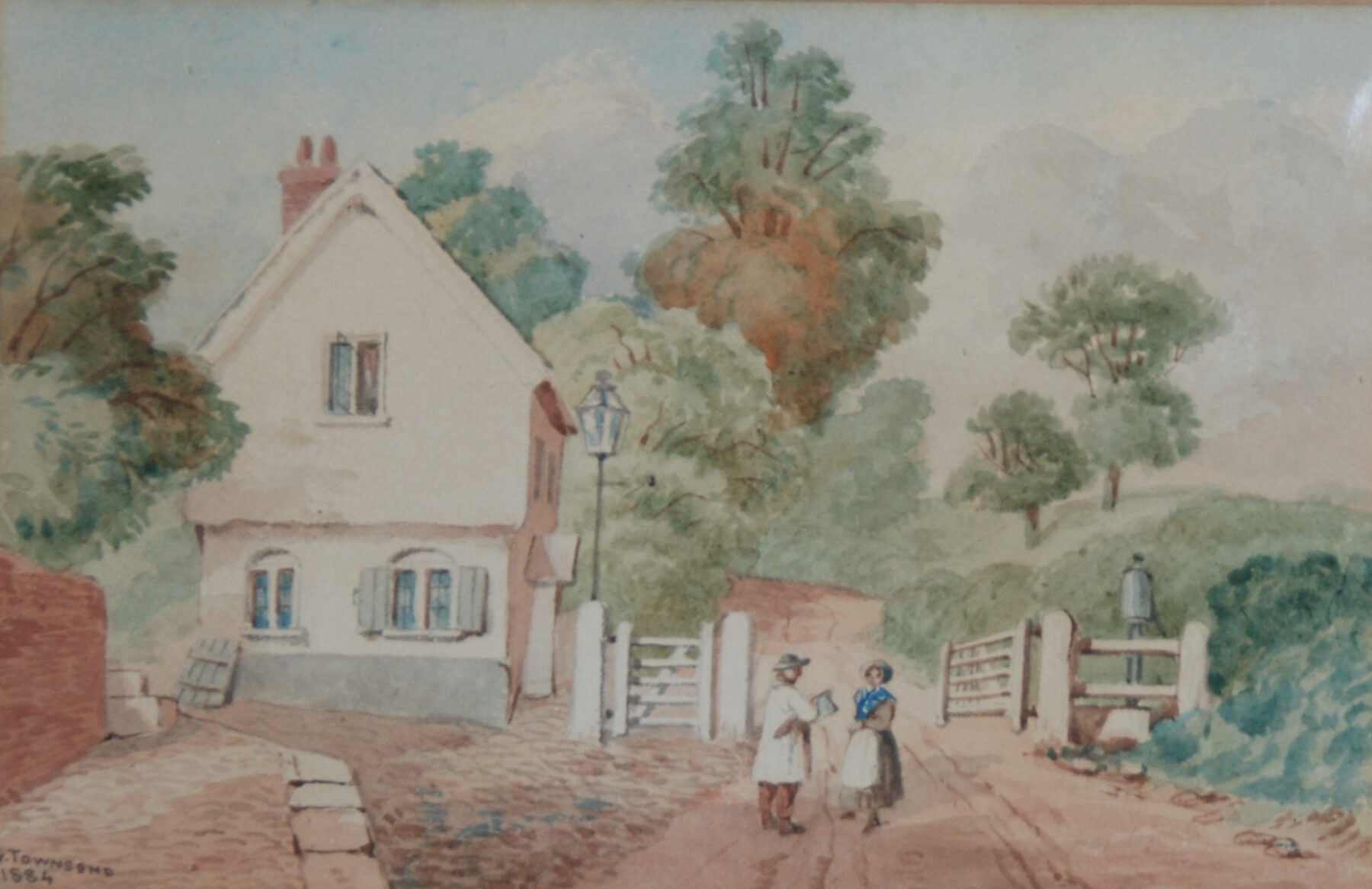

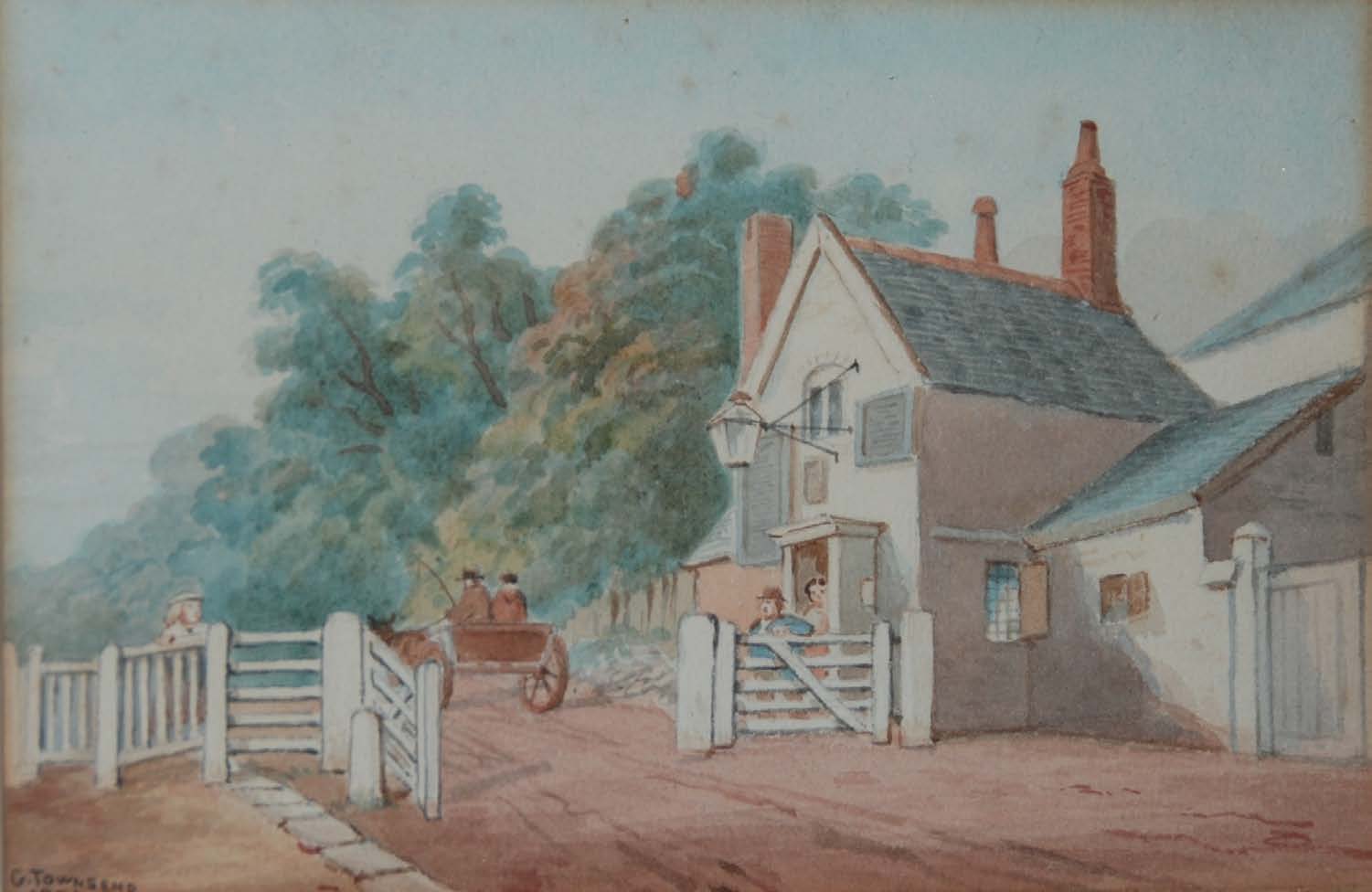
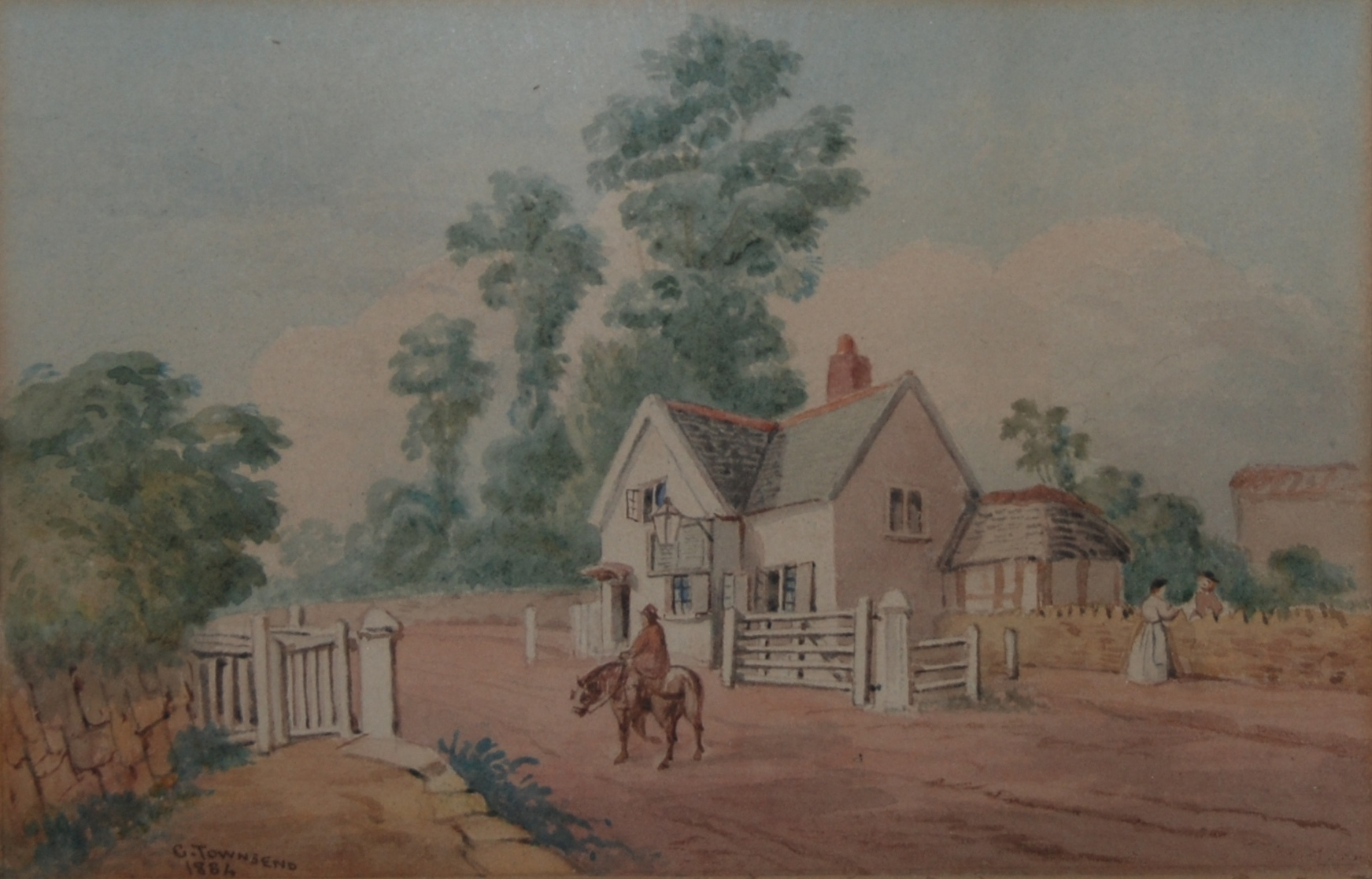

The watercolours are a welcome addition to our collections, providing an informative and visually attractive guide to the streetscape of Victorian Exeter.
Brian Carpenter, Archivist