As part of our funding, we have committed to delivering a series of talks about underrepresented stories form our collections and wider in the South West. See a summary of some of the talks we have facilitated below. Access the recordings of these talks and others for a small fee here: South West Heritage Trust (crowdcast.io)
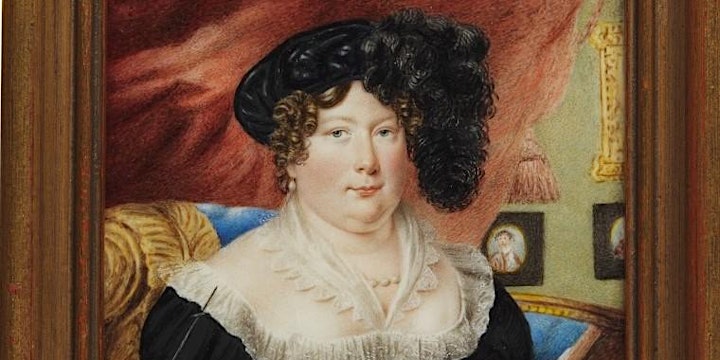
Sarah Biffin
Tom Mayberry, former Chief Executive of the South West Heritage Trust, lead a talk about the remarkable life of Sarah Biffin (1784-1850).
Sarah Biffin’s journey from sideshow attraction to artist patronised by royalty was little-known until recent years. She was disabled from birth, but her early talent blossomed into outstanding artistic ability. Sarah came from East Quantoxhead, where the baptism register records that she was ‘born without arms or legs’, a rare condition now known as phocomelia. Her determination was clear from the beginning. She learned to use her mouth to hold implements and was soon highly skilled in sewing, drawing and painting. She went on to train as an artist and became one of the 19th century’s leading painters of portrait miniatures, patronised by royalty.
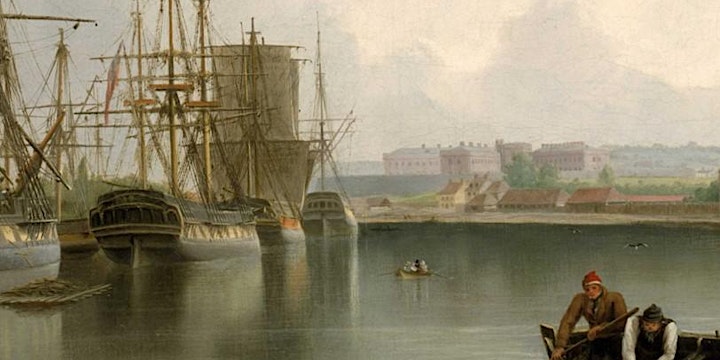
Slavery in the South West
This talk by Dr Richard Stone considered how the connections with Bath and Bristol spread the influence of slavery into the wider South West region.
Dr Richard Stone is a Senior Lecturer in the Department of History at the University of Bristol where his research focuses on the history and legacies of Atlantic slavery. Richard is especially interested in the role of Atlantic trade and slave derived wealth in shaping the development of major institutions and the wider economy, and the complex relationships between slavery and abolition, business and philanthropy. Richard is a member of the Center for Black Humanities, Center for Environmental Humanities, and Early Modern Studies Research Group at the University of Bristol.
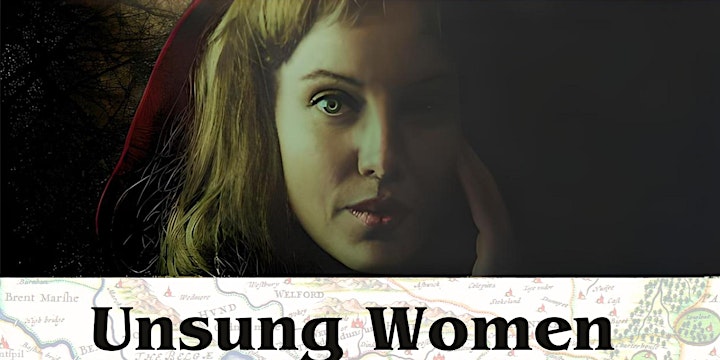
Unsung Women in Somerset
Helen Pugh is the author of ‘Unsung Women in Somerset’ (published Nov 2023) a new book that charts the lives of remarkable women in Somerset from pre-Roman to modern times.
This talk helped us discover women with courage, kindness, innovation and even some who smashed the rules!
Helen went to secondary school in Bath, and then attended the University of Bristol. After more than eight years living abroad, she returned to Somerset in 2018 and lived in Shepton Mallet with her family before moving to Midsomer Norton.
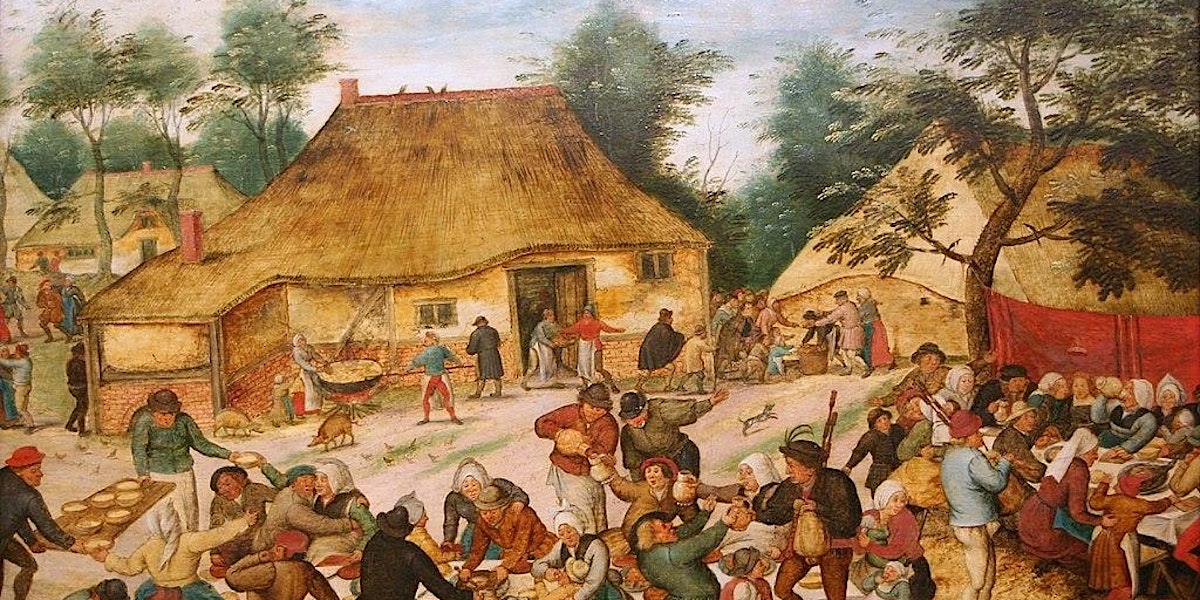
Working Class Life in 17th Century Somerset
What was life really like for the ordinary people of Somerset in the 17th Century?
Join Dr Mark Hailwood as he looks back 400 years to discover the diverse experiences of every day life in the county.
Mark is working on a project that uses witness statements from court records to reconstruct everyday life in seventeenth-century Somerset villages from the testimony of the ordinary women and men who actually lived in them.
Women Artists of the Second World War
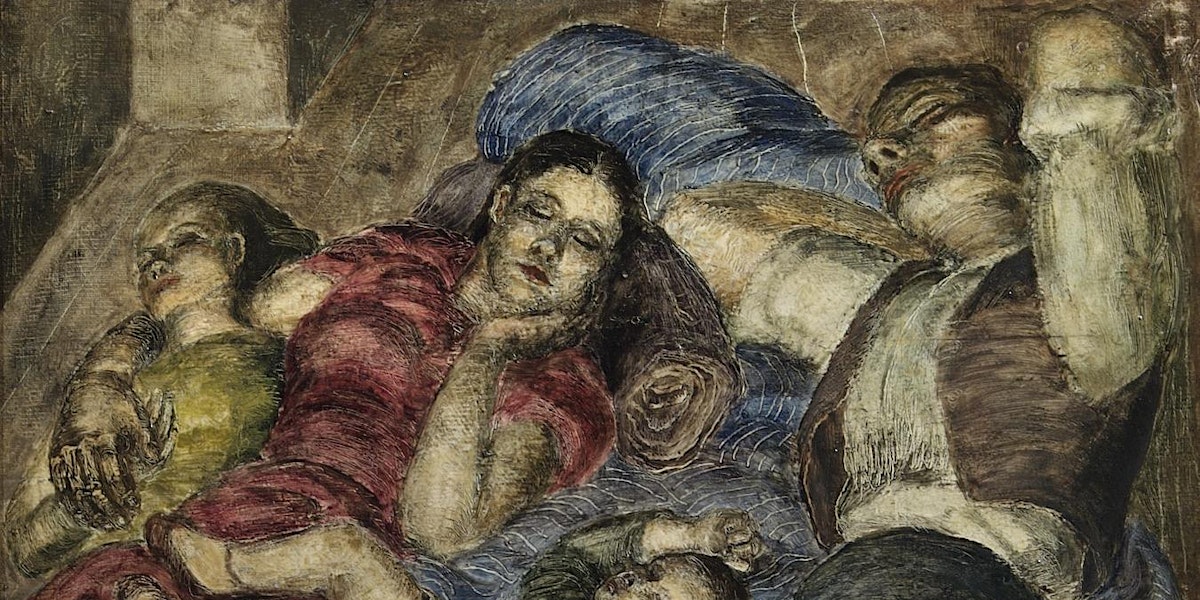
Curator of Art at the Royal Air Force Museum Julia Beaumont-Jones joins us to explore women artists of the Second World War, including Rachel Reckitt, Sybil Andrews among others.
The RAF Museum’s art collection features around 400 works of Official War Art from the War Artists’ Advisory Committee’s scheme, mostly by male artists due to the era’s patriarchal culture. Women artists often received shorter commissions or had their works purchased selectively. Many produced war art independently while working in various war efforts. Hear more about their challenges and contributions during WWII in the Great Hall.
Life in the Era of Practical Magic
Join Dr Tabitha Stanmore in an exploration of magic in England between the 14th and 17th centuries and discover how folk practises were built into the fabric of everyday life.
By the end of the evening, you’ll know how communities in Somerset and beyond viewed magic as a necessary part of farming life.
Dr Stanmore’s book on the subject is being released in paperback at the end of May and copies will be available for purchasing on the night.
A New History of Women’s Work in the Tudor Era
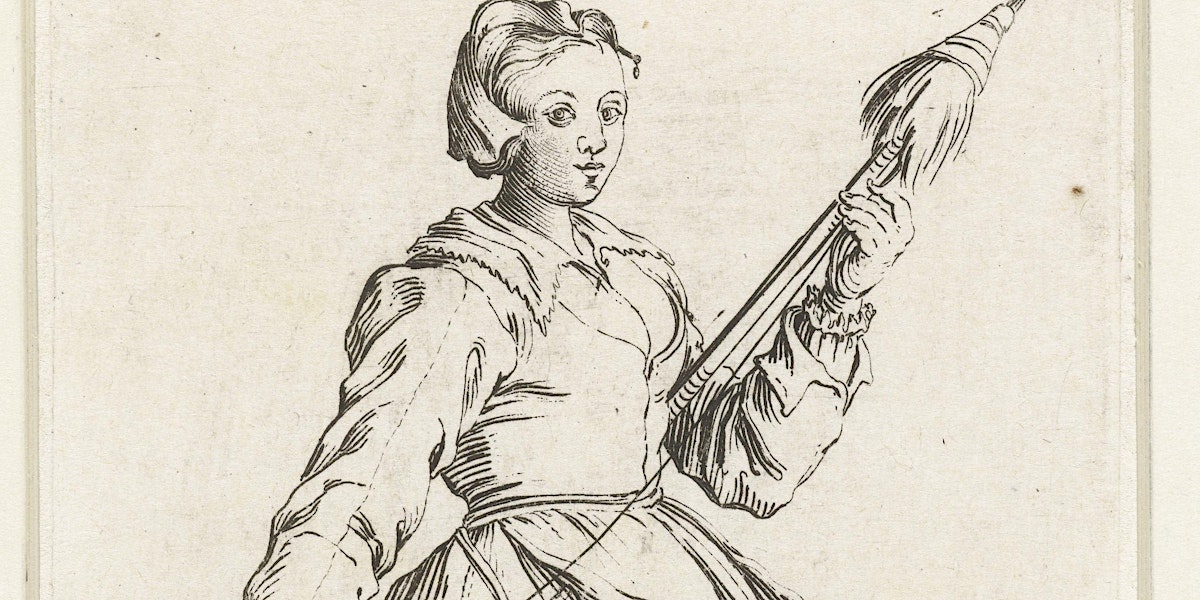
Join us for a fascinating talk that sheds new light on the working lives of women during the Tudor and Stuart periods. Professor Jane Whittle, an expert in economic and social history at the University of Exeter, presents research that challenges long-held assumptions about women’s roles in early modern society.
Drawing on compelling witness statements from court records, particularly rich sources from Somerset and Devon Professor Whittle reveals the diverse and active contributions women made across the economy.
Struggles, Strikes, Solidarity – Women Workers in the 1900s
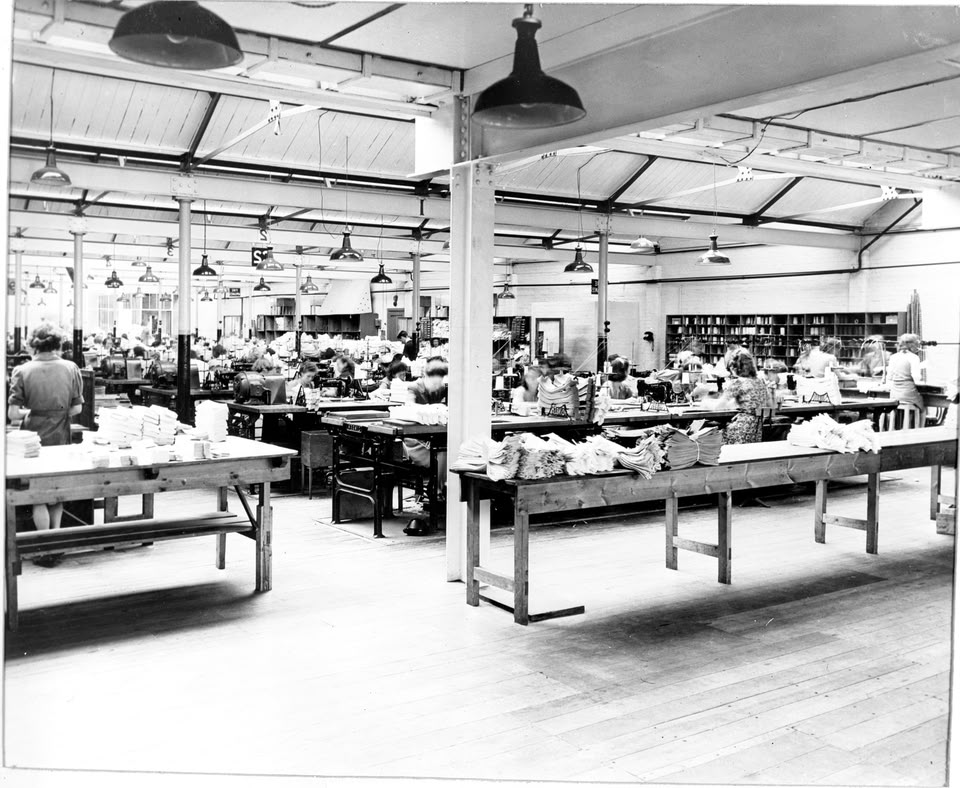
In 1907, Taunton’s women workers took a stand and a branch of The National Federation of Women Workers was formed.
Join Cathy Hunt, an independent historian, as she explores the challenges faced by women in the 20th century and the extraordinary efforts to organise an all-women trade union under the leadership of Mary Macarthur.
We use cookies on this website to help provide the best experience for you. Find out more.
Functional
Always active
The technical storage or access is strictly necessary for the legitimate purpose of enabling the use of a specific service explicitly requested by the subscriber or user, or for the sole purpose of carrying out the transmission of a communication over an electronic communications network.
Preferences
The technical storage or access is necessary for the legitimate purpose of storing preferences that are not requested by the subscriber or user.
Statistics
The technical storage or access that is used exclusively for statistical purposes.The technical storage or access that is used exclusively for anonymous statistical purposes. Without a subpoena, voluntary compliance on the part of your Internet Service Provider, or additional records from a third party, information stored or retrieved for this purpose alone cannot usually be used to identify you.
Marketing
The technical storage or access is required to create user profiles to send advertising, or to track the user on a website or across several websites for similar marketing purposes.