Somerset Archives makes an appearance in Channel 4’s ‘Britain Behind Bars: A Secret History’ documentary series with Rob Rinder.
On Sunday 4 August, the Somerset Heritage Centre made a TV appearance, as part of a series documenting historic prison life in Britain presented by Rob Rinder.
Watch the episode here.
Britain Behind Bars
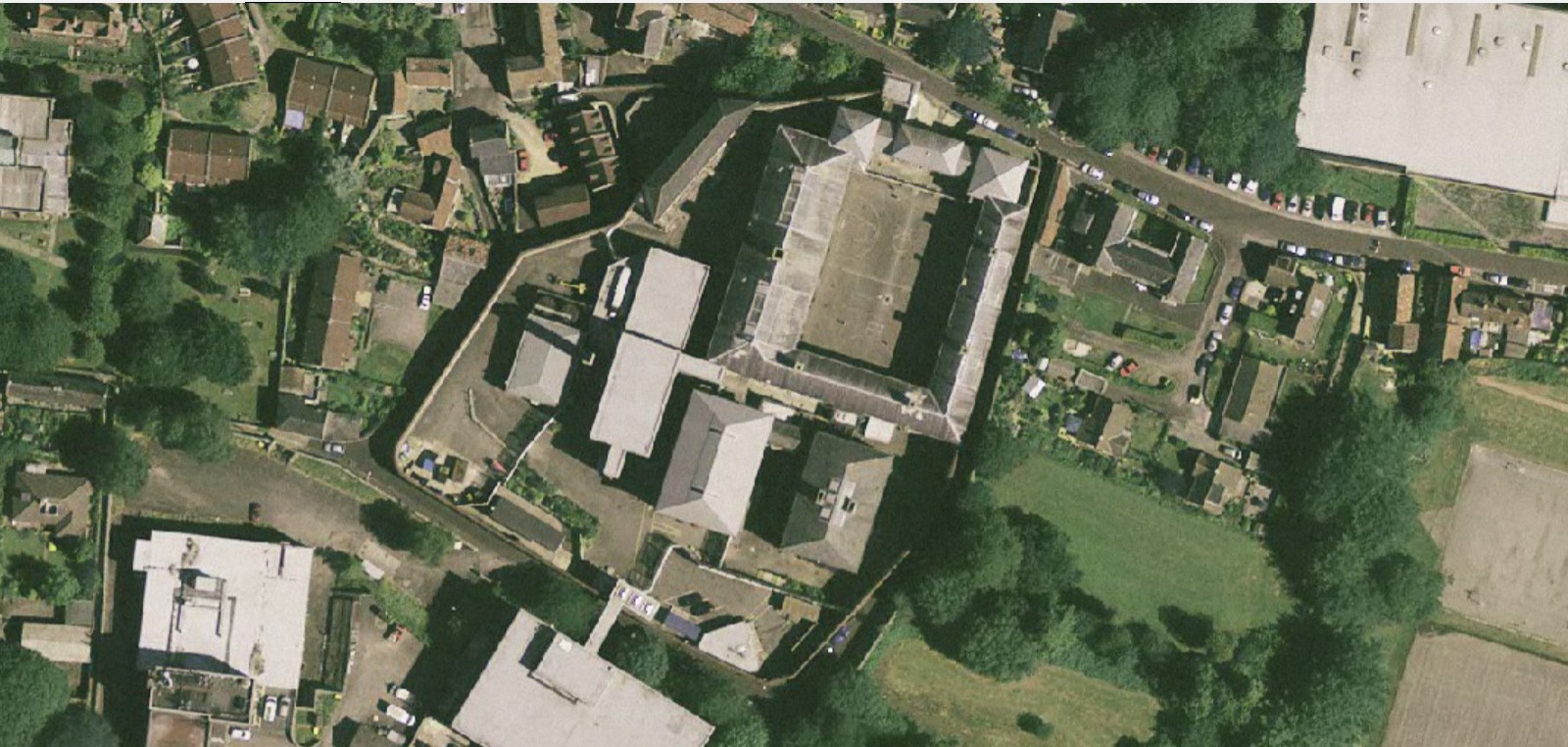
Britain Behind Bars uncovers a secret history of Britain going back centuries hidden behind the prison walls of three of Britain’s most famous prisons: Dartmoor Prison in Devon, Shrewsbury Prison in Shropshire, and Shepton Mallet Prison in Somerset. The series traces several absorbing stories from petty crooks to infamous gangsters, hangmen, extreme brutality and explosive riots.
In the final episode presenter Rob Rinder visits the Somerset Archives and Local Studies Searchroom where he discovers our incredible archives in the hopes of learning what prison life was like for petty criminals in Somerset. He follows the story of Beatrice Tucker and her prison sentences in Shepton Mallet Prison.
The Prison
Shepton Mallet Prison has a 400 year lifespan dating back to 1625. It became Somerset’s County Gaol in 1884 and was the oldest working prison in the country until it closed in 2013. Somerset Archives holds over one thousand records relating to Shepton Mallet Gaol in particular. You can search for those records, including registers of prisoners, quarter session trial records and indexes on our online catalogue.
Once in the searchroom Rob examines a record of women offenders from 1890s which references Beatrice and reveals that she made Shepton Mallet Prison her custodial home as many as twenty times. The archives reveal how Beatrice’s petty crimes were part of a general rise in Somerset crime during the 1890s, petty offences which were often committed simply to avoid homelessness and to seek asylum within the prisons.
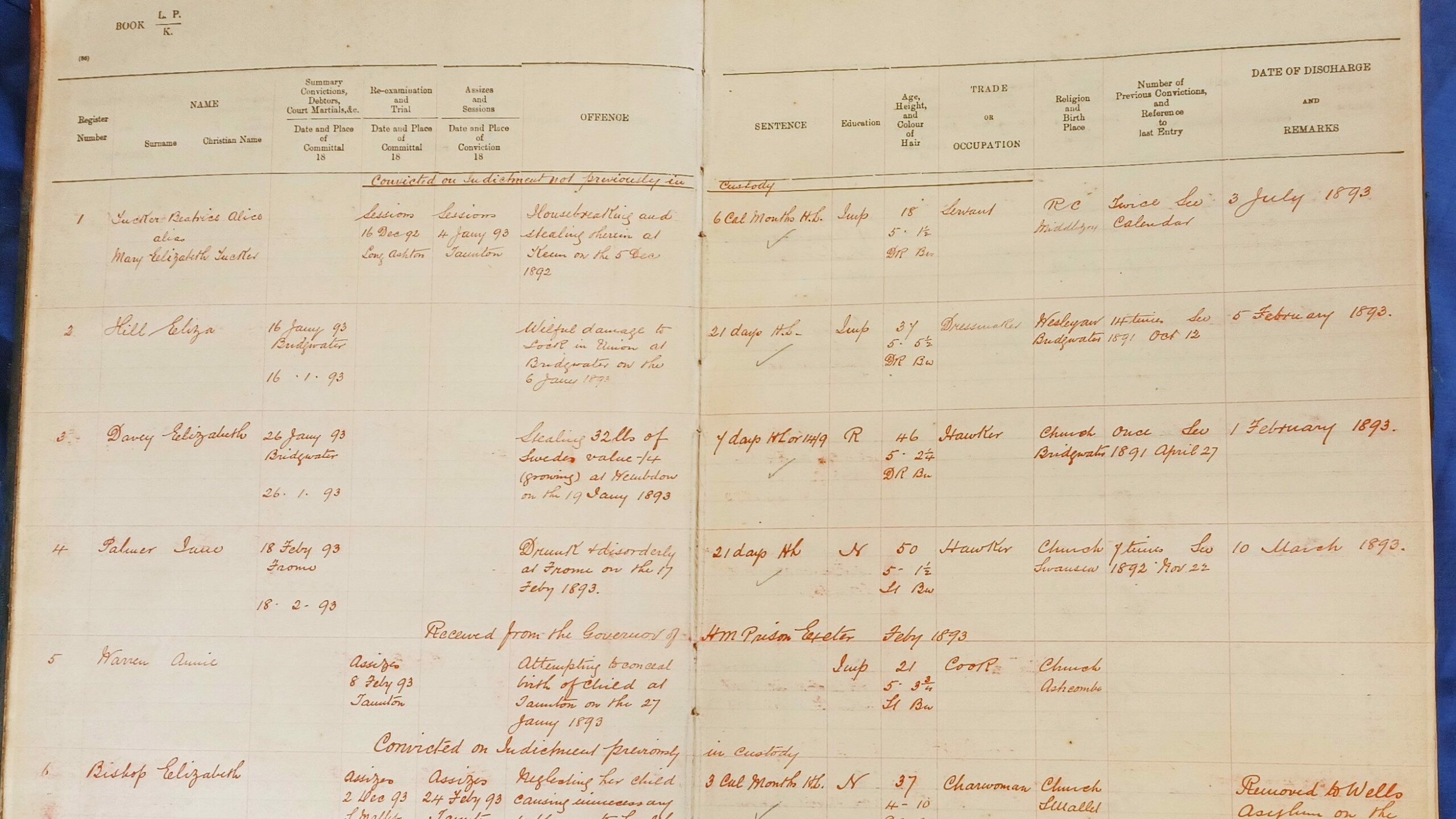
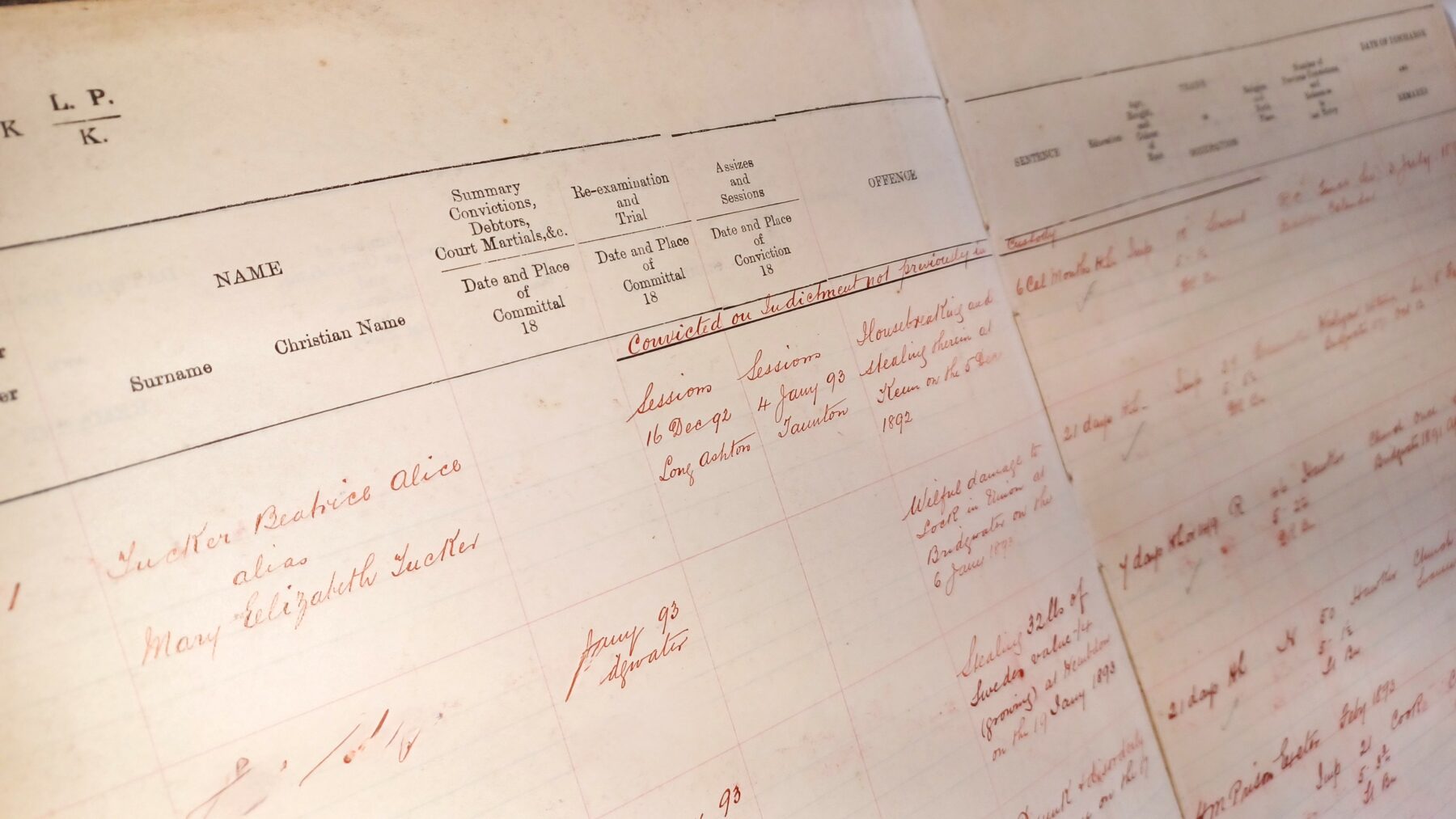
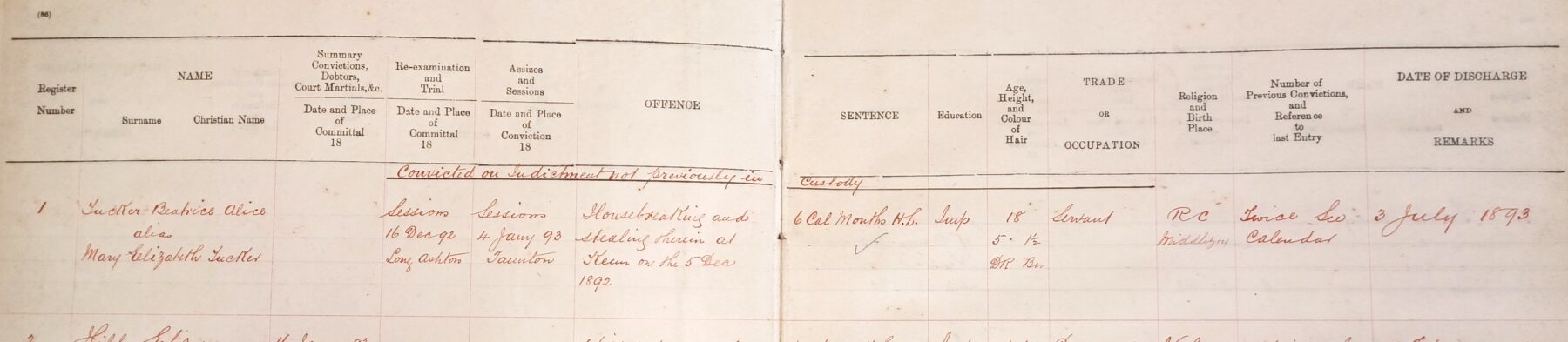
Initially Shepton Mallet Prison was called a House of Correction in 1624 and inmates were housed together all in one large cell regardless of age, gender or crime, without bedding or sanitation. Conditions were appalling, punishments frequent and the food quality extremely low. By the time Beatrice Tucker was incarcerated, in 1893, much had changed, but the prison was still a place of punishment, the discipline was harsh and regulations were strict.
The Treadmills
One aspect of prison life that the programme touched on is punishment. Many prisons had penal treadmills installed in the 1800s.
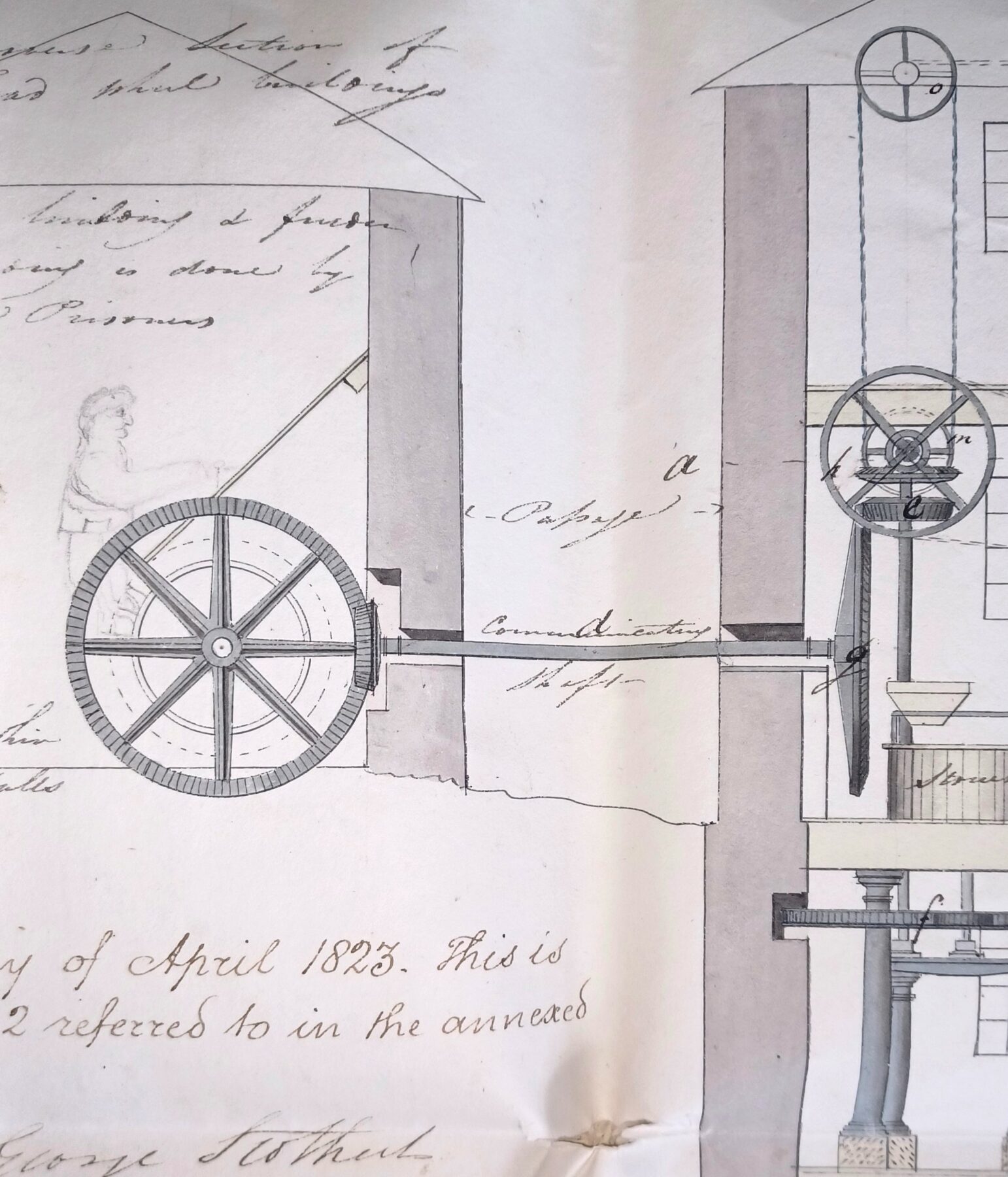
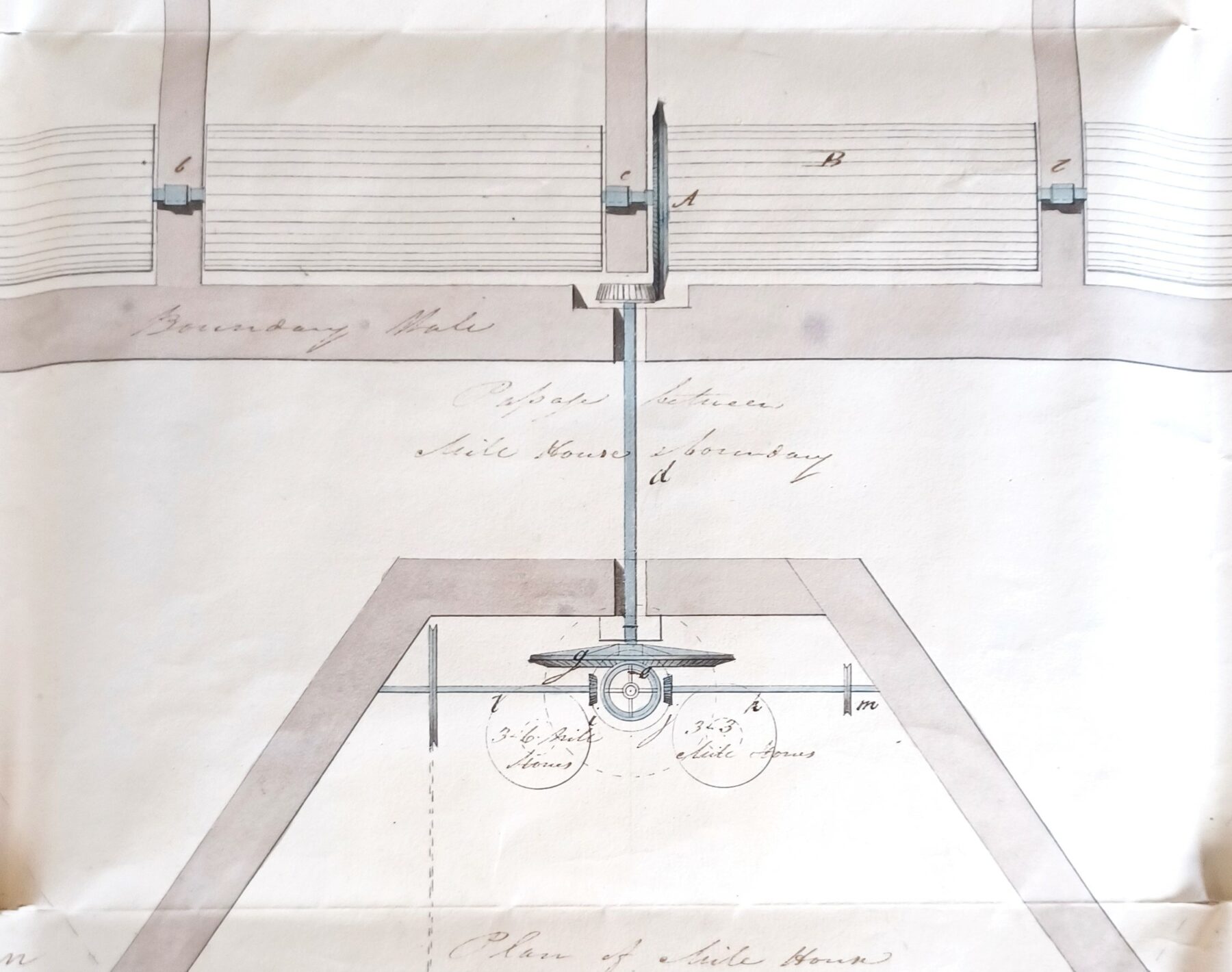
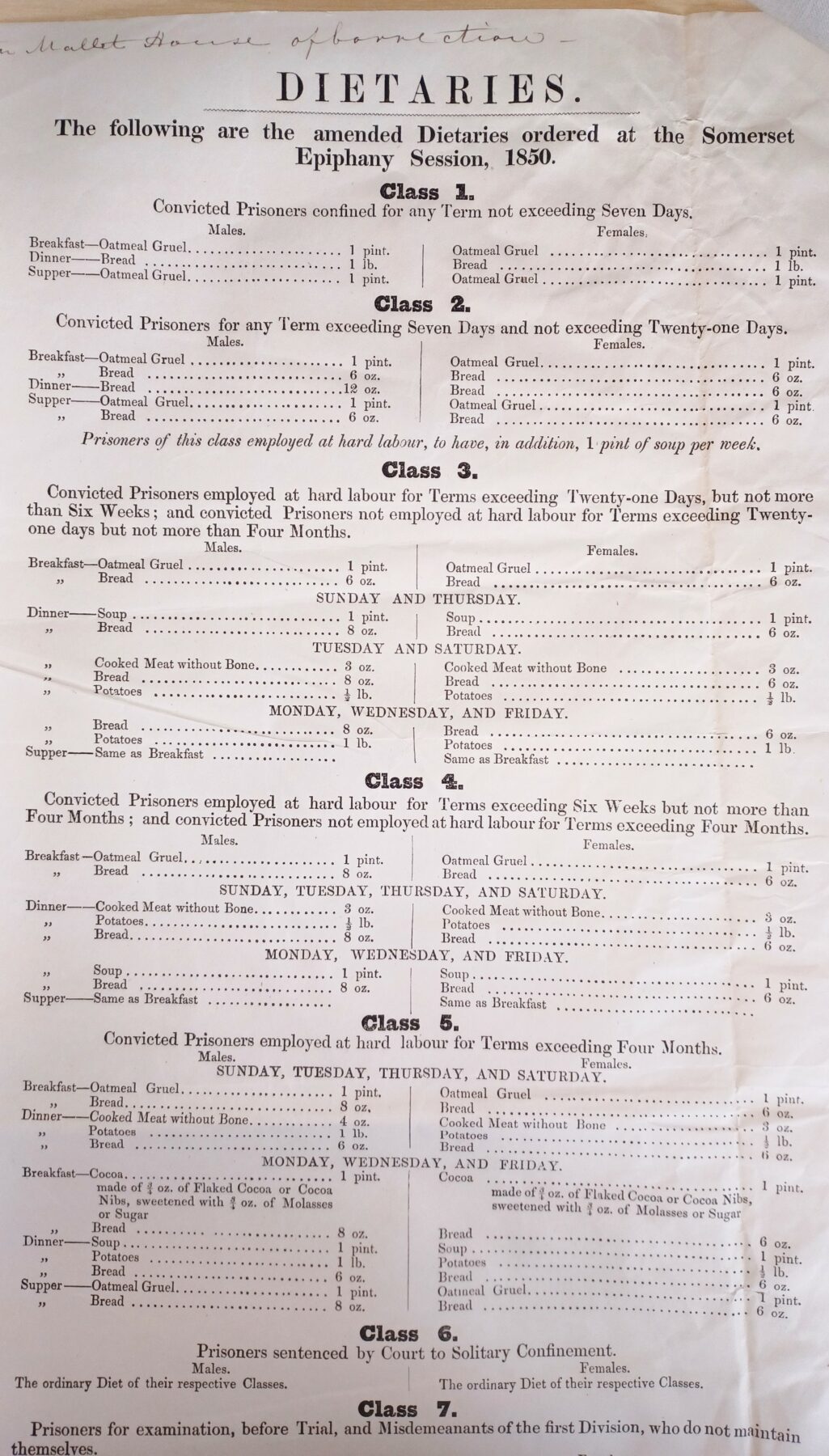
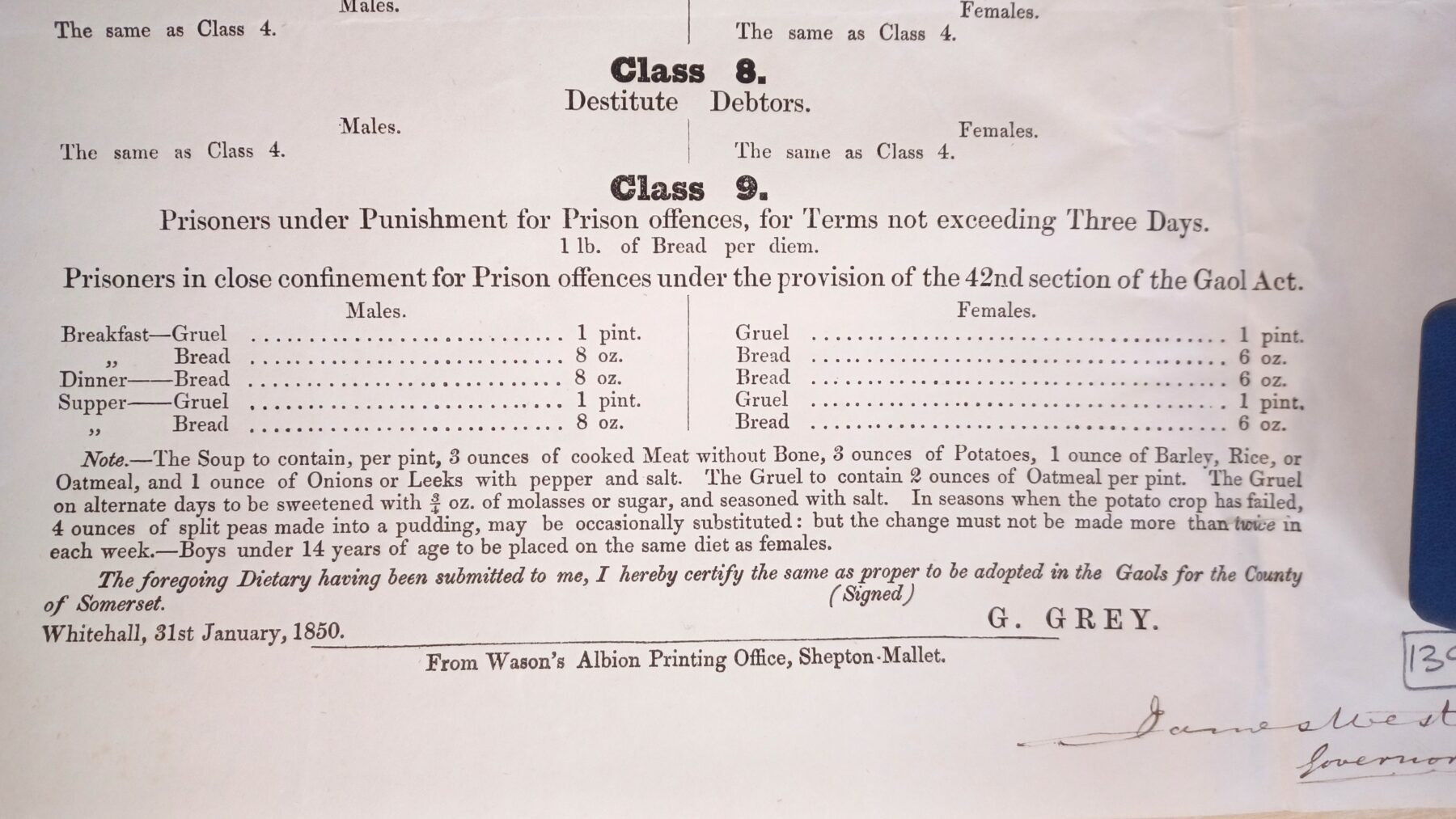
Treadmills were sometimes used for practical and productive purposes such as grinding corn for food rations, but often this torturous form of hard labour was intended for ‘activity’ – to keep the prisoners occupied during the day. Other tasks for prisoners in Somerset prisons were oakham picking (unpicking the fibres of old ropes to be re-used in mattresses and mats), dowlas weaving, and stone-breaking. These forms of punishment, combined with extremely strict food rations were intended as a deterrent for those who would seek refuge in prison. The food rations were very severe, described as ‘scientific starvation’ on Britain Behind Bars.
Our Special Searchroom Guest
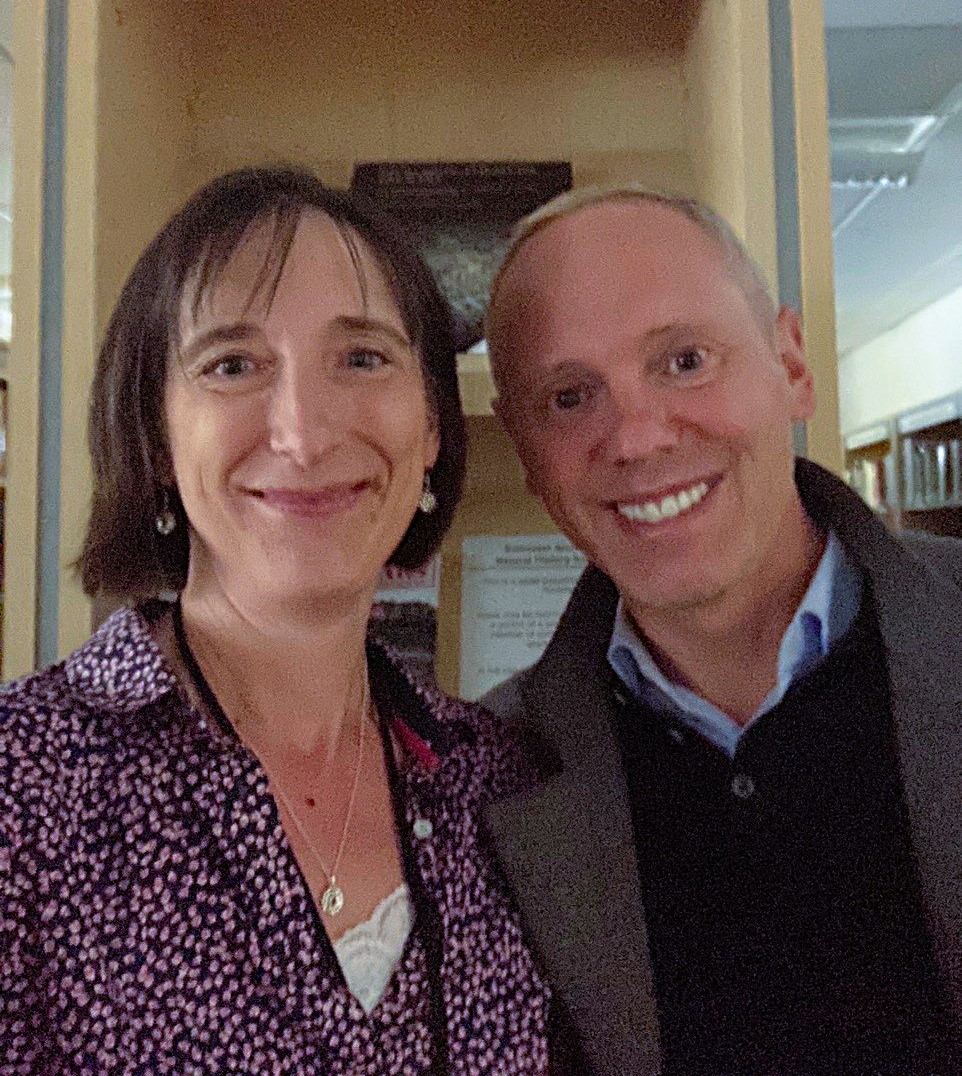
We were so pleased to meet Rob, who is no stranger to archives and searchrooms. He appeared on Who Do You Think You Are? in 2018, where he discovered more about his grandfather, a Holocaust survivor and former refugee. Rob has also presented My Family, the Holocaust and Me a documentary series aired in 2020.
-
Find out about Beatrice Tucker in the Somerset Heritage Centre searchroom.
-
Find out more about researching historic criminals with our guide.
-
Find out more about Crime and Punishment in Somerset at our bookable Crime and Punishment Talk for groups. We’ve got lots of talk themes to choose from.
Researching Crime in the Archives
Somerset Archives holds a wealth of documents relating to crime, laws and punishment. The best place to start is with our research guides where you will find information on the court systems of the Assizes (for more serious crimes) and the Quarter Sessions (who tried less serious crimes). Search our online catalogue for details on Quarter Session trial papers from the 16th to the 20th centuries and see what records we hold for Shepton Mallet Gaol, Ilchester Gaol and Wilton Gaol.
The gaol registers for Ilchester, Shepton Mallet and Wilton Gaols can all be viewed online via Ancestry. See our research guide on how to find Somerset records on the site.
Whilst the records of the Assize courts are held at The National Archives, you can search an index to the calendars of prisoners who were tried in Somerset as part of our online catalogue, this index records the name of those tried, with their ages and details of crime they are being tried for. Also available is an index to the Quarter Session Order Books, which record the decisions and judgements of the Justices of the Peace.
Within the Somerset Local Studies Library you’ll find many books about Somerset Crime and how to research the subject – here’s a quick guide of our best. In light of Britain Behind Bars we recommend Shepton Mallet Prison: 380 years of prison regimes, Francis Disney (1986). This publication offers an excellent insight into life inside a prison for both the prisoners and warders, it details hard-labour conditions and gives a view of the life of a working prison.
Events
-
Join us online for The Lost Prisons of Barnstaple, an online Coffee Time Talk about the history of Barnstaple’s prisons.
-
Discover Somerset’s Criminal Past, at the next Talk and Tea at the Museum of Somerset.
-
Enjoy a walking tour of Taunton focusing on Taunton’s history of crime and punishment.