
We’ve been inspired by the Iron Age
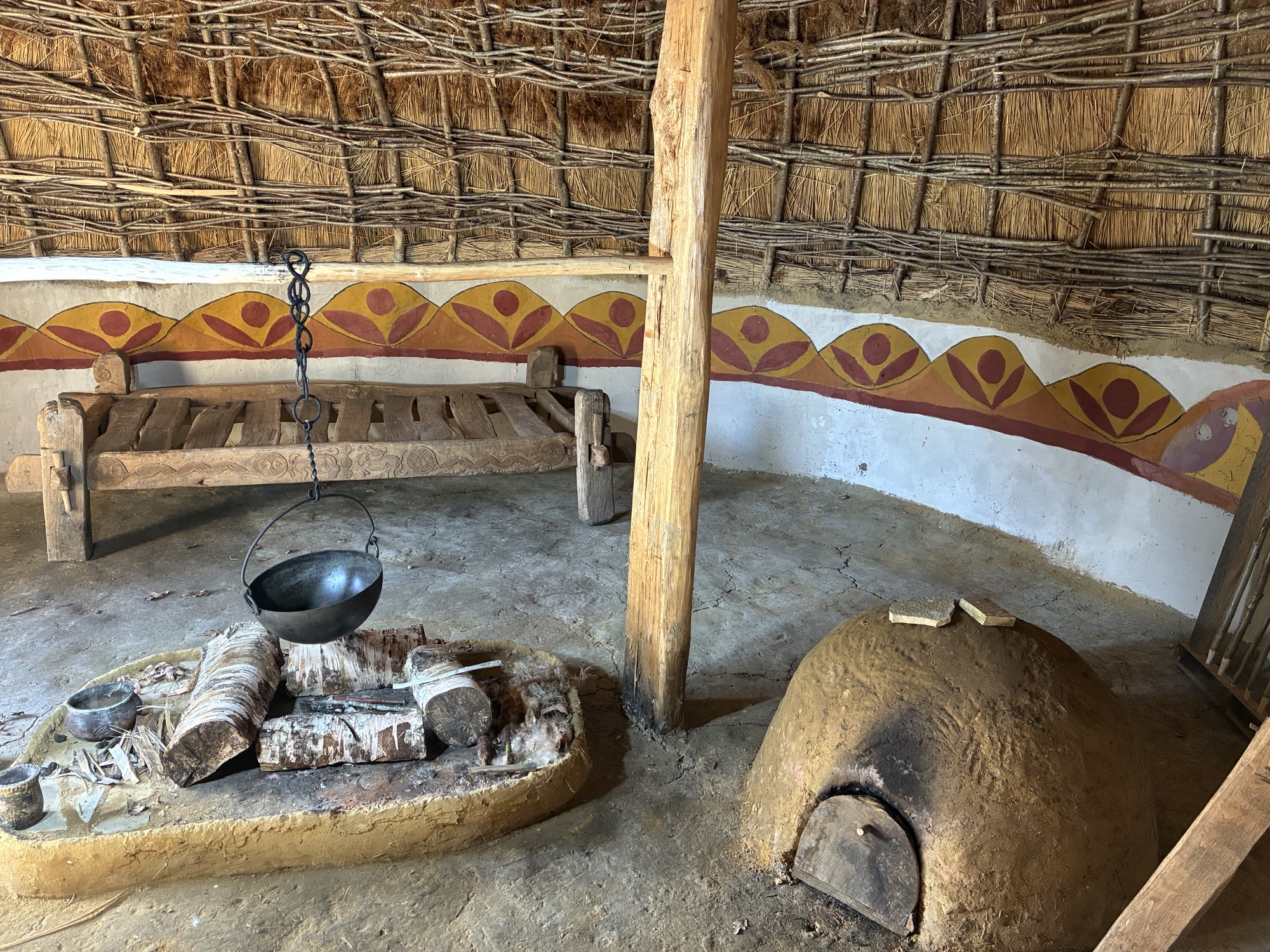
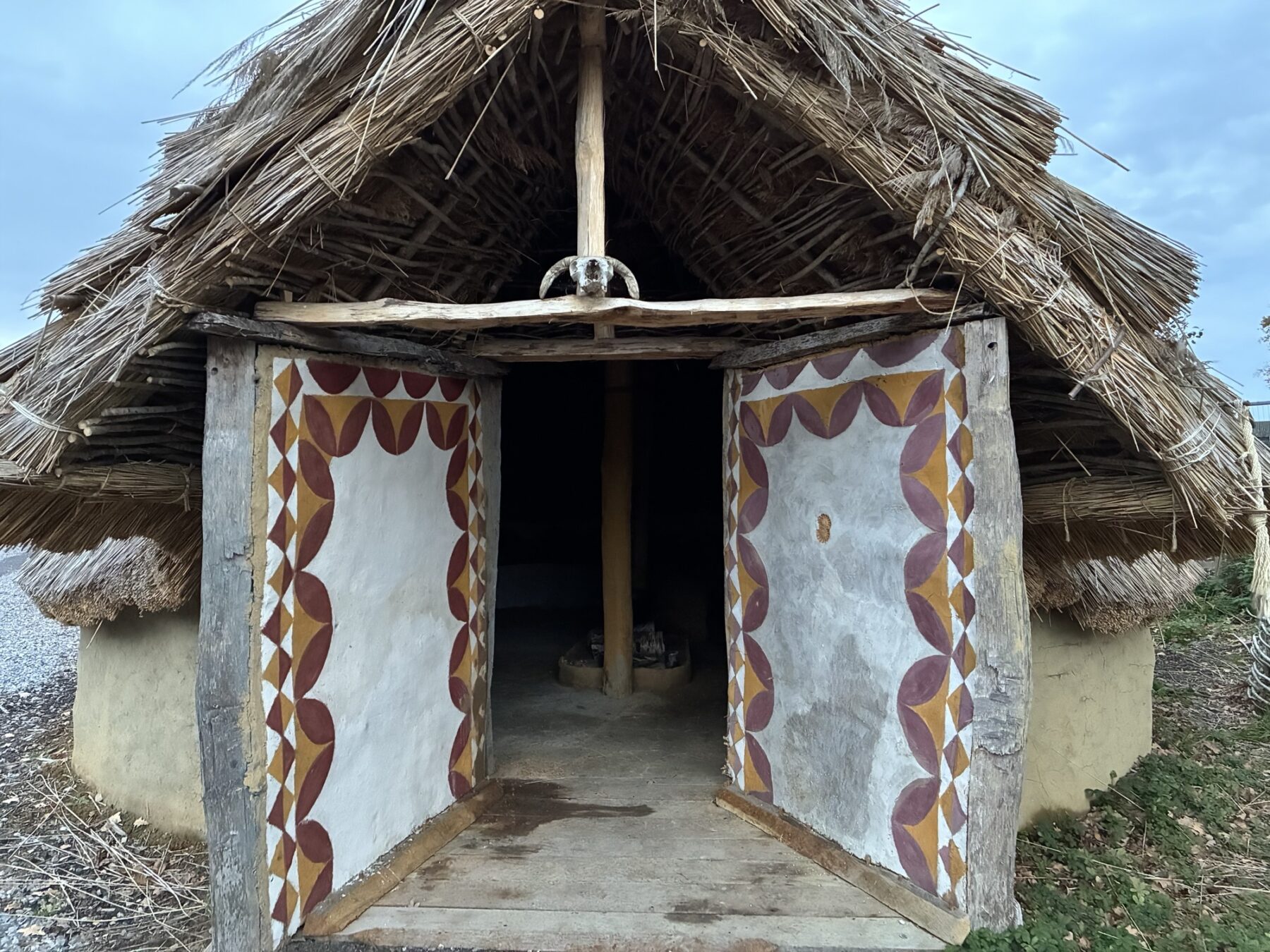
A new Iron Age roundhouse reconstruction has been built at Avalon Archaeology. Roundhouses were the homes of Iron Age communities, built with timber frames and thatched, domed roofs. These homes provided warmth, protection, and a space for daily life. What was life like in Iron-Age Somerset?
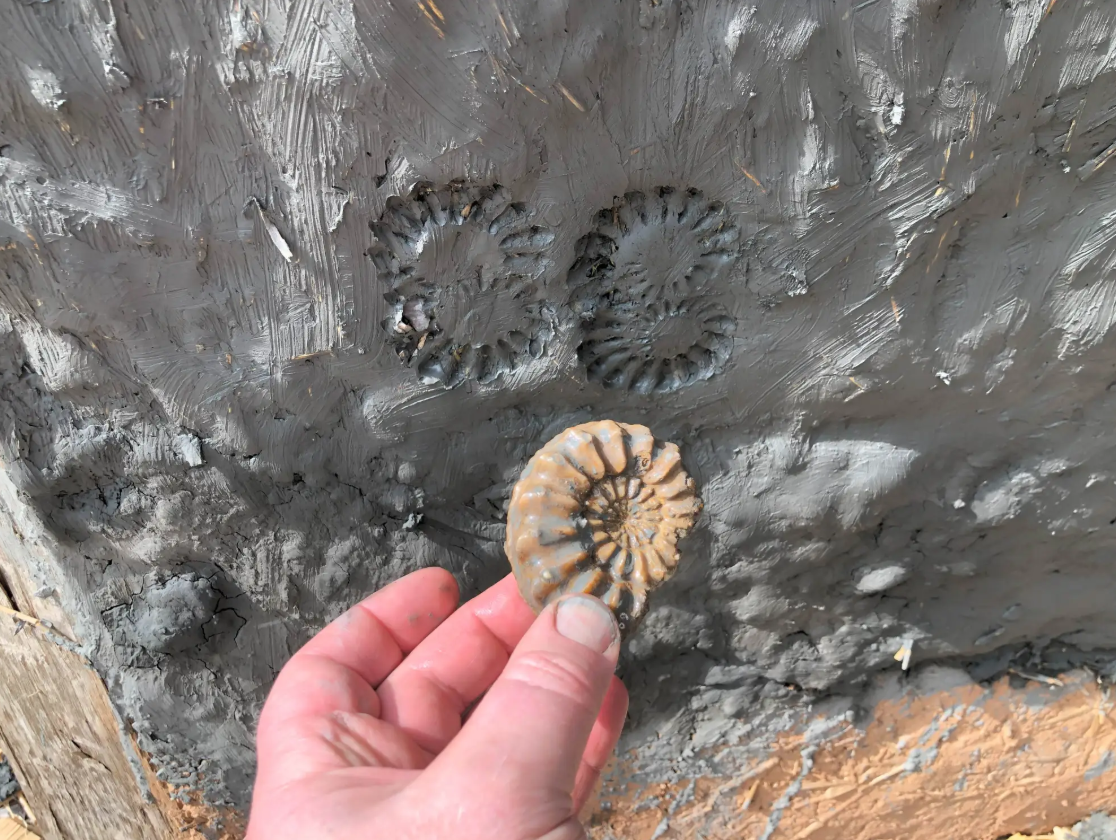
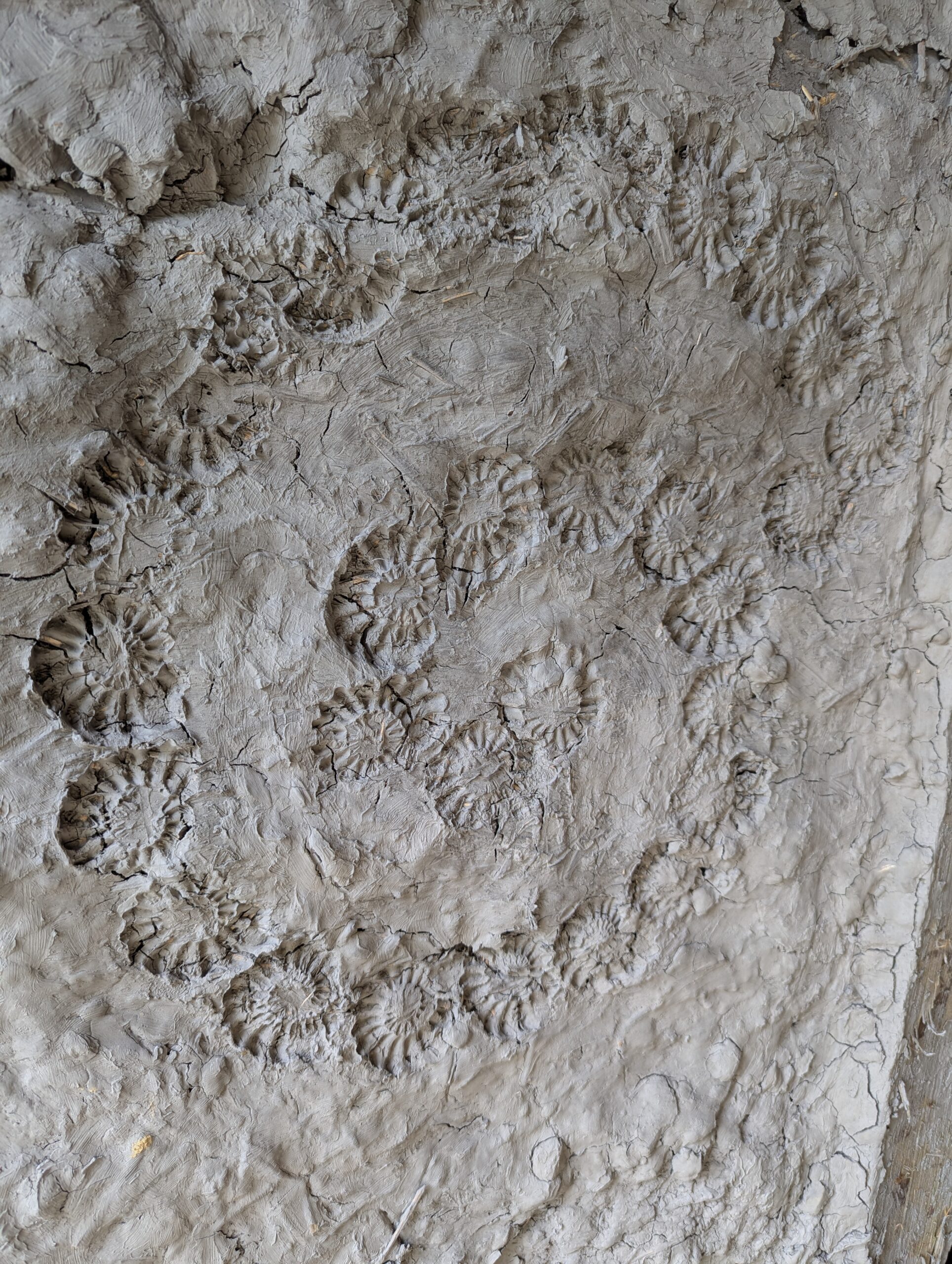
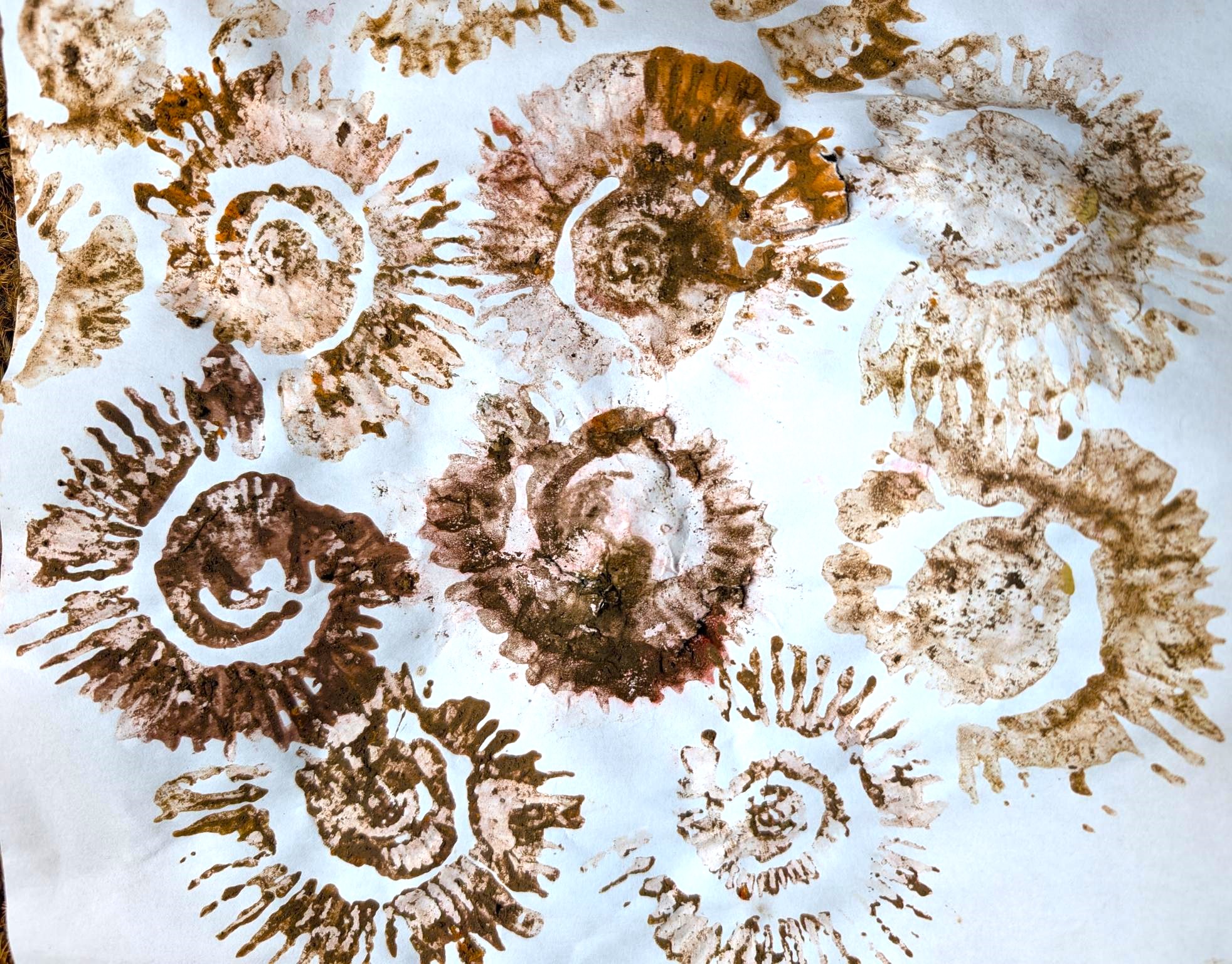
Traditionally the walls were covered with a carefully blended mud mixture called daub. Sometimes the daub was decorated with pressed ammonite fossils (as found at Glastonbury Lake Village).
Iron Age paint was sometimes oil-based, using linseed oil, or made using milk curds like the roundhouse wall paintings at Avalon Archaeology. The paint colour came from earth pigments, red and yellow from ochre, white from chalk, and black from charcoal or ash.
To see how these materials were used in the reconstruction, explore the roundhouse‑building blog.
Make your own Iron Age-inspired paint and natural paintbrushes.
This activity is a fun experiment exploring how natural materials can create art, inspired by Iron Age daub (the mud-and-clay wall covering) and the earth pigments used to decorate their homes.
Make Mud Paint
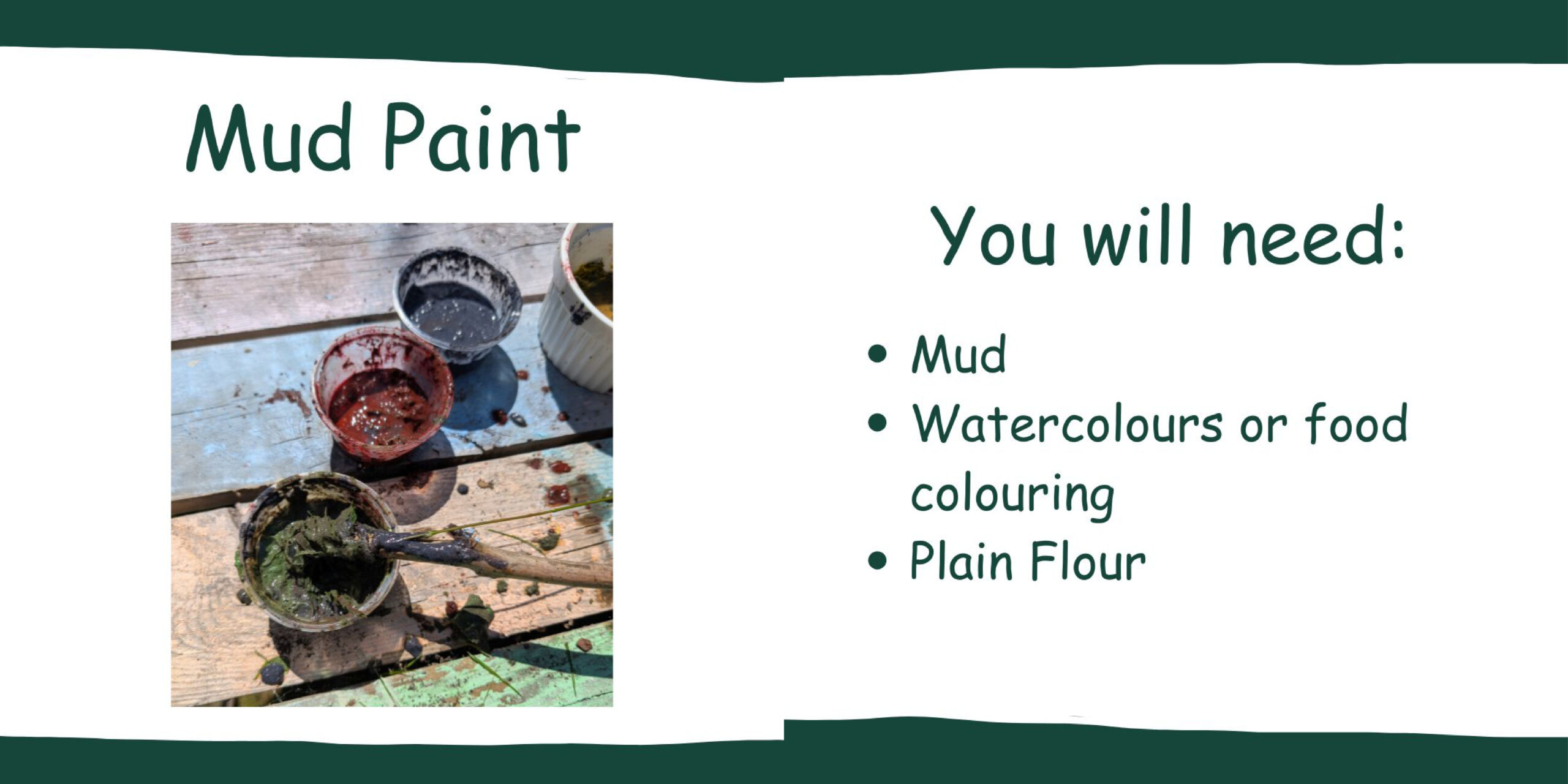
Method: Collect some mud and place it in a bowl. Make sure it’s free of stones or leaves. Mix the paint and mud together with water and add plain flour until it reaches desired ‘paint-like’ consistency and strength of colour. ✨If it’s too runny, add more flour. If it’s too thick, add a little more paint or mud.
Find Natural Pigments
✨If you don’t want to use watercolours try searching your local area for natural things containing different colour pigments. Crushed blackberries, squished leaves, flower petals, earth, or even a little charcoal. Mix your finds with water to see what colours you can create.
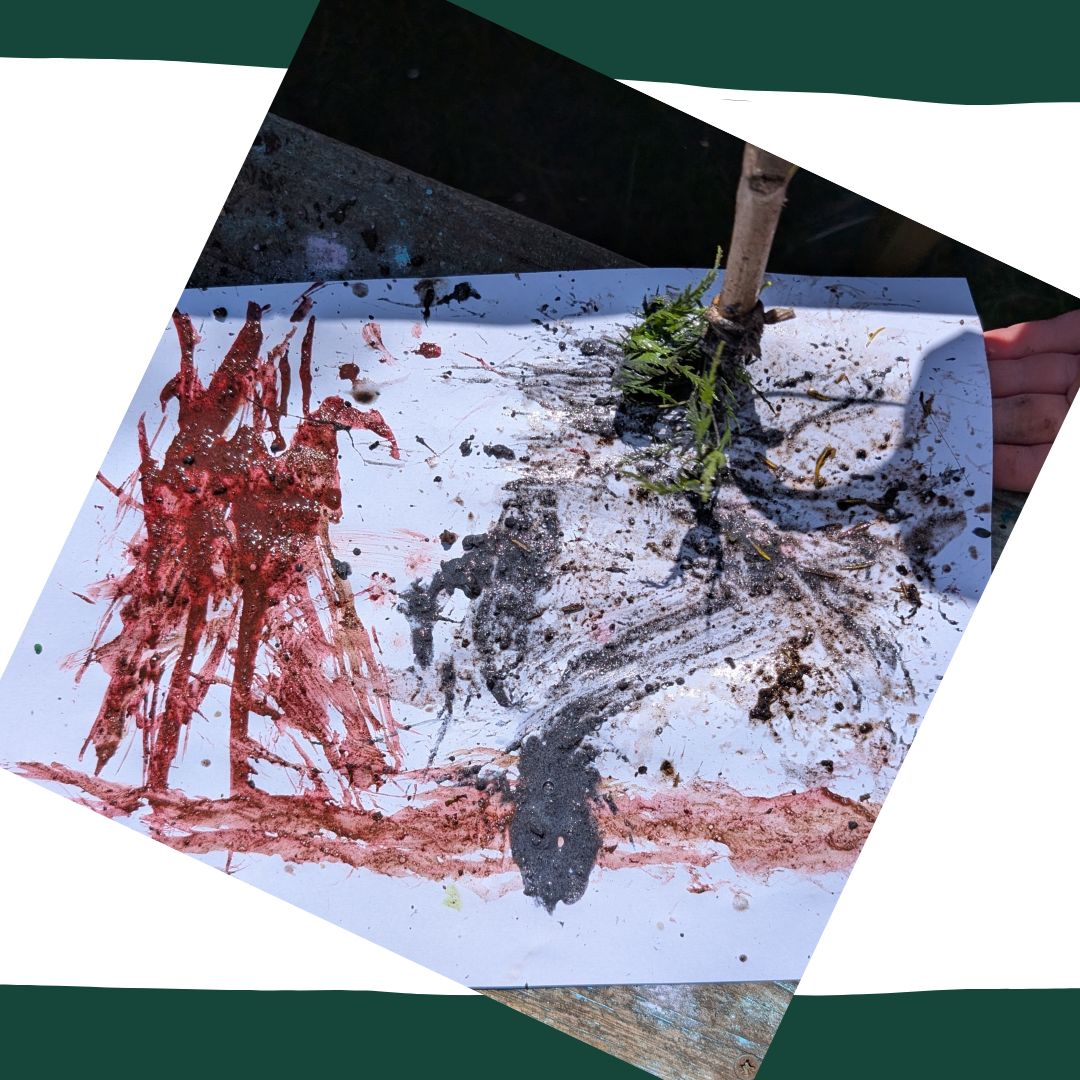
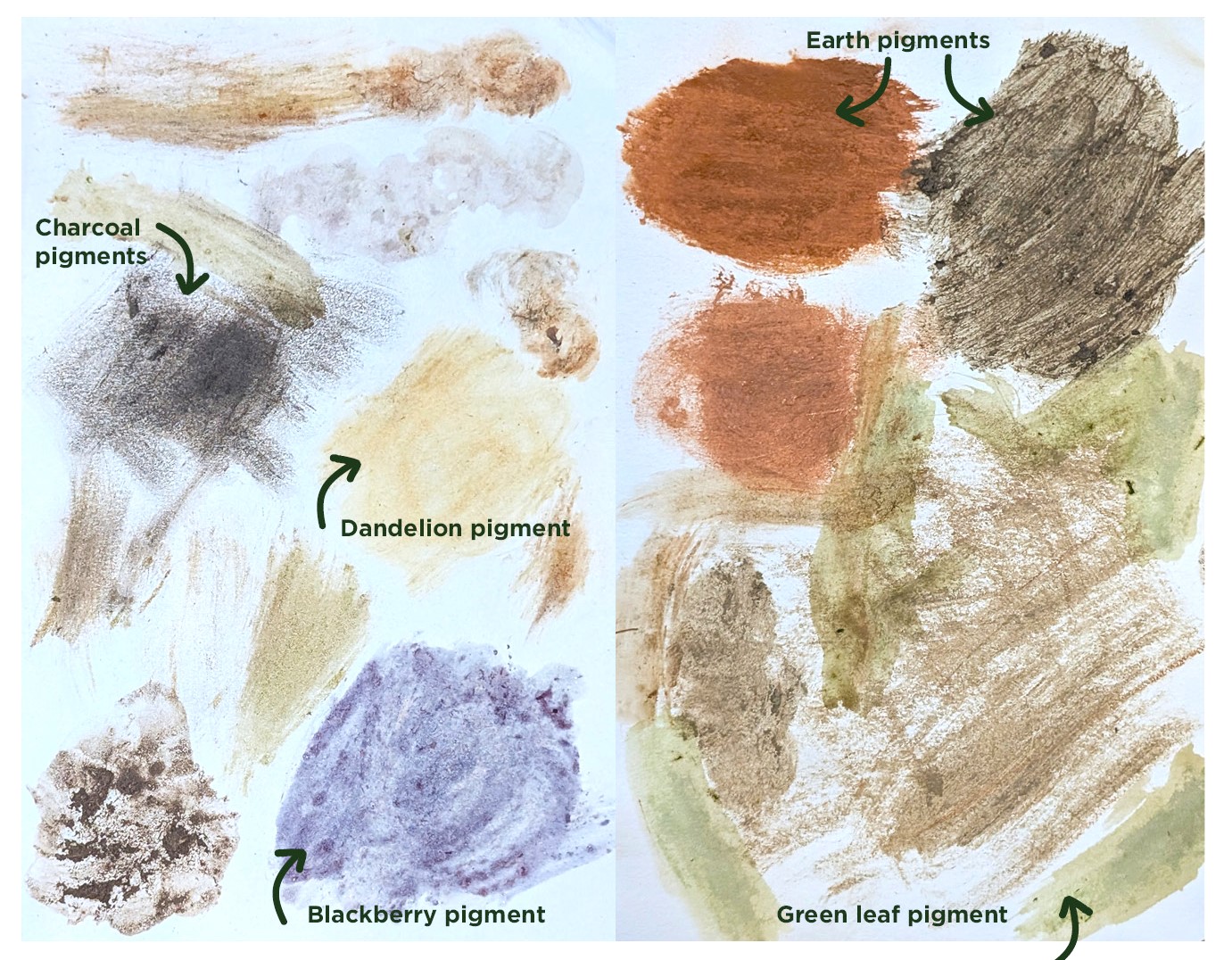
✨Try using stamps to add to your nature artwork. We’ve been inspired by the ammonites used to decorate the roundhouse walls:
Natural Paintbrushes
Iron-age artists used skilfully crafted paintbrushes with carved wooden handles and animal hair, similar to sable brushes still used today. Their brushes were designed for fine detail and long‑lasting use.
What natural materials can you find to create your own brush? Experiment with your own natural paintbrushes to see how they behave.
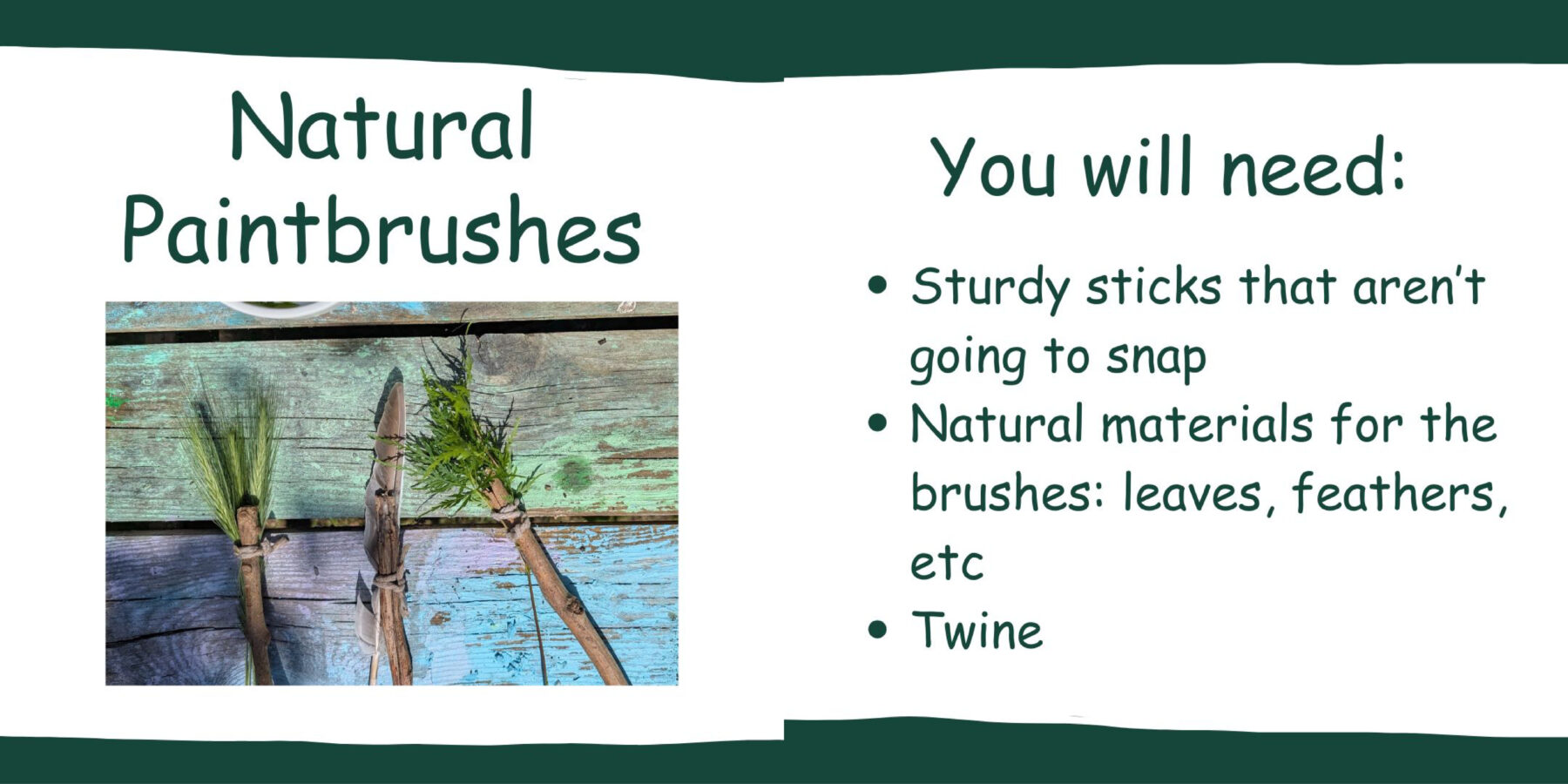
Make Natural Paintbrushes
Method: Place the materials at one end of the stick. Hold them firmly in place and wrap the twine around the stick and materials several times. This keeps everything secure. Tie a knot to finish.
✨Try making a few brushes with different materials—one with soft grass, one with stiff twigs, one with fluffy feathers—and compare the patterns they make.
Dip your brush into the mud paint and see what kinds of strokes and textures you can create.