
The Second World War marked a traumatic turning-point in Tristram Hillier’s life and career
This section features six paintings created in France between 1937-1940 – click through the gallery below to explore
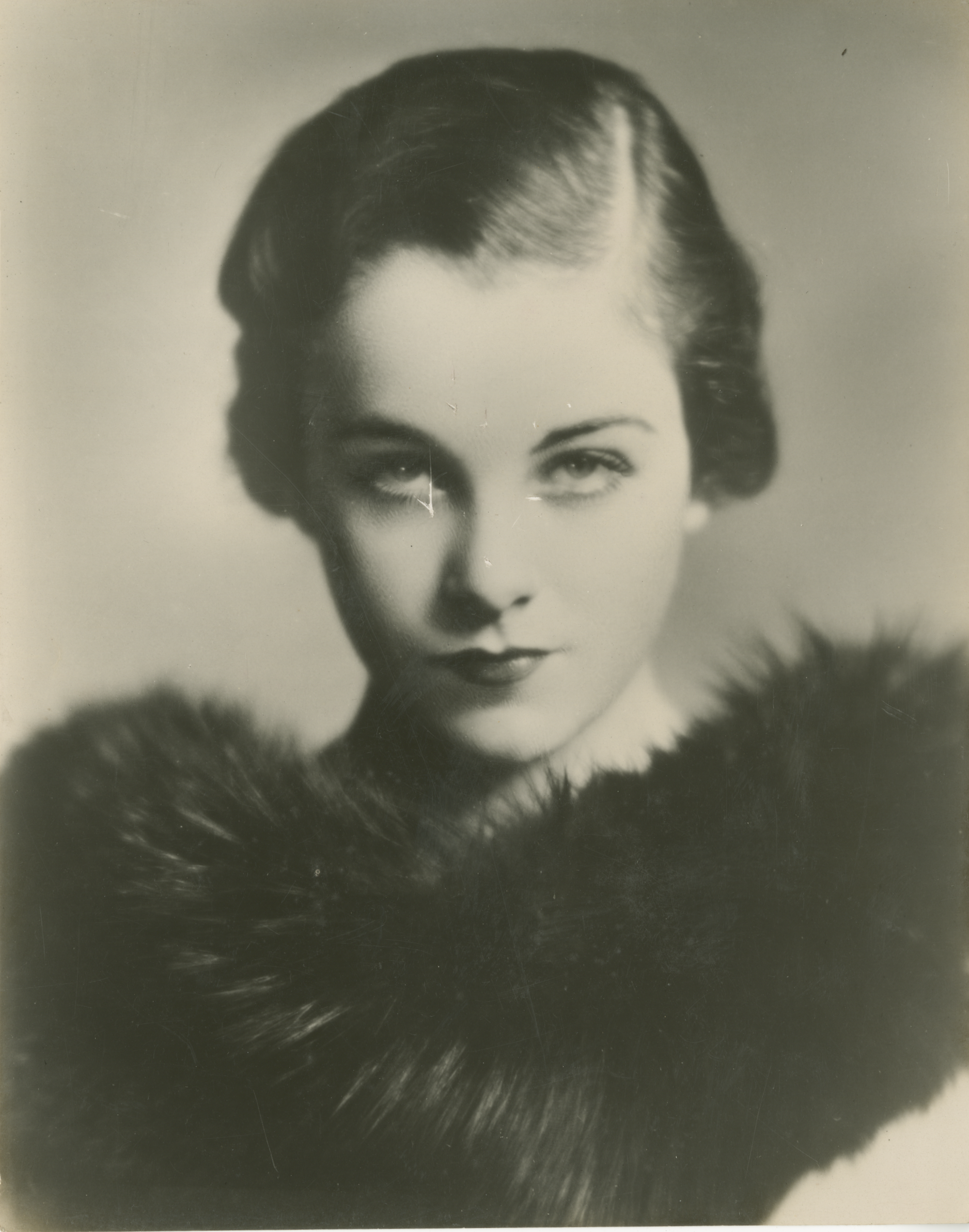
In 1936 Hillier travelled to Austria where he met Leda Hardcastle. The couple quickly fell in love and were married in 1937.
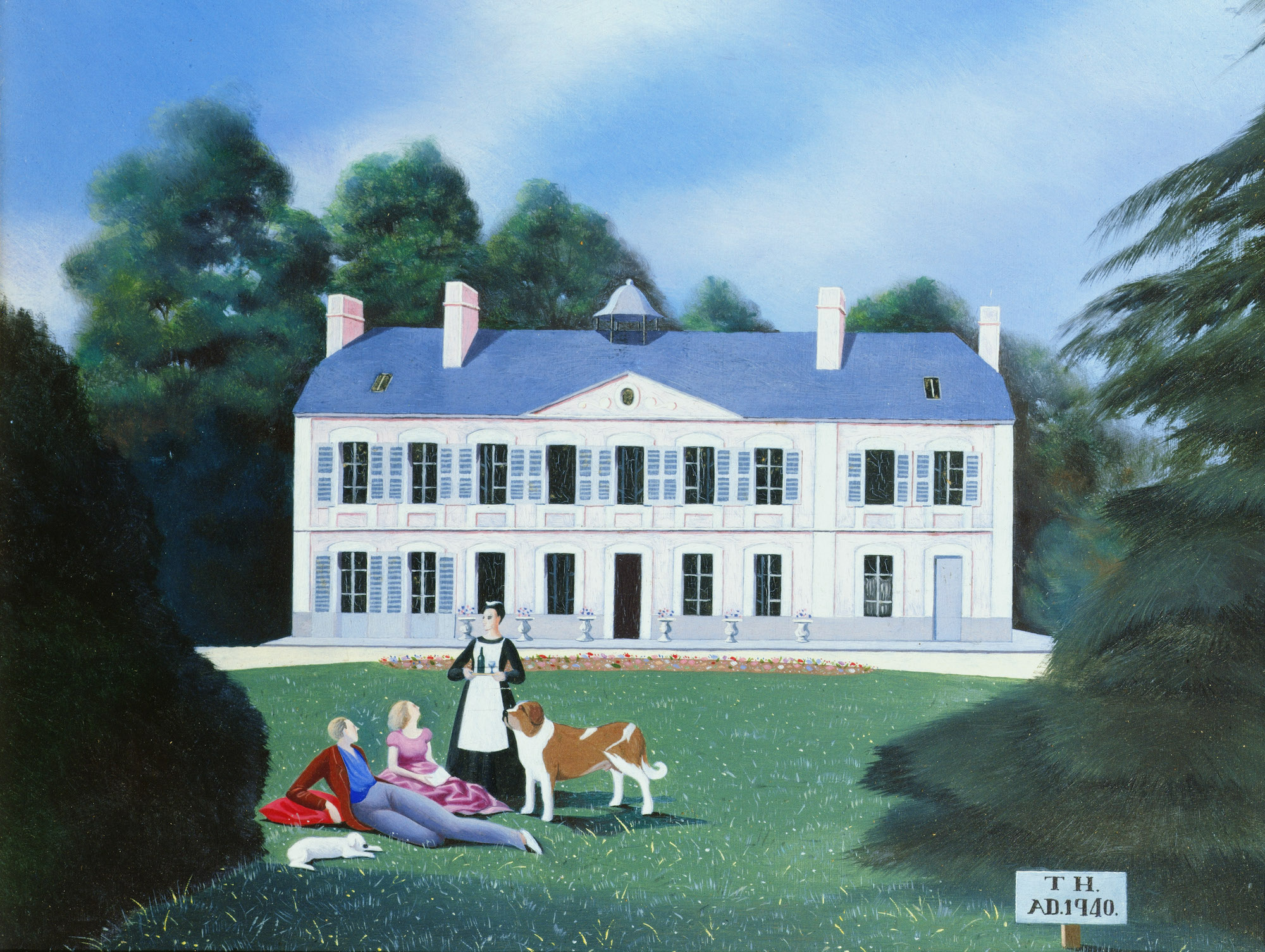
Tristram and Leda eventually settled in northern France where they lived in a country house called L’Ormerie, near Étretat. There they established a tranquil and happy life together.
When Germany invaded France in 1940 the Hilliers were forced to flee with their new-born daughter Mary. They escaped just in time on a ship to England.
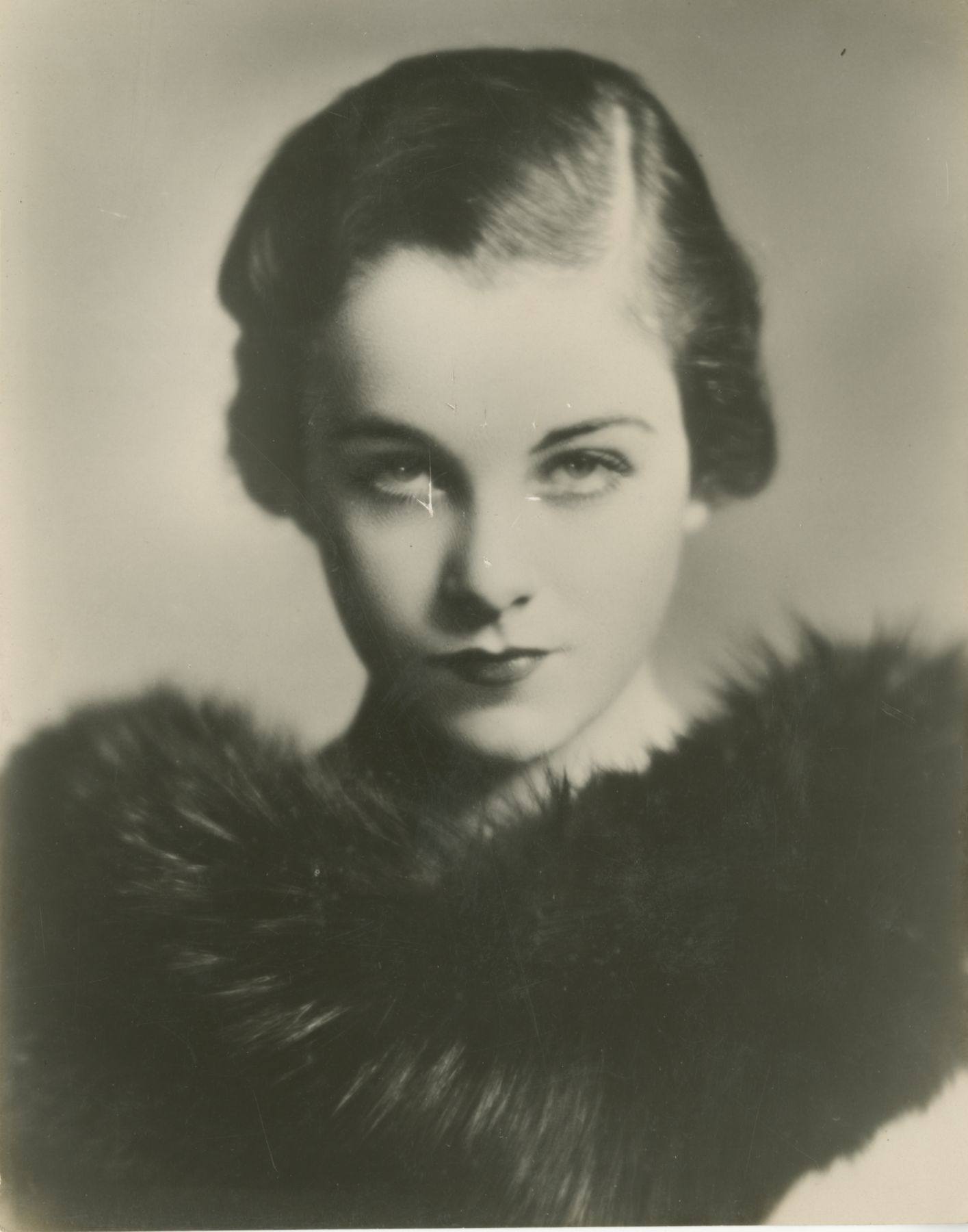
Portrait of Leda, c. 1930s 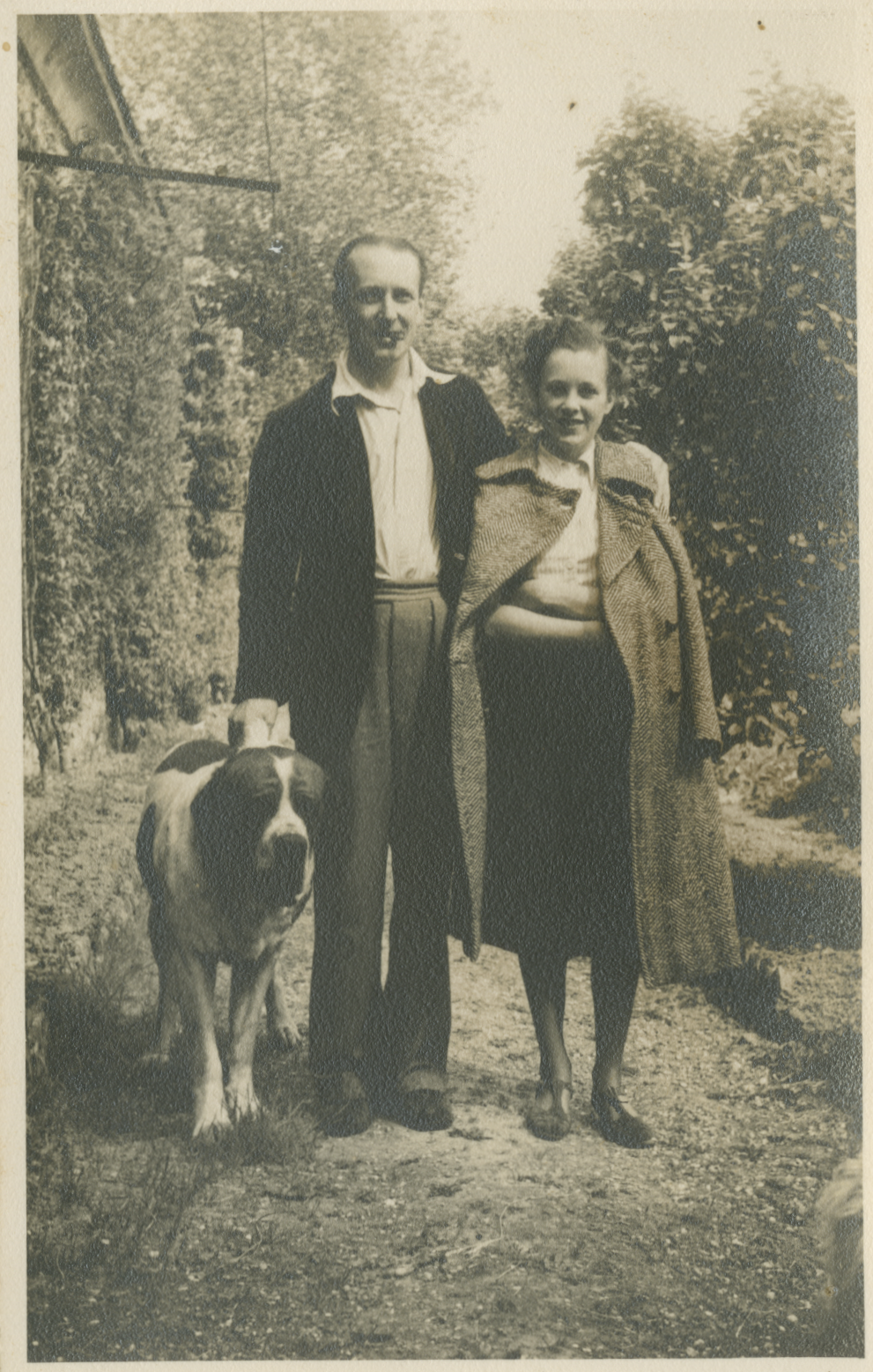
Tristram and Leda, c. 1937 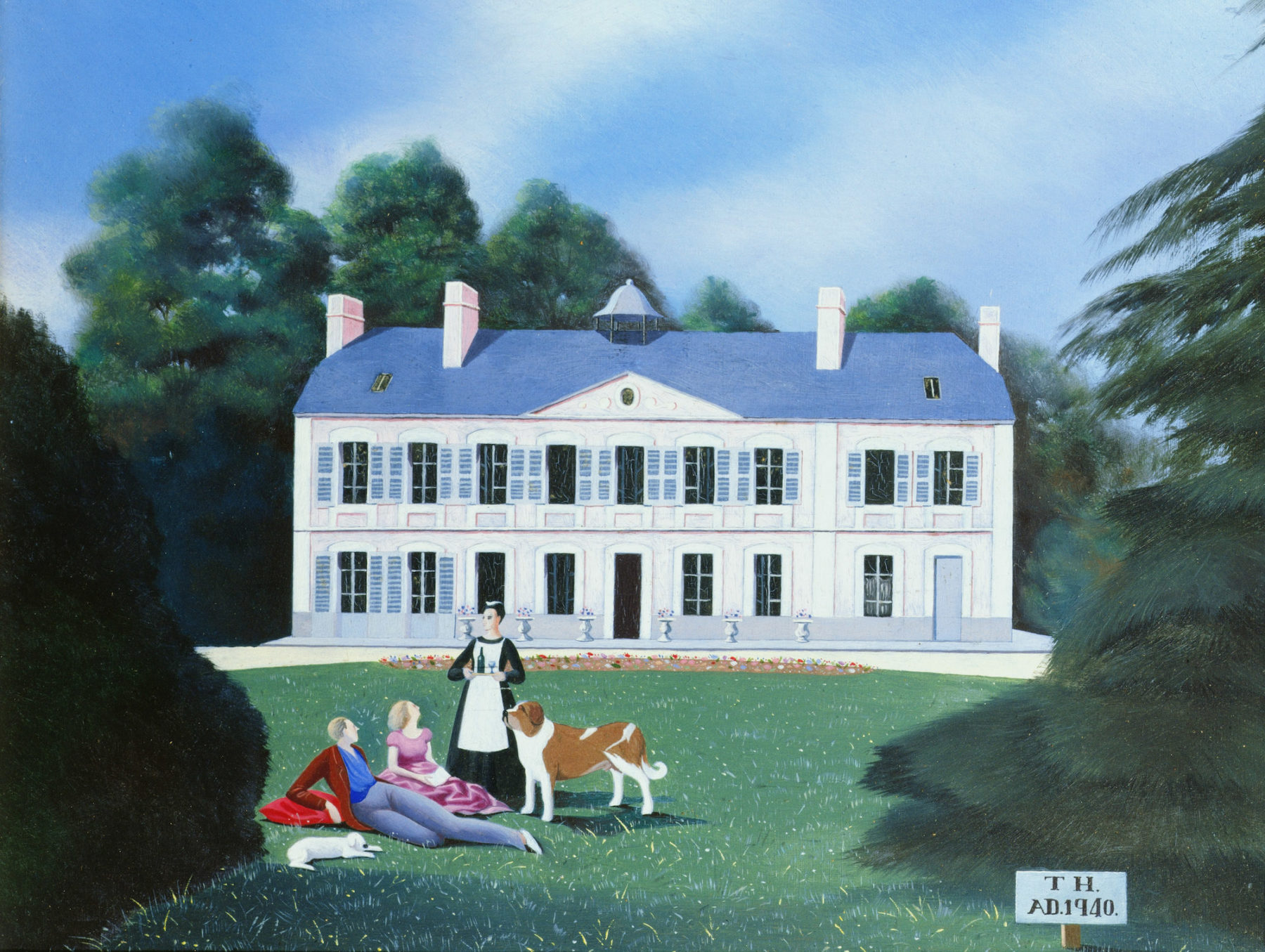
The Painter at Home, 1940
Private collection
© The Estate of Tristram Hillier/Bridgeman Images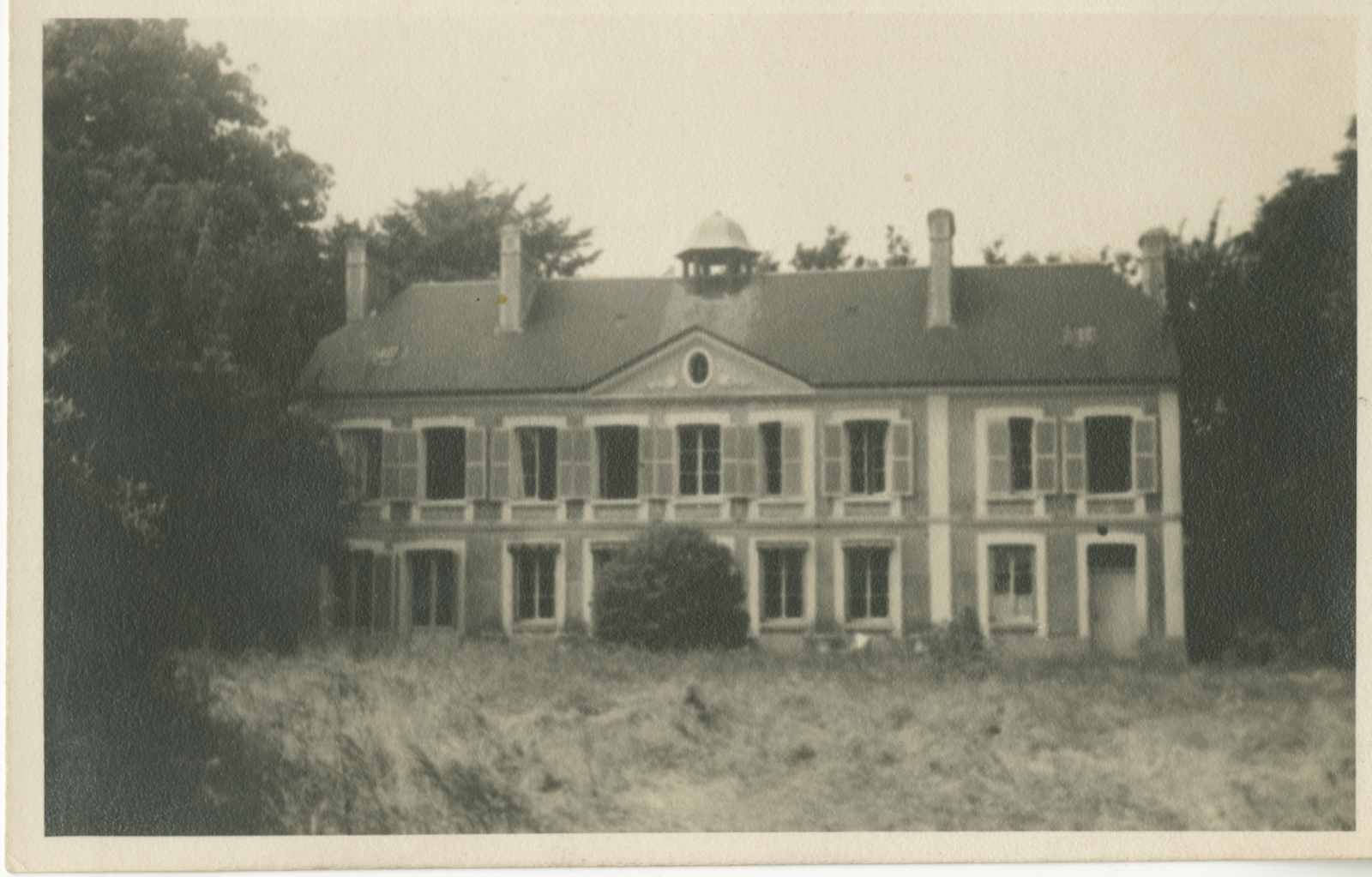
L’Ormerie after the war, c. 1946

Private collection
© The Estate of Tristram Hillier/Bridgeman Images (Image credit Connaught Brown, London, UK)
Oil on canvas, 85 x 73 cm
Object on a Beach no. 1 continues the maritime theme Hillier explored in early works such as The Anchor. The influence of Unit One, particularly of Henry Moore, is strongly evident in the sculptural forms that dominate the scene.
Object on a Beach no. 1 continues the maritime theme Hillier explored in early works such as The Anchor.
The influence of Unit One, particularly of Henry Moore, is strongly evident in the sculptural forms that dominate the scene.

Manchester Art Gallery
© The Estate of Tristram Hillier/Bridgeman Images
Oil on canvas, 70 x 84 cm
Le Havre de Grace shows the influence on Hillier of his friendship with Edward Wadsworth and of the trips they made to draw at sites on the northern French coast. The painting is dominated by a surreal assembly of anchors, propellers and other marine items lying on the harbour side. In the distance a steamer approaches over a flat sea. When Hillier returned to Le Havre (anciently called Le Havre de Grace) in 1945 he was shocked to find that ‘only a mass of rubble’ remained.
Le Havre de Grace shows the influence on Hillier of his friendship with Edward Wadsworth and of the trips they made to draw at sites on the northern French coast. The painting is dominated by a surreal assembly of anchors, propellers and other marine items lying on the harbour side.
When Hillier returned to Le Havre (anciently called Le Havre de Grace) in 1945 he was shocked to find that ‘only a mass of rubble’ remained.

Tate: Presented by the Contemporary Art Society, 1944
© The Estate of Tristram Hillier/Bridgeman Images
Tempera on canvas, 70 x 80 cm
La Route des Alpes was painted during an extended stay at Vence, near Nice, during the winter of 1937–8. It reflects Hillier’s gradual transition at this time from the surrealism of his earlier work to a heightened form of realism. Hillier’s use of tempera followed the example of his friend Edward Wadsworth, who favoured this medium.
La Route des Alpes was painted during an extended stay at Vence, near Nice, during the winter of 1937–8. It reflects Hillier’s gradual transition at this time from the surrealism of his earlier work to a heightened form of realism.
Hillier’s use of tempera followed the example of his friend Edward Wadsworth, who favoured this medium.

Tate: Purchased 1984
© The Estate of Tristram Hillier/Bridgeman Images
Oil on canvas, 150 x 109 cm
This remarkable work is among the largest Hillier ever produced. It was painted in northern France when the threat of war was becoming unignorable and is imbued with ominous symbolism. The anchor, in jet black, is an anthropomorphic mass that overwhelms the peaceful blue skies and sea behind it. The painting’s significance for Hillier is evident from the fact that it remained in his studio until the end of his life.
This remarkable work is among the largest Hillier ever produced. It was painted in northern France when the threat of war was becoming unignorable and is imbued with ominous symbolism.
The anchor, in jet black, is an anthropomorphic mass that overwhelms the peaceful blue skies and sea behind it.
The painting’s significance for Hillier is evident from the fact that it remained in his studio until the end of his life.

ING Collection
© The Estate of Tristram Hillier/Bridgeman Images
Oil on canvas, 58 x 89 cm
Fishwives contains motifs often seen in other Hillier paintings – an anchor constructed from a mass of distorted shapes, an abandoned draped cloth and long disquieting shadows. Rarer is his inclusion of figures, who are shown here dressed as though in mourning, arrested in time. They stand as motionless as the dominating image of the ship.
Fishwives contains motifs often seen in other Hillier paintings – an anchor constructed from a mass of distorted shapes, an abandoned draped cloth and long disquieting shadows. Rarer is his inclusion of figures, who are shown here dressed as though in mourning, arrested in time. They stand as motionless as the dominating image of the ship.

Private collection
© The Estate of Tristram Hillier/ Bridgeman Images (Image credit Peter Nahum at The Leicester Galleries)
Oil on canvas, 61 x 81 cm
This painting was completed not long before Hillier and his family were forced to flee from France to England. It appears at first to be an image of calm but its more disturbing energies are soon felt. The young family in the foreground seem distracted and apprehensive, the cliffs are threateningly unstable and the sky is darkening. Hiller’s paintings are often read in terms of the strong undercurrents that exist beneath their surface.
This painting was completed not long before Hillier and his family were forced to flee from France to England. It appears at first to be an image of calm but its more disturbing energies are soon felt. The young family in the foreground seem distracted and apprehensive, the cliffs are threateningly unstable and the sky is darkening. Hiller’s paintings are often read in terms of the strong undercurrents that exist beneath their surface.
Gallery
This exhibition was supported by

