
5 Nostalgic Toys to Spot and Why They’re Still Fun
The PLAY experience at the Museum of Somerset brings together toys that once filled childhoods with imagination and possibility. Among the toys and games on display are pieces that have lived in bedrooms, toy boxes, and on living‑room floors across the generations. For children, PLAY is a place to explore and play — but for adults, it’s a chance to pause, reminisce, and rediscover the toys that shaped childhoods.
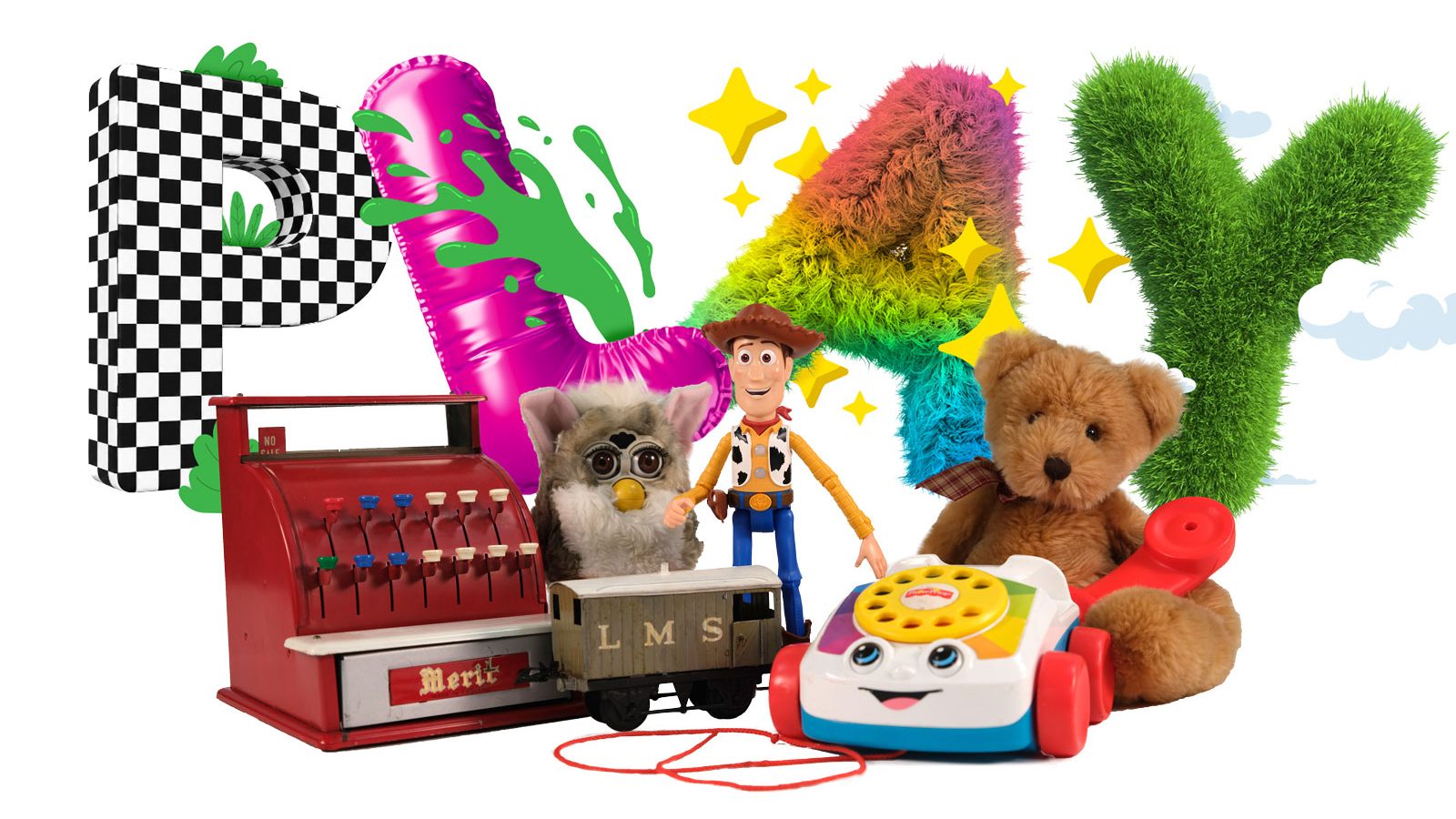
Here are five nostalgic toys you’ll encounter in the exhibition — and why they still hold such a special place in our hearts.
1. Cars
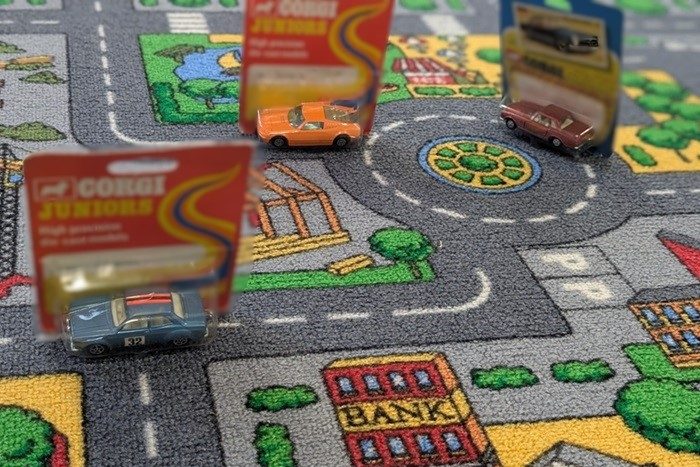
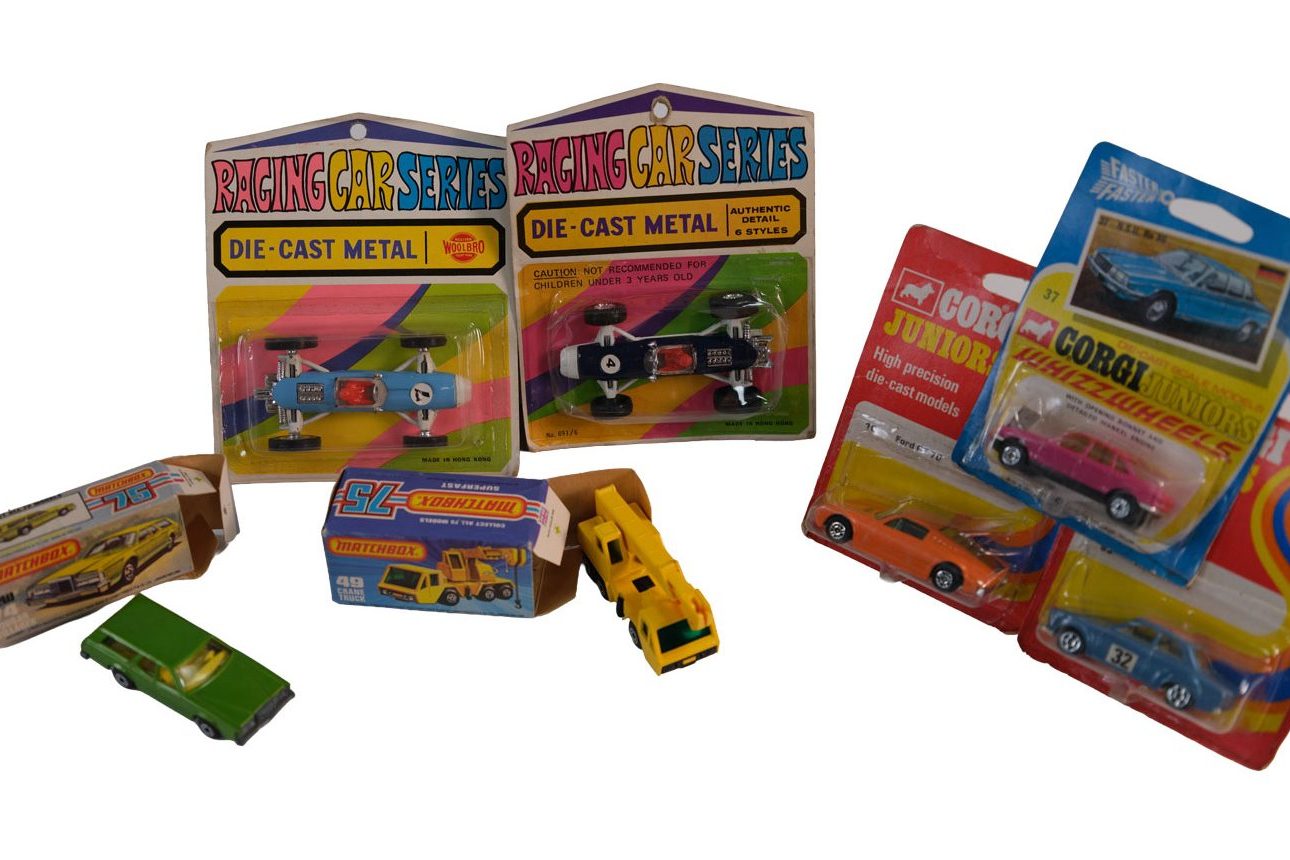
Did you know roughly 22.5 Hot Wheels cars are sold every second?
Who hasn’t enjoyed the tactile experience of racing, jumping, or crashing with a toy car? Cars provide a thrilling sensory experience and boundndless opportunities for pretend play. The speed, the crashes, and the chance to mimic the adult world – what’s not to love? But did you know playing with cars is also helping children explore the laws of physics? Building ramps and launching cars naturally introduces concepts of gravity, speed, and friction. It’s no surprise that toy cars are the single best-selling toy in the world.
2. Polly Pocket
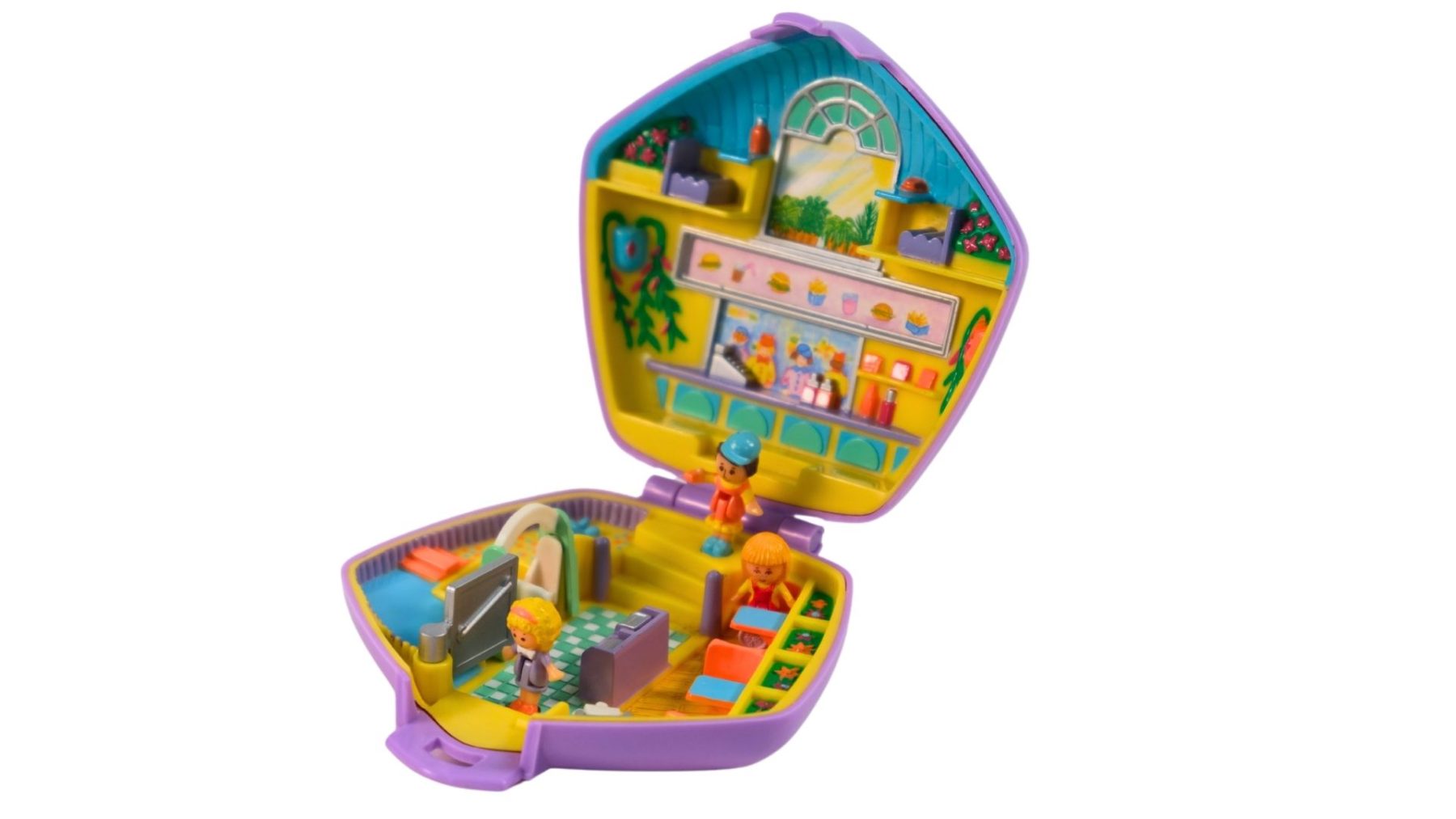
Every girl growing up in the 90s will remember Polly Pocket. Inside every Polly Pocket is a whimsical world in miniature. They were invented by a father transforming a makeup compact into a dollhouse for his daughter in 1983, and soon became a global favourite. By 1994, owned by UK-based Bluebird Toys, it was one of the top toys for girls aged 3–8 years.
There was something magical about opening a Polly Pocket — that tiny click as the case snapped open to reveal a whole world inside. These miniature playsets were secret universes you could carry in your pocket. Which set did you like best – a castle, underwater world, or treehouse?
3. Train sets
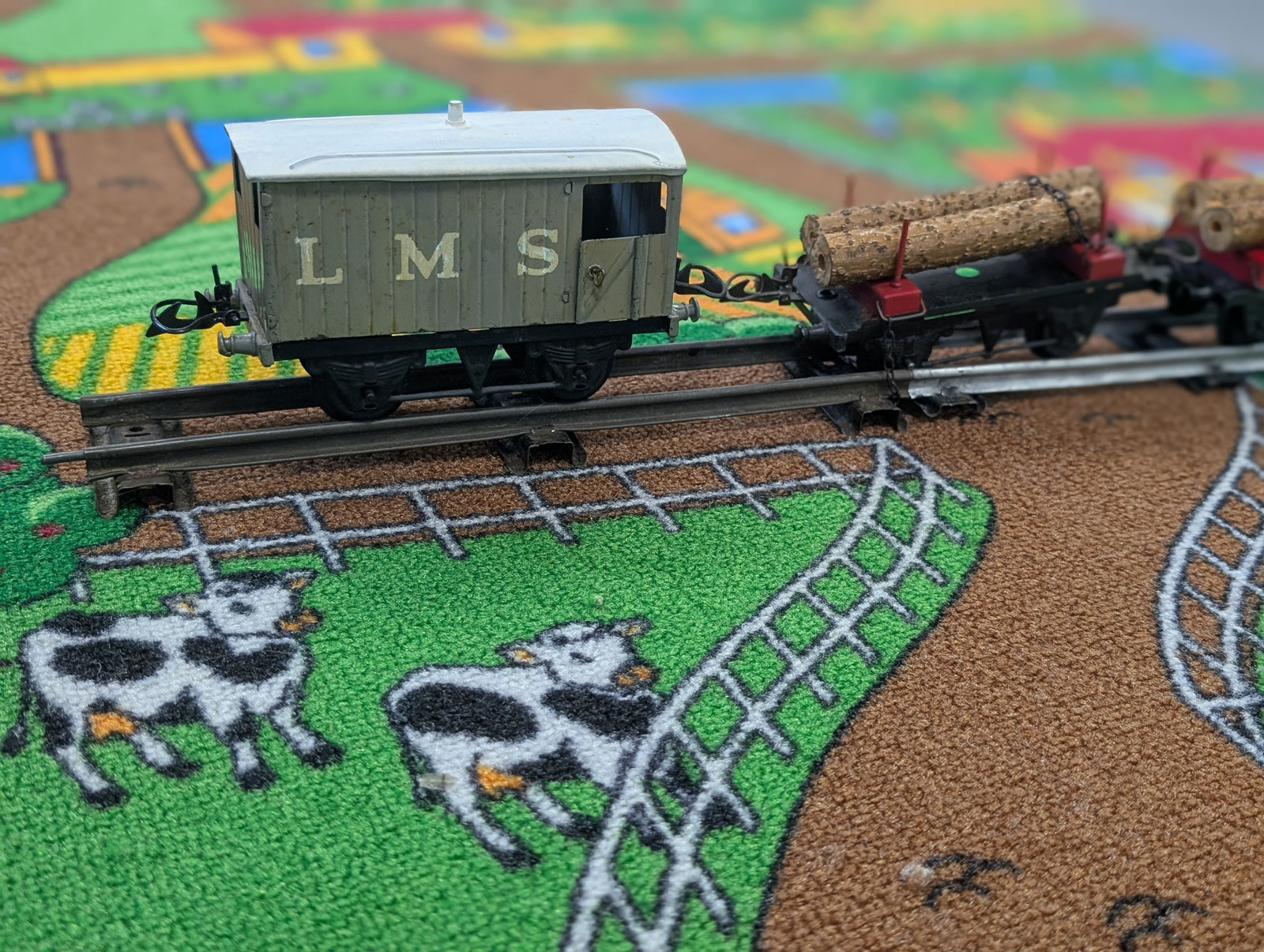
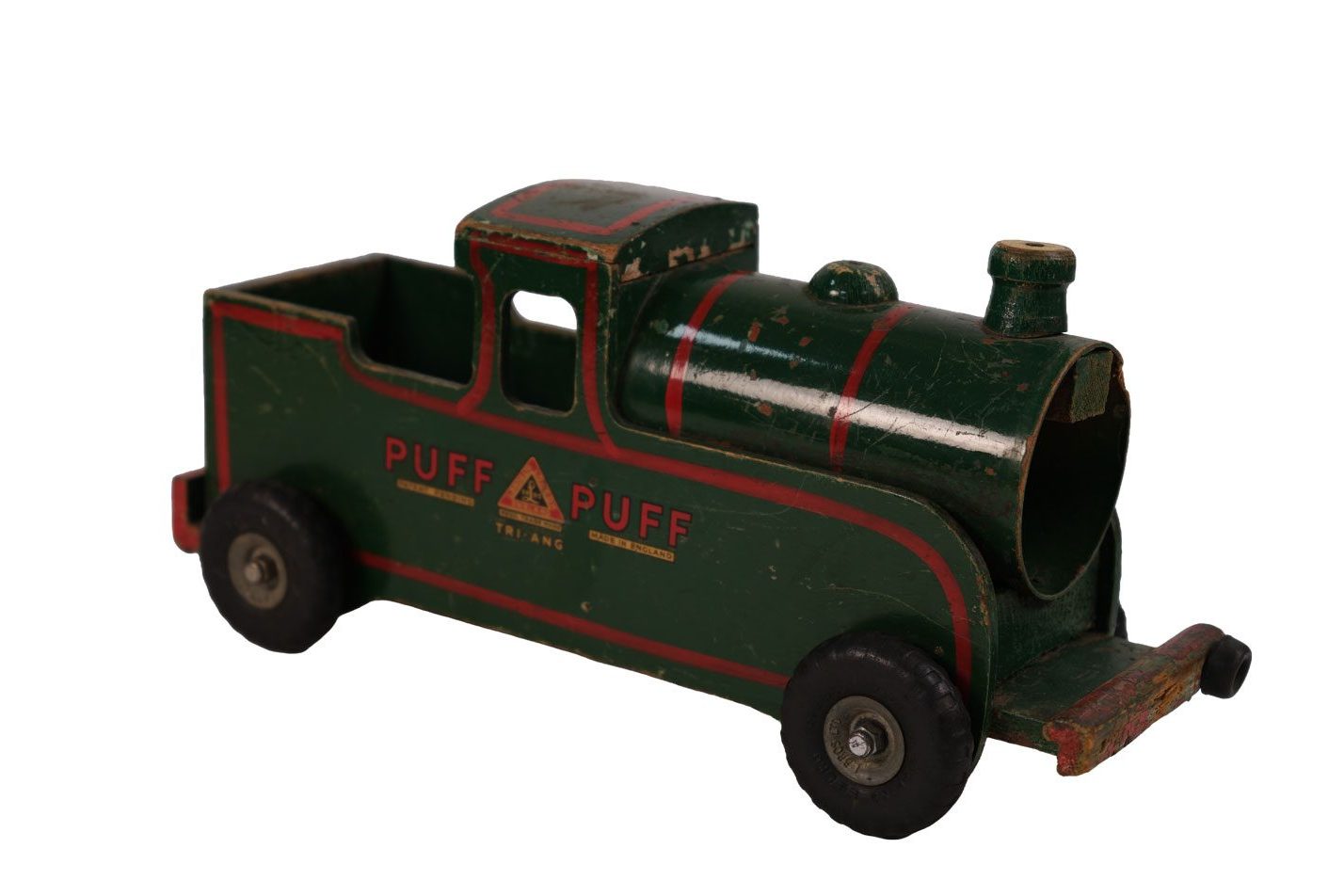
As the birthplace of the railway, Britain embraced train sets wholeheartedly. By the 1980s trains were a staple in many homes, helped along by family favourites such as Thomas the Tank Engine. There are so many reasons to love train sets: the endless different tracks to piece together; the technical and creative work required to build scenery; acting out the stories, and watching them loop and function is incredibly satisfying and calming. Whether it’s wooden tracks for toddlers or complex digital model railways for adults, train sets have offered, and still offer something for all ages to enjoy.
4. Toy soldiers
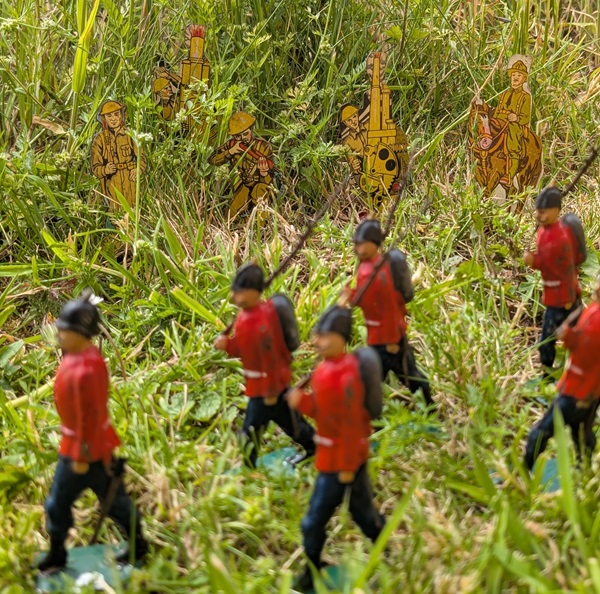
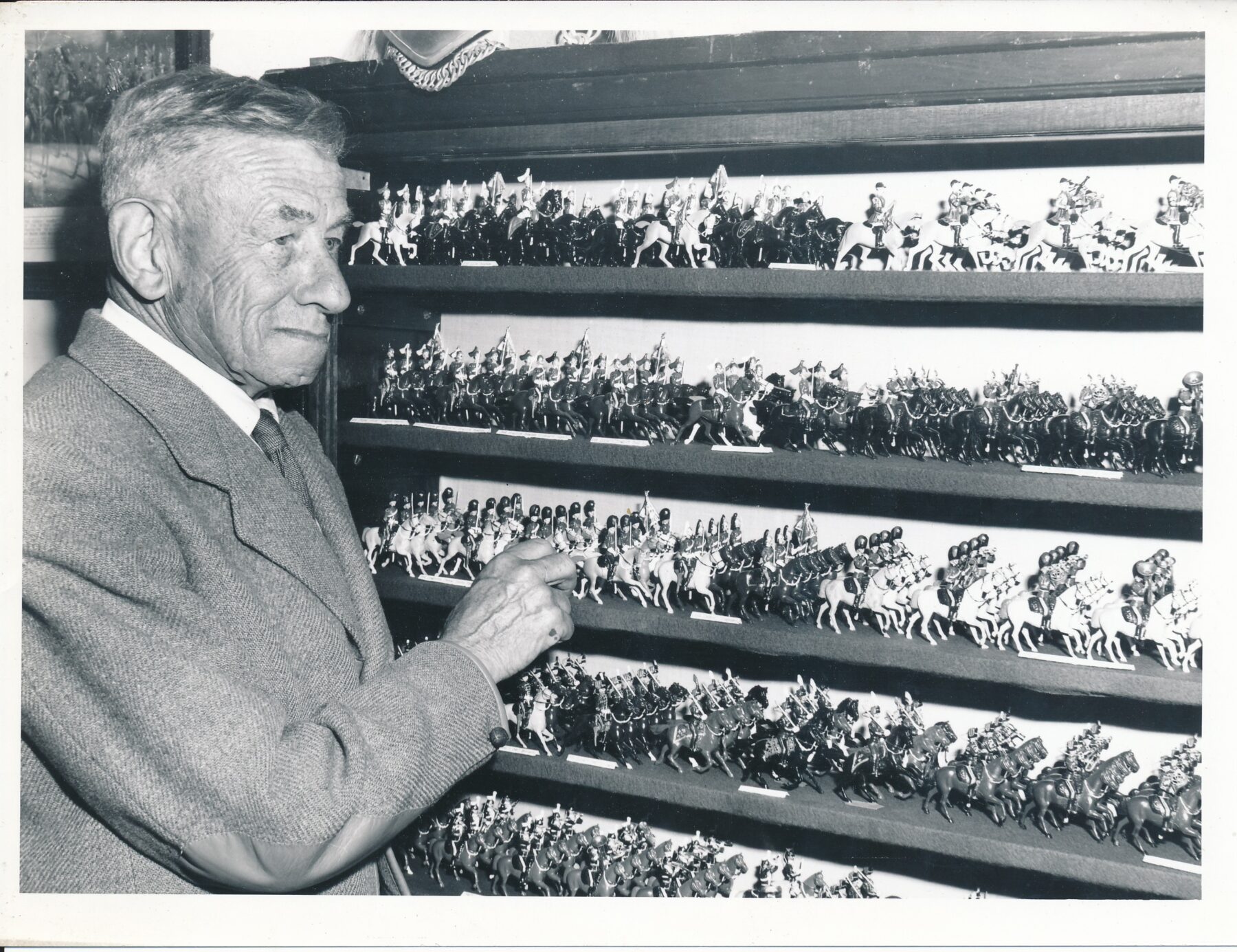
Did you know H.G. Wells and Winston Churchill had vast collections of toy soldiers?
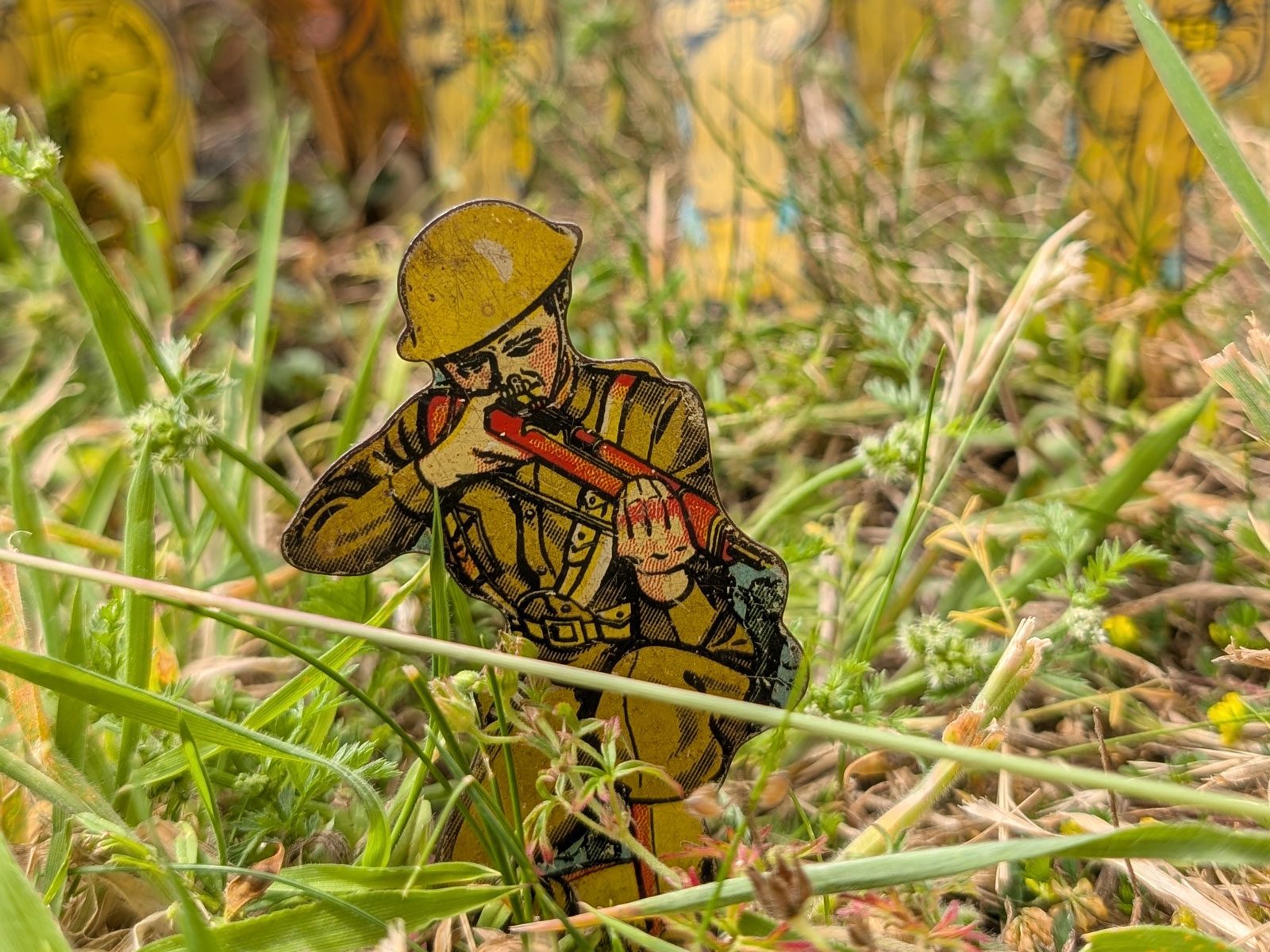
Prior to the Golden Age of Plastic Army Men from the 1950s and 60s, toy soldiers were known as tin soldiers, made of metal. These pocket-sized-people pose endless possibilities for imaginative storytelling and strategic role-play. From staging epic historical battles to inventing brand-new adventures in the living room or traversing terrain in the sandpit or the garden. Many also enjoy collecting and painting toy soldiers – a hobby that cultivates a ‘flow’ state of calm.
5. Prams
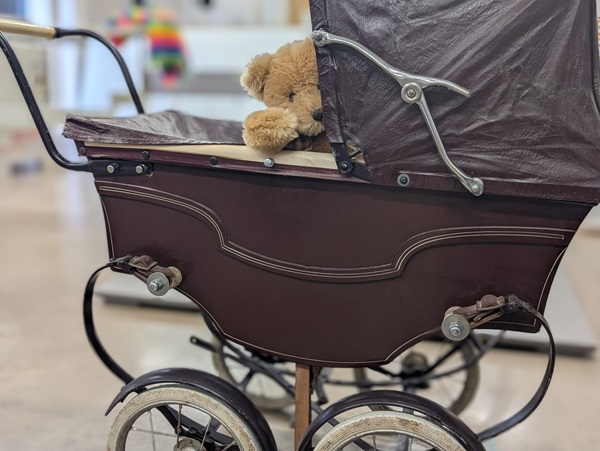
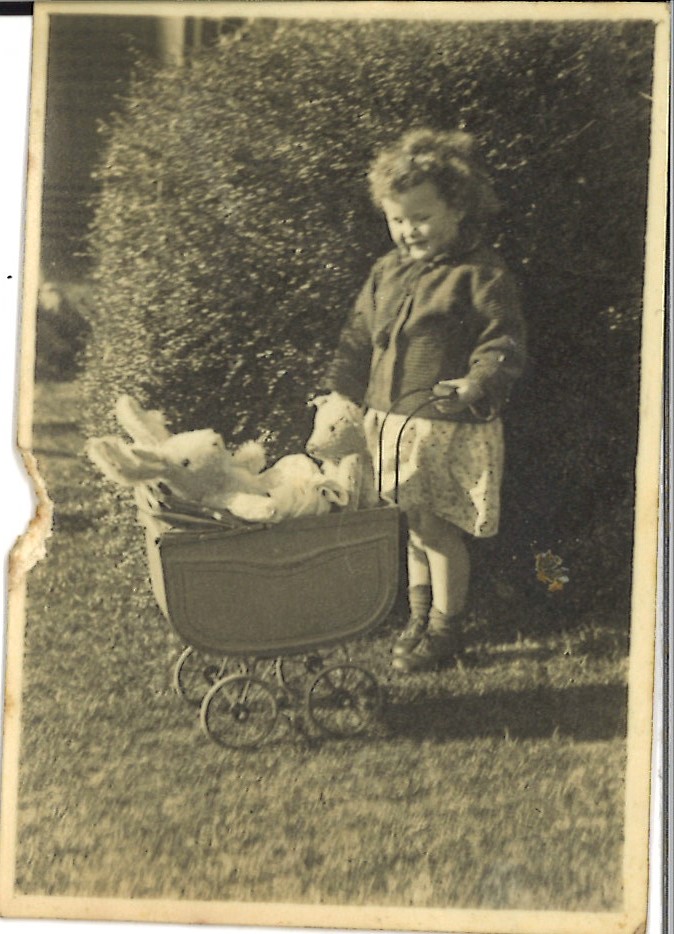
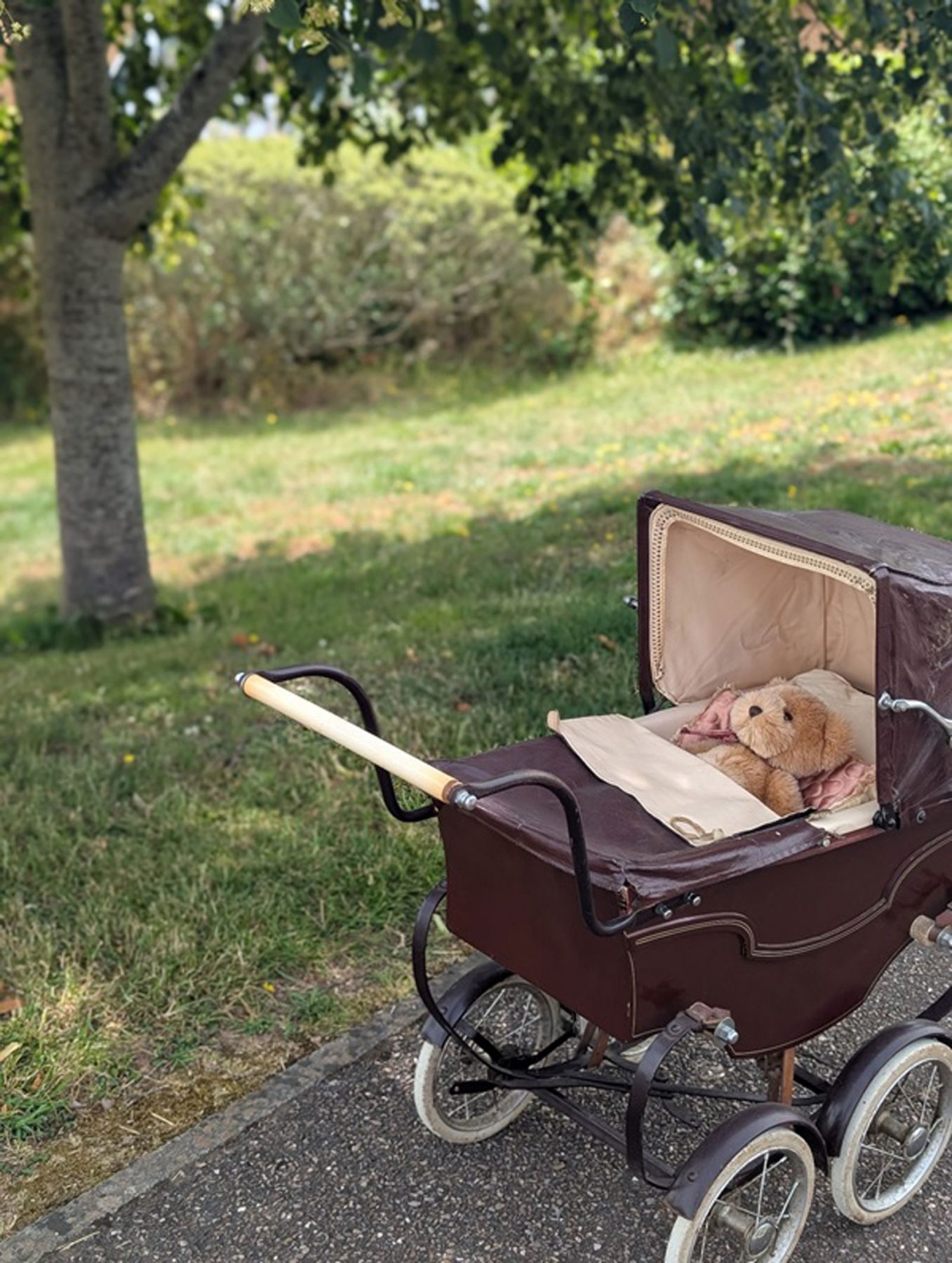
Toy prams have been part of childhood for more than a century. The earliest versions appeared in the Victorian era, when they were affordable only to wealthy families. Children love to imitate the world around them, and a pram gives them the perfect way to do just that. Prams allow children to roleplay real-life and caring for dolls or teddies can build empathy, social and emotional development. What looks like simple pretend play is actually an opportunity to practise kindness, responsibility, and the rhythms of caregiving — lessons that last long after the pram is put away.
Visit the Exhibition
Visit PLAY and reconnect with the toys that shaped your childhood, while the kids play their way through every corner.
Keep the fun going with weekly family craft activities, or try one of our family workshops — from Aardman model‑making to creating your own board game. Adults can enjoy their own playful sessions as well, including Art with Abandon, Watch the Skies: Second Sight, and grown‑ups‑only Aardman workshops.