
A calm breeze sways the blooming daffodils, and the sweet scent of blossom drifts through the air. Spring has arrived, and with it, light, warmth, and the promise of nature’s bounty. With each passing day the sun lingers a little longer in the sky, and the land once again stirs from winter’s cold embrace.
As the Wheel of the Year turns, we move steadily towards the brightest of the seasons. The strengthening sun carries us first to Ostara, the spring equinox, and soon after to the vibrant festivities of Beltane. Together these festivals mark a great turning point: light will overcome darkness, life is awakening across the land, and summer lies within grasp.
Ostara
The Spring Equinox (March 20 or 21)
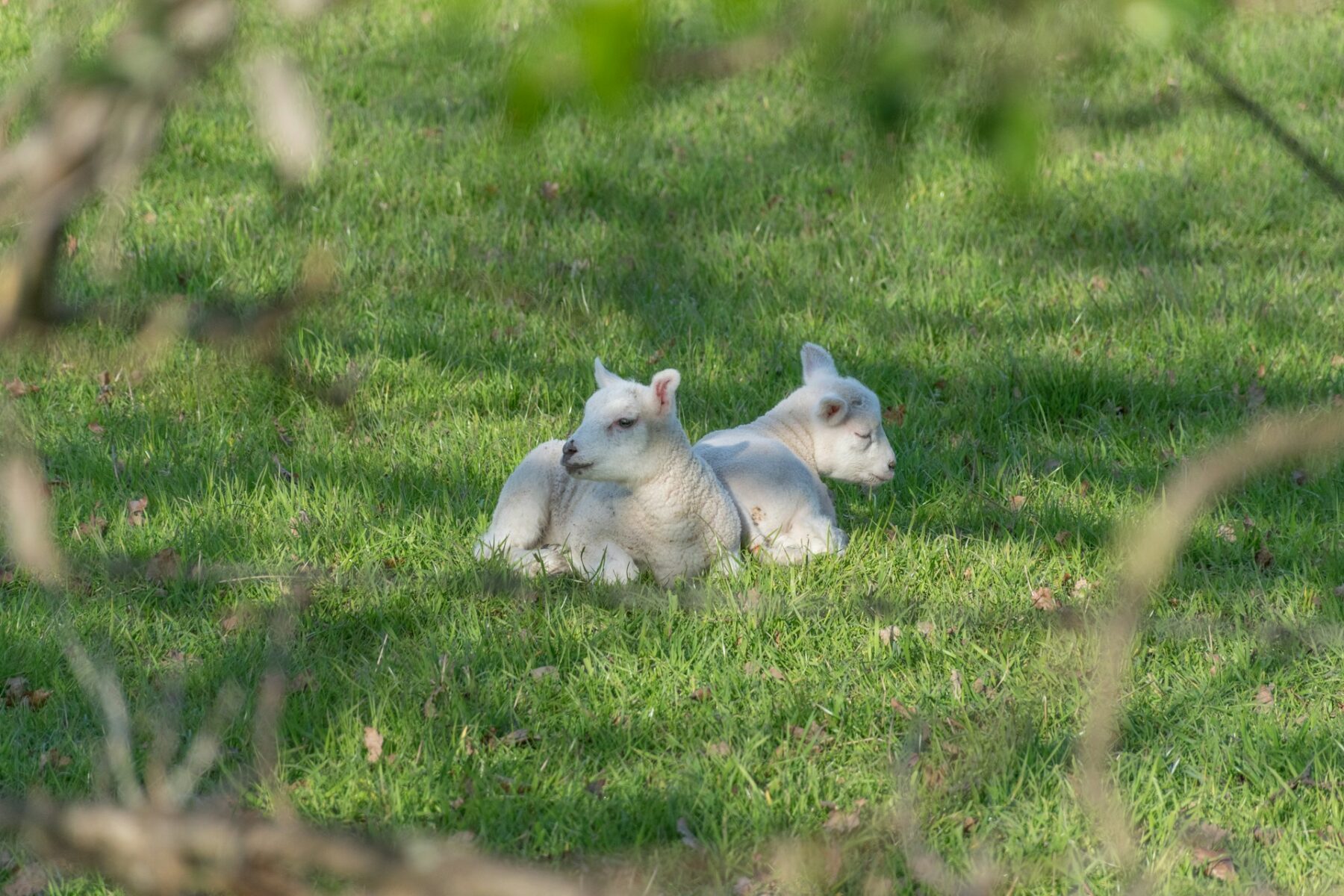
Ostara arrives when day and night meet in perfect balance. For a brief moment on the equinox, light and darkness share equal measure before the sun begins its steady ascent towards summer.
Often associated with the mysterious Germanic goddess Eostre, Ostara carries an air of great intrigue. Historical references to her are scarce, yet the symbolism surrounding the festival has endured. Eostre is linked to fertility, renewal and the new dawn, with the name itself having echoed through centuries, sharing a linguistic connection to the Christian festival of Easter.
Modern celebrations of Ostara reflect this spirit of renewal, from eggs – symbols of fertility and rebirth – being decorated and shared, to seeds being planted in hopeful anticipation. The returning vitality of nature invites us outdoors, to wander along woodland paths and marvel at the blooming flowers. Across fields and hedgerows, lambs leap through fresh grass whilst blossom bursts from branches; the land is alive once more, and the year begins anew.
Beltane
May Day (May 1)
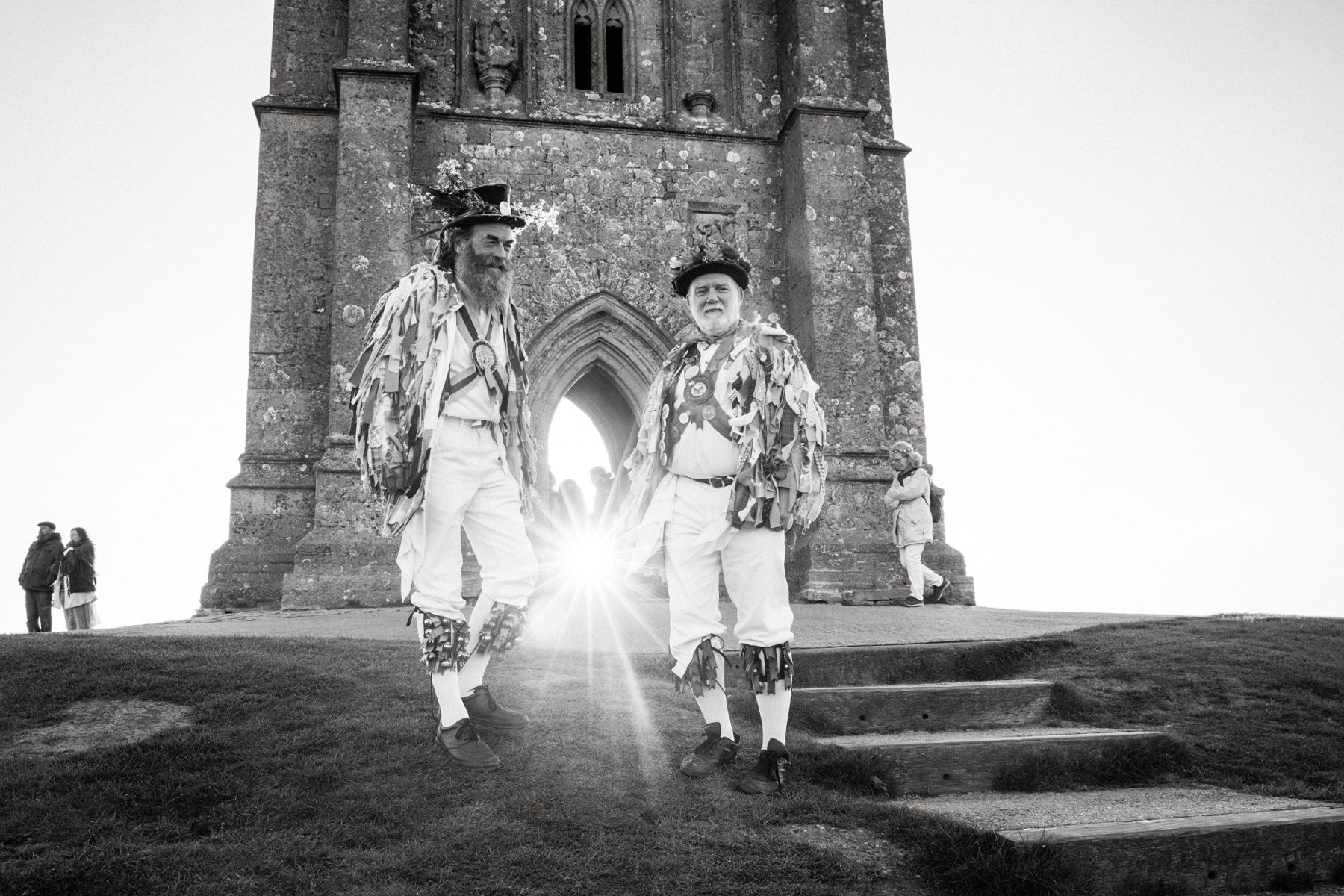
Whilst Ostara brings a gentle awakening, Beltane arrives in a blaze of liveliness. Celebrated on May Day, this ancient festival goes by many names in Gaelic tradition, from Bealtaine to even Cétshamhain – meaning the beginnings of summer in the traditional Gaelic calendar.
Historically celebrated across Ireland, Scotland and parts of Britain, Beltane was a time of community gathering and ritual. Bonfires were lit, and cattle were driven through the drifting smoke to bless and protect them for the coming season. These fires symbolised purification, vitality and the growing power of the returning sun.
Today, May Day is still widely celebrated with an array of enduring traditions across the UK. Villages and towns welcome the season with Morris dancing, flower garlands, the weaving of ribbons around the Maypole, and perhaps even the playful appearance of the Hobby Horse. These colourful, community festivities capture the joyous nature of Beltane, one that celebrates movement, fertility, and new life.
From Gentle Warmth to Joyous Celebration
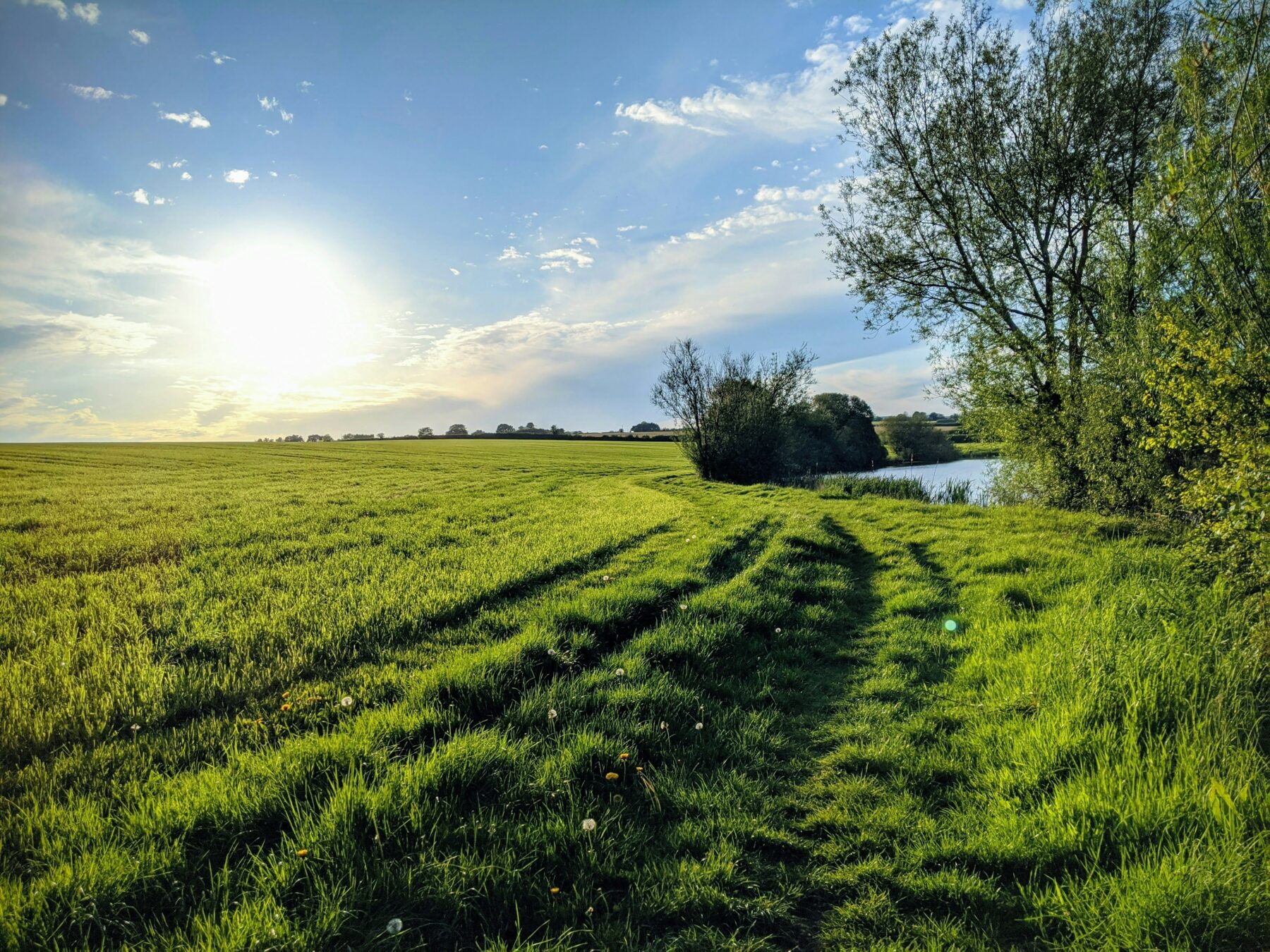
Together, Ostara and Beltane guide us from the quiet awakening of early spring to the vibrant energy of approaching summer. As the Wheel continues to turn, the sun will climb ever higher towards Litha, the midsummer solstice, before the harvest festival of Lammas signals the first whispers of autumn.
For now, however, the season belongs to warmth and light, to fresh beginnings and joyful celebration. Nature prospers, life abounds, and the promise of summer lies ahead.
- The Avalon Marshes is a magical wetland landscape, nationally important for its rich cultural heritage. At Avalon Archaeology a programme of year-round events and workshops explore the heritage and seasonal traditions of this unique place and its people. See What’s On.
- At Somerset Rural Life Museum, Glastonbury, you can explore landscape, creativity, rural traditions and beliefs, and more. Discover the former Abbey Farm, the magnificent 14th century Abbey Barn and a traditional cider orchard.