
Metalwork
Working with metal first became part of Reckitt’s artistic repertoire in the 1930s, when she made use of the material in the creation of pub signs across West Somerset. In the late 1960s, she returned to metalwork, again creating relief work, and later three-dimensional sculpture that would form an important part of her artistic language in the final two decades of her life.
Reckitt recognised that, in order for her metalwork to develop, she would need to learn to weld, which would give her access to new materials and new ways of building up her forms. In the late 1960s, she began metalworking classes at Roadwater Forge, which were overseen by the blacksmith Harry Horrobin. It was the start of a new creative journey.
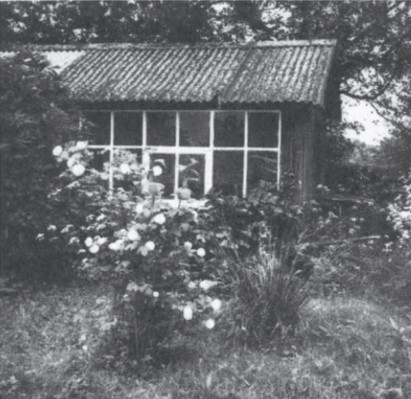
Reckitt’s approach to metalwork sculpture developed alongside the concept of the ‘artist-blacksmith’ in Britain. For Reckitt and others, the foundation of BABA offered renewed opportunities for exhibiting and exchanging ideas. She began devoting summers to forging sculptures in her outside studio, while winters were spent inside at her easel.
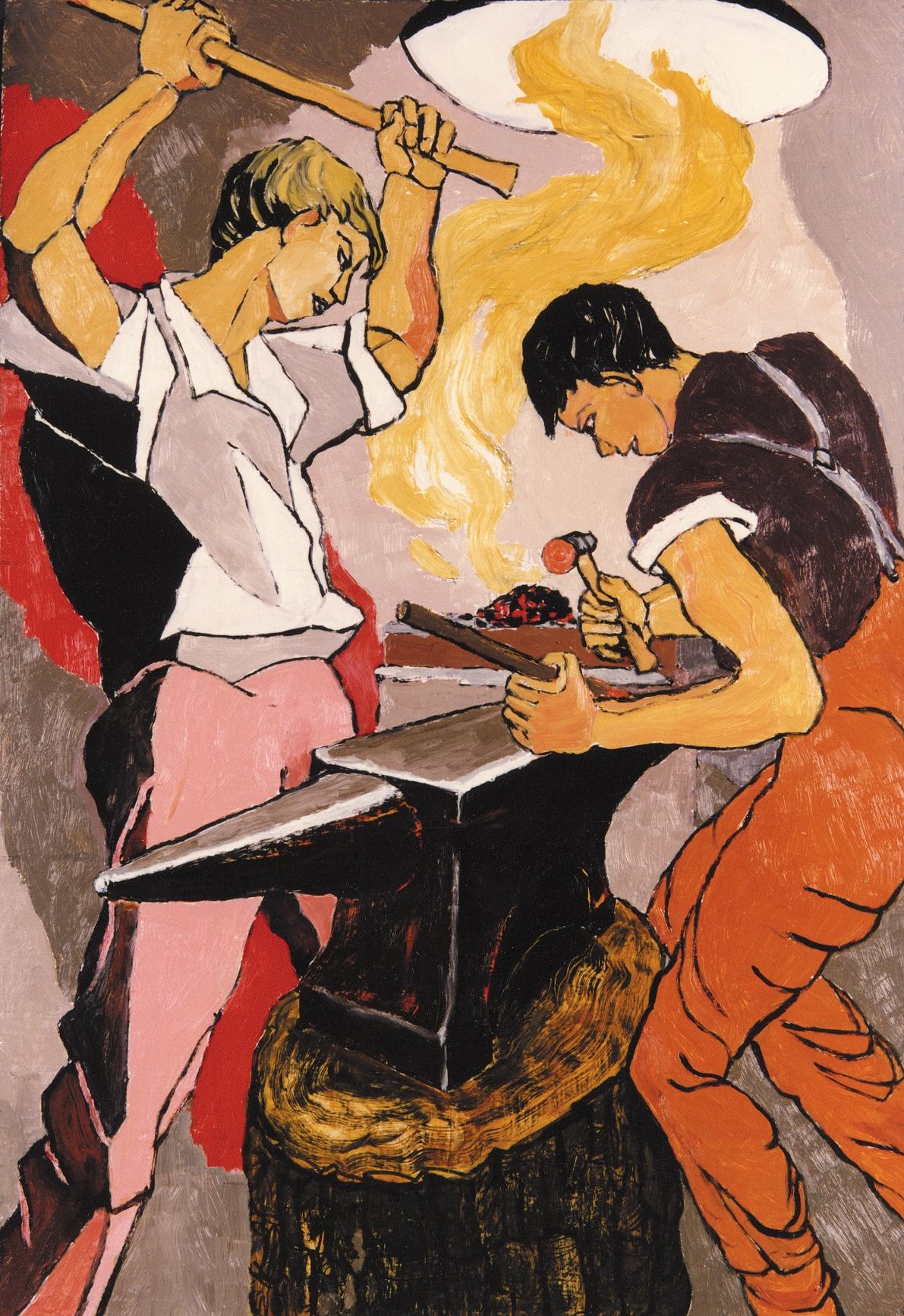
© The Golsoncott Foundation
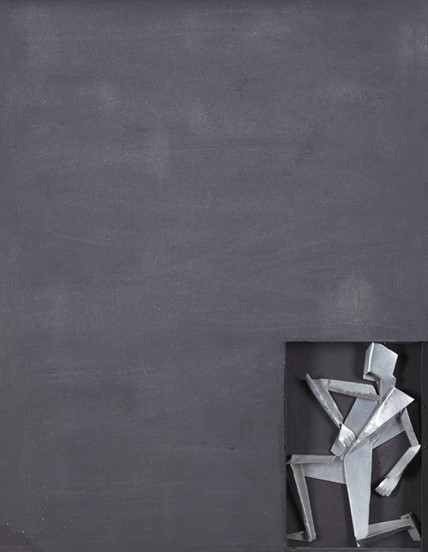
South West Heritage Trust Collection
Canvas, board, steel & wood, 93 x 74 x 6 cm
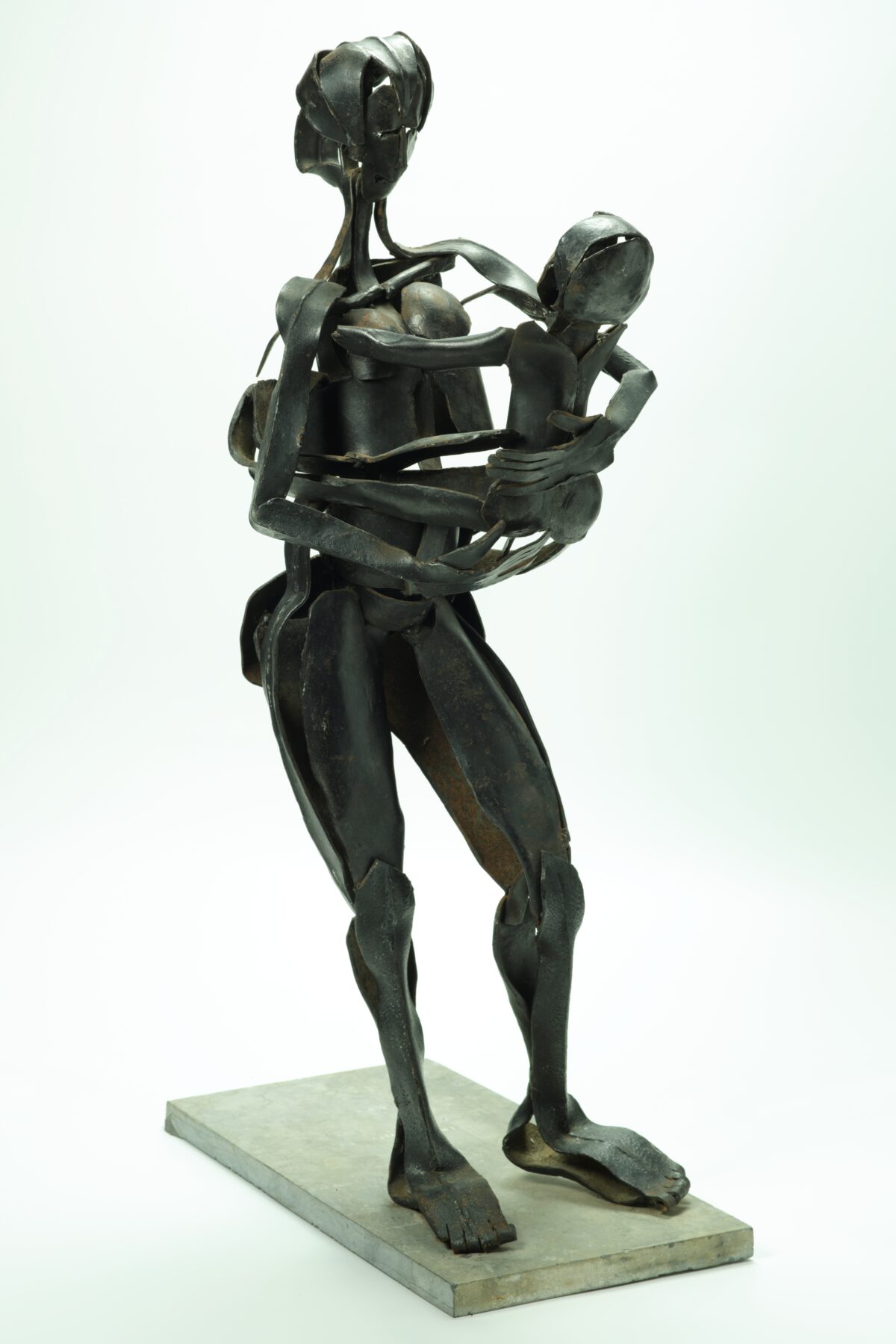
South West Heritage Trust Collection
Forged and welded steel, 80 x 44 x 23 cm
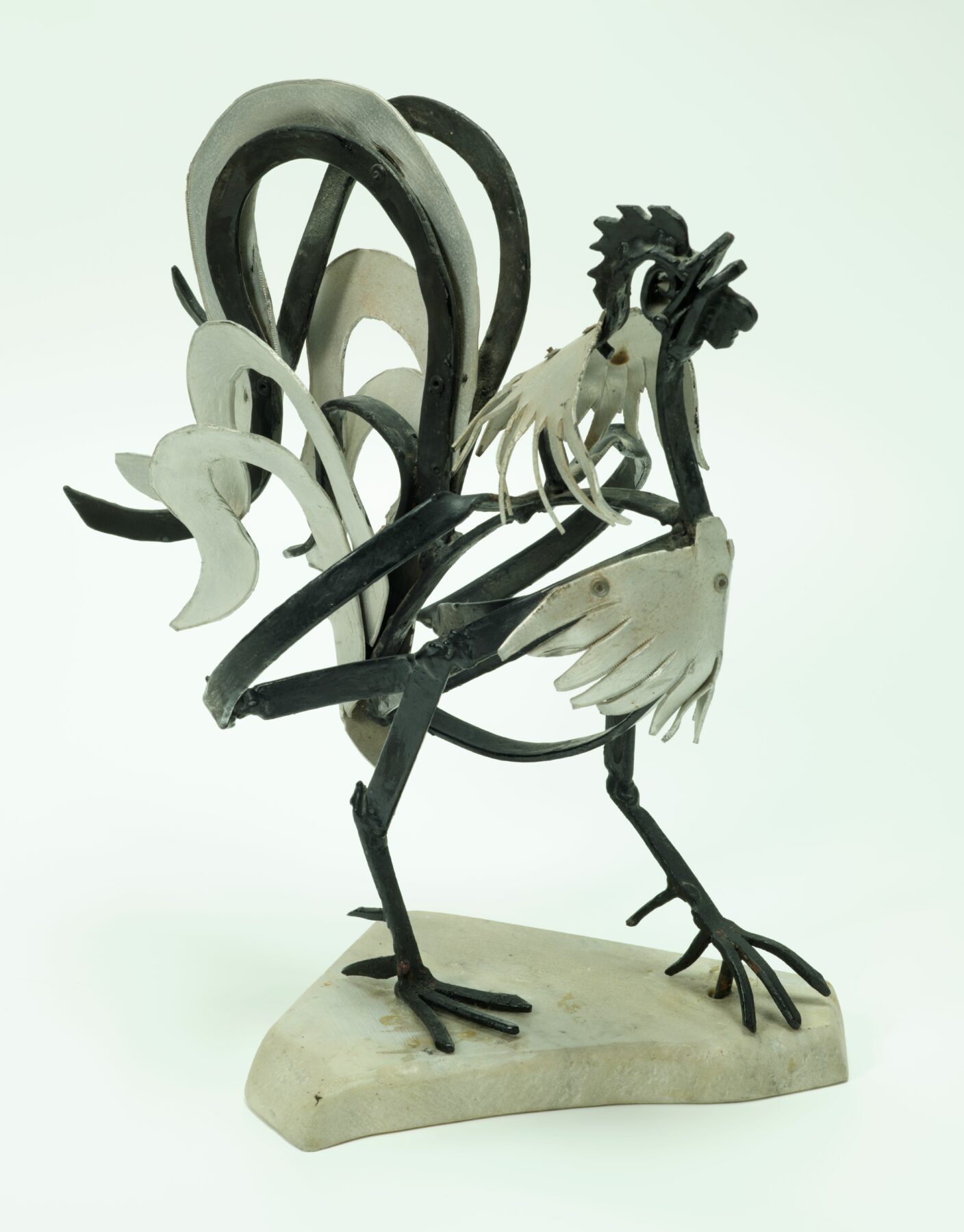
Private Collection
Forged and welded steel, 30 x 25 x 17 cm
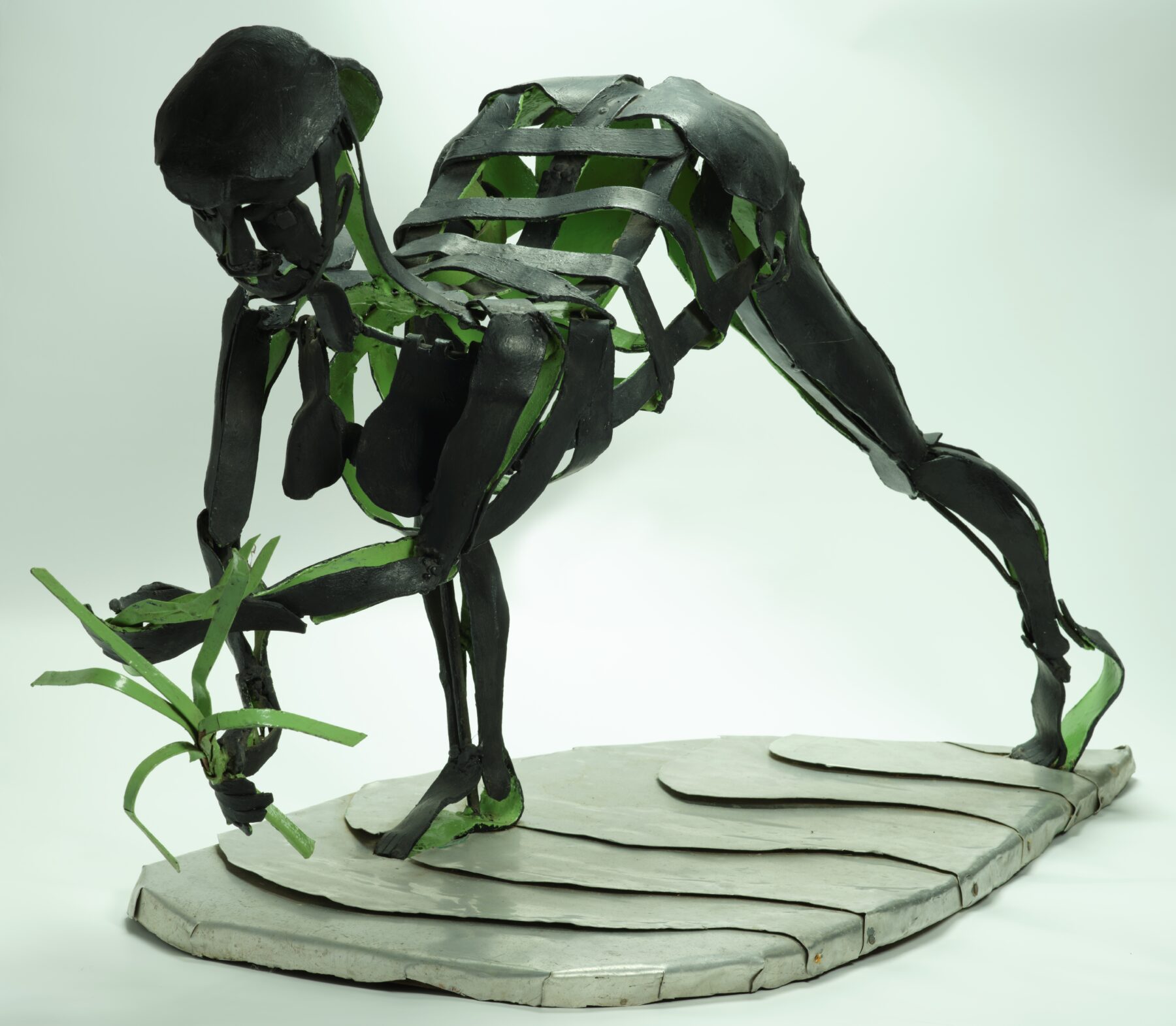
South West Heritage Trust Collection
Forged and welded painted steel, 59 x 110 x 50 cm
Gallery