
CITY AND COUNTRY
In the decade following the Whitechapel show, Hollweg achieved international recognition, including through solo exhibitions in New York, Venice and Vicenza.
Wooden sculpture and watercolours were now his main means of artistic expression, and his recurrent subjects were groups of houses, buildings, trees and statuary. Human interventions in the landscape, which he called ‘follies’, became for him ‘symbols of activities and dreams which were both poignantly sympathetic and comic’.
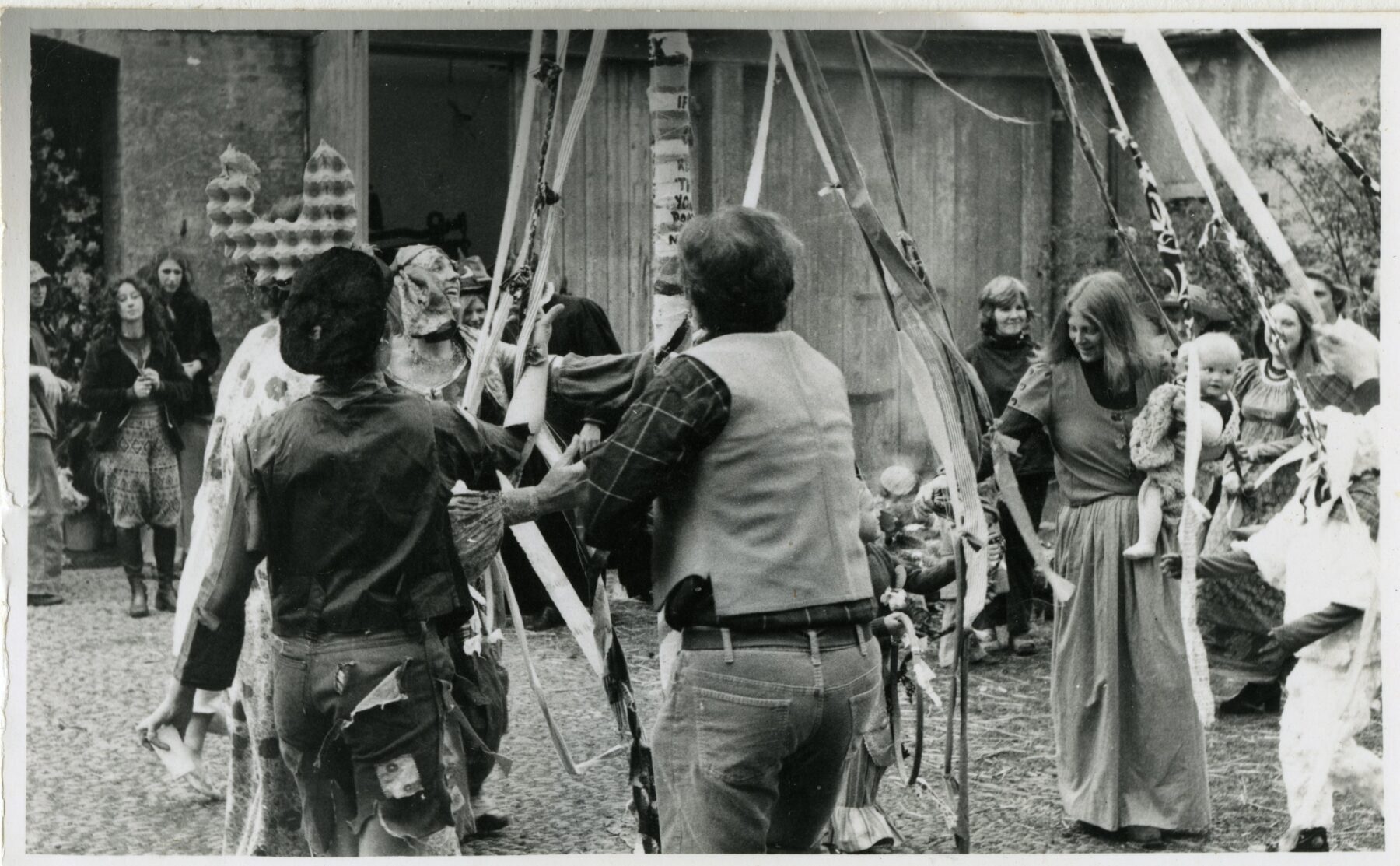
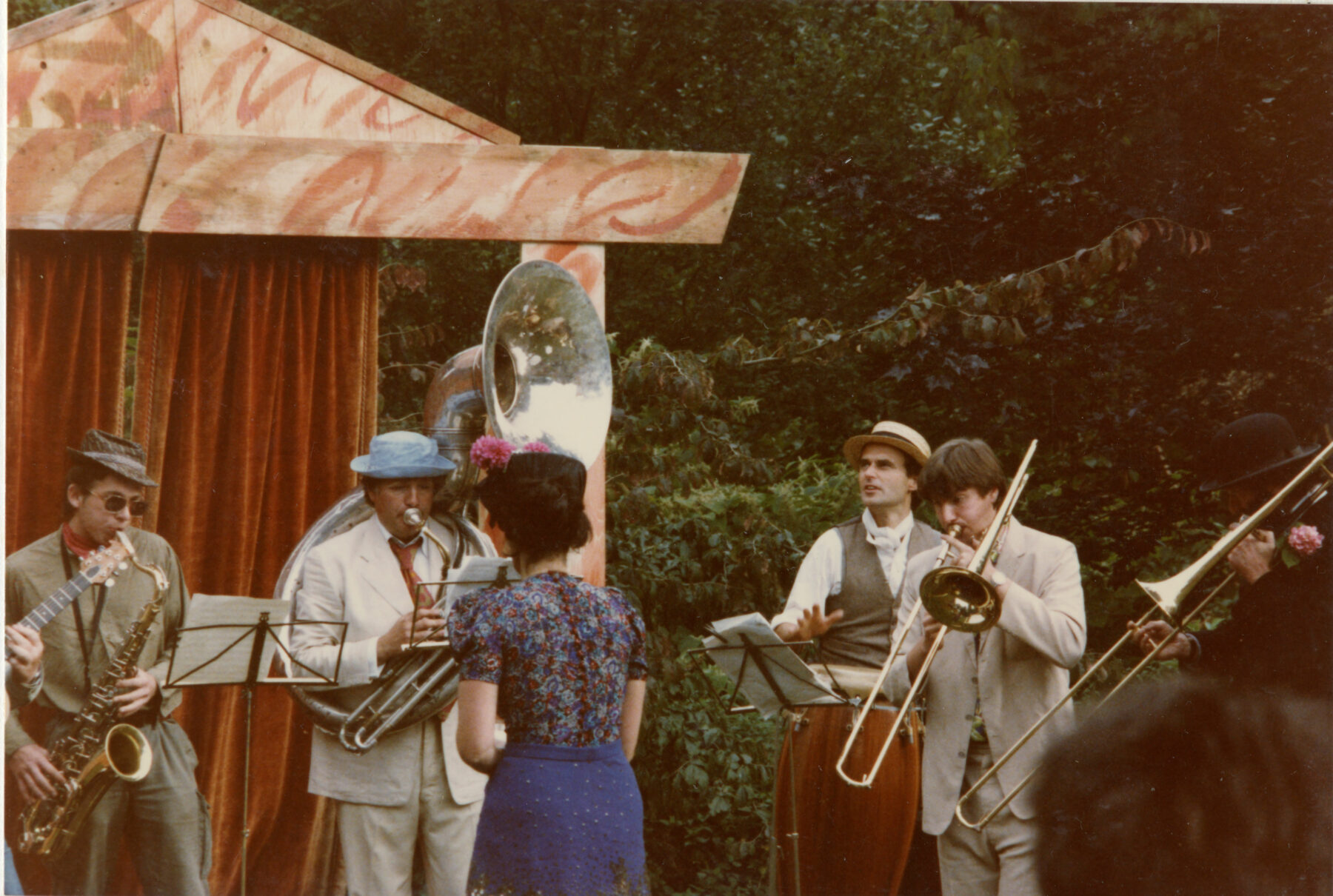
In 1973 the Hollwegs moved permanently to Nettlecombe. There they quickly became central to an artistic community characterised by shared values and common purpose as well as by much discussion and many parties. At the same time, the life of the city never ceased to be important to Hollweg.

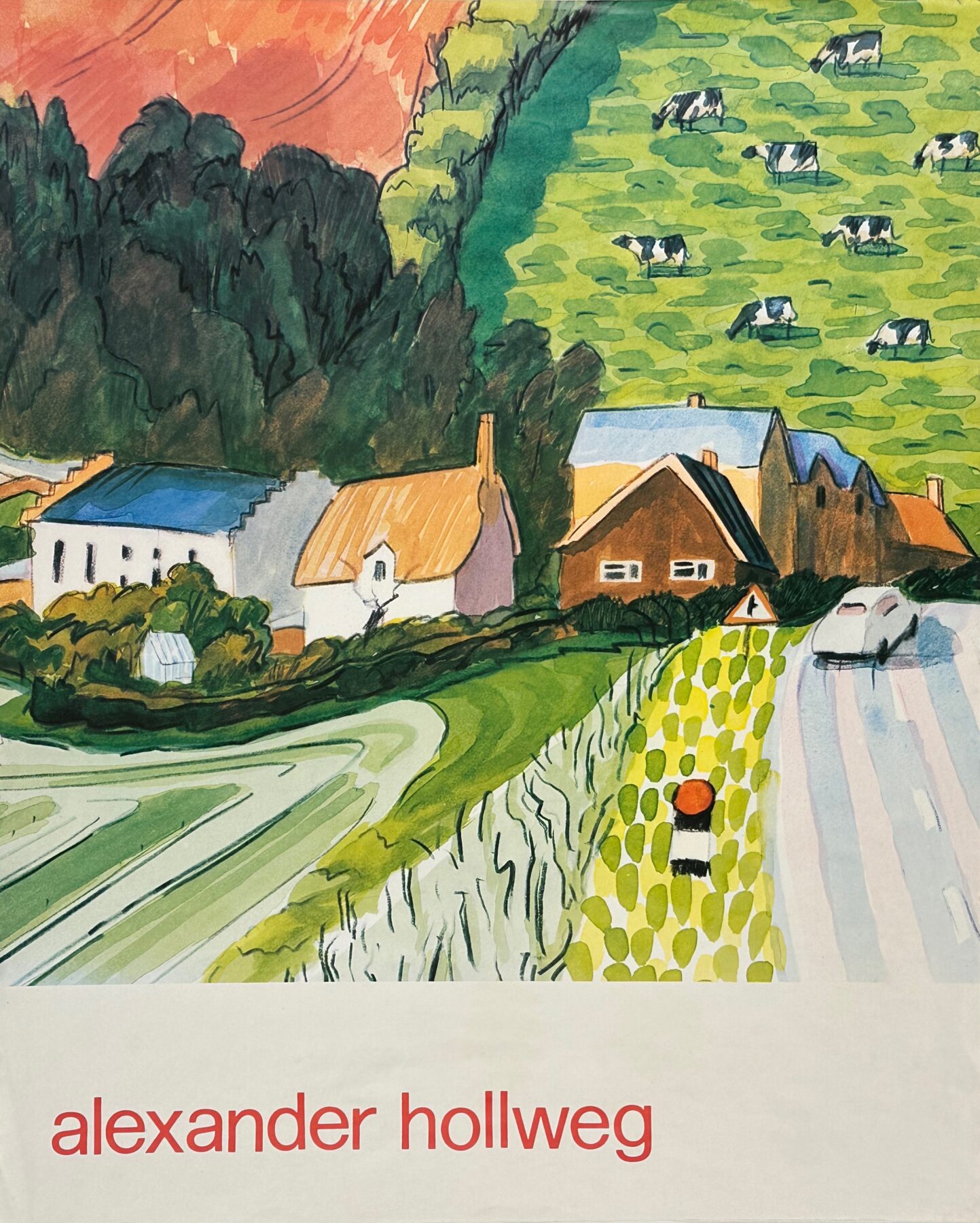
Printed poster on paper, 60 x 49 cm
In 1975 Hollweg held his first American exhibition at the Jill Kornblee Gallery in New York. It was both a commercial and critical success and led to three further exhibitions at the gallery.
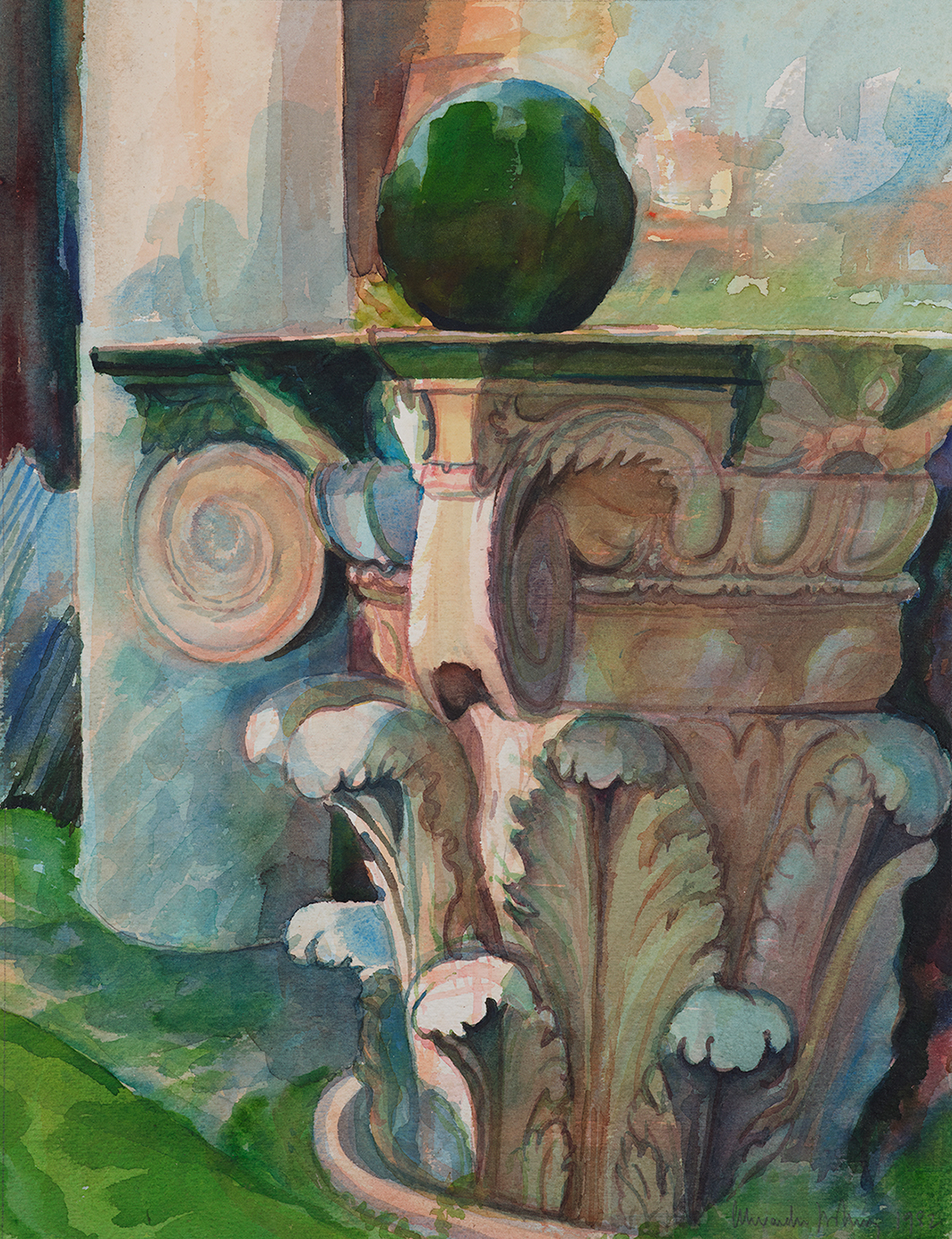
Watercolour on paper, 45 x 34 cm
During the 1980s Hollweg exhibited with the Galleria Ghelfi in Vicenza. He later recalled visits to the city as some of the happiest times in his career.
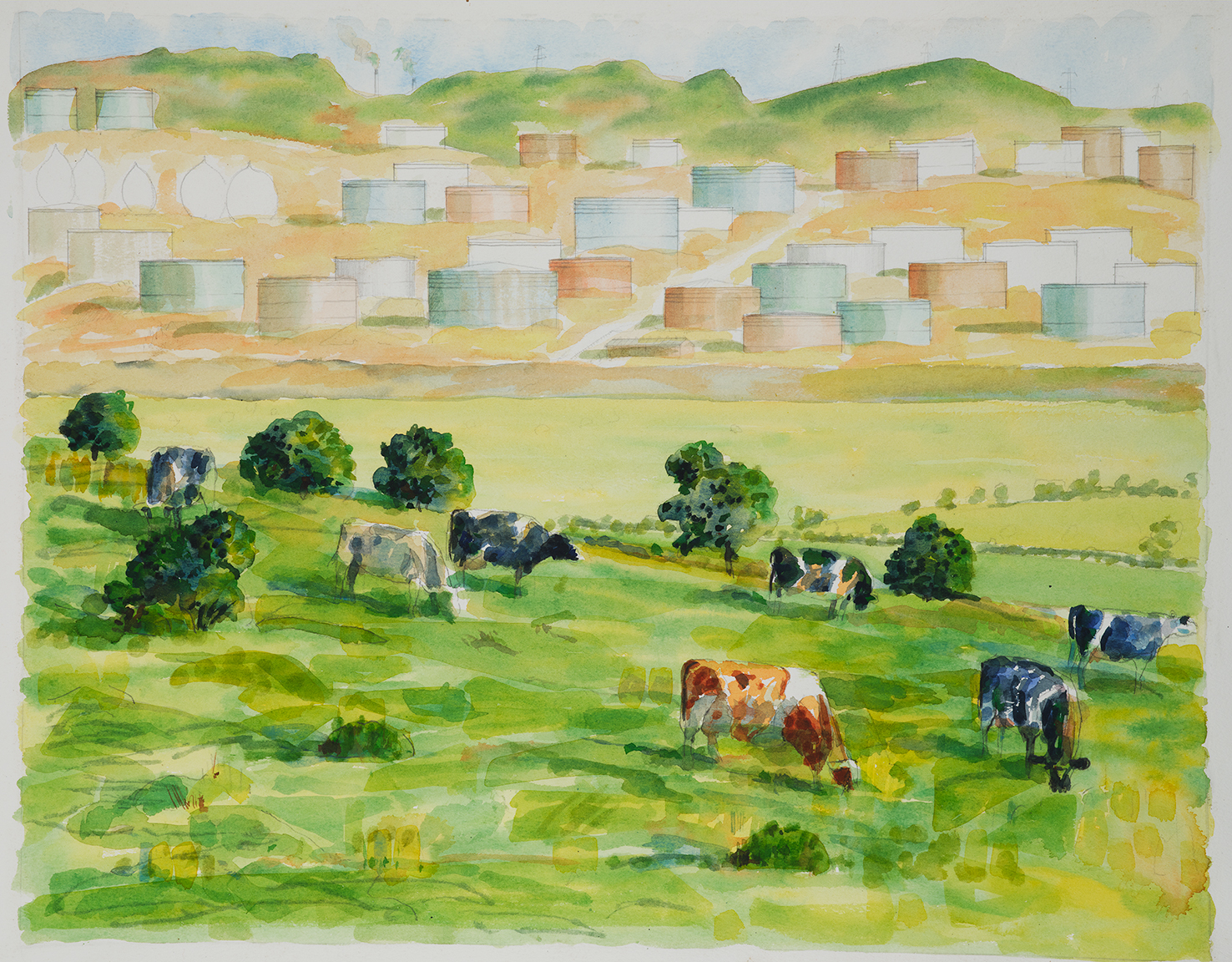
Watercolour and pencil on paper, 56 x 67 cm
This work features what Hollweg called industrial ‘follies’ in the landscape. Drives taken by Hollweg through the countryside were often interrupted by stops to look at, photograph and sketch such scenes.
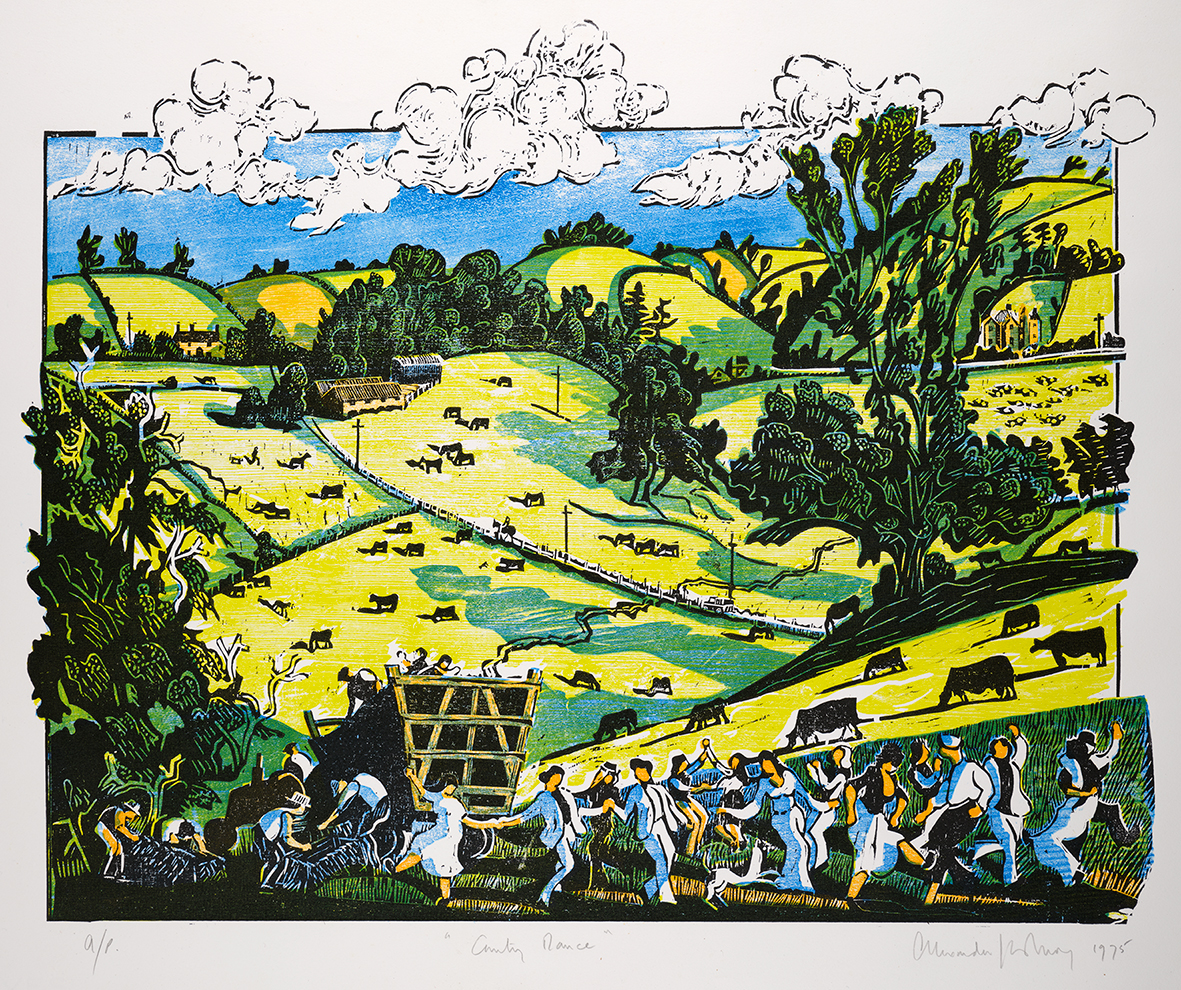
Woodcut on paper, 59 x 80 cm
Country Dance was commissioned by Bernard Jacobsen as part of a print portfolio to celebrate the bicentenary in 1976 of the birth of John Constable. Perhaps no work expresses more powerfully what Nettlecombe and its community meant to Hollweg.
Gallery