
A 15-month long project to conserve hundreds of documents dating from 1577 to 1748 is complete. In August 2021 the Trust received a grant from The National Manuscripts Conservation Trust (NMCT) to conserve the probate administrators accounts, which are part of the archive of the Diocese of Bath and Wells. Project conservator Lucy Cokes reports on the success of the project which has not only seen 800 documents receive conservation treatment but has also provided learning opportunities for young people, students, apprentices and volunteers.
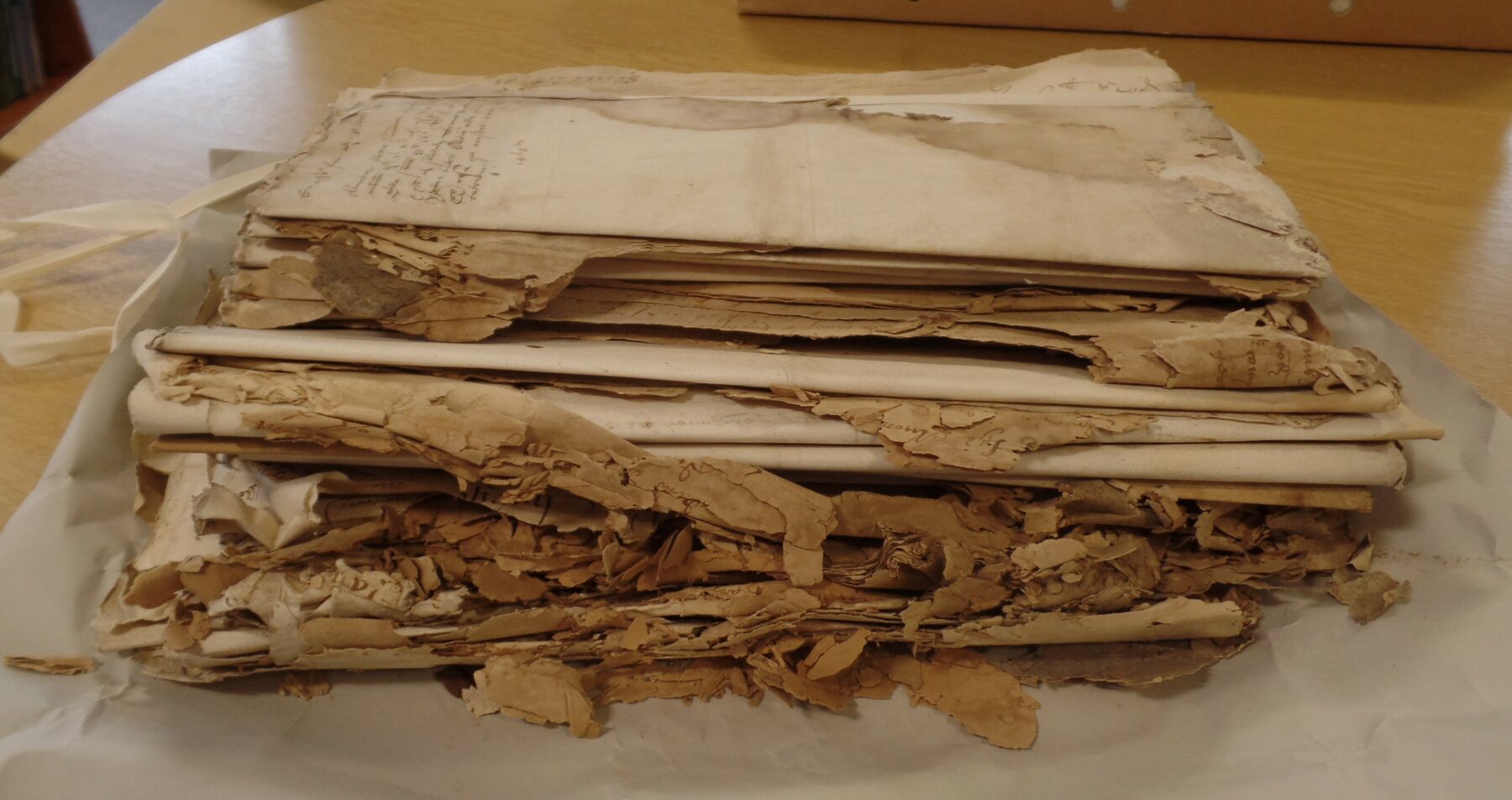
Paper in the early-modern period continues to survive to this day, as it is made from rag-fibre. Accounts with little or no damage in the collection are still remarkably bright, with iron-gall inks mostly stable. However, damage to most of the collection was severe having been stored in damp conditions. Many of the documents suffered from significant water and damp damage, which in turn attracted pests and mould. The worst-damaged documents were completely unstable and inappropriate to handle in the searchroom, and otherwise inaccessible. There are many fragments from the collection that could not be matched with a documents.
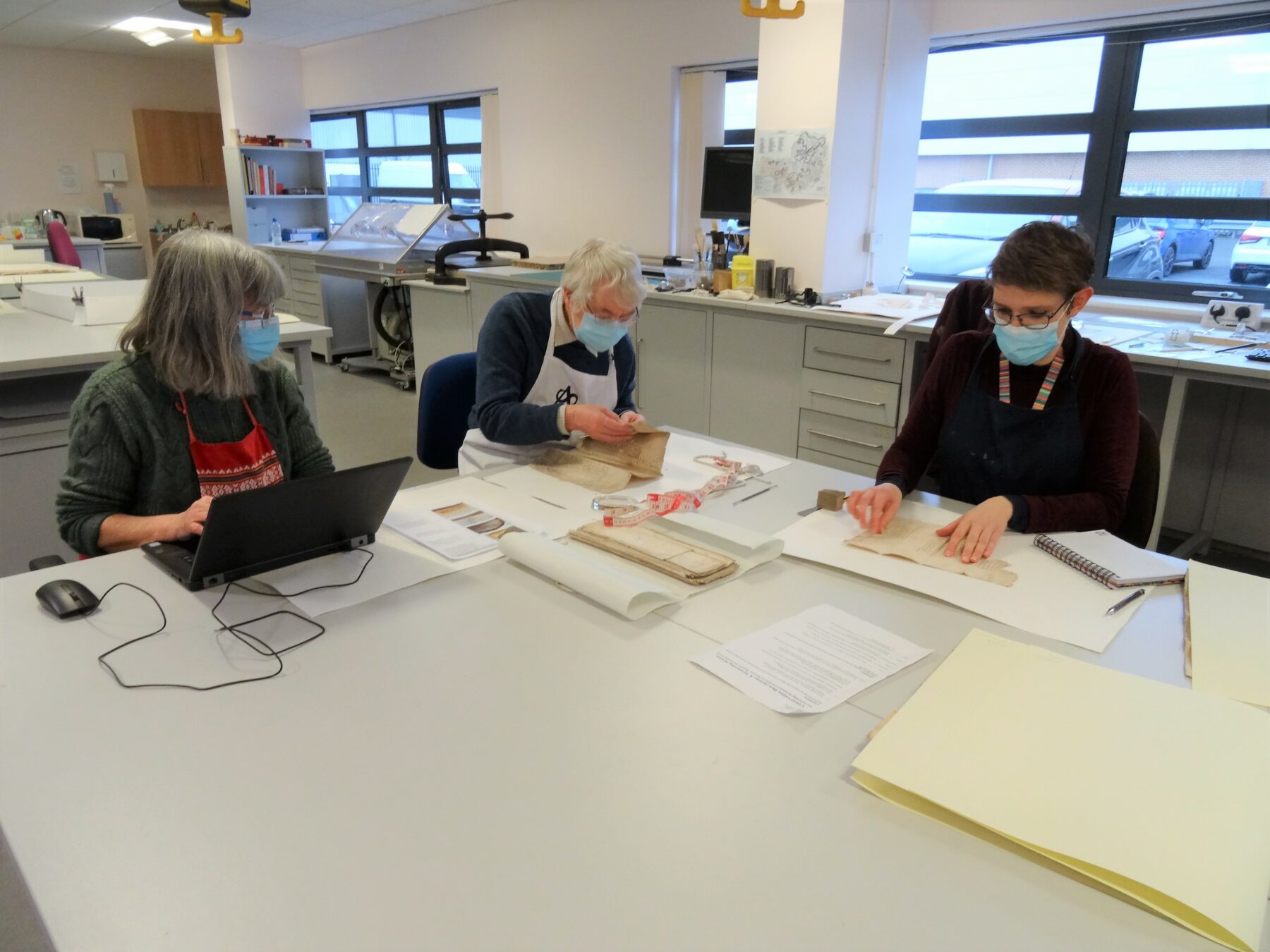
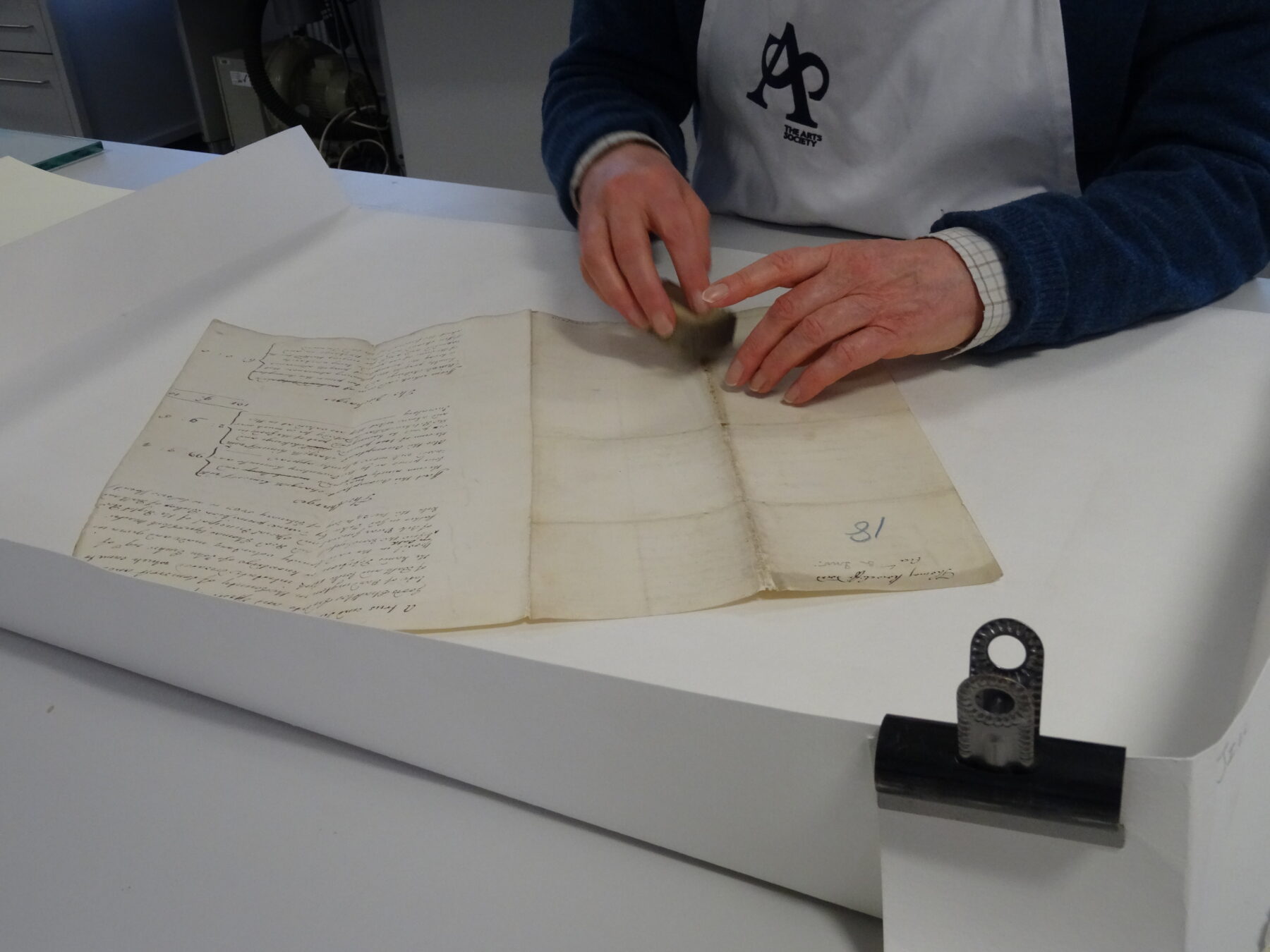
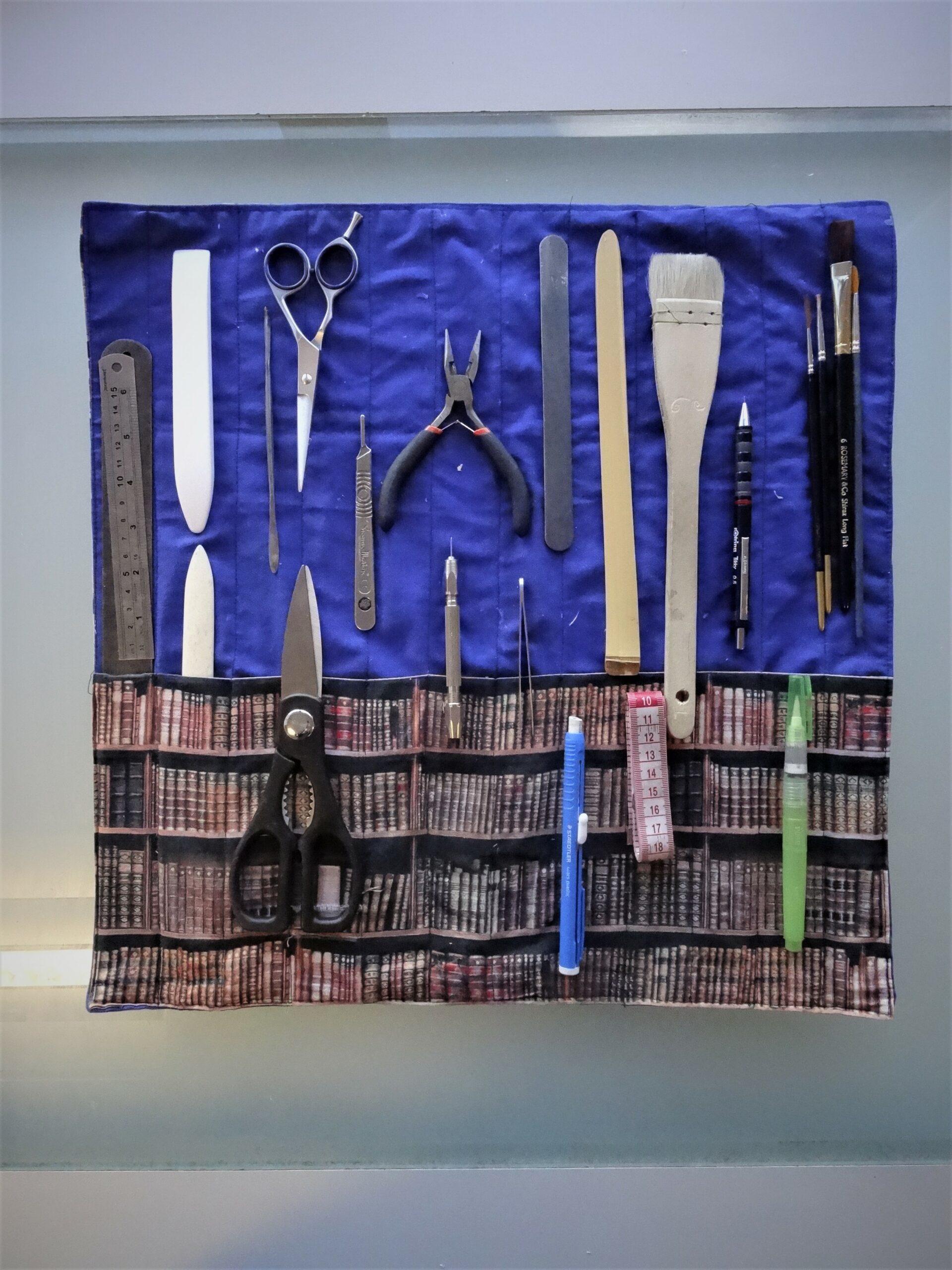
After photography and surface cleaning (pictured), traditional paper repair techniques were employed. Due to the vast size of the collection, and the short time frame in which 1,000 documents needed to be conserved, techniques prioritising speed were used. This included applying patches of repair paper over large areas of damage, supporting both the areas where damage has weakened paper fibres, making areas soft, and large tears and loss.
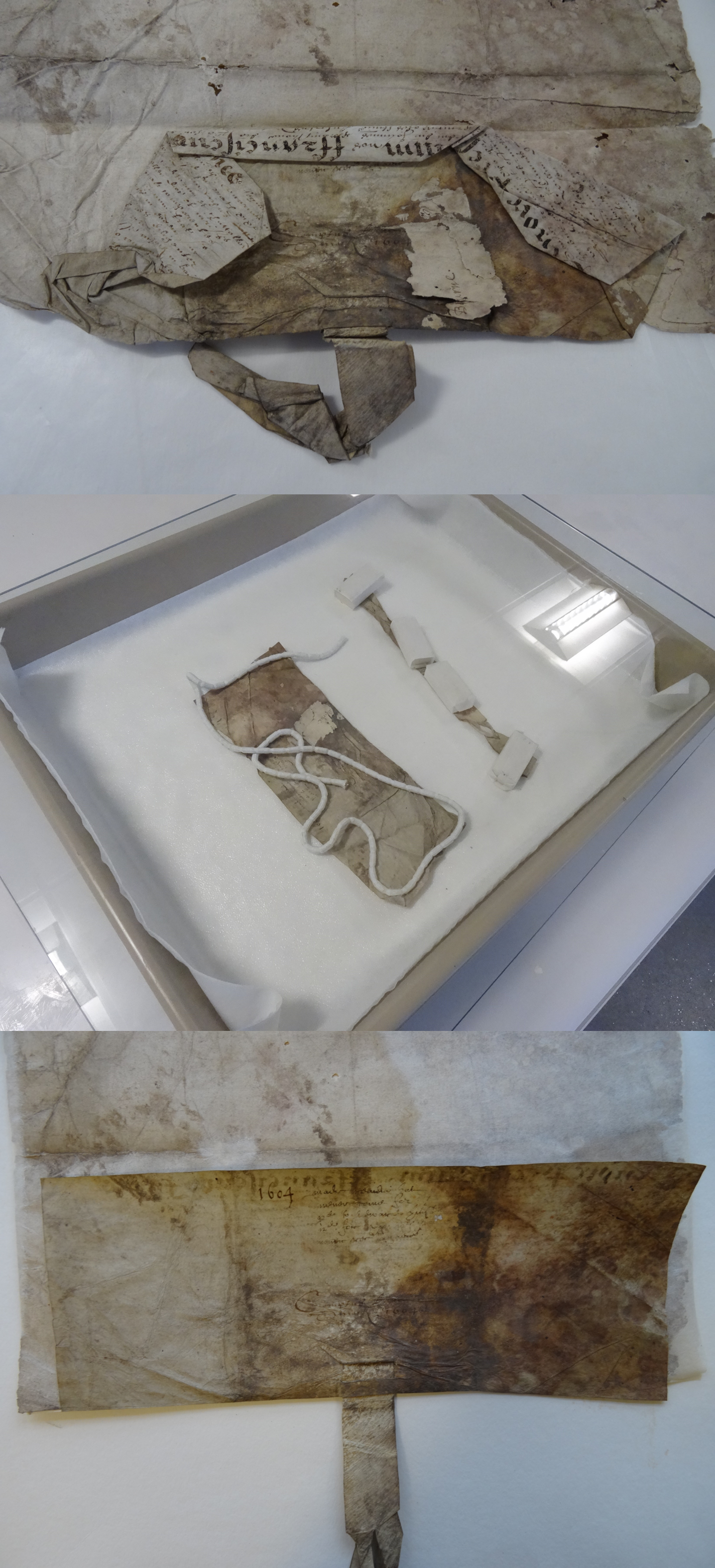
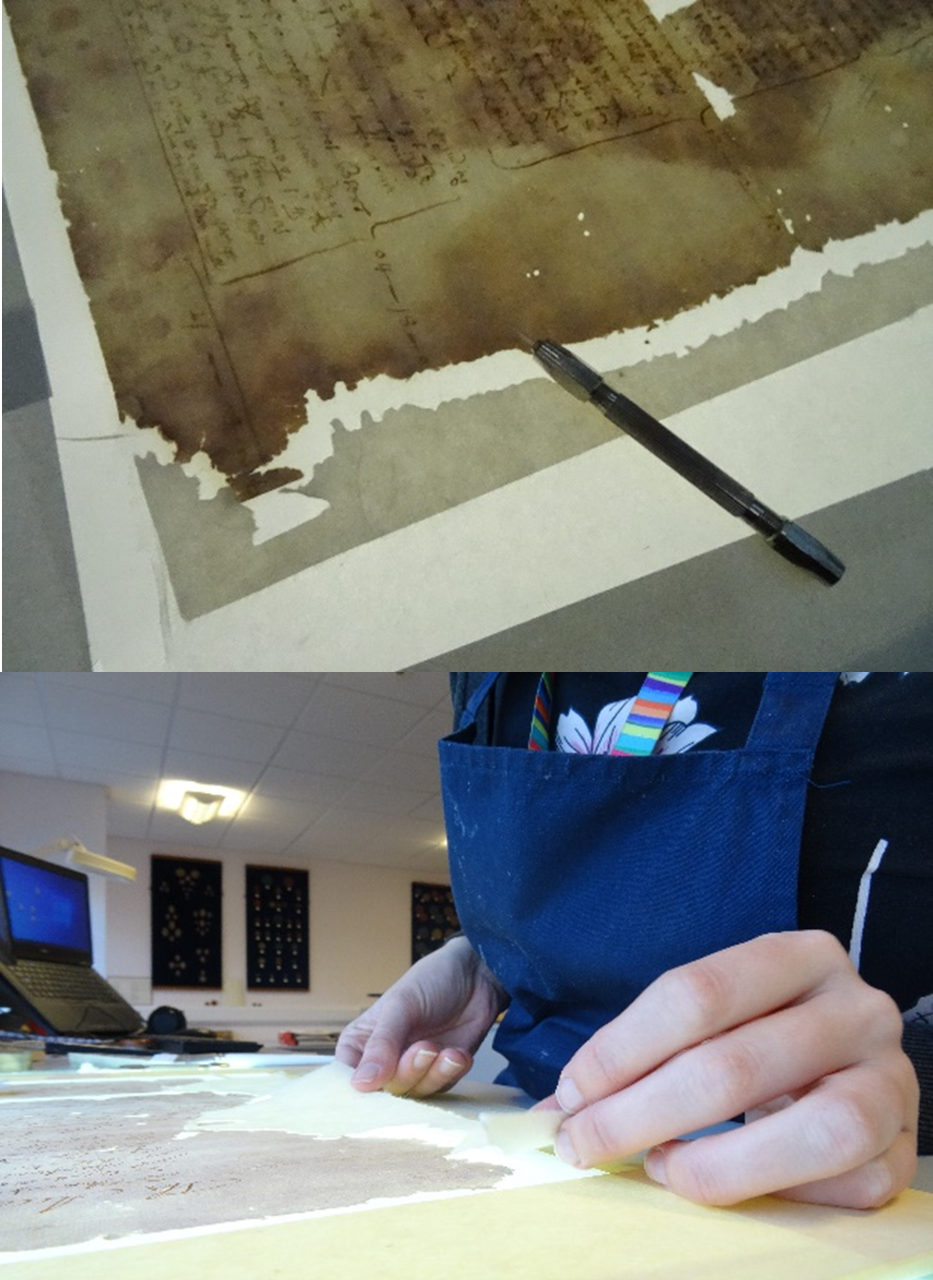
Where documents were severely damaged, they were lined with lens tissue. These were then infilled with a heavier weight Japanese tissue of a similar tone over a lightbox. This was vital for the stability of the most damaged documents.
Although treatment largely remained similar for each document, each document was treated uniquely. This was especially important when considering the small amount of parchment in the collection. Other treatments included humidifying and flattening.
Archival folders were made for the entire collection by the conservation assistant. 10 documents were placed in each folder. The team of volunteers and apprentices completed the sorting of the documents.
Over 800 documents have received conservation treatment. While it was not possible to complete conservation on every single document in the limited timeframe, documents in need of conservation have been filed and stored safely.
Before and After Conservation Treatment
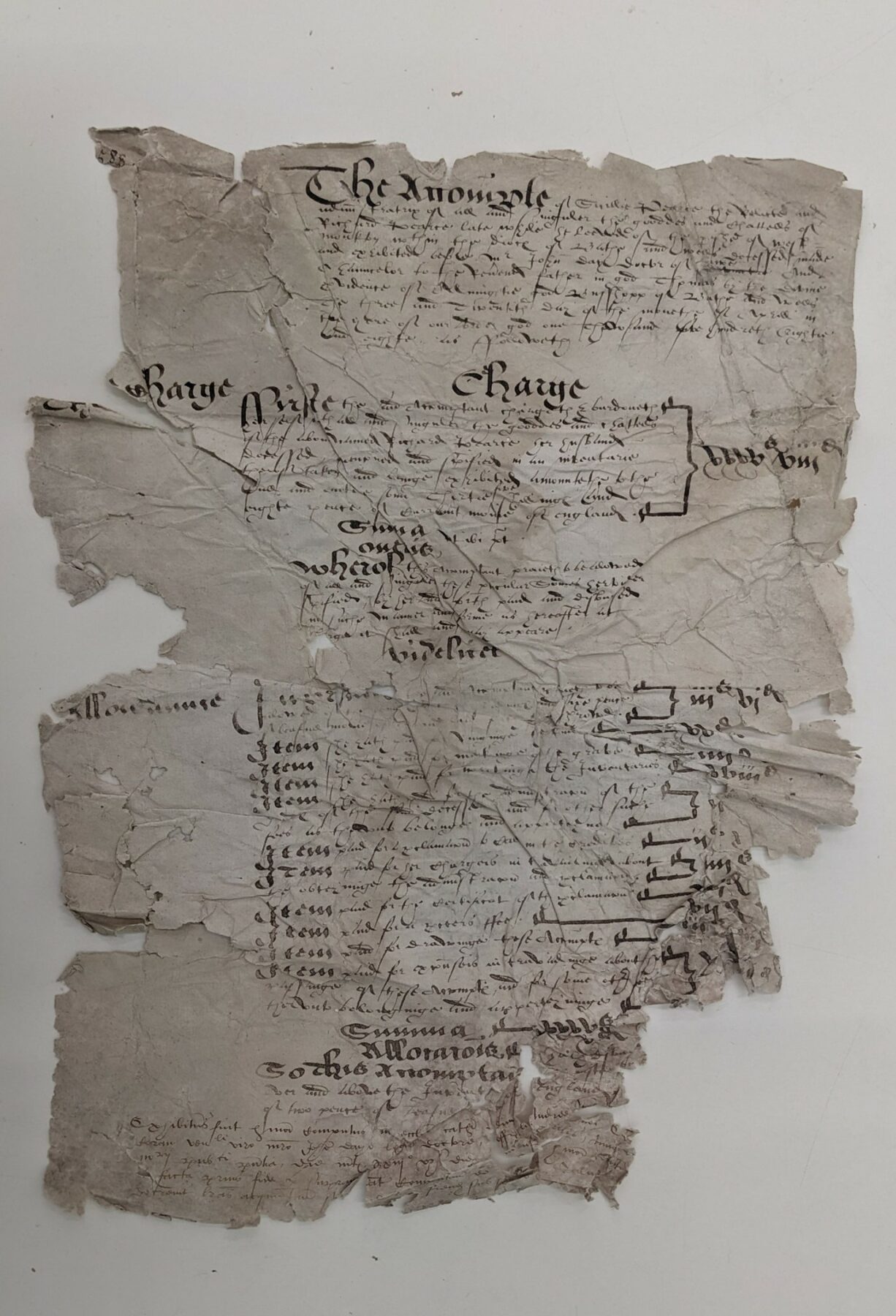
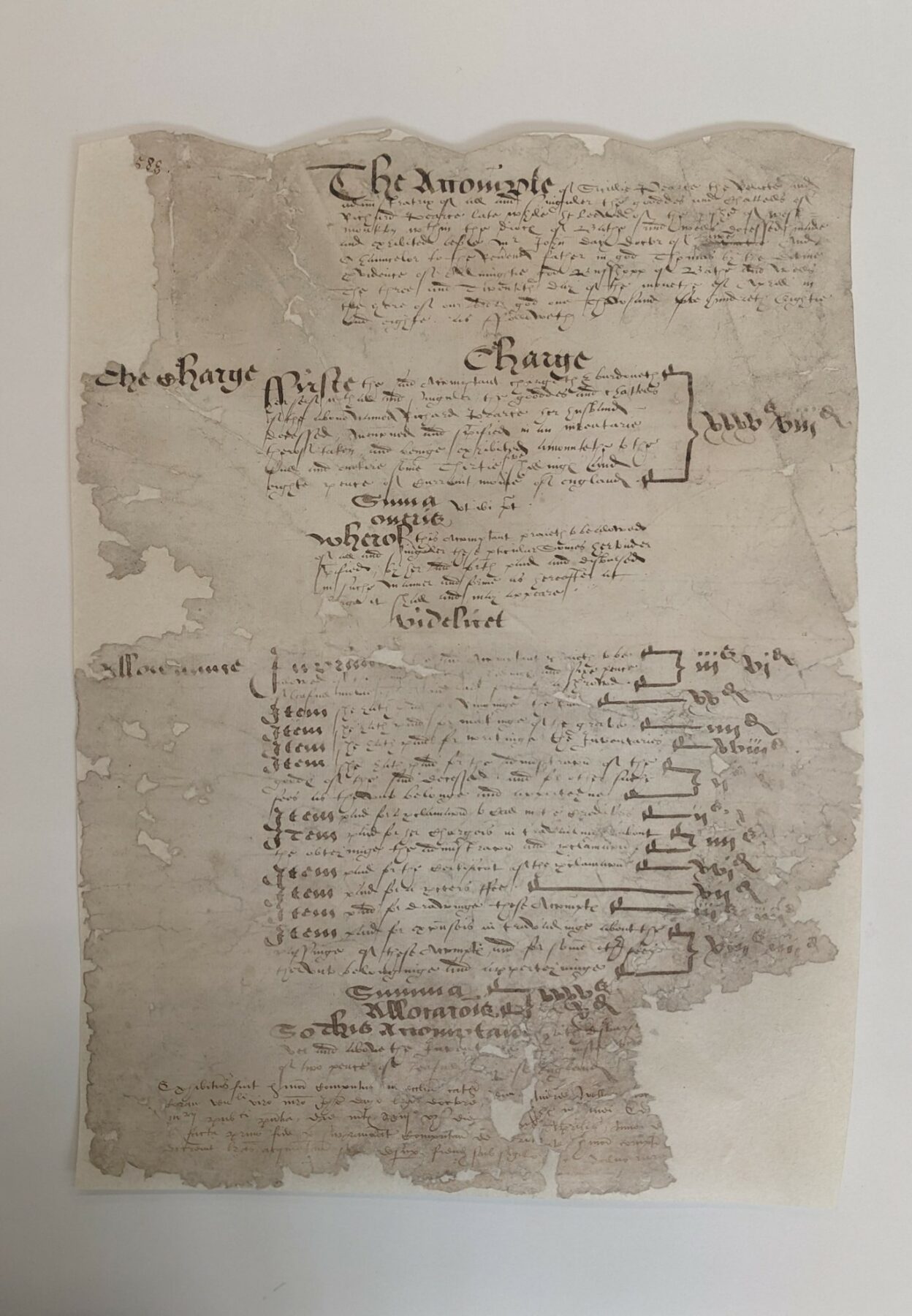
Community Engagement
The project has been the subject of many community outreach and learning activities. As well as hosting tour groups, including the Archdeacon of Taunton, the project has been the subject of an online talk and shared on social media. The documents have been seen by secondary-school pupils on their ‘enrichment day’, where they were introduced to conservation work.
The conservation project has provided five young people the opportunity to improve their skills in conservation. As well as the Kickstart Apprentices, who performed basic paper repairs on the documents, the South West Heritage Trust has hosted three work placements for current students of paper conservation courses, including students from West Dean College and Northumbria University. This has enabled the students to gain important practical experience as well as increase their skill level.
Volunteers have also worked to improve existing catalogue records using their paleography skills. They provided vital assistance at the beginning of the project and have been responsible for the filing and organisation of documents.
The conservation of the accounts has allowed them to become accessible and I’m delighted that the majority can now be handled safely in the searchroom at the Somerset Heritage Centre. The project will have enabled many more people to interact with this important collection.
Lucy cokes, conservator