
What was Somerset like 400 million years ago?
Somerset’s rolling hills, caves, and coastlines are celebrated for their natural beauty, but did you know they’re built on ancient foundations?
Beneath our feet lies a story stretching back 400 million years. Over that vast timespan, this landscape has been shaped by dramatic forces over millions of years. The land of Somerset has been everything from a tropical sea to a scorching desert, a lush rainforest, and even a frozen Ice Age wilderness. Let’s travel back through time and explore the extraordinary worlds that once existed here.
Fire and Mountains: 400 Million Years Ago
Around 400 million years ago, Somerset was part of a huge mountainous continent where volcanoes rumbled and the land was far from the calm countryside we know today. Only a few million years later the Earth changed from a barren rocky planet into the blue-green ‘jewel’ of the solar system.
A Tropical Sea: 360 Million Years Ago
Fast forward to 360 million years ago, and Somerset was near to the equator. The region was a tropical marine paradise, covered by warm, shallow, crystal‑clear seas. These seas were perfect for forming the Carboniferous Limestone that now shapes the Mendip Hills.
Sea Lilies (Crinoids)
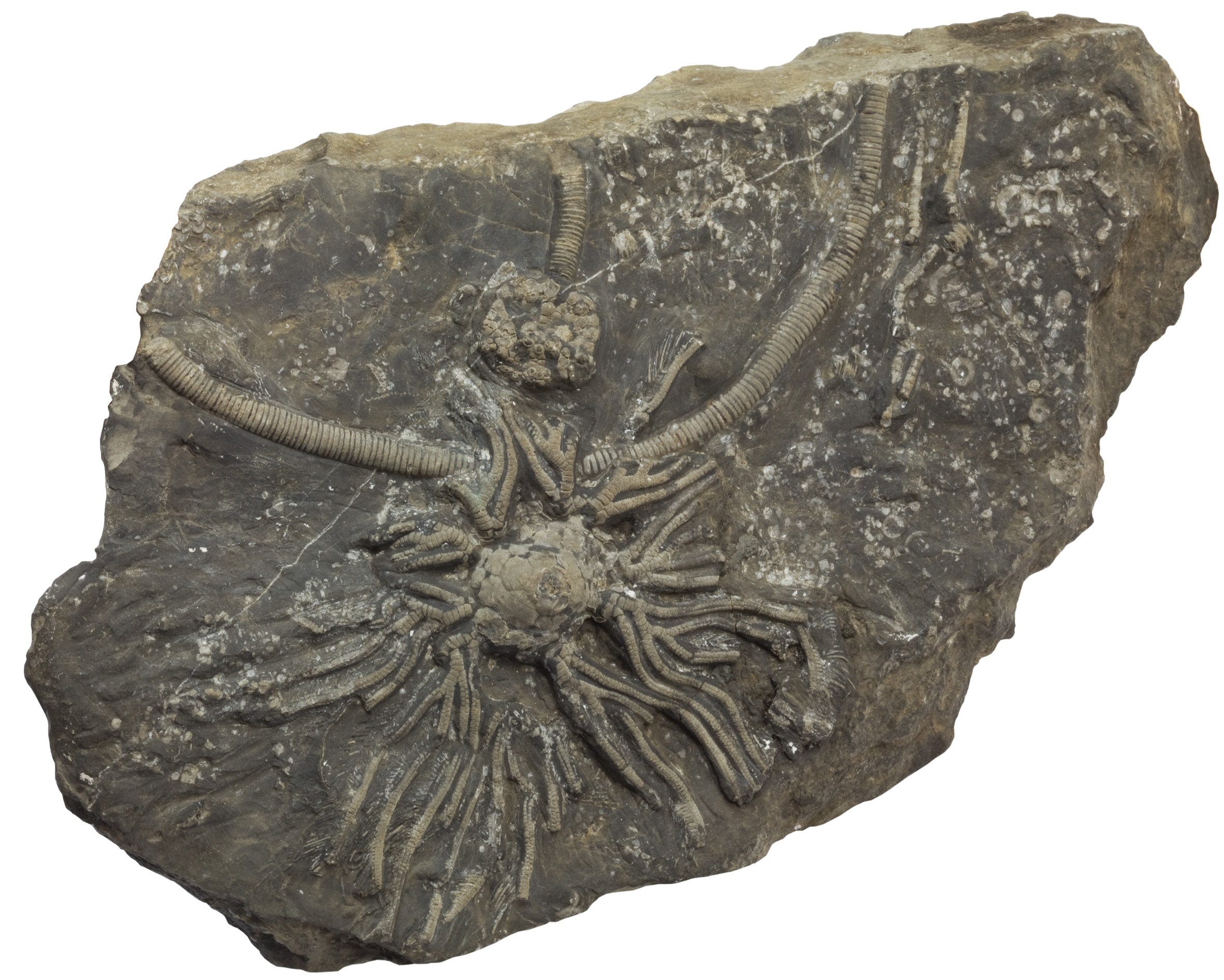
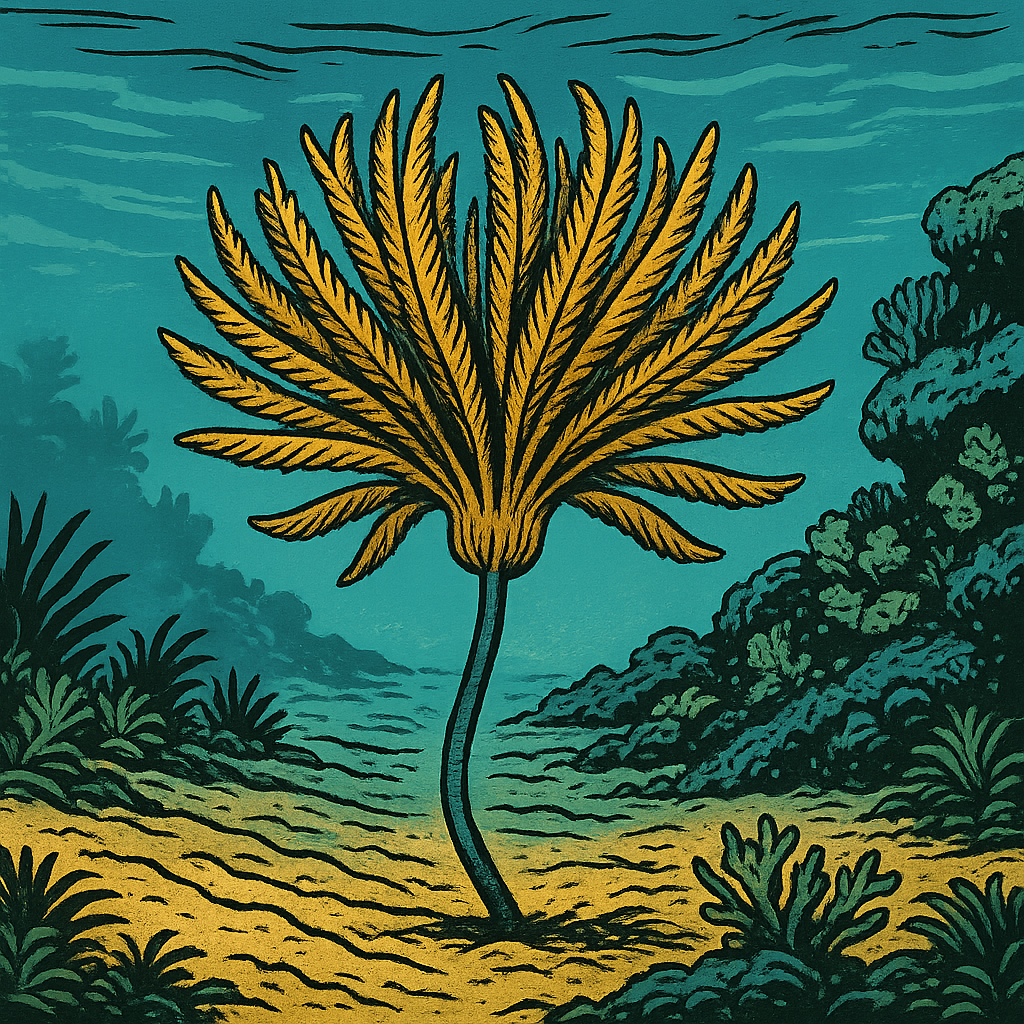
Among the creatures thriving here were crinoids, sometimes called “sea lilies.” Despite their plant‑like appearance, they were animals that lived anchored to the sea floor by flexible stems. This fossil is 360 – 325 million years old and was found in the Mendips.
Forests, Swamps, and Insects: 320 Million Years Ago
320 million years ago, huge rivers carried sediment southwards, choking the seas and creating a vast coastal plain. This is the Carboniferous Period. Tropical wetlands, swamps, and lagoons spread across the landscape. Giant tree-like lycopods grew in the forests. Some were more than forty metres tall. This was a world of towering plants, early forests, and the first winged insects taking to the air. Forests grew over much of Somerset, but the sea still covered the area we know as Exmoor.
Seed-Ferns
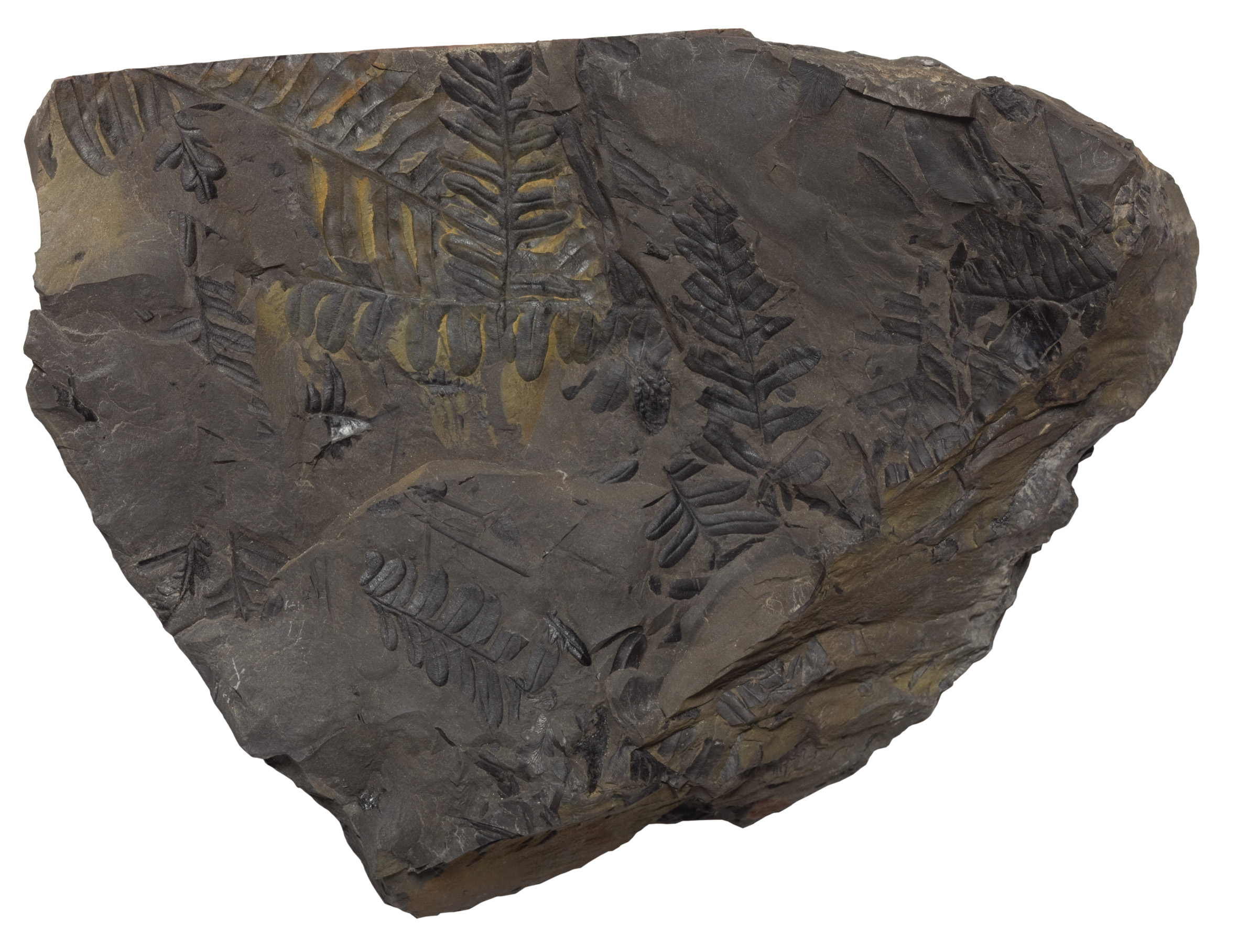
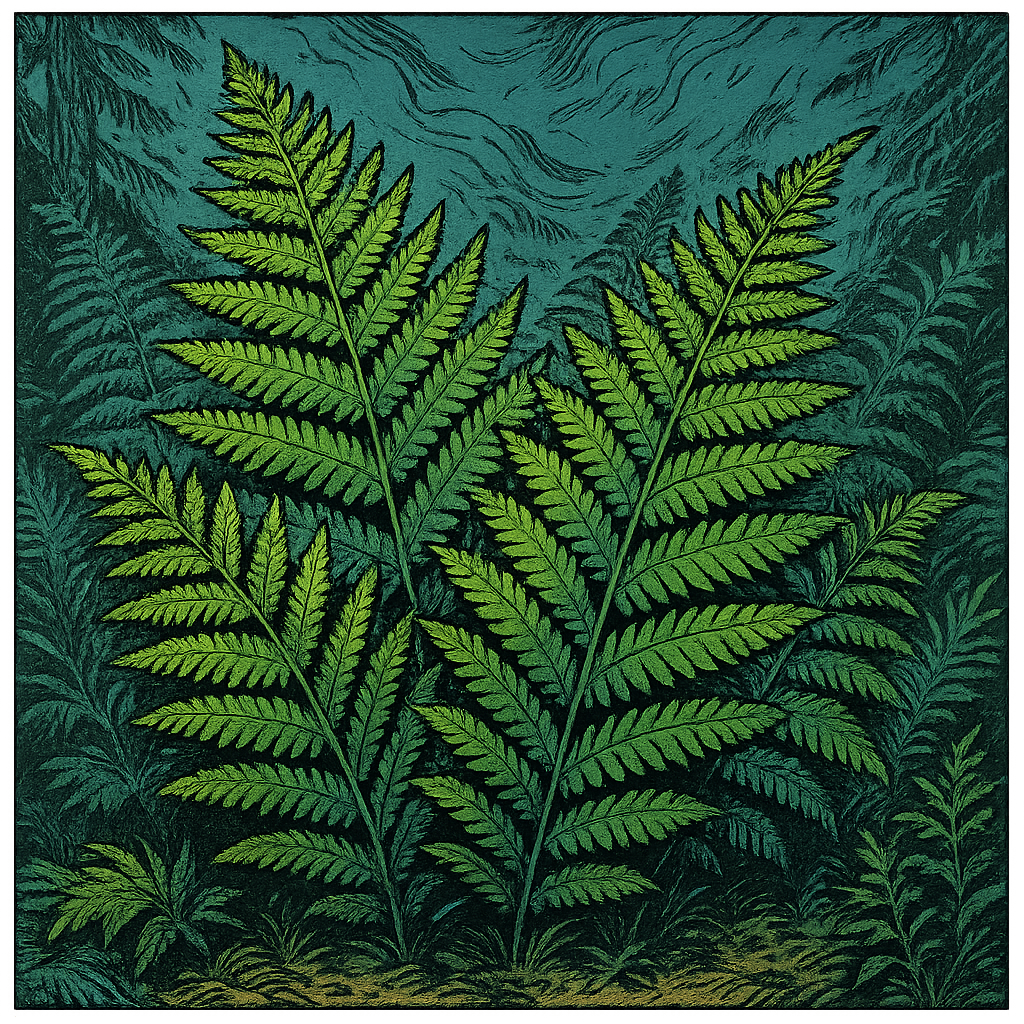
These fossils from Writhlington show leaves from two types of seed‑ferns: Alethopteris and Neuropteris. Alethopteris could grow into small trees up to 7 metres tall, and neuropteris were more vine‑like growing around 1–2 metres long. These plants flourished in the warm, humid coal forests 307–309 million years ago.
Deserts and Dinosaurs: 300 Million Years Ago
At the end of this Carboniferous Period the Earth’s plates shifted and created a supercontinent – Pangea. The huge forests were destroyed. 300 million years ago Somerset had become a desert landscape, vegetation was often sparse and seasonal. Wet-season heavy rains carried sandy and stony debris downhill, spreading it across an uneven land surface. Flash floods carved through the sand, salt lakes shimmered in the heat, and early dinosaurs wandered across the arid plains.
Camelotia – Somerset’s best-known dinosaur
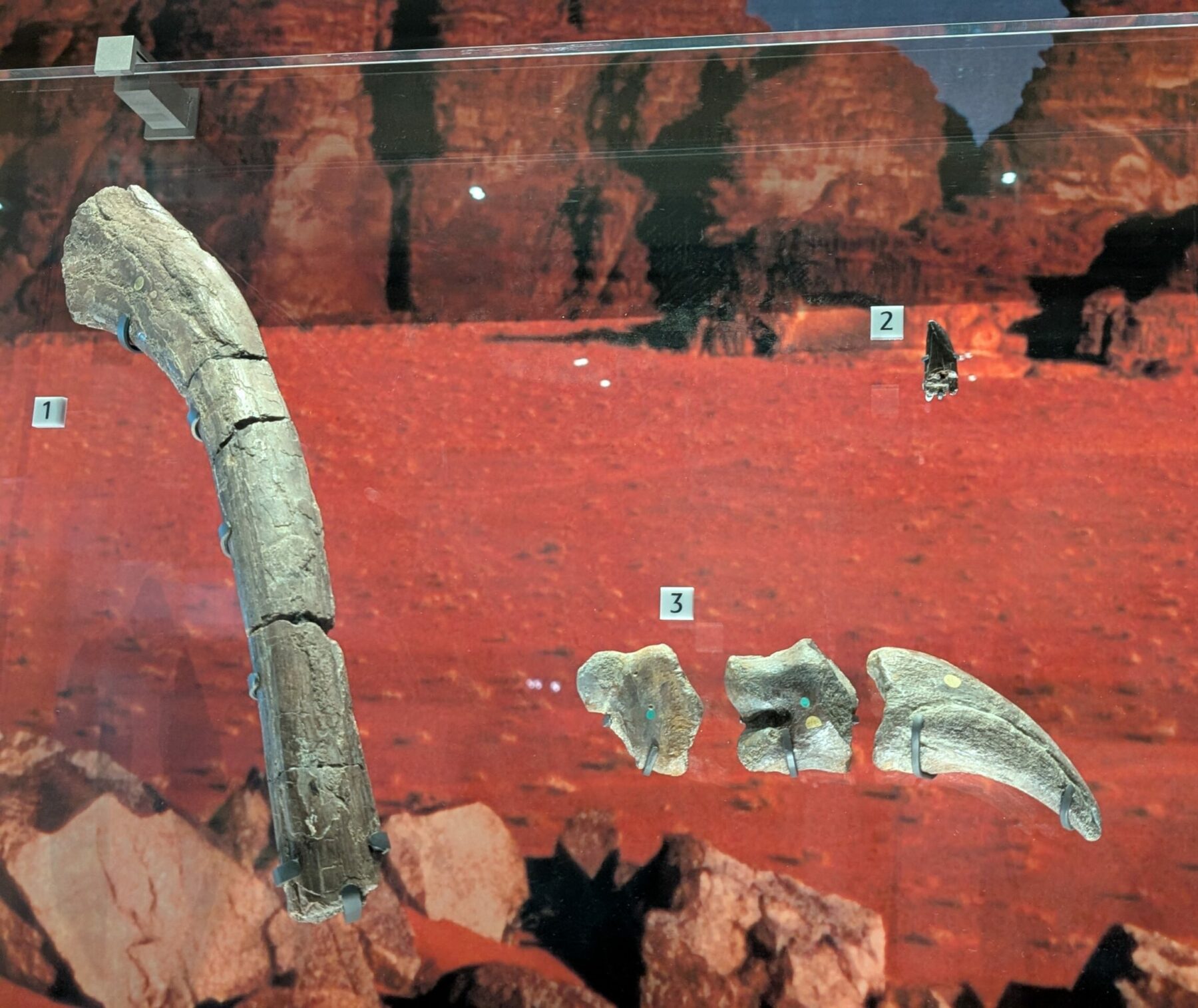
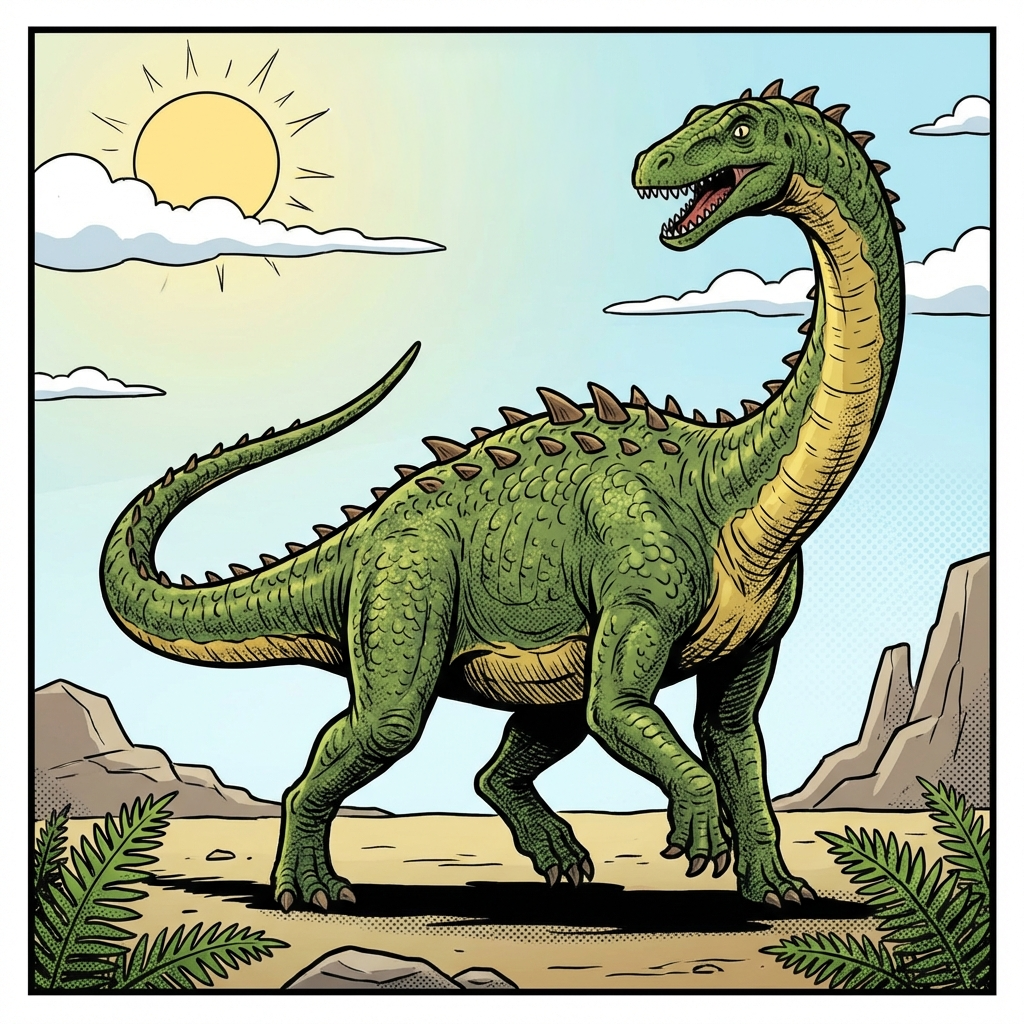
These are the remains of a dinosaur found by quarrymen at Wedmore. They are about 210 million years old and come from an animal about 6 metres in length. The specimen on display at the Museum consists of a number of large bones, ribs, vertebrae and some teeth. They are on loan from the Natural History Museum.
Jurassic Seas and Ocean Giants: 200 Million Years Ago
Around 200 million years ago, the sea returned. Warm, open waters covered much of Somerset, and this new ocean world was filled with ammonites, and marine reptiles.
Ammonites
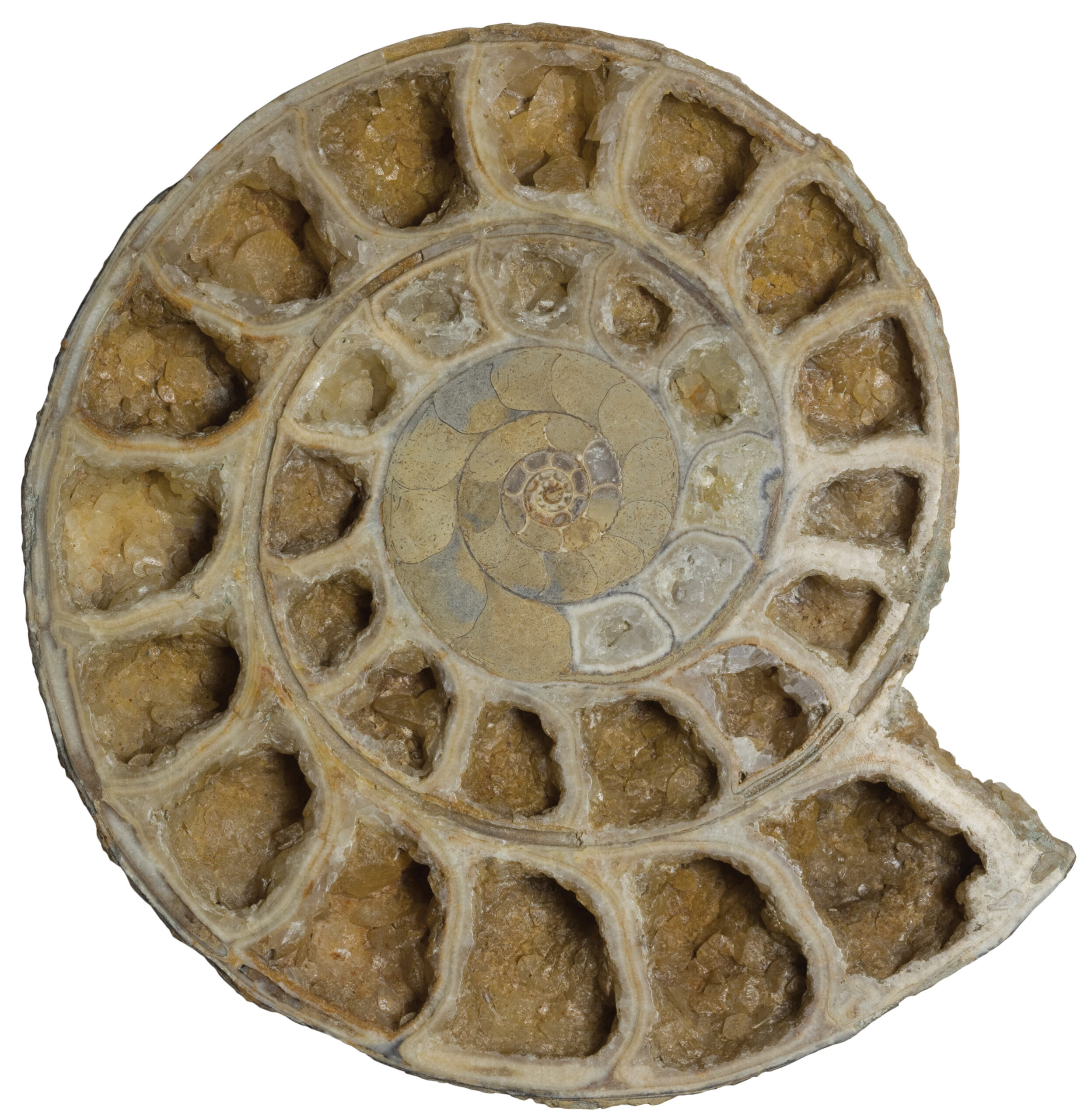
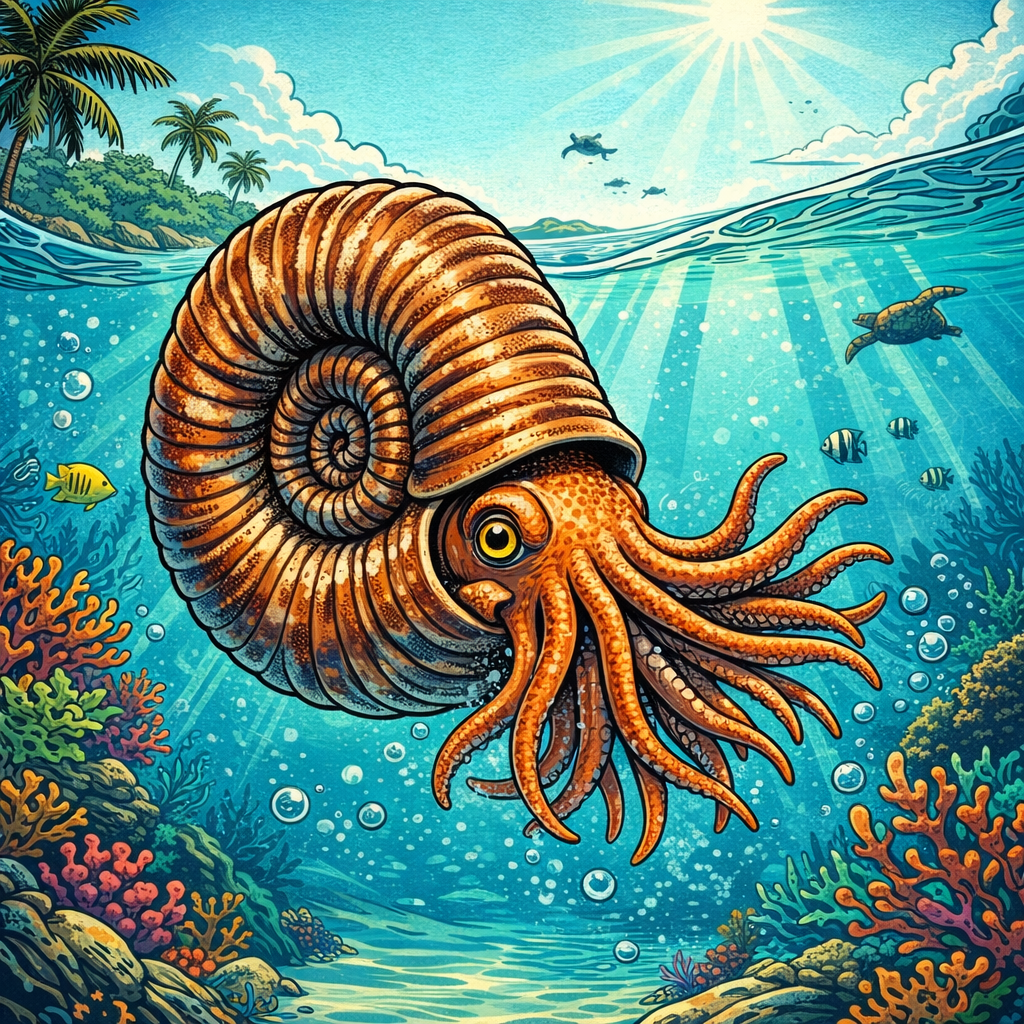
Ammonites lived for over 150 million years. These tentacled creatures, related to squid and octopuses, lived inside coiled shells. By adjusting gas and liquid in their chambers, they could rise and sink through the water. They fed on plankton, shellfish, and corals before disappearing around 65 million years ago. In English folklore the shells of ammonites were called ‘snakestones’.
Ichthyosaurs: The “Sea Dragons”
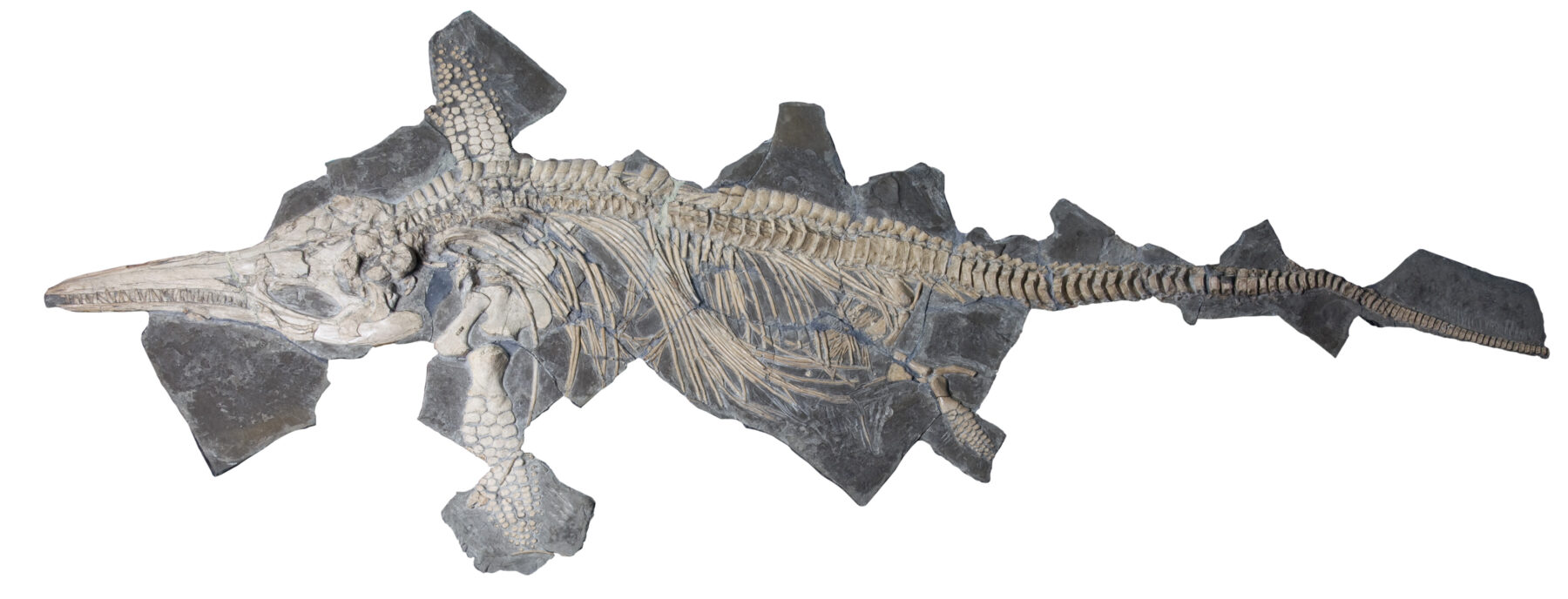
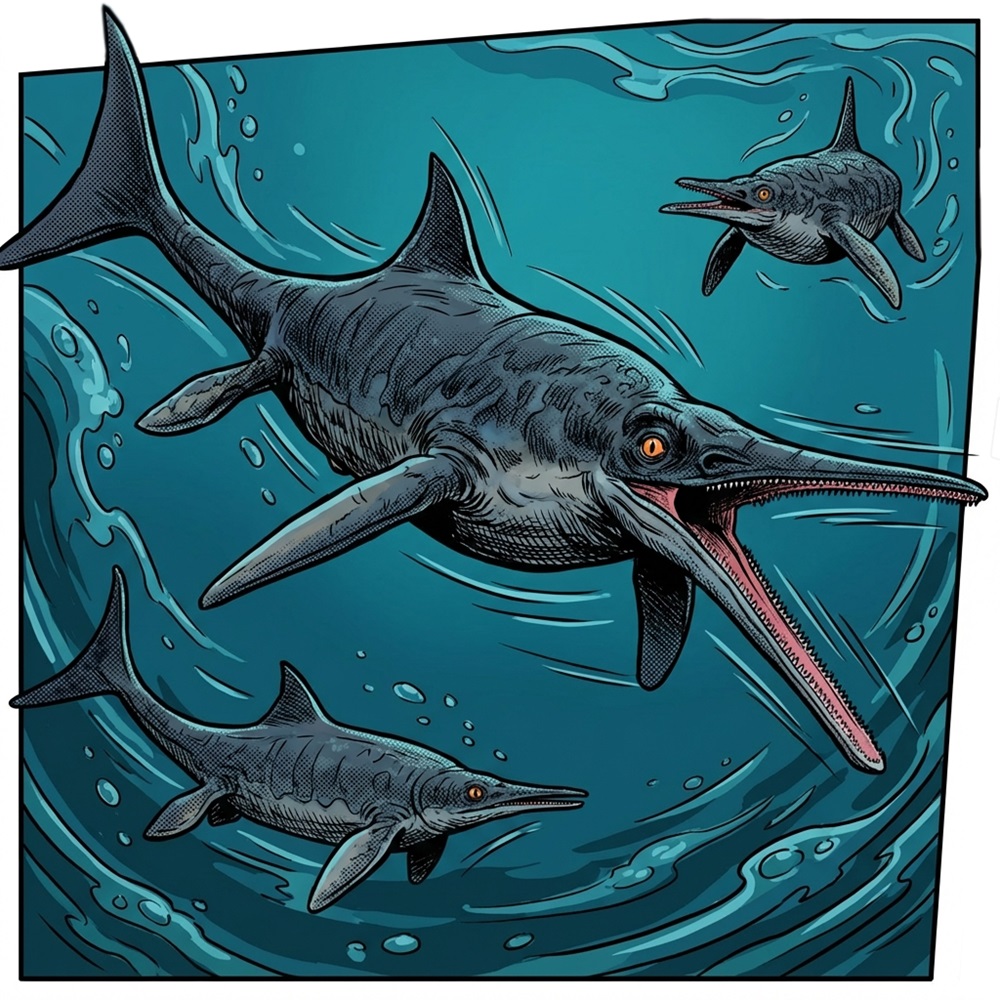
Picture a dolphin-shaped marine reptile, with a narrow snout. It breathed air and had sharply pointed teeth which meshed together when its jaws were closed. It ate small, fast-moving prey. Ichthyosaurs ruled the seas 250 – 90 million years ago. Some were just 2 metres long, while others reached a staggering 25 metres—as long as two and a half double‑decker buses. This fossil dates back 193–200 million years and was found at Lyme Regis.
Ice, Giants, and Early Humans: The Last 500,000 Years
For much of the last five-hundred-thousand years, Somerset was gripped by Ice Age conditions. Mammoths, elephants, and huge wild aurochs roamed the frozen landscape. But the climate didn’t stay cold—there were warmer intervals too.
Steppe Mammoth
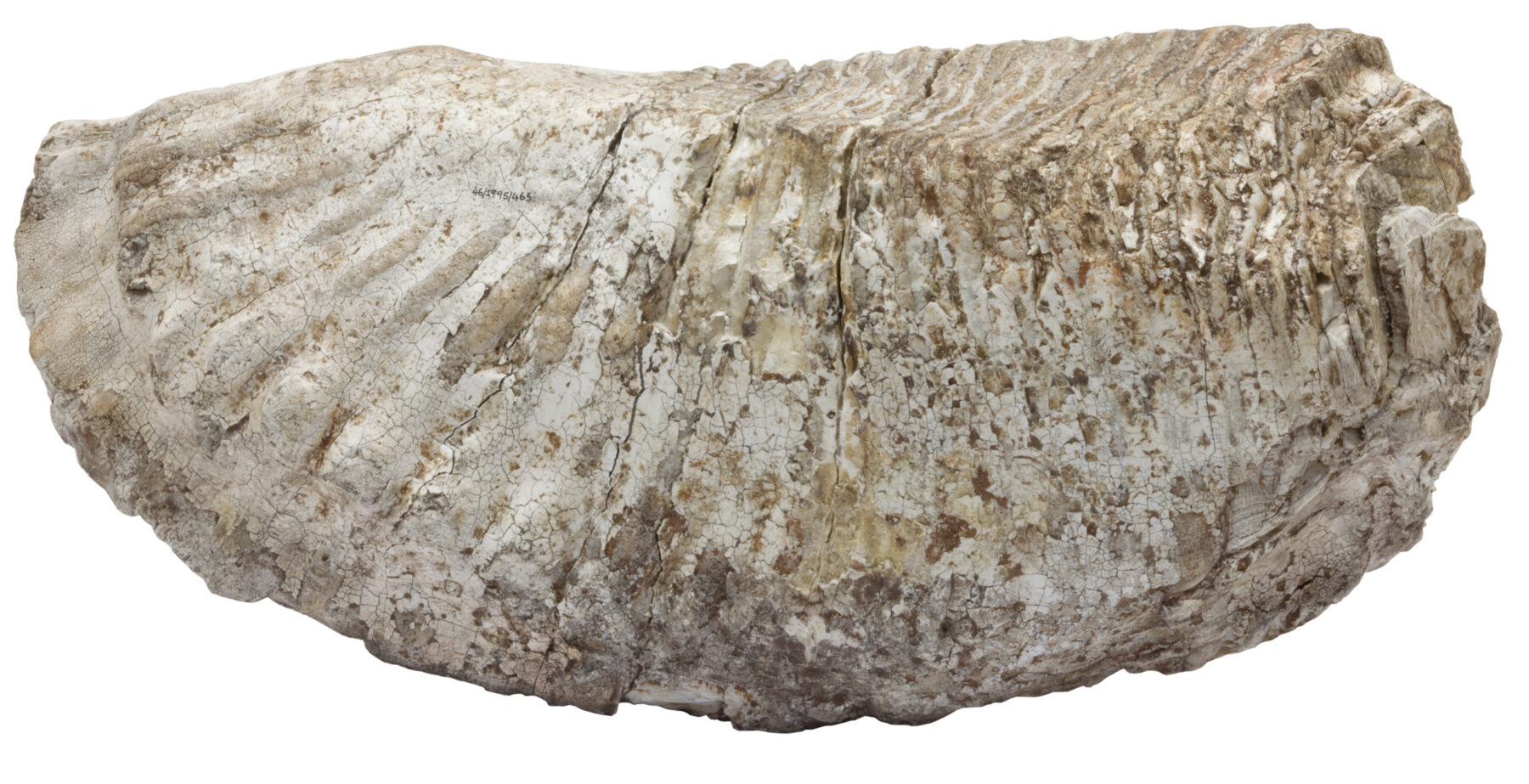
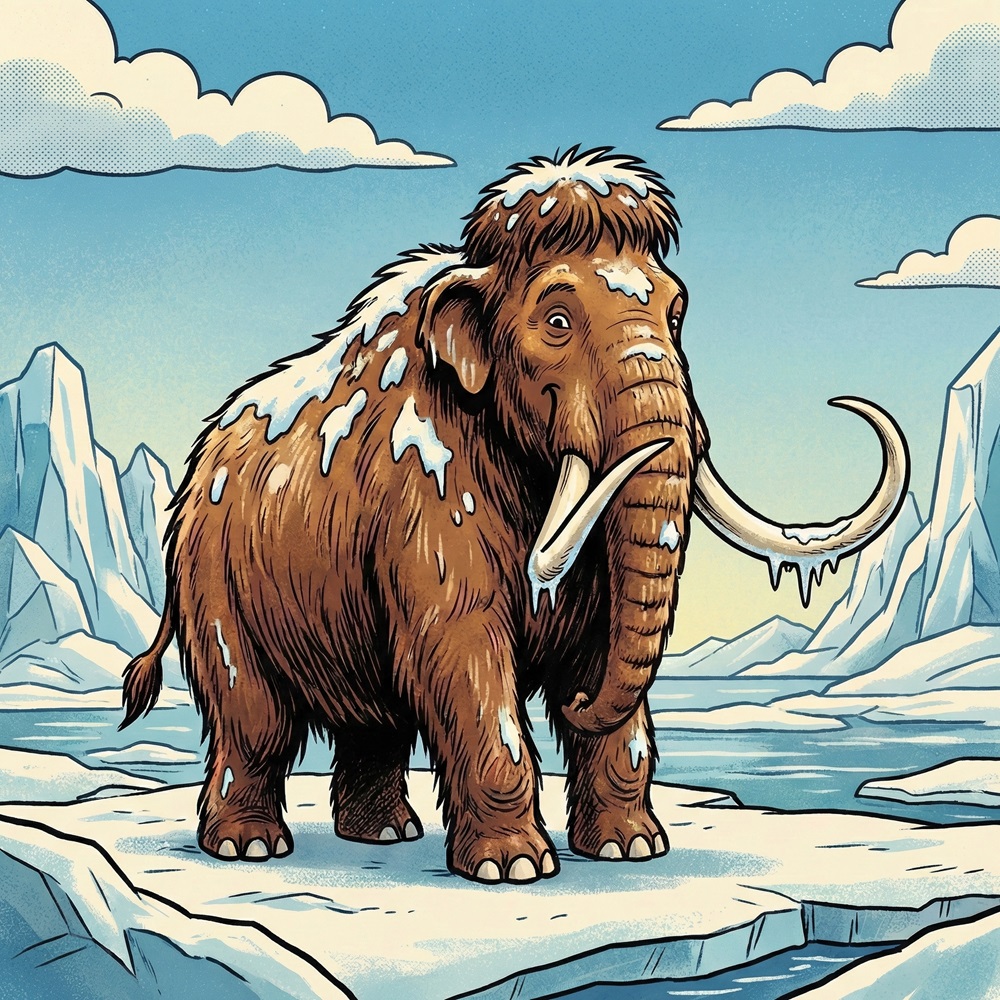
The Mendip Hills bone caves provide Britain’s best record of late Ice Age animals. Animal carcasses were washed into the caves by storm floods at different times. This fossil is a molar tooth from a Steppe Mammoth, weighing about 5 kilos. The tooth is about 200,000 years old, found in East Quantoxhead.
A Warmer Somerset: 125,000 Years Ago
125,000 years ago the ice and snow melted, the sea levels rose and a coastline ran through the Somerset Levels. Different plants and animals thrived in the hotter climate. During this warm period, Somerset became swampy and lush.
Hippopotamus
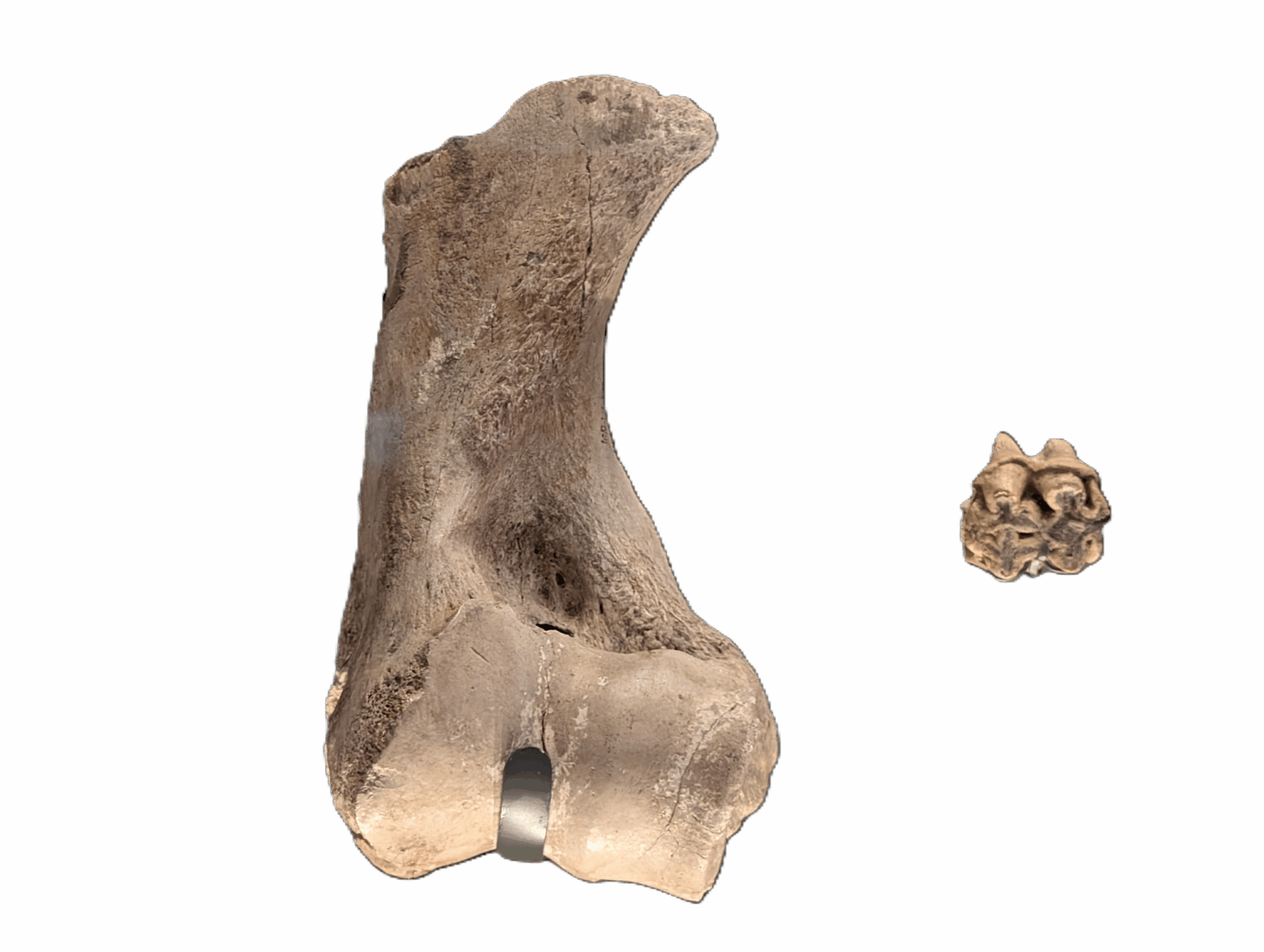
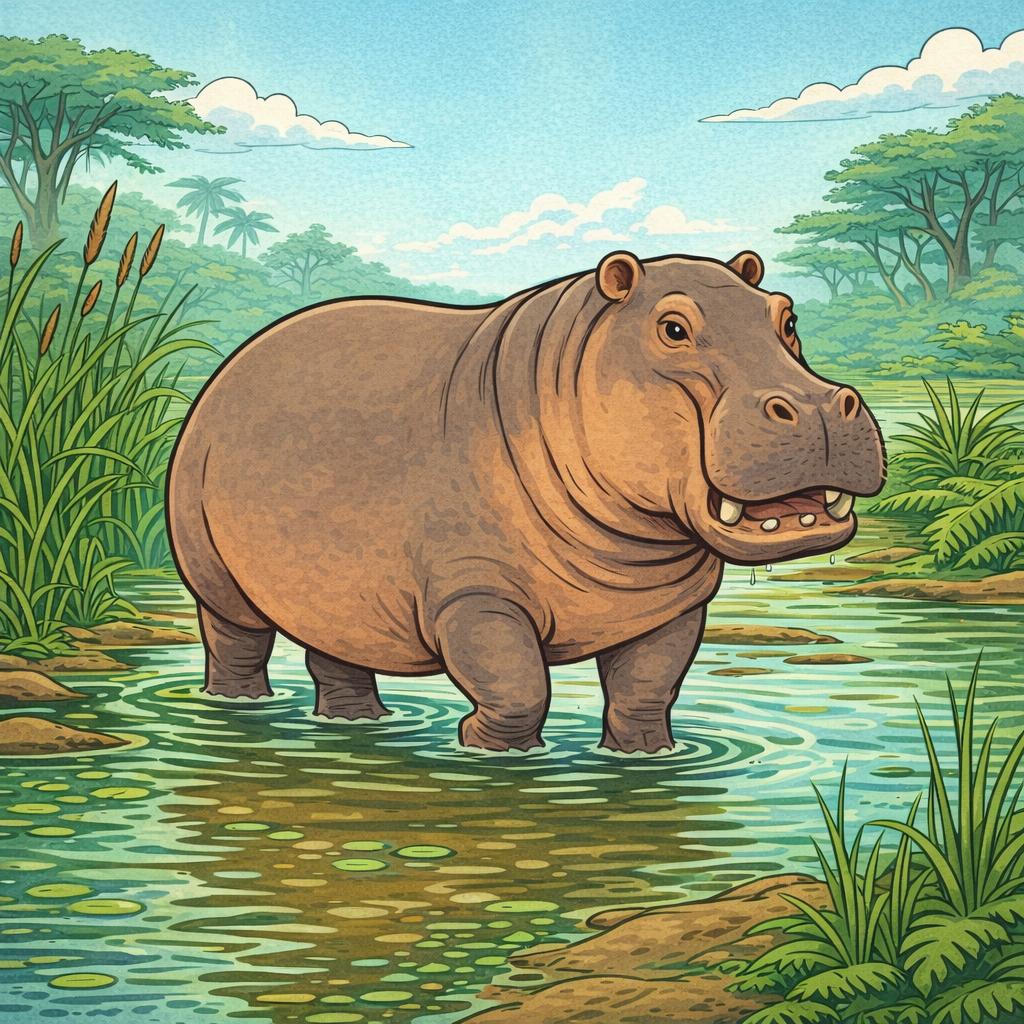
This hippopotamus leg bone and molar tooth are about 125,000 years old, found in Chedzoy churchyard
and Greylake, on the Somerset Levels. Hippos thrived in warmer conditions 125,000 years ago.
The Last Ice Age: 80,000–15,000 Years Ago
The cold returned 80,000 years ago. Bison, wolves, reindeer, and bears lived here, while thick ice and snow covered the land. Mammoths and rhinos, spotted hyenas and red foxes also thrived in the cold climate
of 55,000 years ago. People sheltered in caves. Only around 15,000 years ago did the climate finally warm for good. As the ice melted, humans began to settle and shape the Somerset we know today.
Banwell Bear
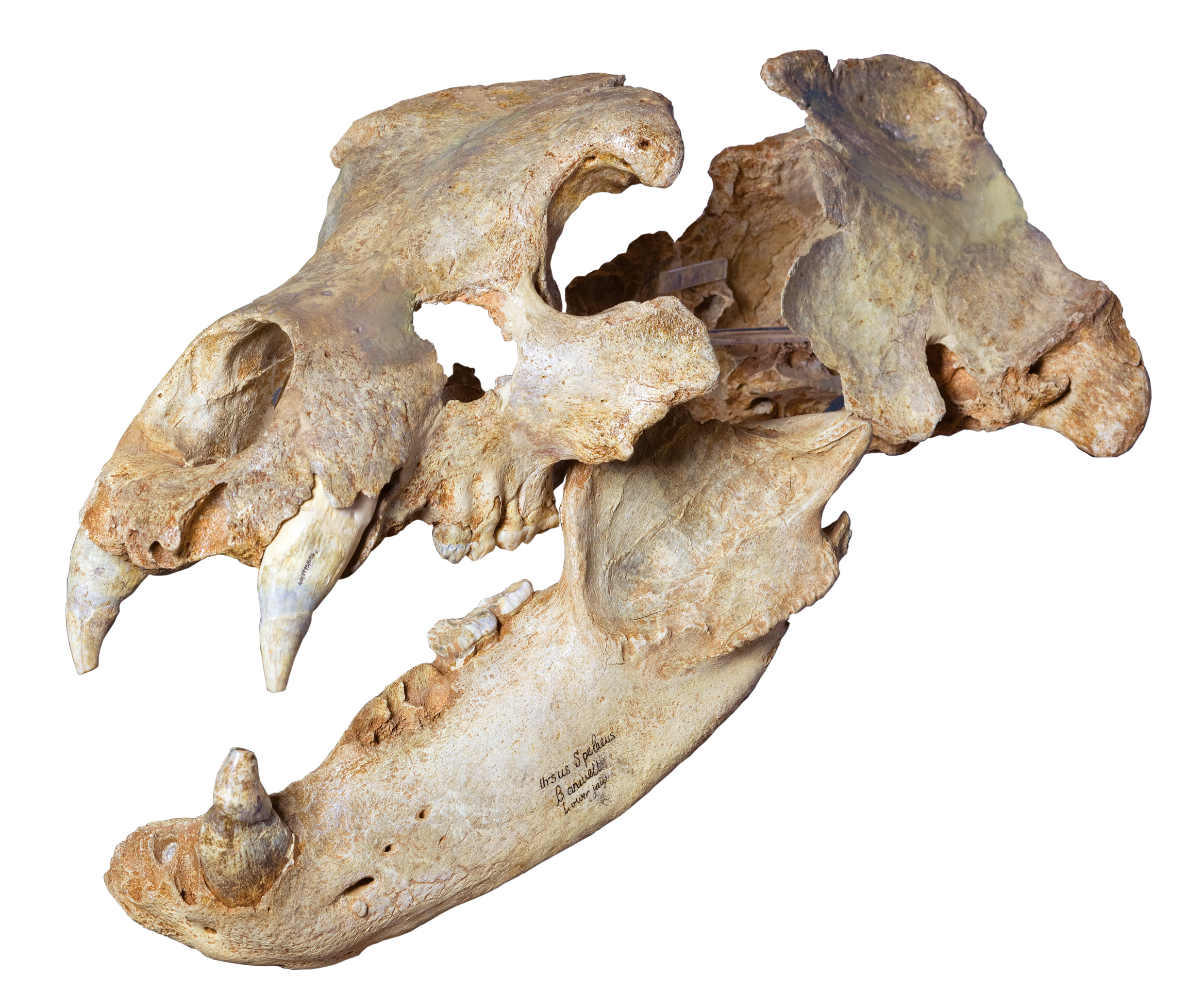
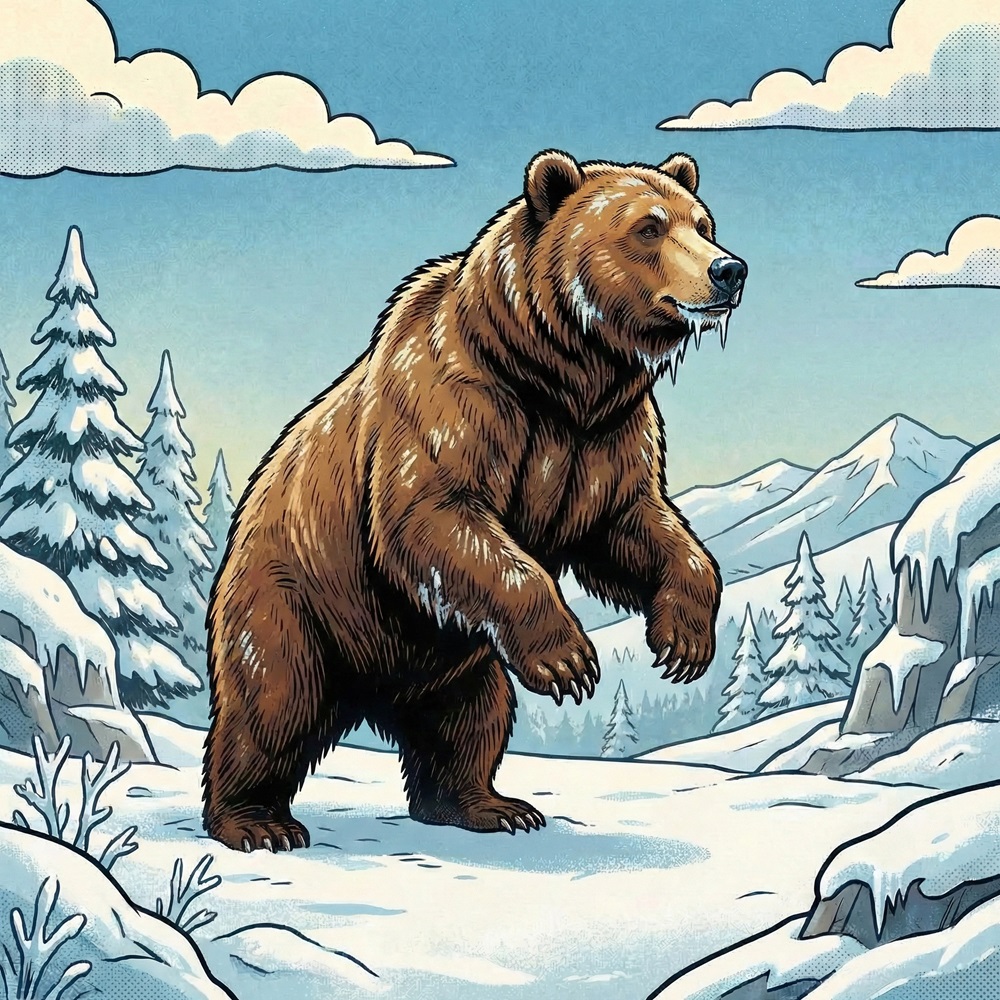
This is the skull of the ‘Banwell Bear’. In life it stood about 2.5 metres tall and was a hunter-killer. Bison and reindeer provided the perfect diet for it’s huge appetite. This skull is about 80,000 years old.
Discover Somerset
Every fossil, hilltop, and hidden cave holds a piece of this deep history, reminding us that the county has constantly evolved—from ancient oceans to hippo-filled wetlands and mammoth-haunted plains. By exploring these prehistoric worlds, we not only uncover Somerset’s past but also gain a richer sense of the land beneath our feet and the extraordinary journey it has taken over hundreds of millions of years.
Prehistoric Planet: February Half Term
Tue 17th, Wed 18th, Thur 19th
Step back in time this February half term for fossil handling, visiting dinosaurs, a mammoth trail, storytime, dino discos and prehistoric crafts.