
A unique and irreplaceable visual record of twentieth-century Exeter is being saved from destruction thanks to a project by the South West Heritage Trust and funded by a £178,579 grant from The National Lottery Heritage Fund.
Preserving the Isca Photographic Collection
The Isca Photographic Collection Project will rescue and preserve 24,000 images depicting the city and its inhabitants during the first half of the twentieth century. The acetate negatives are suffering from vinegar syndrome; an irreversible chemical deterioration process that destroys the negative. The project to save the collection will digitise the images before they are lost forever, and make them available to researchers.
The Legacy of Henry Wykes
In the 1970s the Wykes archive was purchased by local photographer and historian Peter Thomas, who created the Isca Photographic Collection, supplementing Wykes’ work with other collections of local interest (including a photographic archive from the Princess Elizabeth Orthopaedic Hospital). Thomas added his own photographic work capturing Exeter’s story in the late twentieth and early twenty-first centuries, notably 4,500 images recording the demolition and rebuilding of Exeter’s Princesshay Shopping Centre.
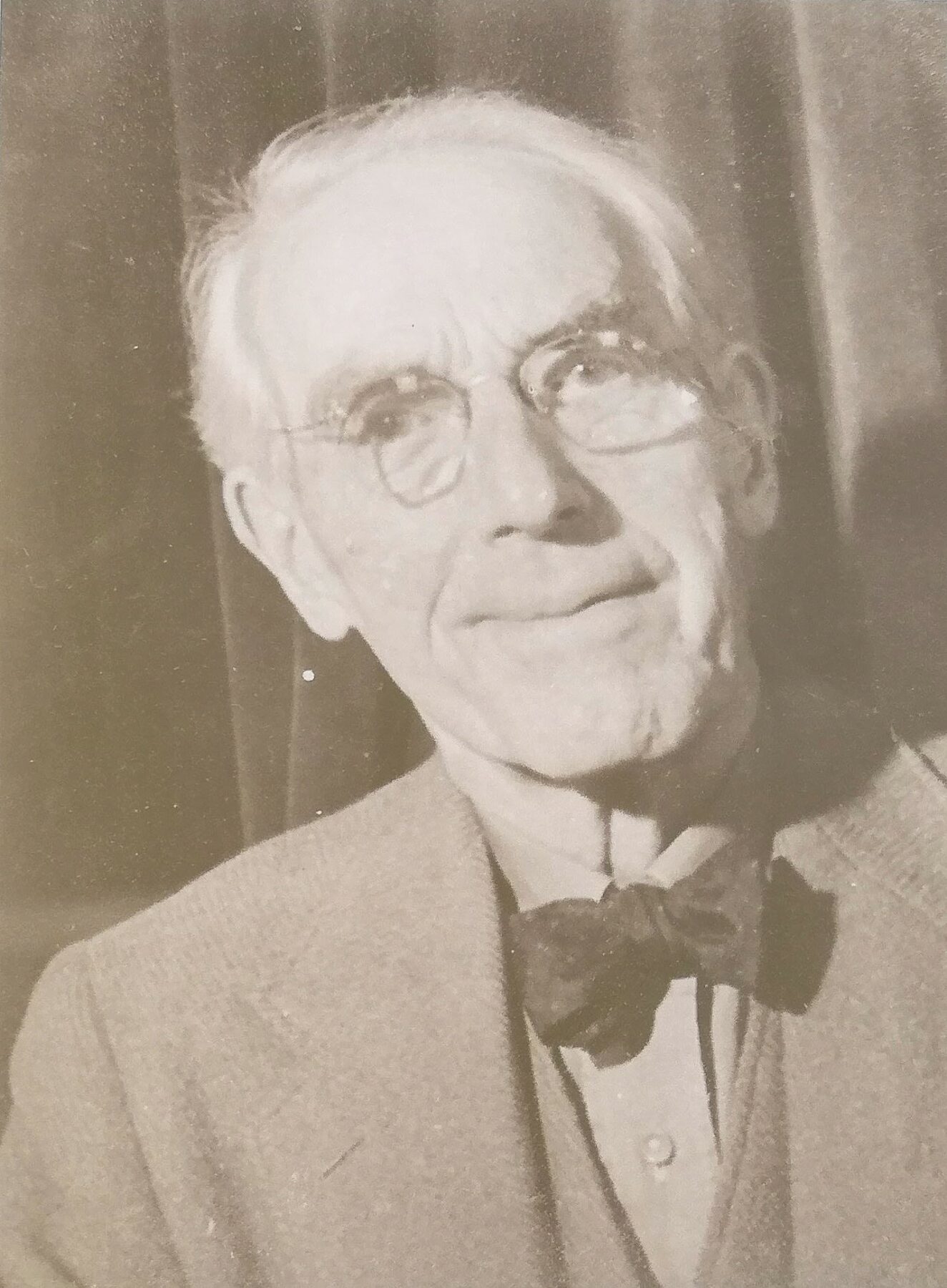
The full collection of almost 50,000 images is mainly comprised of the life’s work of the photographer Henry Wykes (1874-1964). Wykes opened his first studio in Exeter in 1914, quickly establishing himself as the city’s foremost photographer, a status he held until his retirement in 1962, by which time he was Britain’s oldest working photographer.
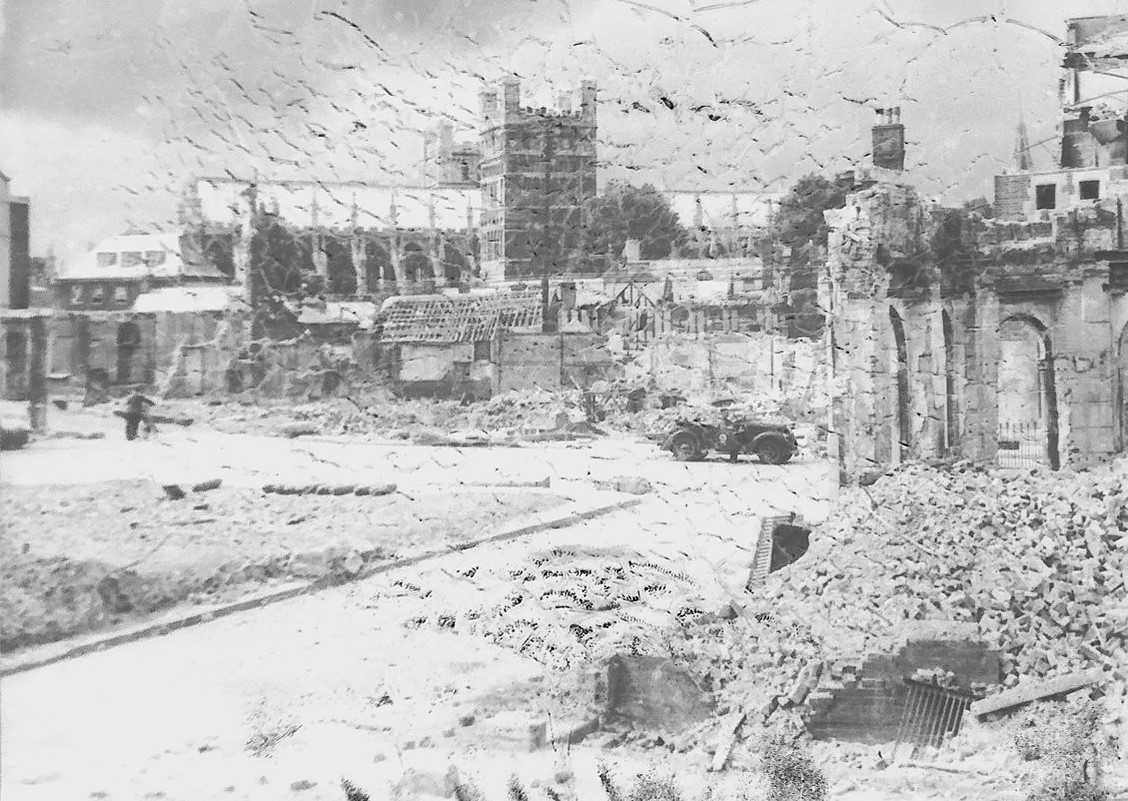
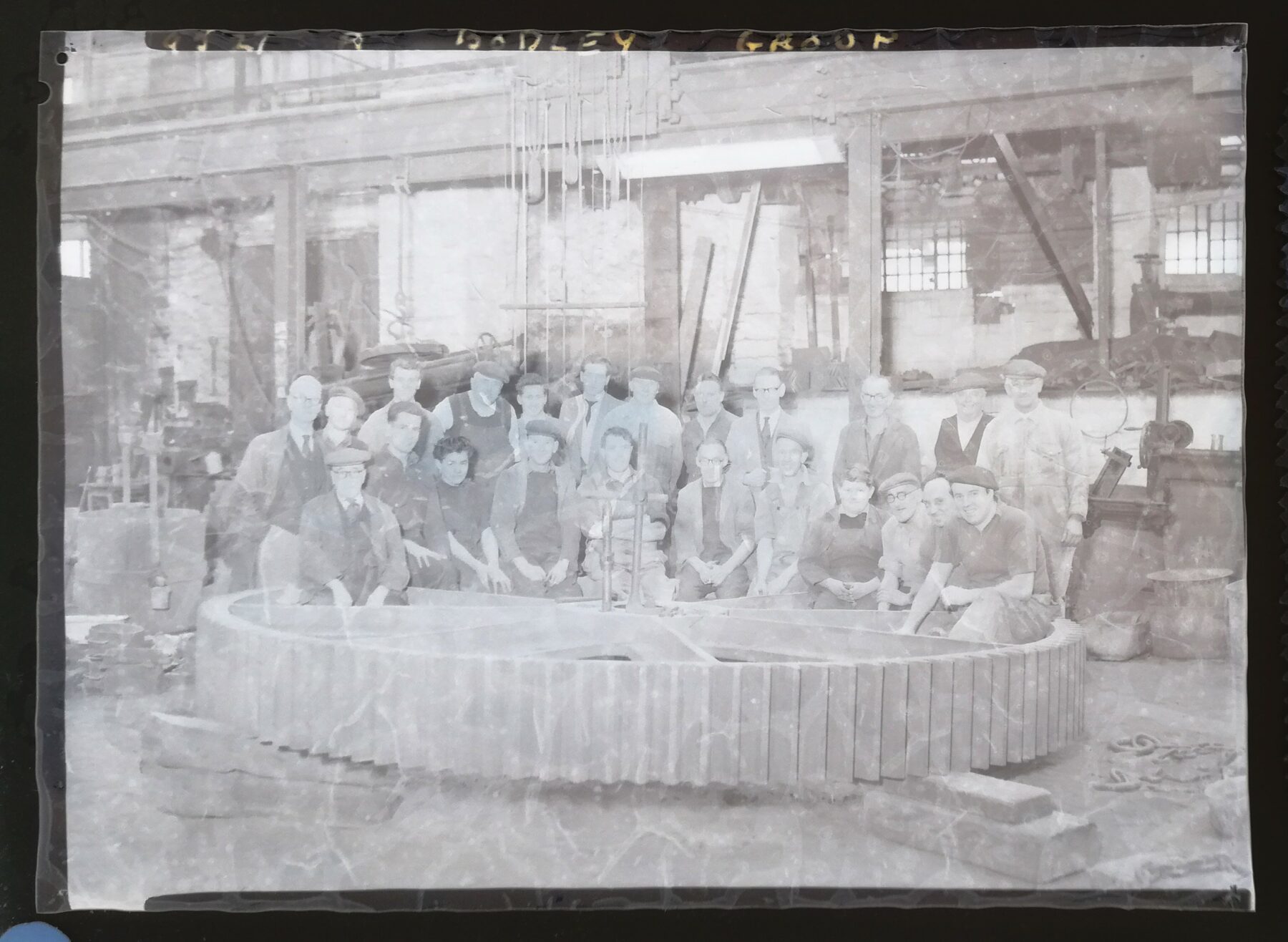
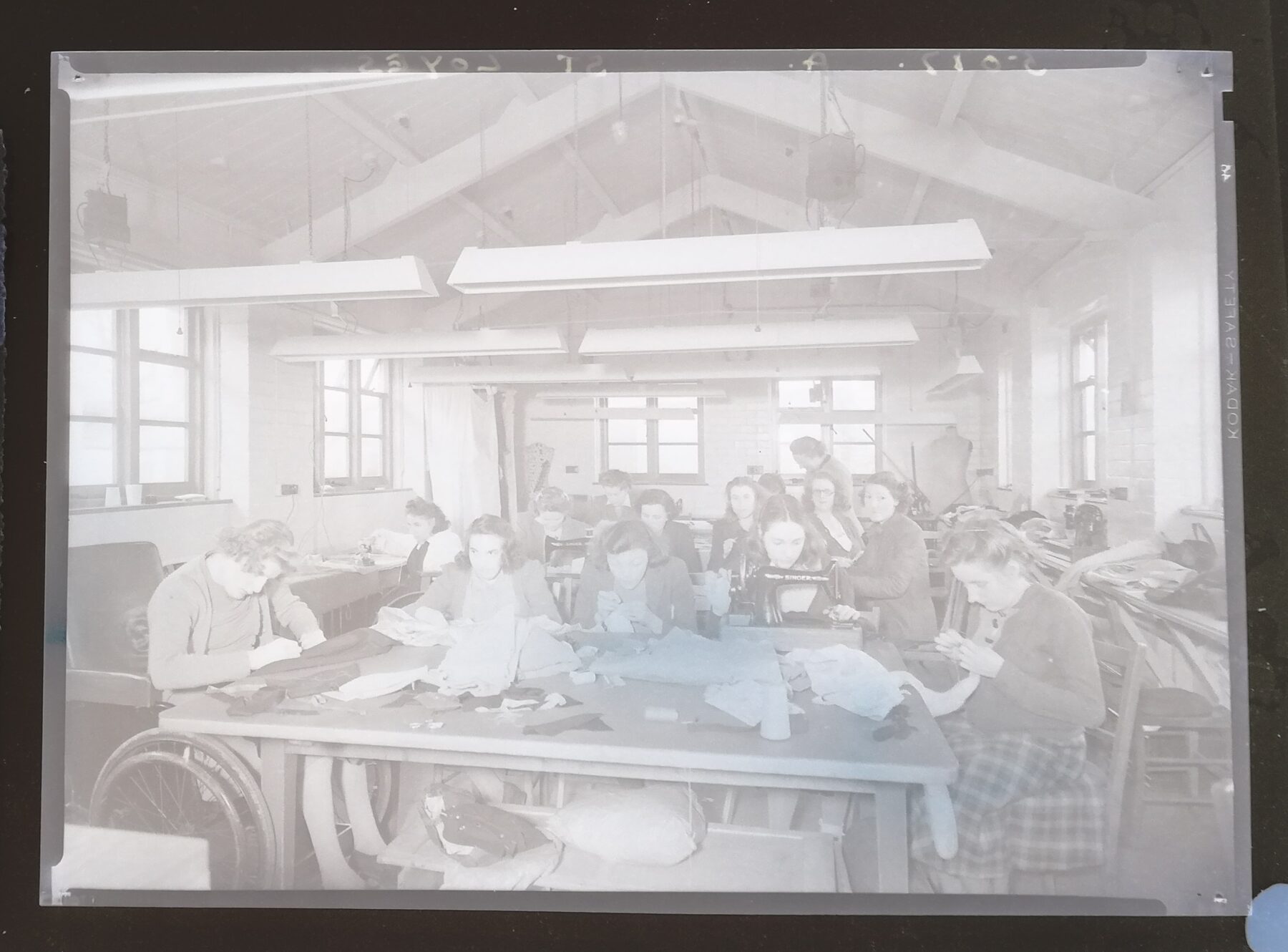
Wykes’ images chart the growth of the city in the 1920s and ‘30s and the wartime carnage wrought by the devasting ‘Baedeker’ raids. The collection is also a uniquely personal record of the residents of Exeter with thousands of images of individual and family portraits. Many hundreds of other images document local residents at work and play in shops, factories, at weddings, sporting and other social events. It captures the lives of inhabitants of the city whose stories have too often remain unexplored, including those of the residents of St Loye’s College and School of Occupational Therapy, who navigated physical disabilities and learning difficulties.
“The Isca Collection is one of the most significant visual records of Exeter of the past century. It offers an extraordinary account of the city and its inhabitants during a period of unprecedented transformation. It is thanks to National Lottery players that the South West Heritage Trust will be able to undertake this rescue operation, and make the Isca Collection a treasured resource for the people of Exeter.”
Head of Archives at Devon Heritage Centre, Scott Pettitt.
Digitising and Cataloguing the Photographs
The project to catalogue the images and make them available online will be supported by a team of volunteers. There will be an exhibition at Custom House in Exeter and community events will take place. The images will be used for reminiscence sessions in residential homes and for work in schools to raise environmental awareness.
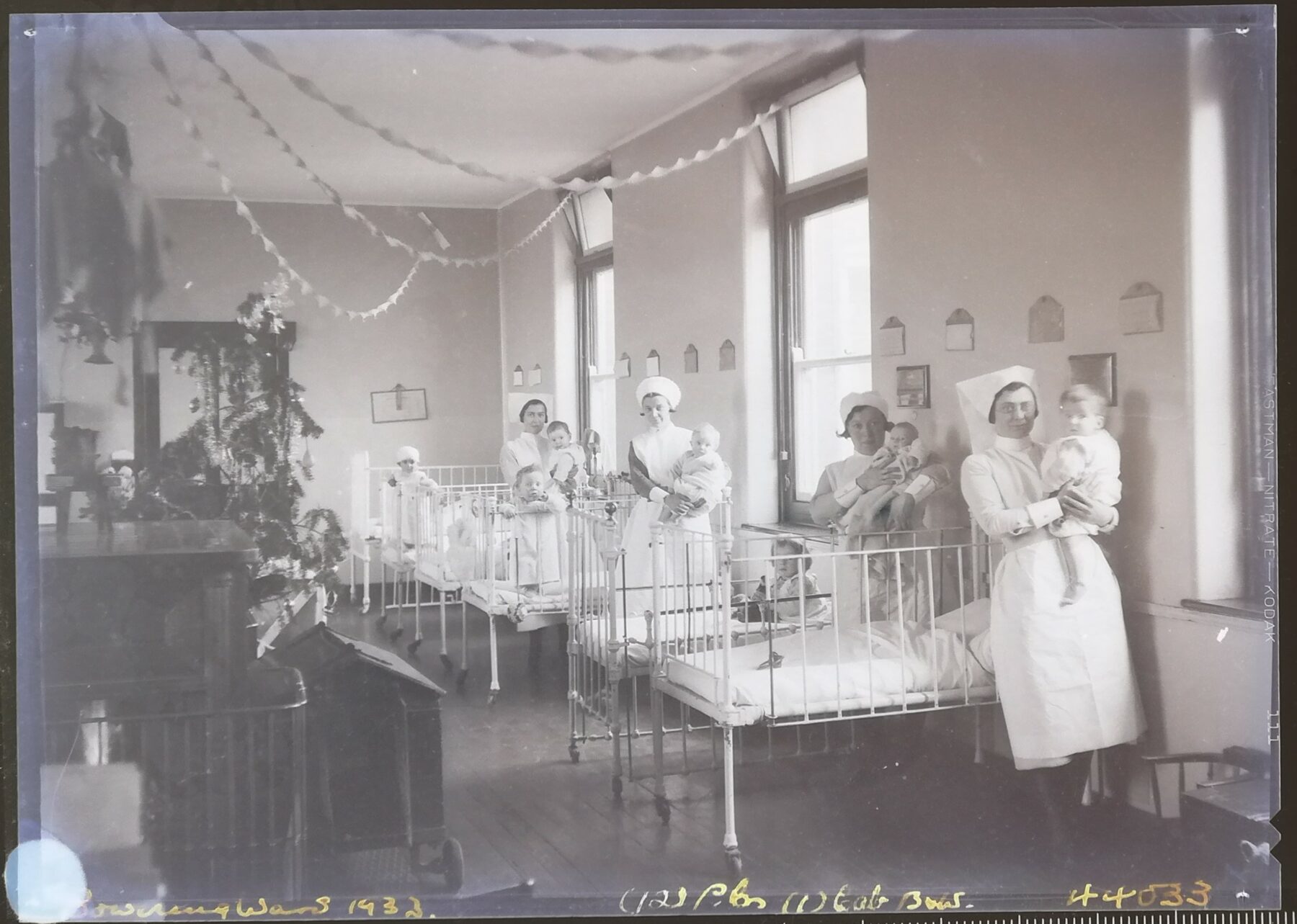
The project to digitise and catalogue the collection is expected to take 15-months with the resulting exhibition planned to take place in spring 2026. The project had also received £500 from the Friends of Devon’s Archives.
“We are delighted to support this project, which thanks to money raised by National Lottery players, will mean that more people will be able to get involved with, protect, and learn about the exciting heritage right on their doorstep. Heritage has a huge role to play in instilling pride in communities and boosting local economies, and this project is a fantastic example of achieving those aims.”
Stuart McLeod, Director of England – London and South at The National Lottery Heritage Fund.