
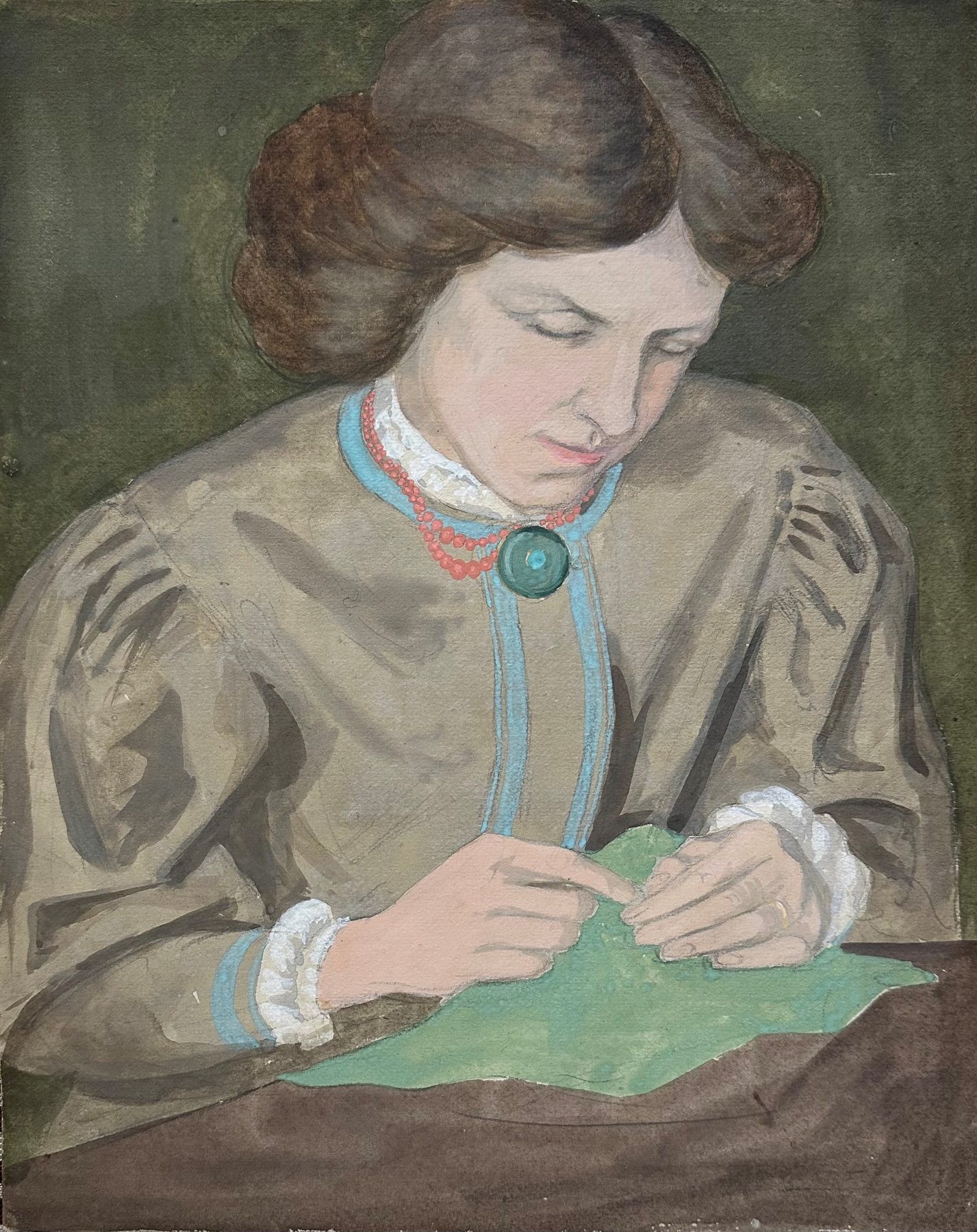
The life of Helen Coombe has long been intertwined with many of the defining figures and cultural movements at the turn of the 20th century, yet her own story has remained largely confined to the margins, where she is most often remembered as the wife of influential art critic and painter Roger Fry. However, Coombe herself was an accomplished artist and designer in her own right, whose work combined considerable technical skill alongside a refined decorative sensibility that closely aligned with the Arts and Crafts Movement. Working across painting, stained glass, and decorative design, she developed a distinctive artistic voice shaped by collaboration.
Early Life and the Arts and Crafts Movement
Helen Coombe grew up in Lee, Kent, as one of twelve children. From an early age, she was recognised for her intelligence, wit, and creativity, later studying in both London and Paris, and most notably at the Royal Academy Schools, where she became a prize-winning student.
Coombe’s artistic development was shaped in part through her mentorship under Selwyn Image, an artist and member of the Century Guild of Artists. The Guild advocated for craftsmanship and the integration of both the fine and decorative arts, ideas closely associated with its counterpart: the Arts and Crafts Movement. Through these connections, Coombe became involved in the wider social circles of these movements towards the end of the 19th century.
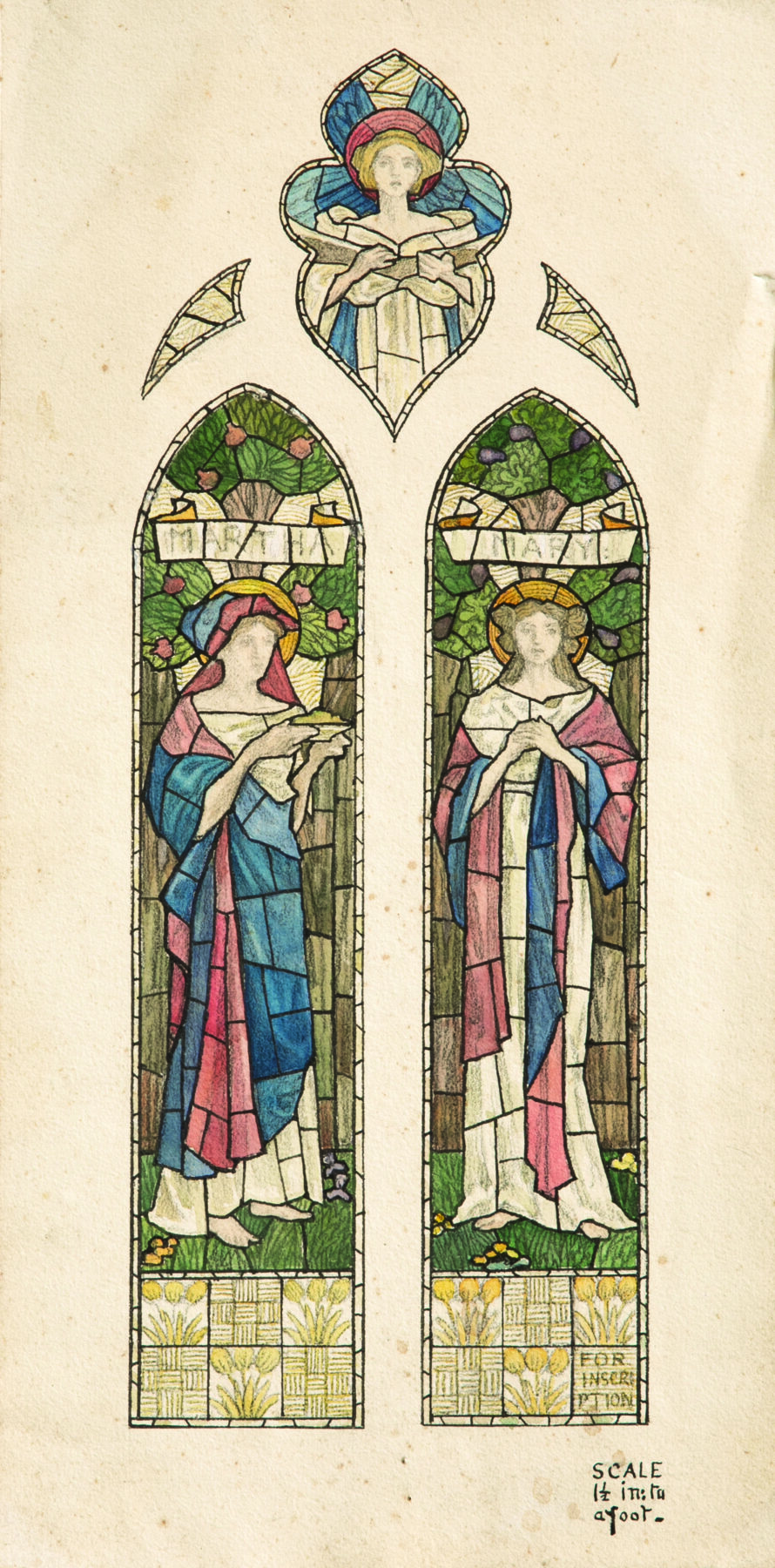
Working in painting and decorative design, Coombe had her own studio where she was able to collaborate with other likeminded artists and craftsman. One significant example was her stained-glass design of Martha and Mary for St John the Evangelist Church, produced in 1895 by glassmakers James Powell and Sons. The figure of Martha was modelled by May Morris, daughter of William Morris, a prominent figure in the Arts and Crafts Movement.
The following year, Coombe exhibited additional stained-glass designs and decorated the highly praised ‘green harpsichord’, that was created in collaboration with instrument maker Arnold Dolmetsch for the Arts and Crafts Exhibition Society.
Meeting Roger Fry
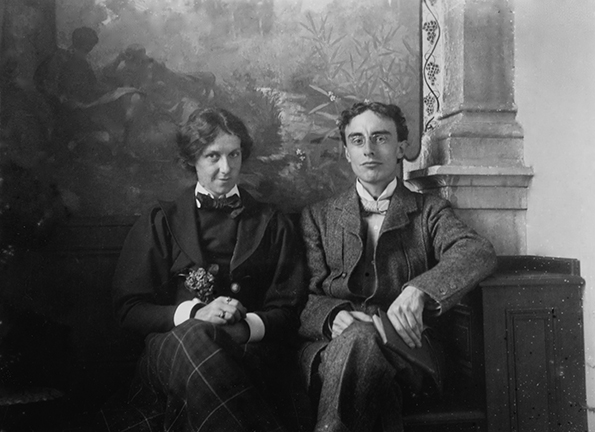
In 1895, Helen Coombe was introduced to Roger Fry, who later described the encounter as ‘love at first sight’. Helen’s affection developed more gradually, in part through Fry’s advice Helen sought on the decoration of the very same green harpsichord exhibited in 1896, to much appraisal.
The couple married later that year and embarked on an extensive honeymoon through France, Tunisia, Italy, and Switzerland. During these travels, Coombe painted several landscapes that captured these distant lands, revealing a keen sense for colour, light and form.
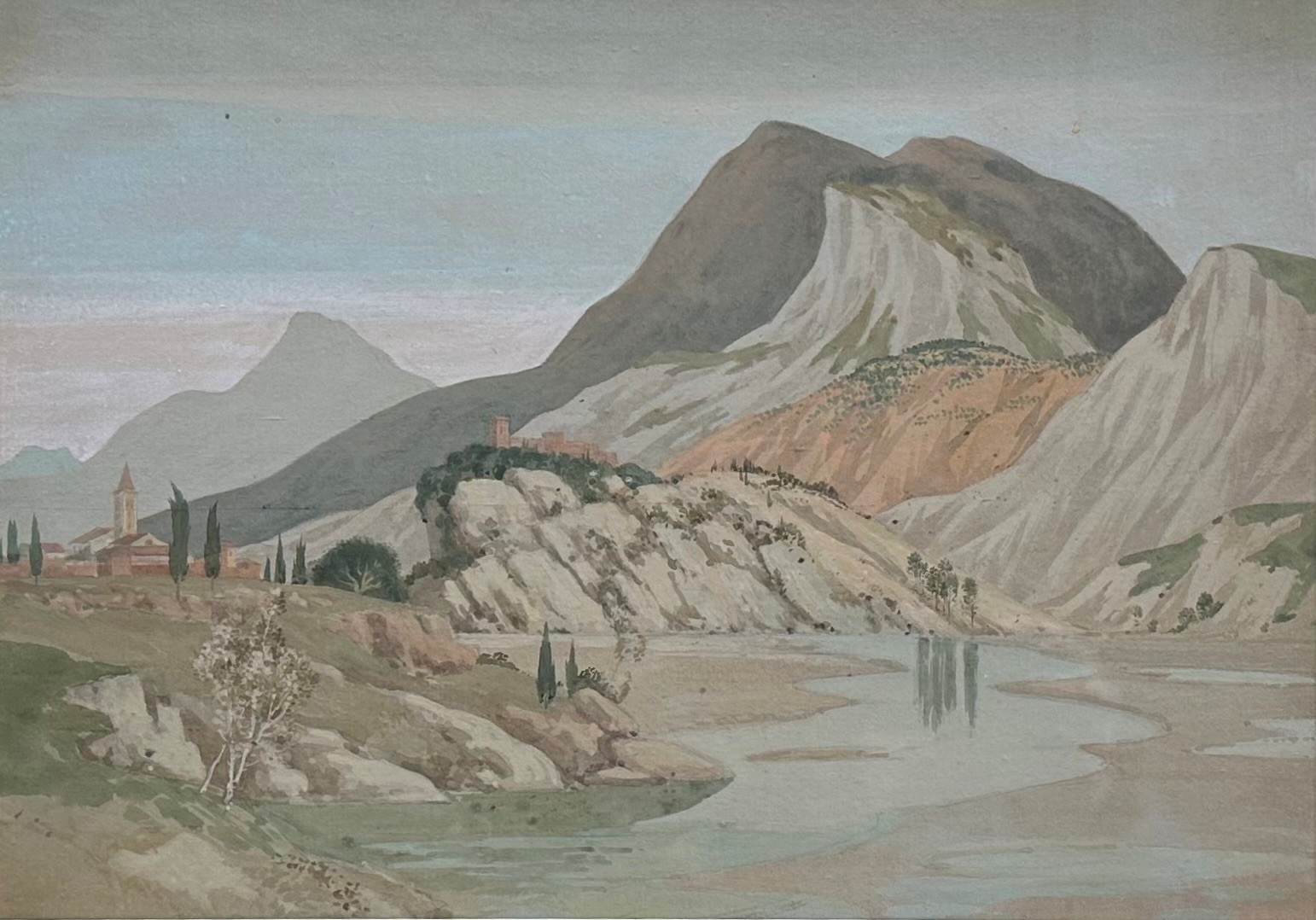
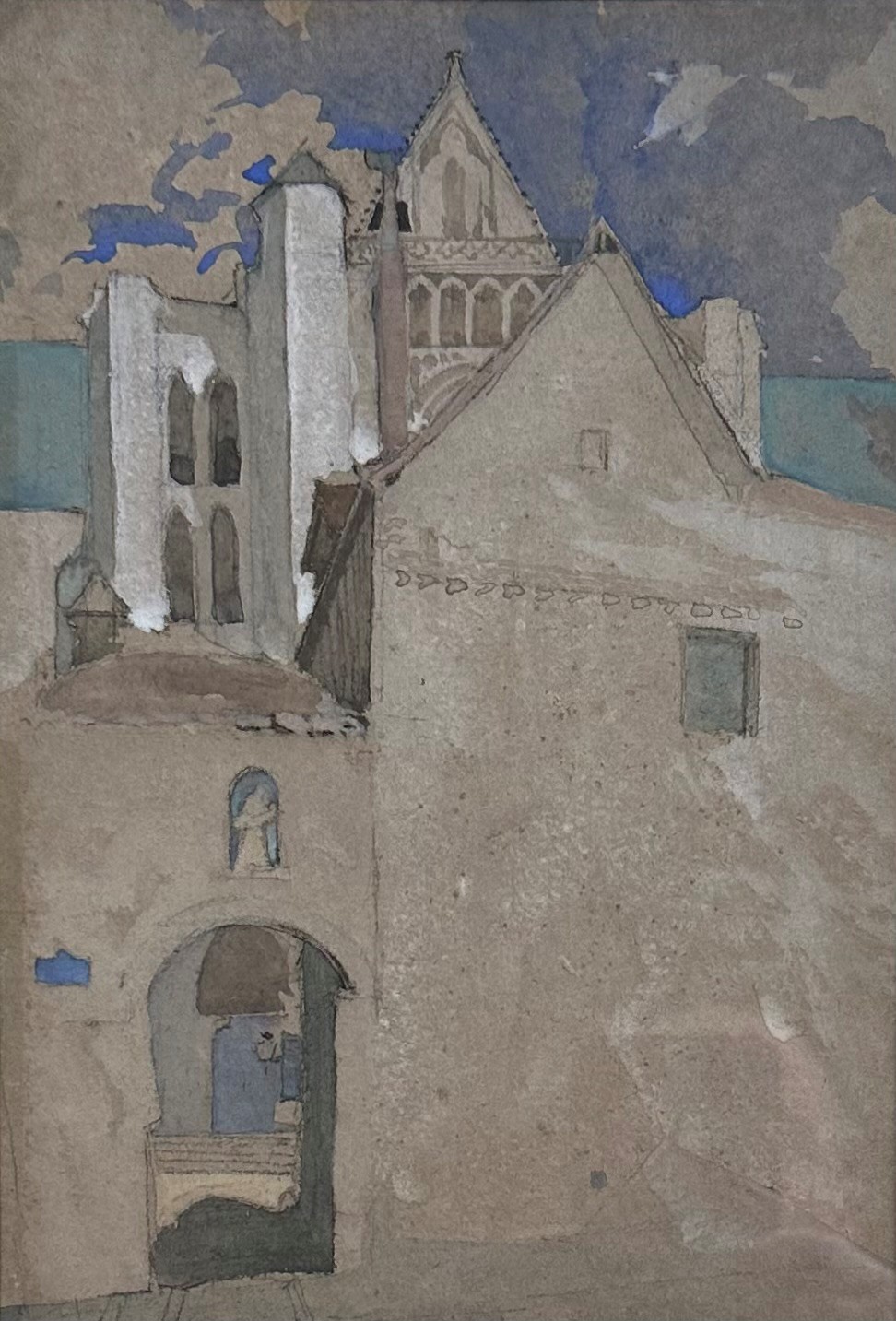
These years were regarded as a relatively happy and productive period in their lives. The couple would eventually divide their time between London, Dorking, and Failand House, near Bristol, whilst raising their two children, Julian and Pamela. Helen would go on to produce several more landscapes and architectural paintings from their travels abroad and closer to home, showcasing her talent for watercolours and penchant for unique composition – most notably seen within her painting of Chartres Cathedral.
Declining Health
At the turn of the 20th century, however, Coombe began to experience increasingly severe mental illness, which gradually disrupted both her personal life and artistic career. After fourteen years of marriage, her condition deteriorated significantly, and in 1910 she was permanently admitted to The Retreat, where she spent the remaining twenty-seven years of her life.
Whilst this period marked the end of a promising artistic career, Coombe’s remaining work attests to her considerable talent, and continues to offer great insight into the changing artistic landscape of Britain in the late 19th century, and her place within it.
With thanks to The Court Gallery, West Somerset, select paintings by Helen Coombe are on display in the exhibition ‘Roger Fry: A Life in Art‘ produced in partnership with Charleston, Sussex. The exhibition is open at The Museum of Somerset 28 March – 4 July 2026.