
The ‘Devon in the 1920s’ project was a research collaboration undertaken by Devon History Society, Devon Family History Society, South West Heritage Trust and The Box (Plymouth). As part of that project, Helen Turnbull and Julia Neville researched different aspects of education in the county. Julia Neville provides us with a glimpse of life and education in Devon 100 years ago.
Educating Devon in the 1920s
Towards the end of the First World War the government passed an Education Act that raised the school-leaving age from 12 to 14, giving local authorities something of a scramble to introduce extra places. There were other plans to invest in education: nursery schools, a day release scheme and a further rise of the leaving age to 15. Importantly there was a switch in funding from local to national level to help create a national public education service. But in the severe recession at the beginning of the 1920s all these ideas were scaled back. Progress was slow and patchy, though there were positive changes, driven by individuals committed to improvements in schools.
At an elementary level there was a drive for better facilities, particularly in village schools. A study undertaken by Marjorie Wise, the Dartington-based researcher, at the end of the 1920s, reviewed the physical condition of school accommodation and the teaching offered, and found a wide variation in standards.
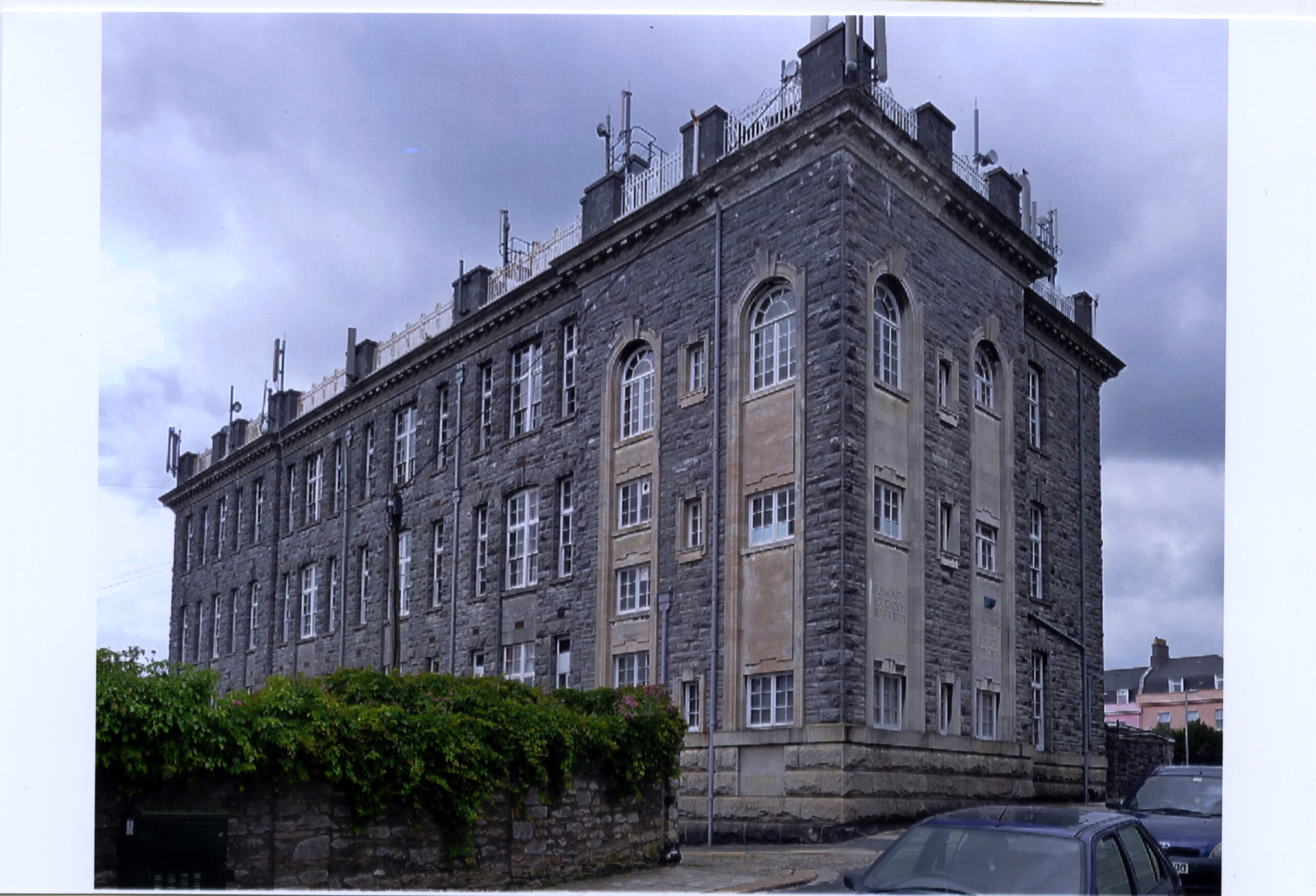
Probably the greatest changes of the 1920s, however, took place in the field of secondary education. Local authorities had to expand the range of what was available for the new generation of students. Some elementary schools provided additional classes. Some previously charitable foundations put themselves under local authority control, and the local authorities (Devon County, Plymouth and Exeter) strove to increase access to grammar school places both by creating new secondary schools and by extending scholarship funding.
Access to ‘grammar school’ places, however, remained difficult. There were not enough scholarships for all the children who met the entrance examination requirements. Even with a scholarship some parents were unable to afford the associated costs of travel, uniform and books for their eligible children. Plymouth was the only education authority in the county to make a concerted effort to ‘free’ the secondary schools, that is to make access to grammar school education available to all those who met the required standard without the need for ‘scholarships’ to help pay the fees.
It must not be forgotten, however, that much education was still provided outside the local authority system, including schools managed by charitable trusts and those privately run. The quality of such education was variable, ranging from schools for girls still more focused on accomplishments than on scholarship, up to the most prestigious schools like Blundell’s, preparing their students for admission to university places at Oxford and Cambridge.
Julia Neville, April 2025
Find out more at the Coffee Time Talk: Educating Devon in the 1920s, Friday 16 May 2025 at 10.30 am. Booking required.
Further Reading
The following essays related to education have been published as part of the Devon in the 1920s research project
- Devon Village Schools and Reform in the 1920s, by Helen Turnbull
- Exmouth Secondary School, by Jackie Bryon
- How Effective were the School Medical Services in Devon, by Tim Lomas
- Poltimore College, an experiment in girls’ education, by Julia Neville
- Working Life of Children and Young Persons in the 1920s, by Helen Turnbull
View the the Devon in the 1920s Research Collection of essays here.