Discover Quantocks’ celebrations of Queen Victoria’s Coronation, written as part of the Quantock Landscape Partnership Project
Queen Victoria’s Coronation
Queen Victoria was coronated on 28 June 1838 in Westminster Abbey. What made this event stand out from previous coronations was the decision to make the event more public. The reason for this development was the newly built railway system which was expected to bring hordes of people living outside the capital into the centre to take in the atmosphere and sights. Over 400,000 people travelled to London for the event. The sheer volume of people prompted officials to extend the period of celebrations to four days.
For those unable to travel, celebrations were encouraged to take place up and down the country. Organising appropriate events became a national past time, involving at a local level the clergy and landowners.
Celebrations in the Quantocks
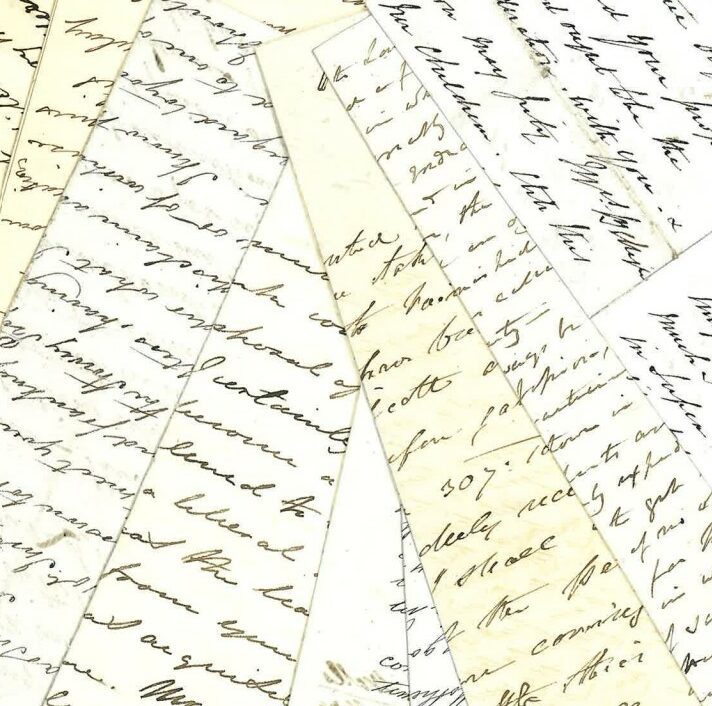
The people of the Quantocks eagerly awaited the national holiday. Behind the scenes letters were to and fro-ing between relevant parties, concerning the arrangements.
Mr B Pope (the vicar of Nether Stowey) corresponded to Sir Perigine Acland (the local landowner) concerning the celebratory arrangements for the village.
With only a few weeks to go before the 28th June, on 2nd May Mr Pope confirmed in writing that the parish desired a Coronation dinner for the poor of the village, followed by amusements. Mr Pope was happy for the dinner to take place on the lawn of the vicarage and the ‘rural amusements’ on nearby Coutte Hill. The overall cost was likely to be £30, the village had £20 and therefore a shortfall. A few weeks later on 23 June the Vicar wrote again to Mr Acland with much relief to say that further monies had been raised. Those of the village who were deemed to have the means but had been unwilling to contribute were named and shamed in the letter.
In addition, Mr Pope detailed his view of the day’s events: all poor above 6 years were invited; expected numbers were 400; the dinner was beef and plum pudding; the beef would be served cold, the pudding and potatoes hot; and the men could have 2 drinks, the women 1 and the children half.
There would be 8 long tables each seating 50 people. To ensure exemplary behaviour throughout, a respectable person would be sat at each end of the table. After the meal, festivities would move to Coutte Hill where sports would take place, to include: a donkey race; jumping in sacks; and climbing a greasy pole. All topped off by a bonfire.
For other members of the village a dance would be held for the young men and maidens at the Club Room. For the Tradesmen a supper was laid on at a local restaurant called Blakes. The Vicar declared he would attend all above festivities. What a busy day and evening!
The final activity mentioned in Mr Pope’s letter involved the infants. The children would be given high tea in the school room and would be given bonnets. The cost for this was placed at £10. Interestingly the vicar didn’t seem to think his presence was required at the children’s tea party! Instead, details were left to school master.
Celebrations in nearby Holford were done with less aplomb.
Only five days before the Coronation did the Vicar write to Sir Perigine Acland to confirm that a dinner would be held for the poor at a cost of £7 2s. He goes on to say that to prevent the participants from drinking, an amusement will be put on at a cost of £1 – kindly donated by Lady St. Albyn from Alfoxton Hall. Unfortunately, we have no further details on the day. We just know that his primary concern was sobriety amongst his flock!
Information taken from DD/AH/63/9