
The World Around Us
The world contains all sorts of plants, and each one has a different role in our ecosystem. From growing our food, to protecting our wildlife and cleaning our waterways, they are essential to life as we know it.
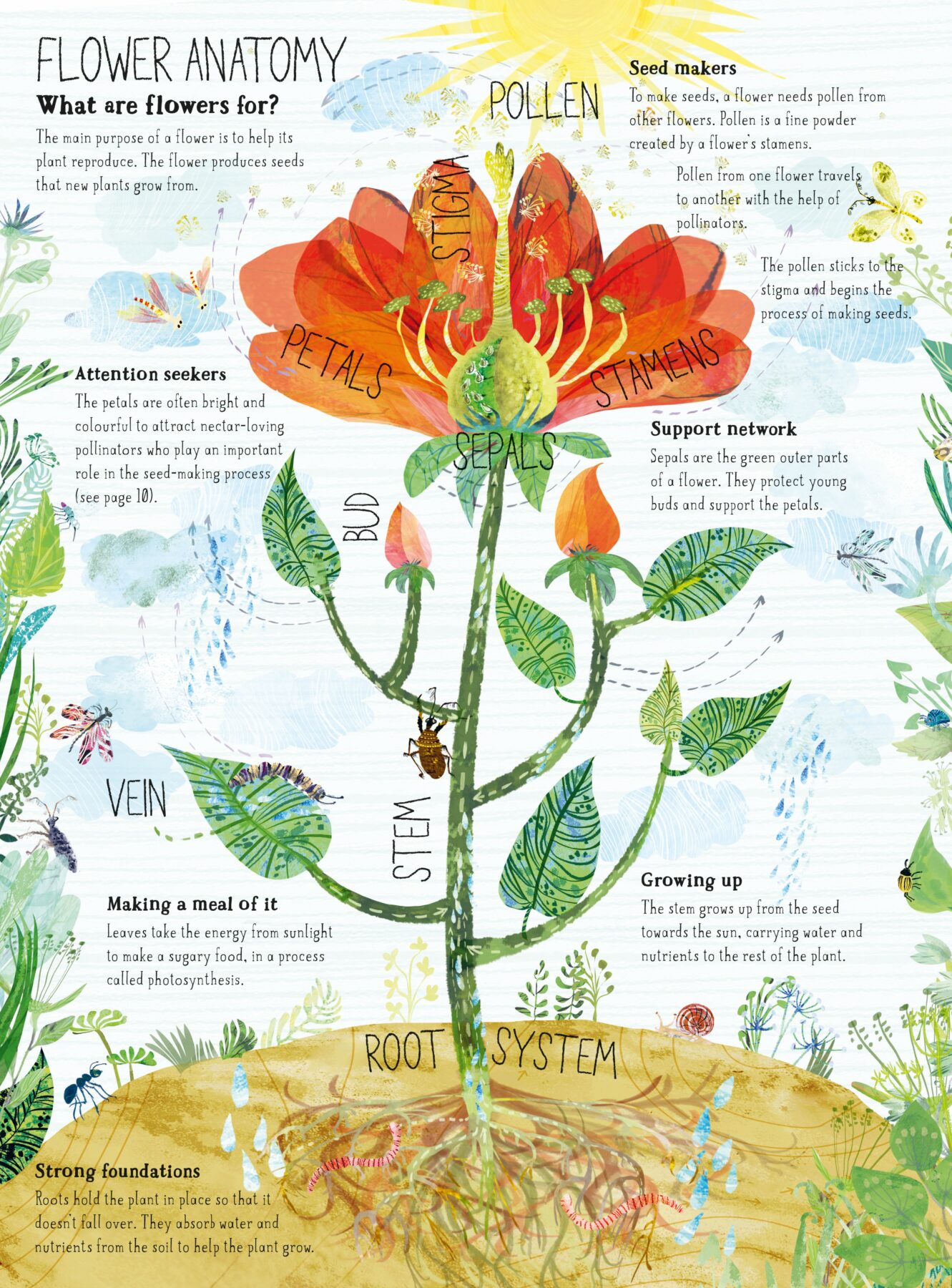
Flower Anatomy in The Big Book of Blooms by Yuval Zommer, published by Thames and Hudson
Activity: Flower Deconstruction
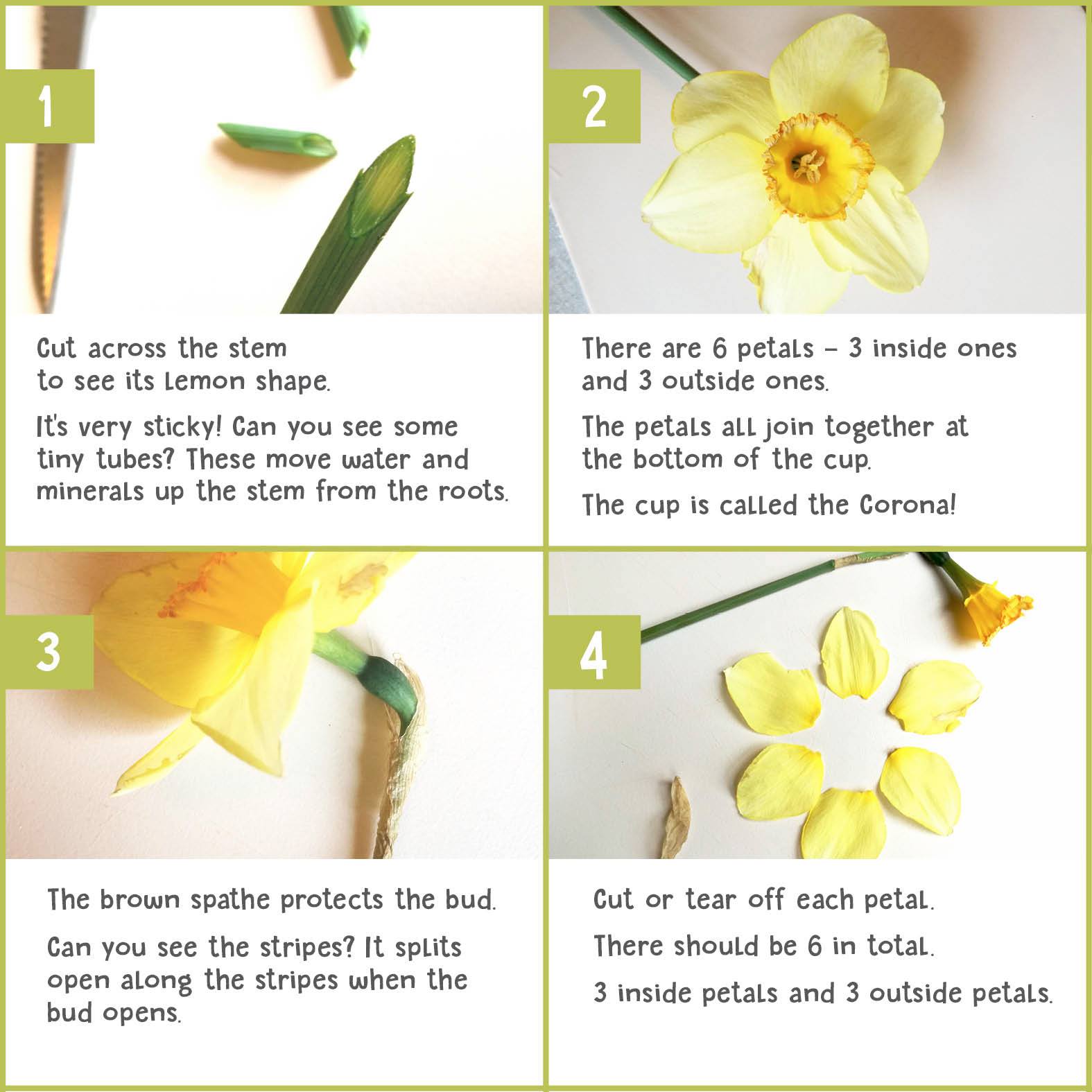
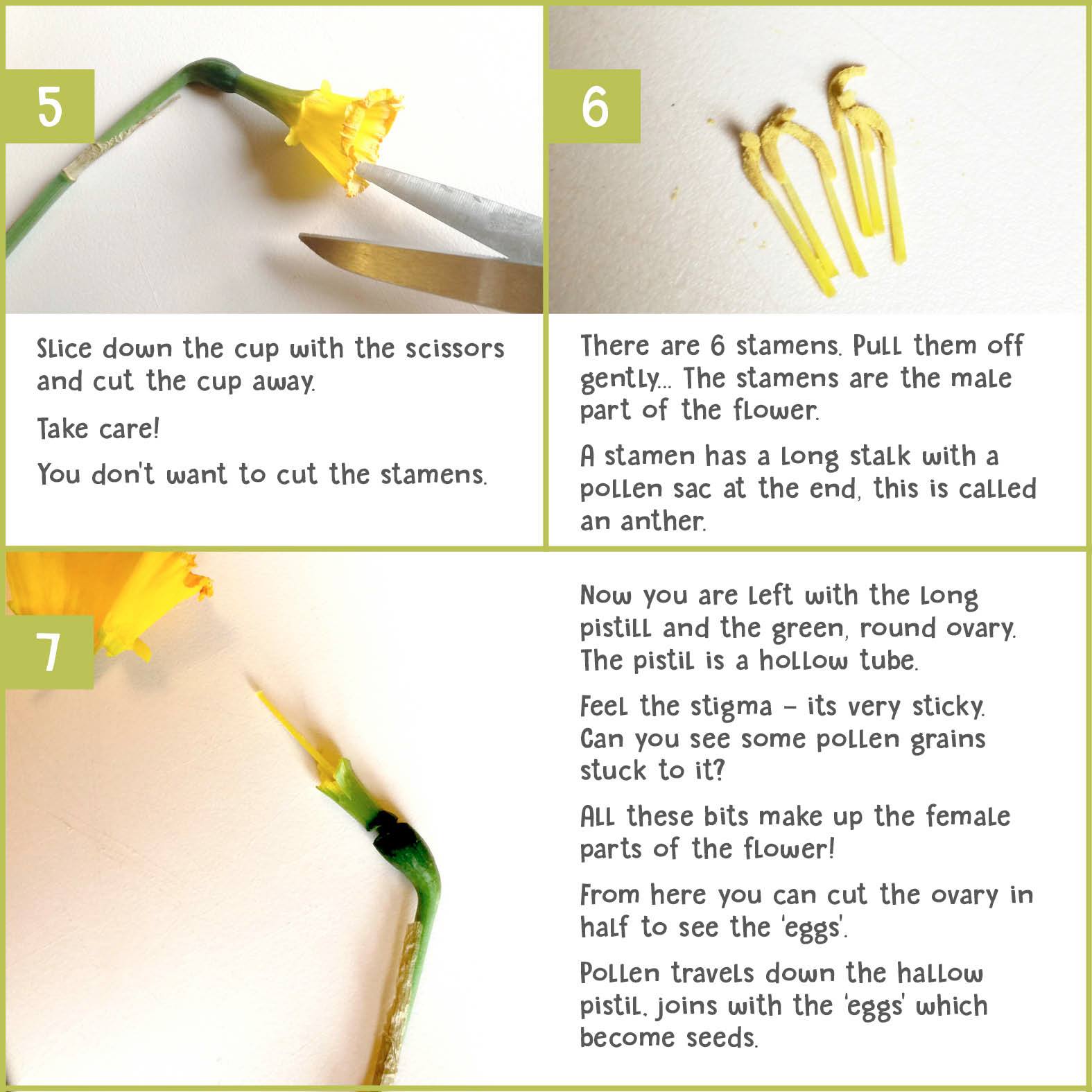
-
Here’s the science:

Each part of a flower does an important job. The colourful petals attract bees and other insects, which carry pollen from one flower to another. The anther (part of the stamen) makes the pollen, which looks like yellow dust. The pistil has a sticky top called a stigma which catches the pollen. The style takes the pollen to the ovary where the ovules can grow into seeds. All these parts work together to help the flower grow new plants. Some flowers are heliotropic, meaning they turn towards the sun maximising their ability to photosynthesise. Some have bulbs under the soil which store nutrients, allowing it to survive winter and regrow next year.
Insects
There are so many bugs in the world, from buzzing bees to scuttling beetles, and of course the snails that live in our garden.
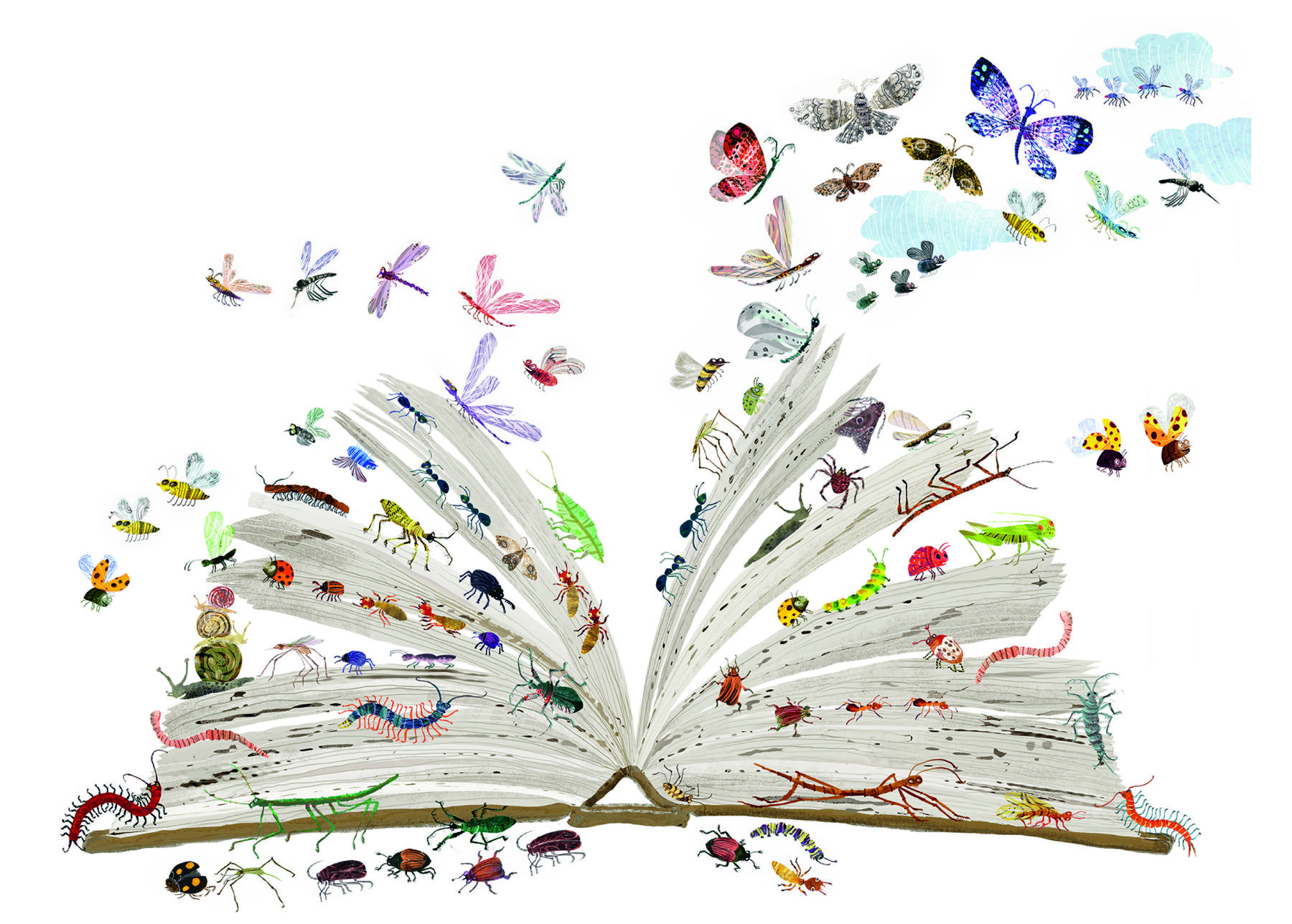
All Kind of Bugs in The Big Book of Blooms by Yuval Zommer, published by Thames and Hudson
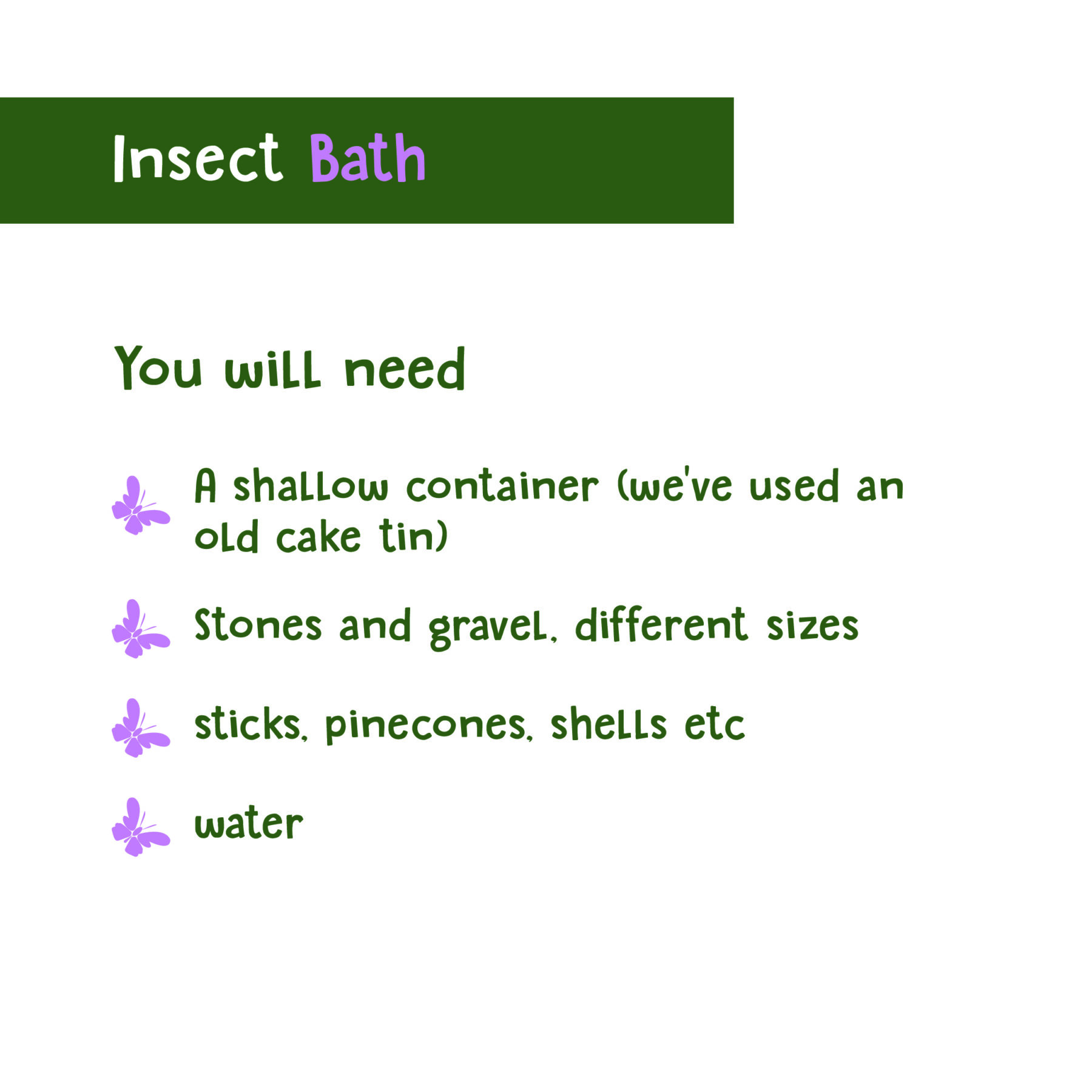
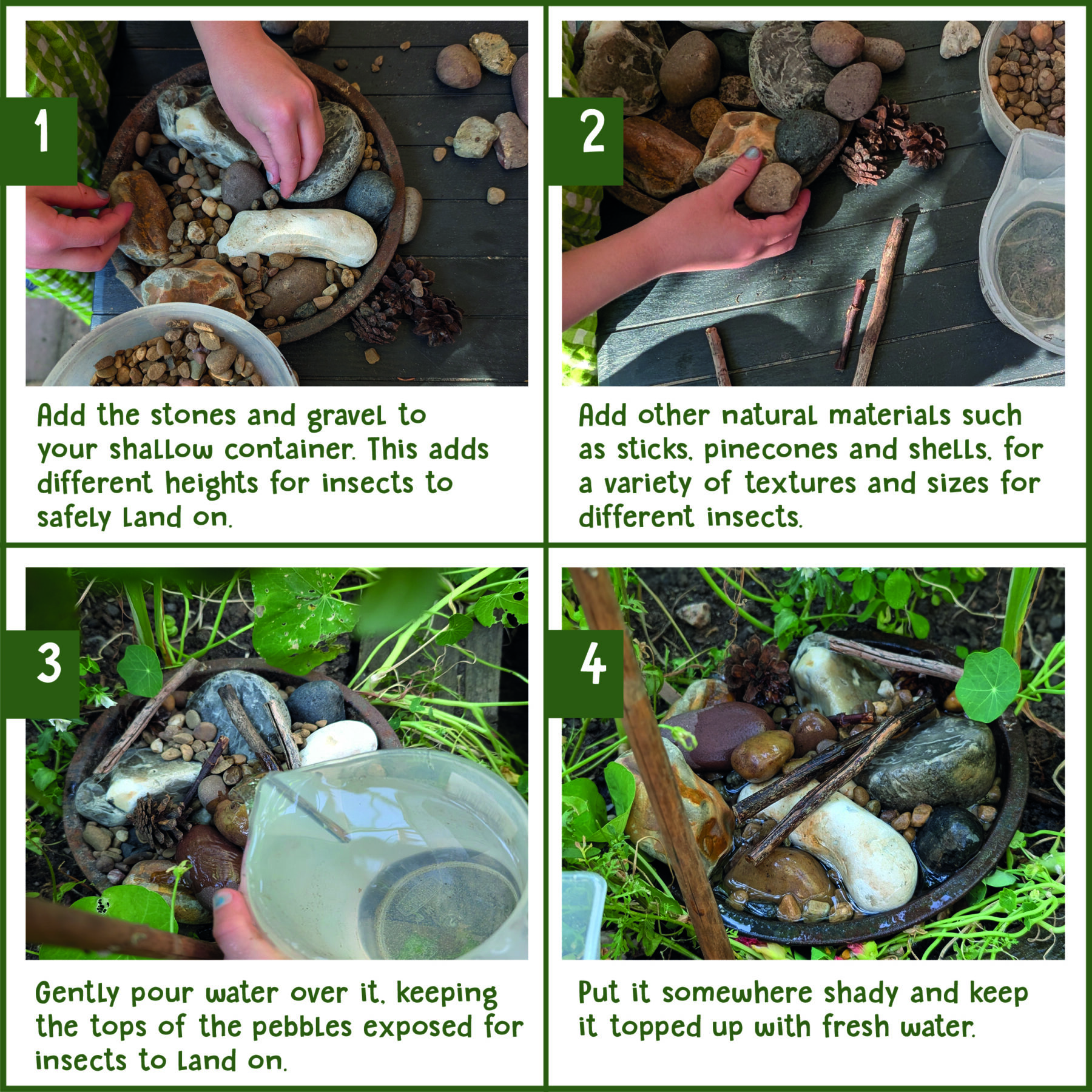
Activity: Insect Bath
-
Here’s the science:
Water is an essential part of the world around us. During the summer it can be difficult for garden insects to find water. An insect bath gives thirsty bees, butterflies, and other little visitors a place to rehydrate. Insects are vital for maintaining healthy ecosystems, and supporting insect populations leads to a balanced and thriving environment.
Safety Notice: Adult supervision is required for all activities.