Sarah Biffin
Discover the inspiring story of a remarkable Somerset-born artist
Contains an image: Painting showing busy fairground scene with crowds of people in foreground gathered around trade stalls. In the background are buildings and a balcony where what appears to be actors perform.
Sarah Biffin’s journey from sideshow attraction to artist patronised by royalty was little-known until recent years. She was disabled from birth, but her early talent blossomed into outstanding artistic ability.
Early Life
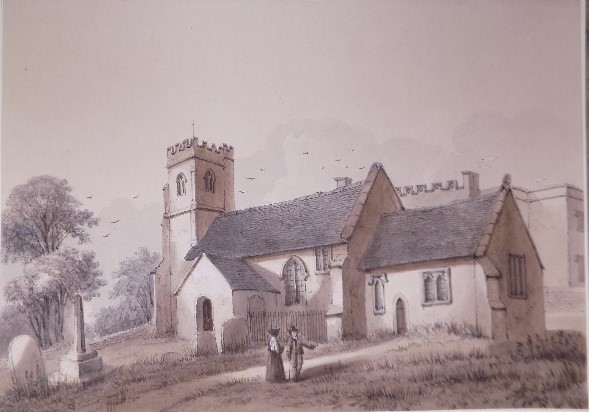
Sarah Biffin was born at East Quantoxhead, Somerset, on 25 October 1784. She was the third of five children of Henry Biffin, a farm labourer and later a shoemaker, and Sarah Perkins his wife. The baptism register records that young Sarah was ‘born without arms or legs’, a rare condition now known as phocomelia. At the age of 25 she was said to be about 3 feet tall.
Her determination was clear from the beginning. She learned to use her mouth to hold implements and was soon highly skilled in sewing, drawing and painting. Hearing about her extraordinary talent a travelling showman called Emmanuel Dukes approached Sarah’s parents and offered to make her part of his travelling shows. By that means, at the age of 13, Sarah began 16 years as a fairground attraction.

Life in the Travelling Fairs
Circuses and travelling fairs in the 19th century were places of entertainment for all classes. Individuals described as ‘curiosities’ were popular attractions at such events and Sarah was soon being advertised as the ‘Eighth Wonder’ – a poster promoting her attendance at Bartholomew Fair in London depicts her as a limbless mermaid. Despite advances then being made in science and medicine, difference and disability continued to inspire a varying mixture of curiosity, fear and ridicule. Sarah, whose personality was engaging and friendly, endured all those things during her life though some people did much to help and support her.

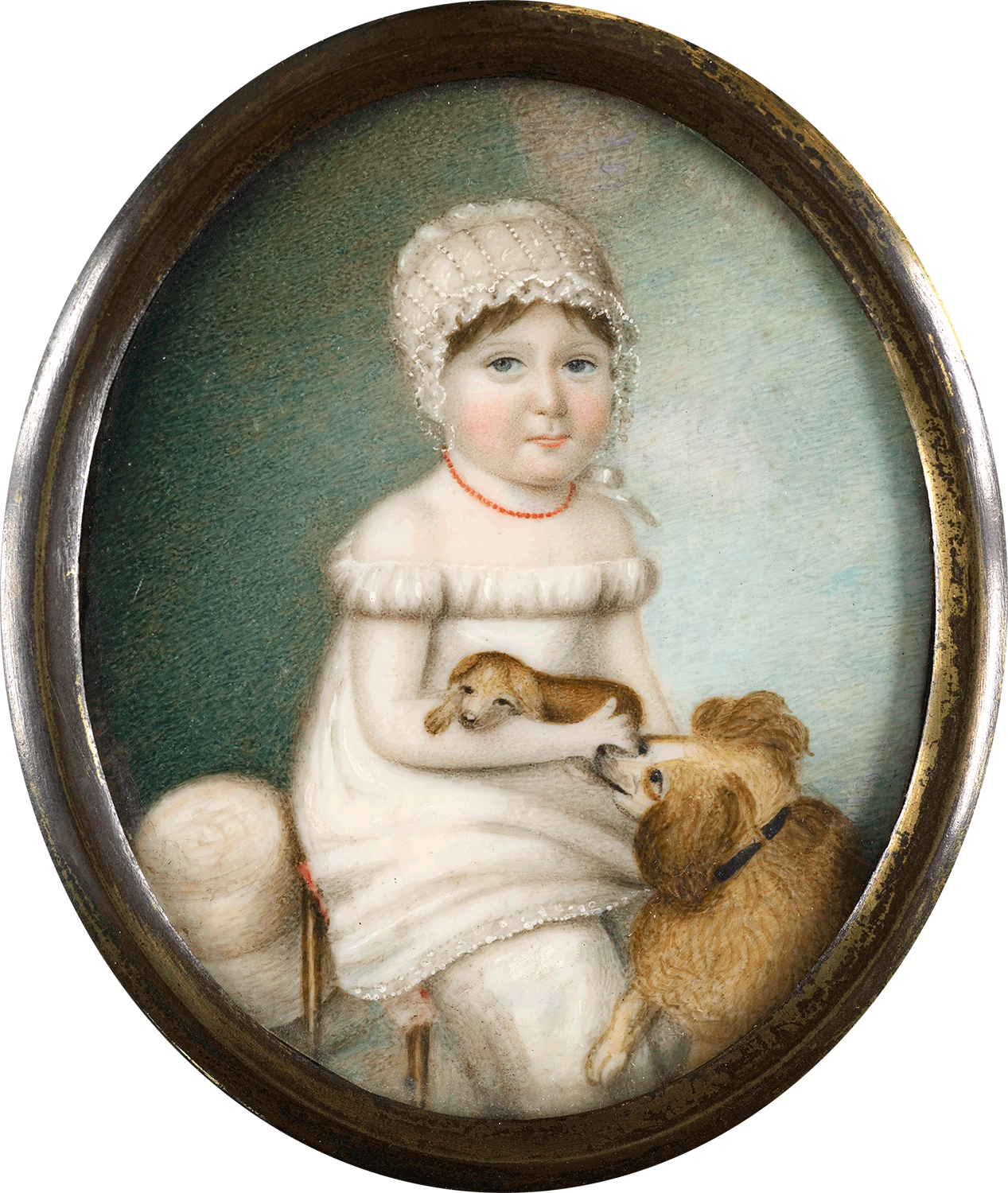
Emmanuel Dukes exhibited Sarah in towns and cities throughout Britain, charging customers three guineas a time for miniature portraits. She also produced landscapes and autographs. Sarah’s abilities were a source of considerable profit for Dukes, and although he reportedly treated her as a member of his own family he paid her only £5 a year.

Artistic Career
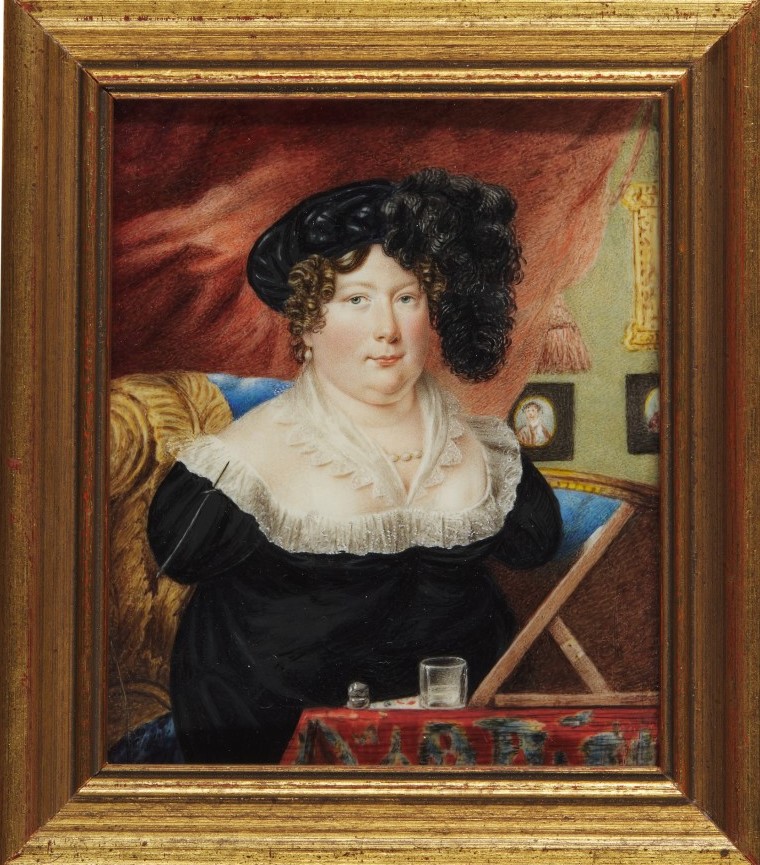
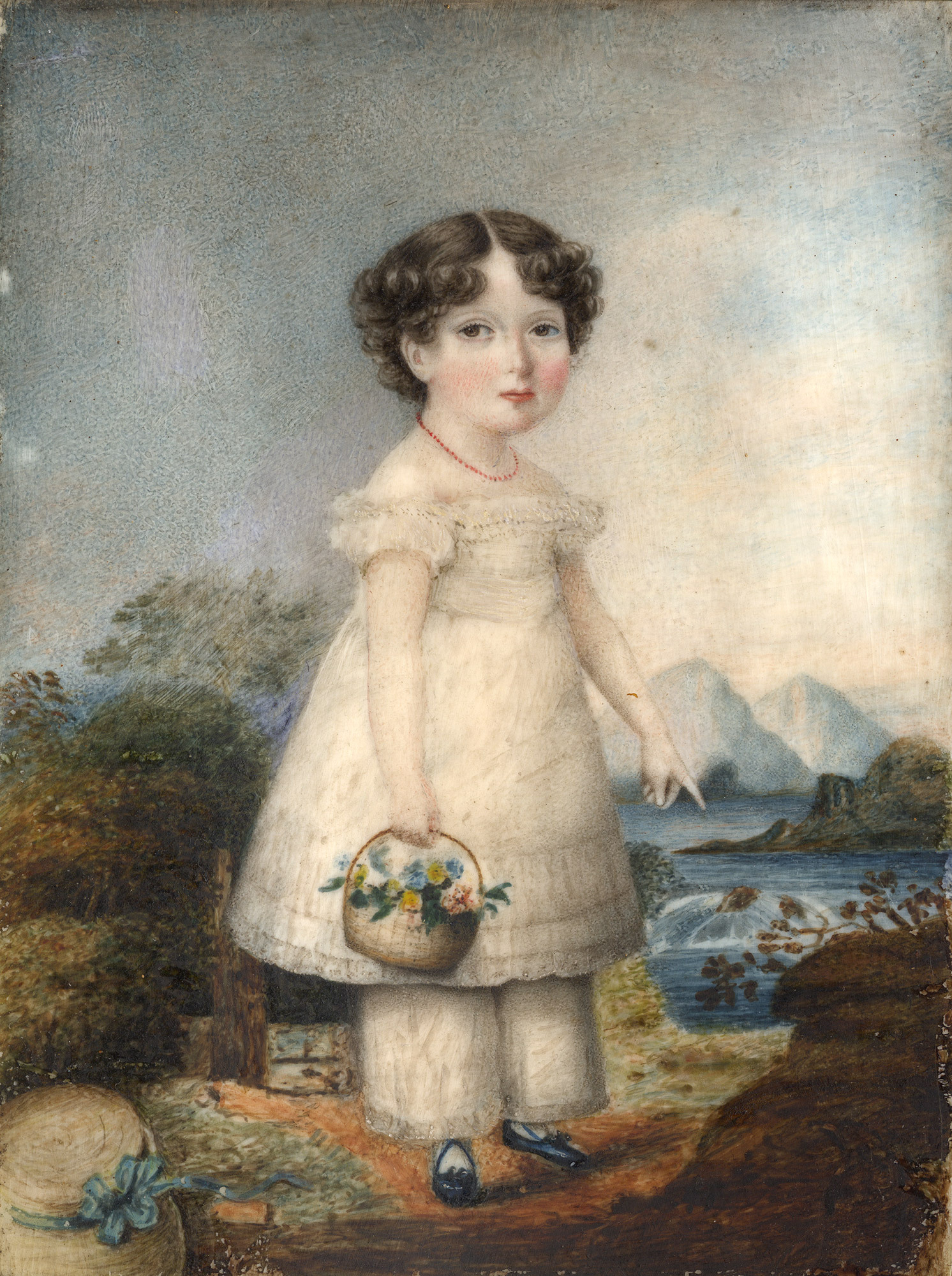
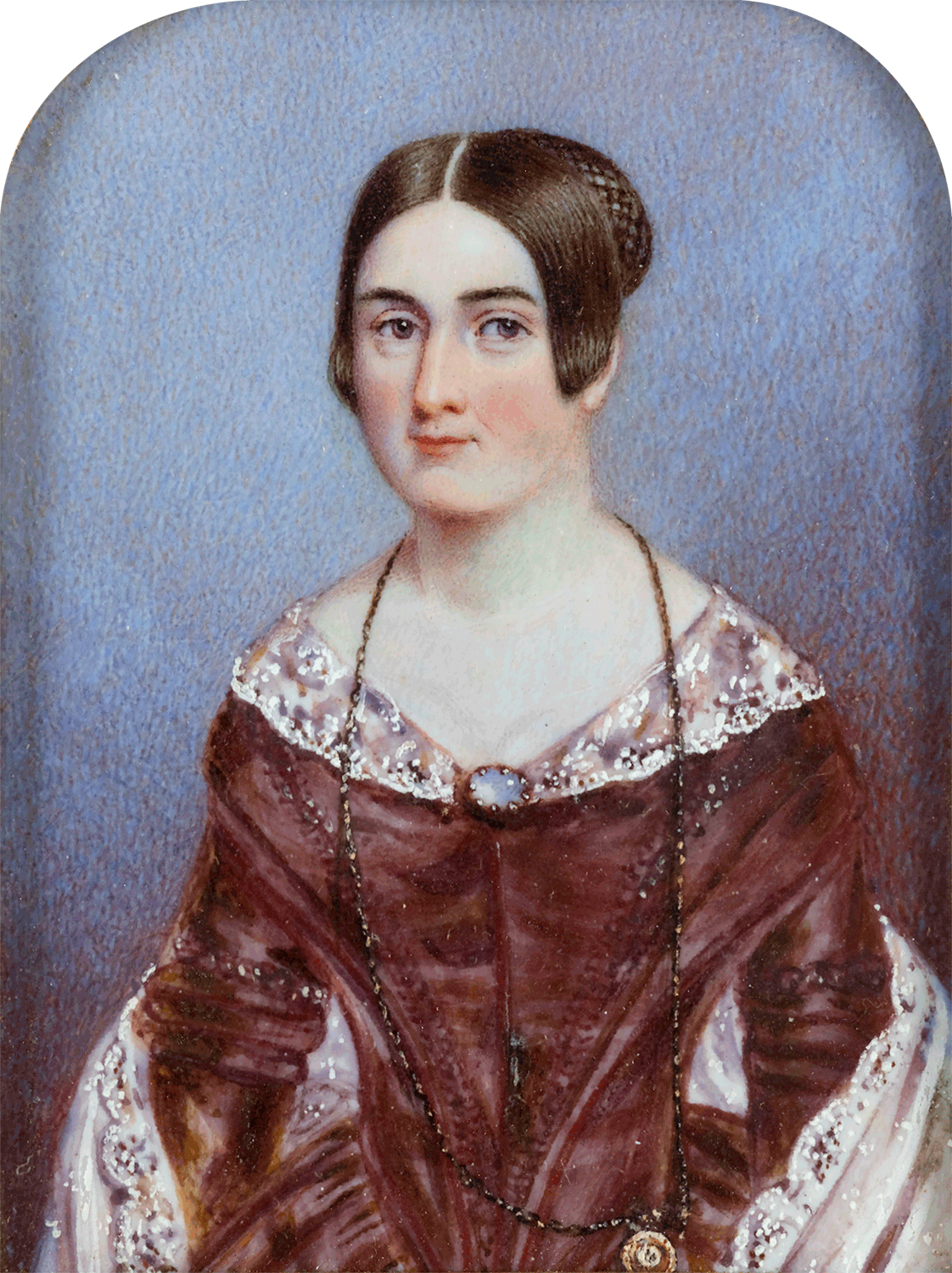
When she was almost 30 years old Sarah’s prospects changed. The Earl of Morton sat for his portrait at a local fair and was so impressed by Sarah’s ability that he convinced her she should seek opportunities in London. He introduced her to the royal watercolourist William Craig and paid for her to have lessons. Soon she was able to set up a studio in Bond Street and was increasingly visited by wealthy patrons. She painted members of the royal family, including in later years Queen Victoria and Prince Albert, and travelled to Brussels where she became miniature painter to the Prince of Orange and Princess Augusta. In 1821 she was awarded a silver medal by the Society of Arts and her work was exhibited in high-profile settings, including the Royal Academy.

On 6 September 1824 Sarah Biffin was married in Kilton, Somerset, to Stephen Wright, and though the marriage did not last she often exhibited under her married name after that. She continued to travel widely in Britain and achieved growing fame. But she was still often reduced to caricature in the many contemporary references to her. In about 1820 her disability was the subject of mockery in Thomas Hood’s poem ‘The Mermaid of Margate’. Charles Dickens also referred to her in four of his novels, but never in ways that acknowledged her ability and achievements.


Later Years
The death of the Earl of Morton in 1827 brought another change in Sarah’s fortunes. The earl’s patronage had ensured financial security for her and he had also become a staunch friend and confidante. Without his support, requests for her work were rarer, and she was increasingly affected by physical frailty and failing eyesight. A Civil List pension of £12 a year could do little to ease her financial struggles. Finally she retired to Liverpool where supporters, including the merchant Richard Rathbone, rallied to buy an annuity for her. As a result she achieved some semblance of comfort in her final years.
Sarah Biffin died on 2 October 1850, aged 66, and was buried in St James’s Cemetery, Liverpool. The memorial that once marked her grave has gone, but its wording has been preserved. In part it read:
‘Few have passed through the vale of life so much the child of hapless fortune as the deceased: and yet possessor of mental endowments of no ordinary kind. Gifted with singular talents as an artist, thousands have been gratified with the able productions of her pencil! Whilst versatile conversation and agreeable manner elicited the admiration of all.’
Legacy
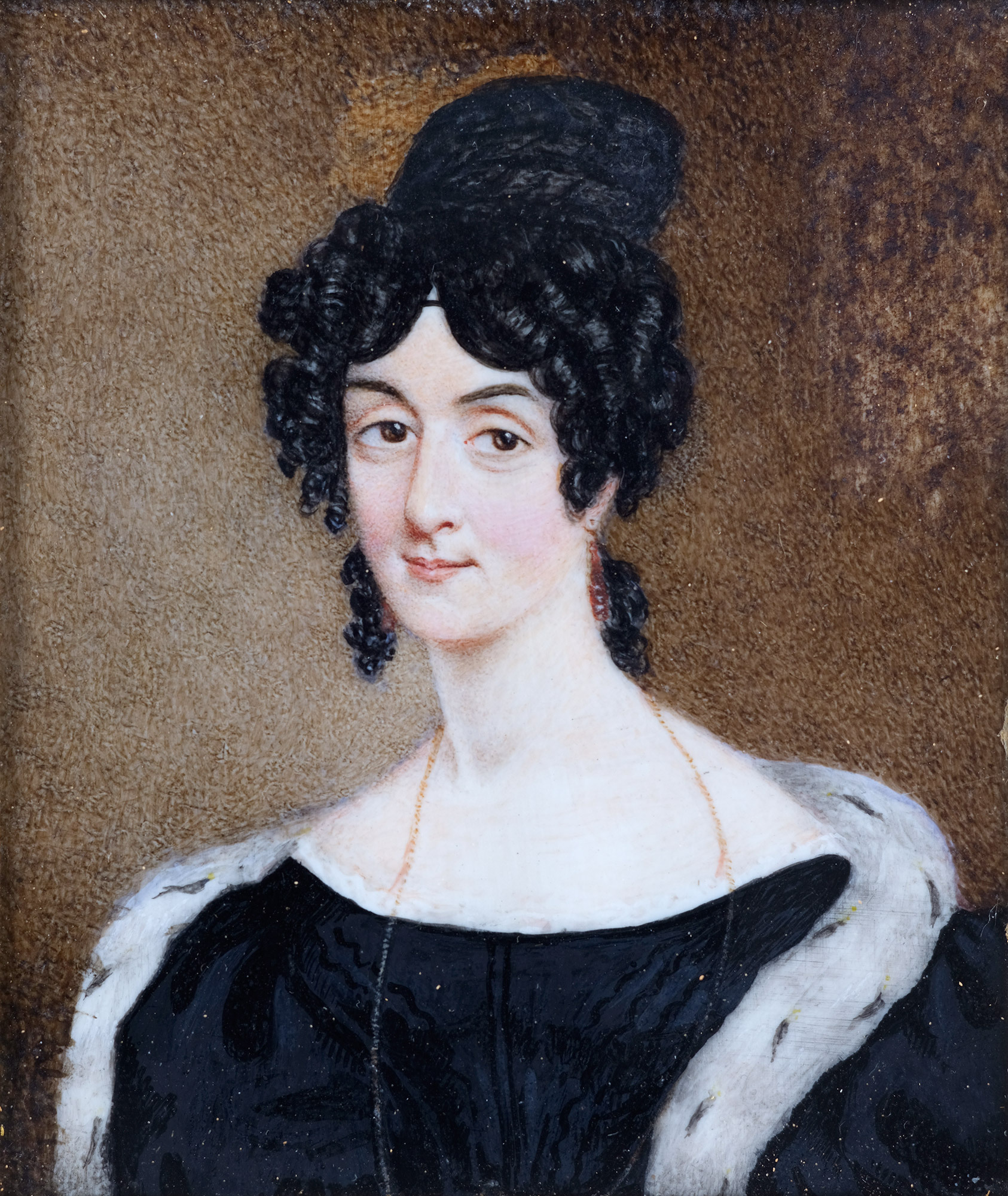
Though Sarah Biffin’s fame and reputation were largely forgotten after her death, in recent years her delicate miniatures have been increasingly collected. In December 2019, a self-portrait miniature was sold at auction for £137,500, a figure far exceeding the estimate and almost unprecedented for any miniature of the period. Her inspiring story, and determination to succeed in an artistic world dominated by non-disabled male counterparts, has gained her many new admirers. Most of all she is appreciated again as perhaps she would most have wished – as a remarkable and very gifted artist.