How Does Your Garden Grow?
A look at gardening and the weather with the Met Office
Contains an image:
Introduction
Gardening can be good for your health and wellbeing. As everyone knows the success of any garden depends on the weather. People often turn to horticulture, especially in uncertain times.
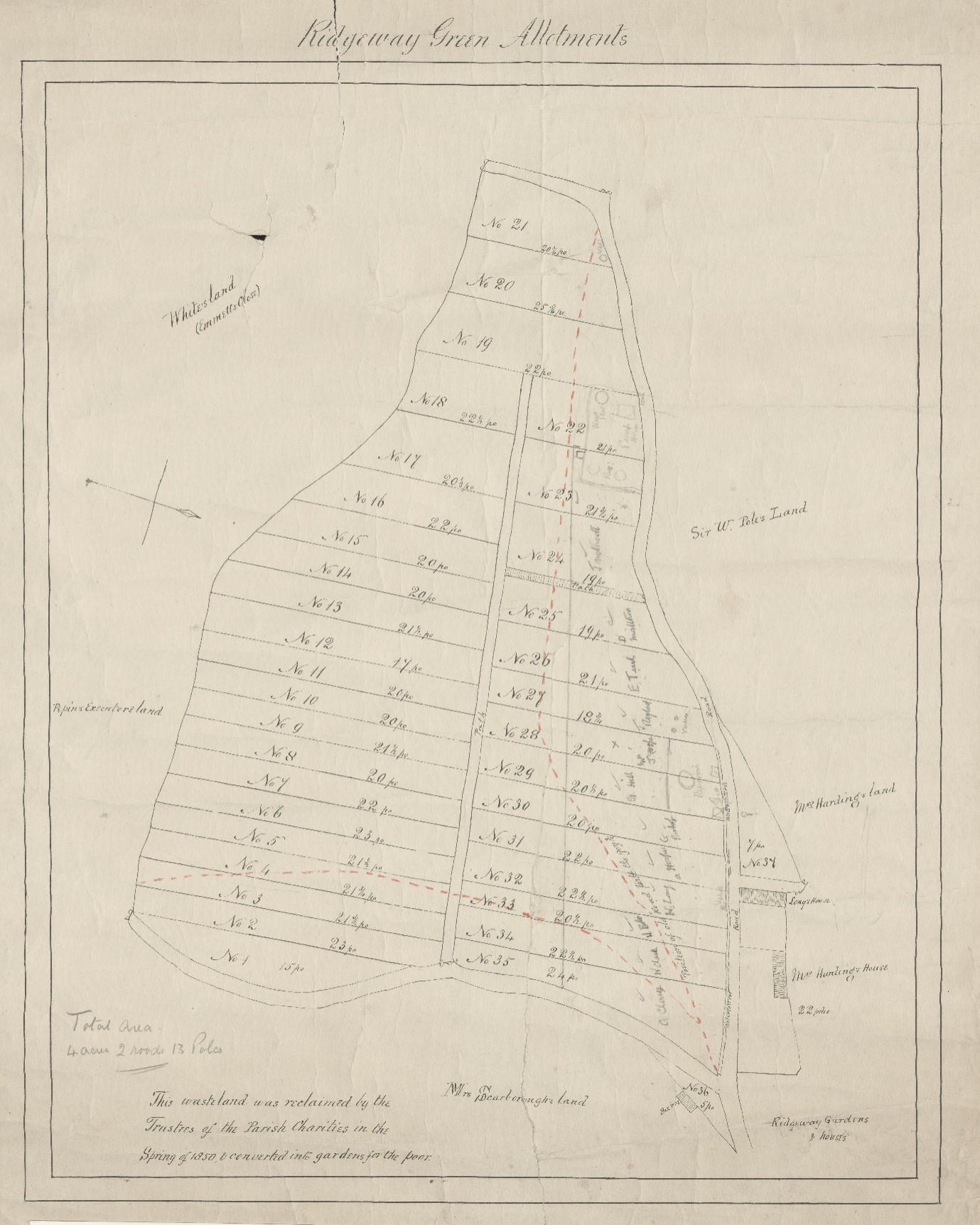
Allotments and Gardening During Wartime
Allotments date back centuries, and in the 19th century land was given to the labouring poor to grow food. In 1908 the Small Holdings and Allotments Act placed a duty on local authorities to provide sufficient allotments. At the end of the First World War land was made available to assist returning servicemen. The rights of allotment holders were strengthened through the Allotments Acts of 1922 and 1925.
The ‘Dig for Victory’ campaign was set up during the Second World War by the Ministry of Agriculture. Men and women were encouraged to grow their own food in times of rationing to help the war effort and improve morale. Open spaces were transformed into allotments – from domestic gardens to public parks. There was a huge propaganda campaign and advice leaflets about vegetable and fruit growing were produced.


Hospital and Asylum Gardens
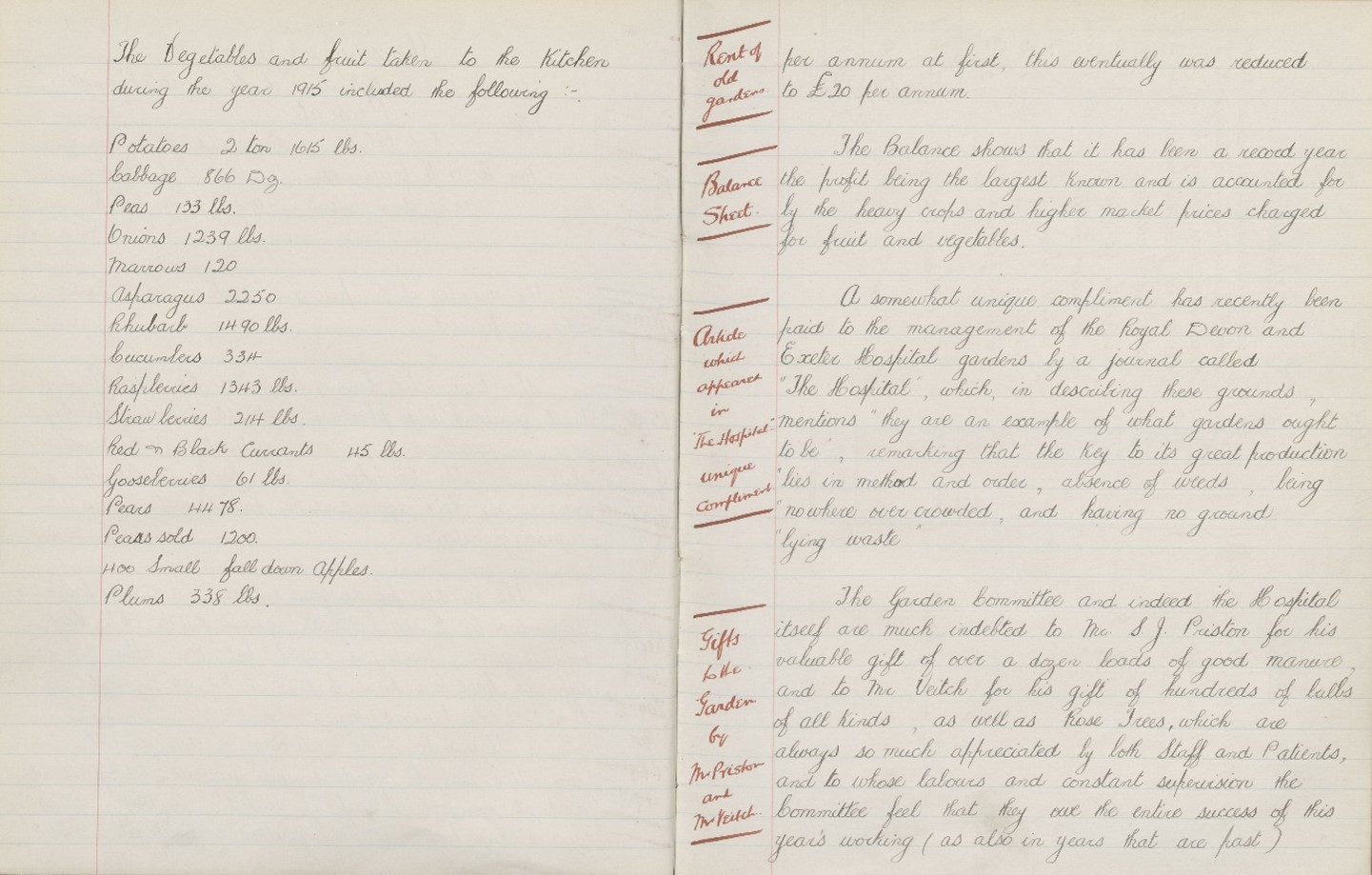
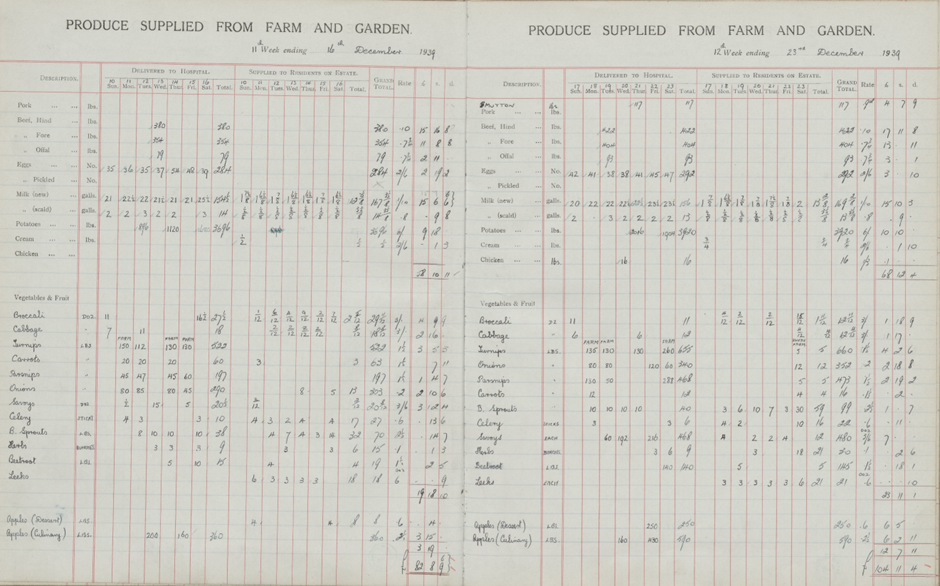
During the 19th century gardens were an important way to support therapy in hospitals, and mental health institutions. They provided a pleasant environment in which patients could convalesce. In asylums they provided mental and emotional benefits for people through the cultivation of plants, fruit and vegetables. The use of gardens and vegetable plots developed due to new psychotherapeutic techniques in the 18th and 19th centuries and a better understanding of the mental effects of physical trauma.
There were gardens at the Royal Devon and Exeter Hospital, which opened in 1743, Exe Vale Hospital, Exminster (1845) and the Exeter City Lunatic Asylum, also known as Digby Hospital (1886). Some institutions also had farms where crops were cultivated and harvested, and livestock was reared. These provided patients with an ample supply of meat, fruit, vegetables and milk.
School Gardens in the early 20th century
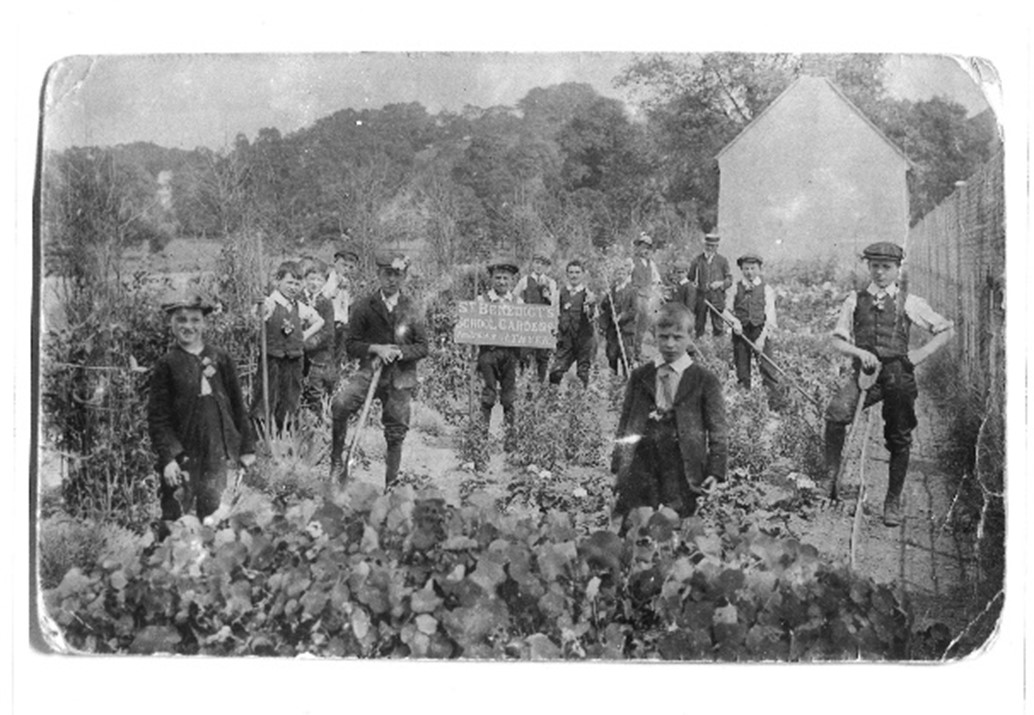
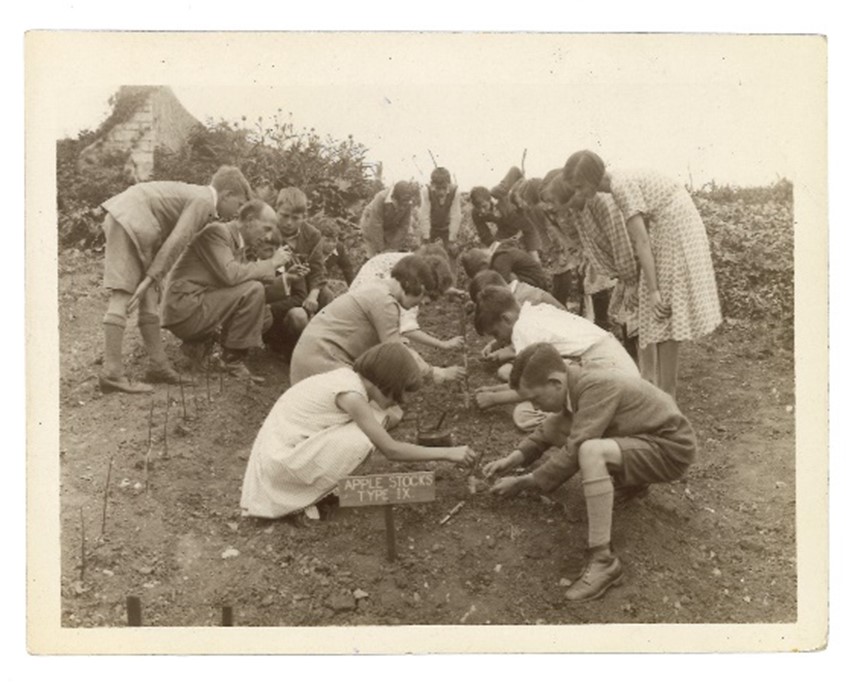
Government reports from the 1880s onwards recommended teaching gardening in rural schools, alongside agriculture and dairying. It was hoped that this might encourage more young people into rural employment and slow rural depopulation. In Somerset 81 elementary schools had a garden by 1914. Schools could apply to Somerset County Council’s Education Committee for funds and its minutes reveal the wide range of crops grown, including soft fruit, vegetables, apples and pears. At this time gardening was primarily taught to boys, with girls being taught needlework and cookery.
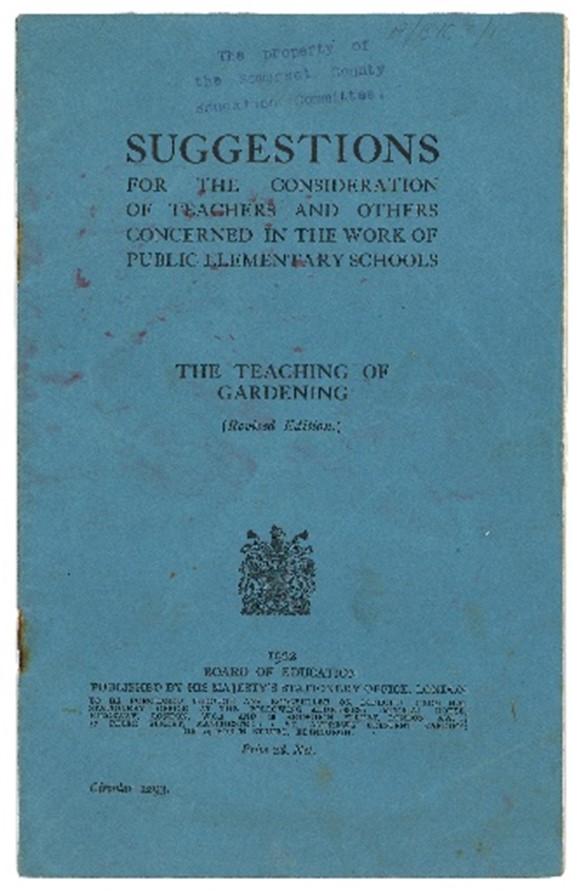
Food shortages due to the naval blockades of the First World War reinforced the idea that gardening was a useful skill for young people. In 1922 the Board of Education published ‘Suggestions for The Teaching of Gardening’ aimed at teachers of boys and girls over the age of 11. It recommended teaching gardening for about two hours a week in spring and summer and slightly less in the winter. The aims were to maximise food production and to restore ‘the pre-war conception of the school garden as the laboratory of the country school’.
Gardening During the Covid-19 Pandemic
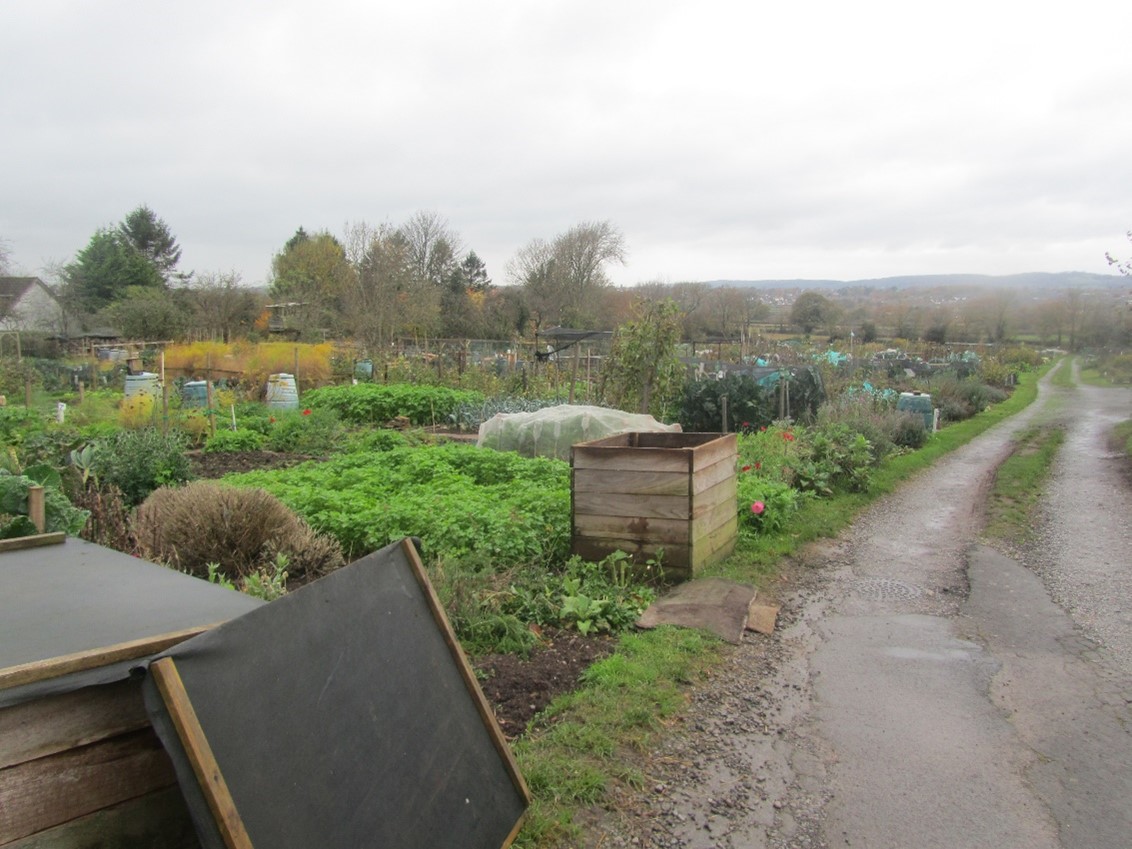
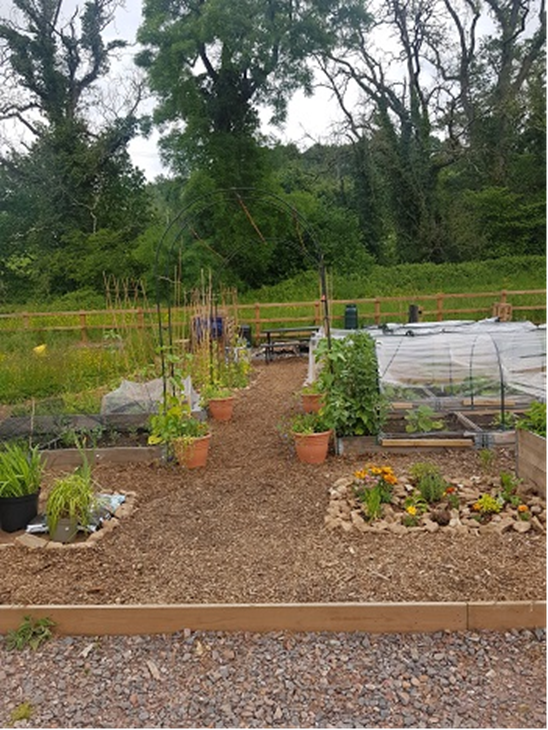
Allotment holders reported having their best year in 2020, with more time to work during the lockdowns, as well as good growing conditions. Garden centres reported a record demand for plants and seeds during Spring 2020 as people turned to gardening during the lockdown.
Climate Change
Gardens and Climate Change
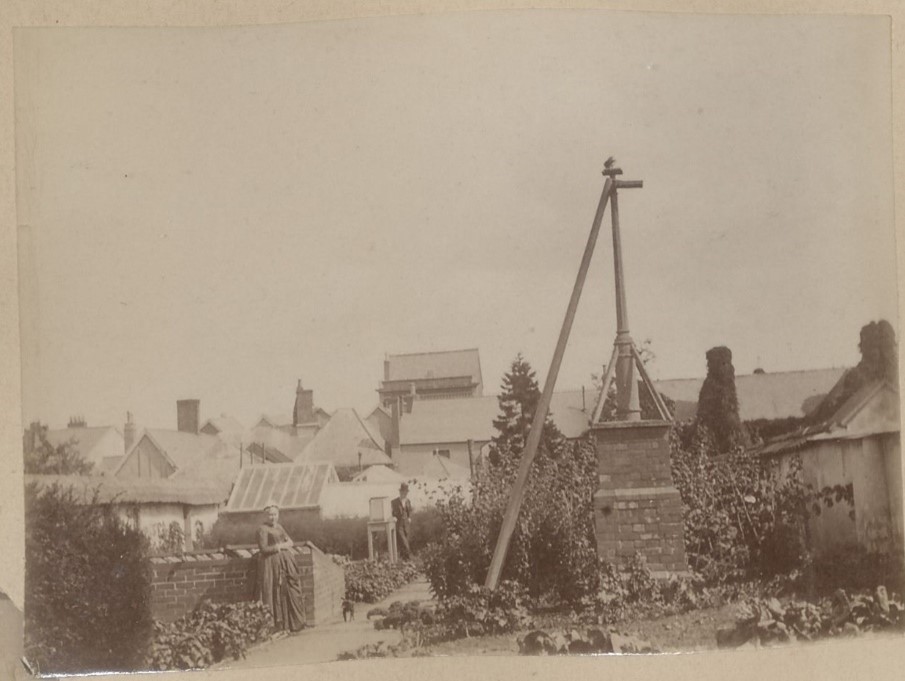
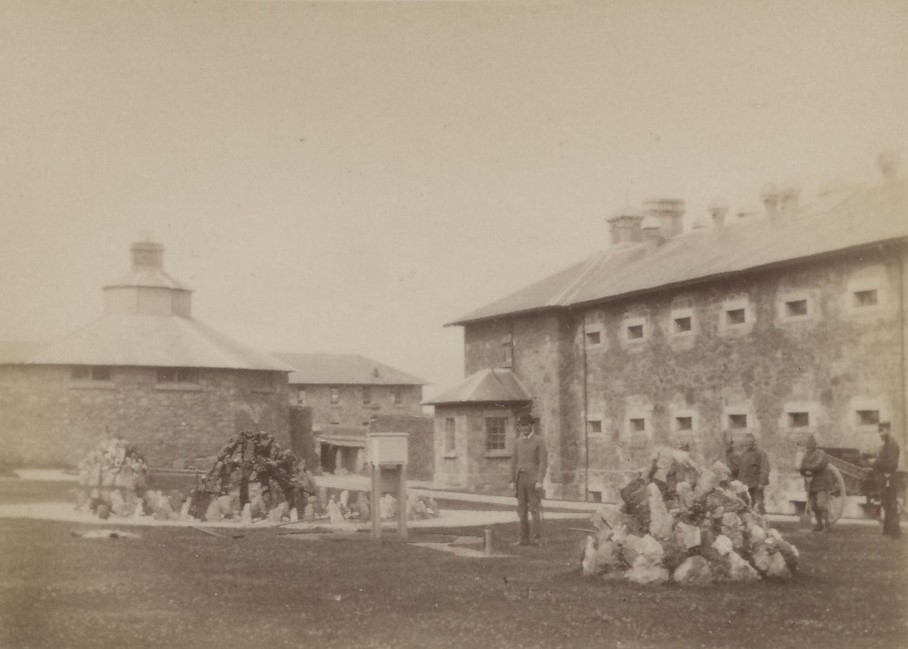
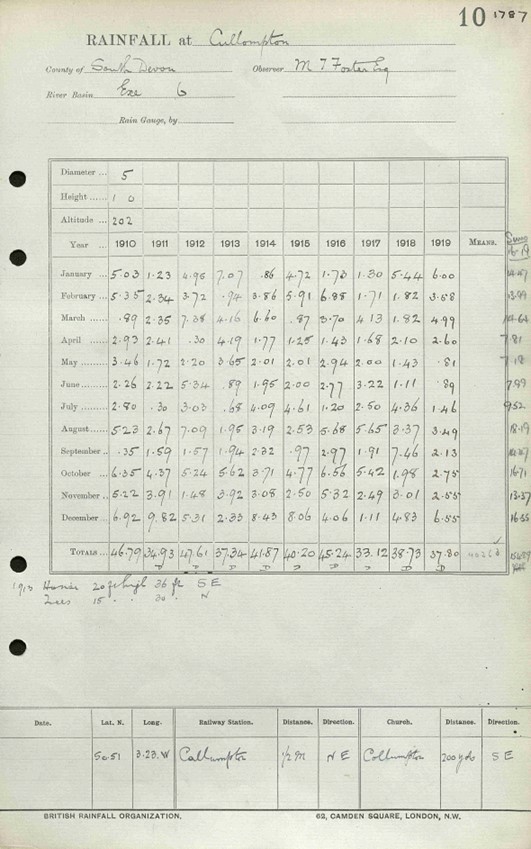
Since the mid-1800s, weather observations have been recorded in a huge range of places across the British Isles. These observations were, and continue to be, used to understand the nature of our climate and how it varies from region to region. Weather observation stations in the south-west were found at sites ranging from a back garden in Cullompton to the grounds of Princetown Prison. The observations were of great interest to the observers and helped them to plan their gardening, but they also helped the Met Office to build up a picture of the varying climates around the UK.
Historic weather observations are still very important to climate science today. By digitising these hand-written observations so that they can be used by computer models, we are able to create long datasets which scientists can use for climate modelling. The more we can add to our data sets and computer models, the better we can understand how our climate is changing and indicate how it might continue to change in the future. This knowledge can then be used to inform everyone from members of the public to government decision makers and at the yearly Conference of Parties (COP) Climate Conferences.
Conclusion
The Covid-19 pandemic clearly showed the ways in which people can benefit from horticulture.
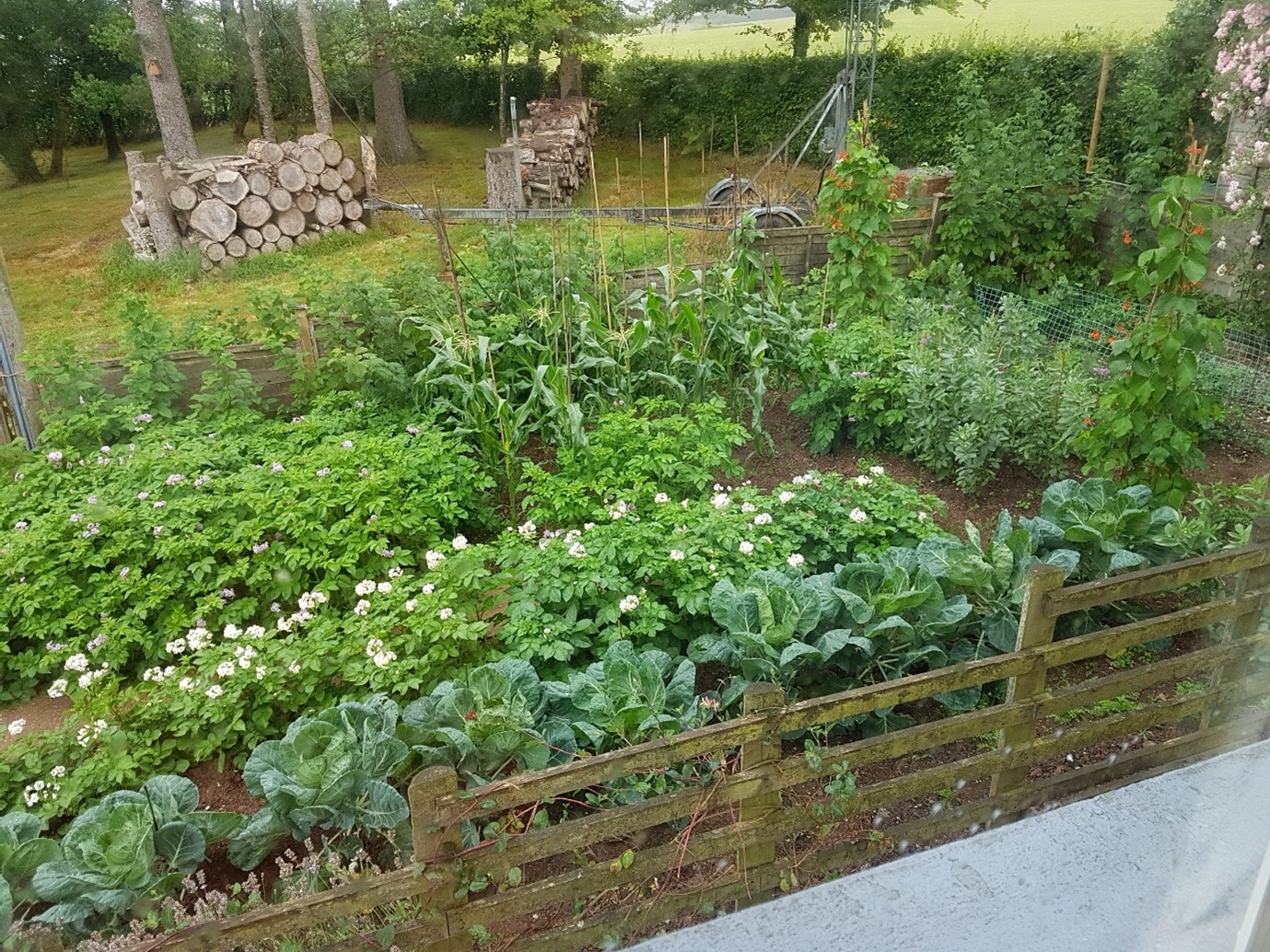
Climate Change will affect how all our gardens grow. The concept of the traditional English country garden will have to adapt in response to changing climatic conditions.
The Met Office monitors how our climate is altering in order to inform planning for a future in which our weather will become more extreme and impactful.
If you have an electronic weather station in your garden, you can share your observations with the Met Office via its Weather Observations Website.
This exhibition was supported by