
Doris Hatt
Discover a pioneer of British Modernism and a woman ahead of her time
Contains an image:
Doris Hatt (1890–1960) was a Somerset pioneer of British Modernism. She was also a woman ahead of her time – a feminist and socialist whose remarkable life and work is celebrated here.
Early Years
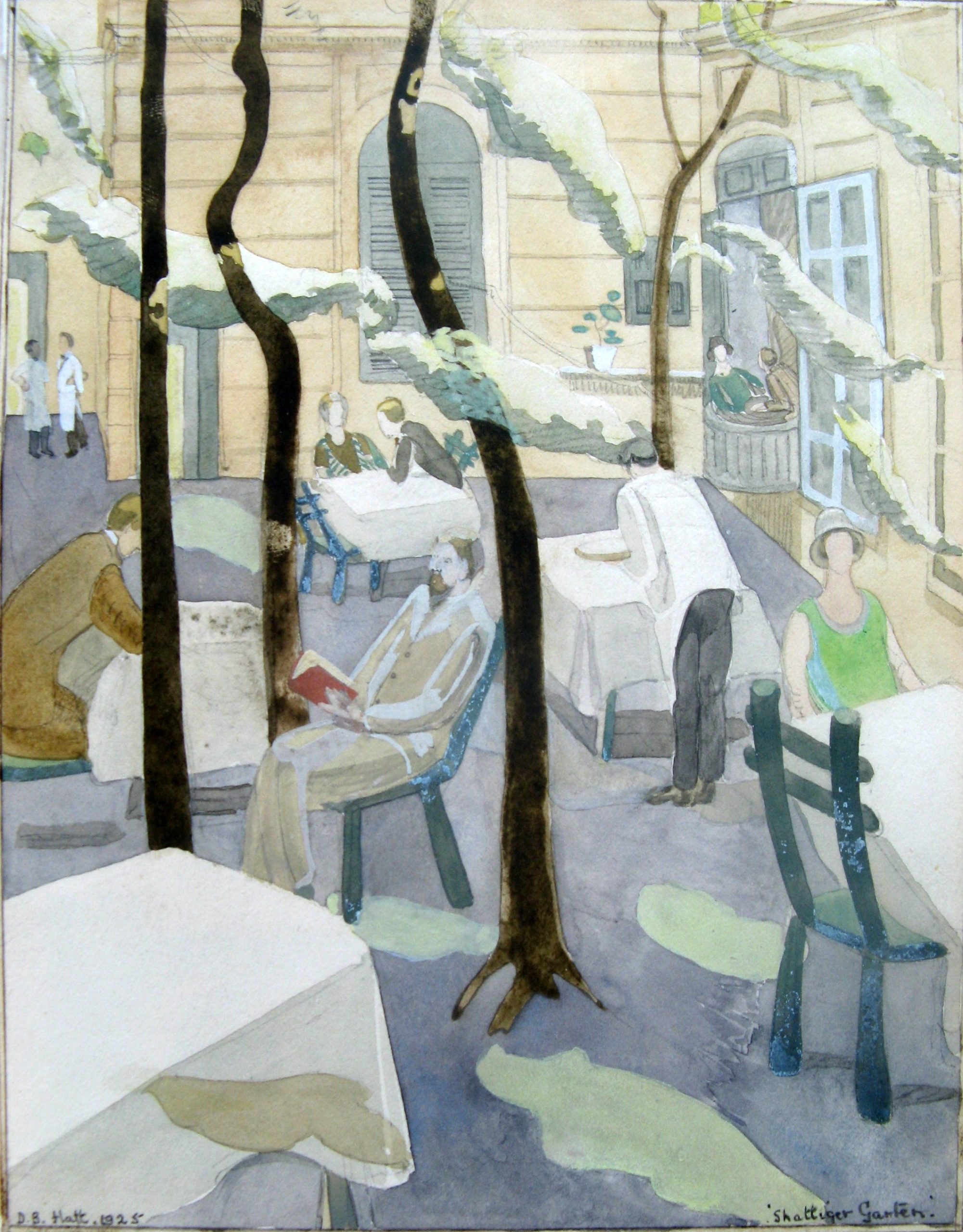
In 1911 Doris Hatt began her artistic education in Bath, her home town, and later continued her studies in London, Vienna and Paris. She was captivated by European Modernism, and under its powerful influence her art developed rapidly. Her paintings were first exhibited in 1918 at the Grosvenor Gallery in London. For almost five decades, Doris’s work featured in many exhibitions.
Home Ground
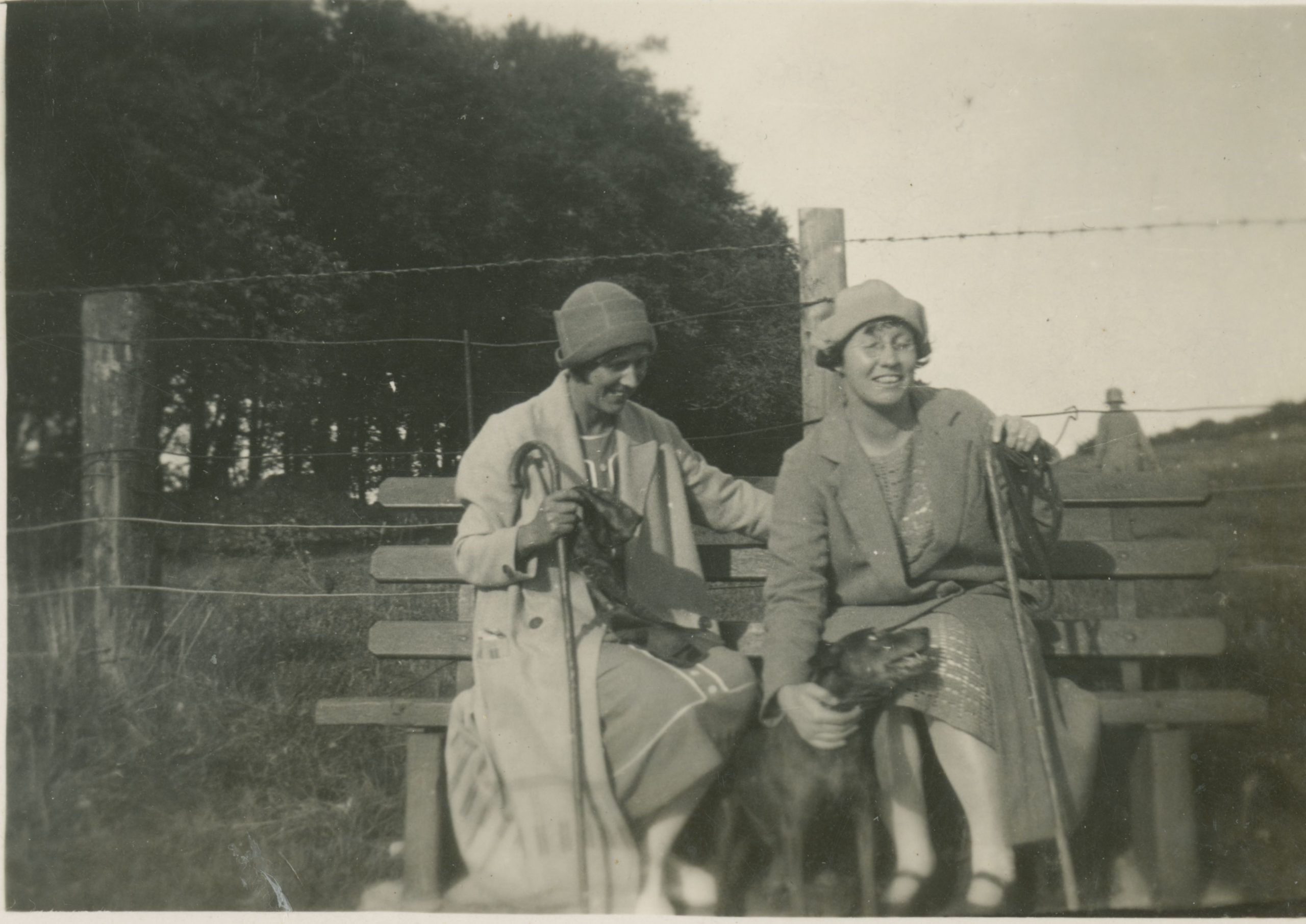
In 1922 Doris settled in Clevedon on the North Somerset coast. In 1938–9 she built Littlemead, the art-deco home she called her ‘greatest achievement’. With her partner Margery Mack Smith, a textile artist and teacher, she became a key figure in the social and cultural life of the area. Littlemead became a meeting place for like-minded people. Margery and Doris would host Sunday afternoon discussion groups attended by left-wing progressives from the arts and politics.
“I’m inordinately proud of my house…I designed it myself”

Politics
The First World War strongly influenced Doris’s politics. By the early 1920s she was a committed socialist and part of the New Woman and Women’s Suffrage Movements. Doris’s left-wing ideals became the cornerstone of her life and in 1935 she joined the Communist Party. She was regularly seen in the pubs of Clevedon selling ‘The Daily Worker’. In 1946 and 1948 she stood unsuccessfully for Clevedon Urban District Council as a Communist Party candidate.
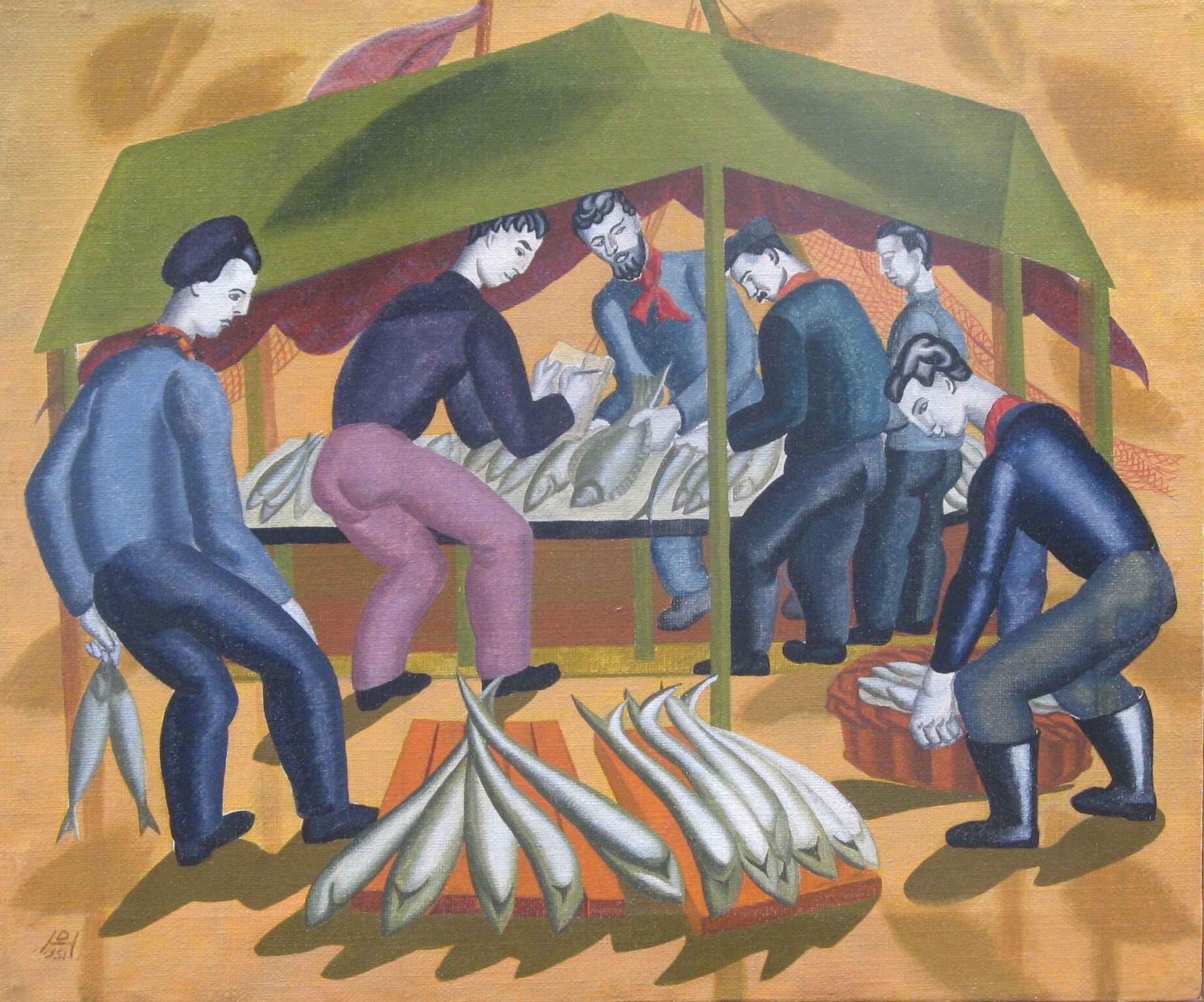
This picture of fisherman, painted in St Tropez, reflects her continued interest in working people. She did not intend the figures in this sort of picture to represent particular fishermen but to be examples of noble working men.
“I believe that Clevedon Council cannot be representative…unless there is an increase of councillors with working class sympathies”

Travels
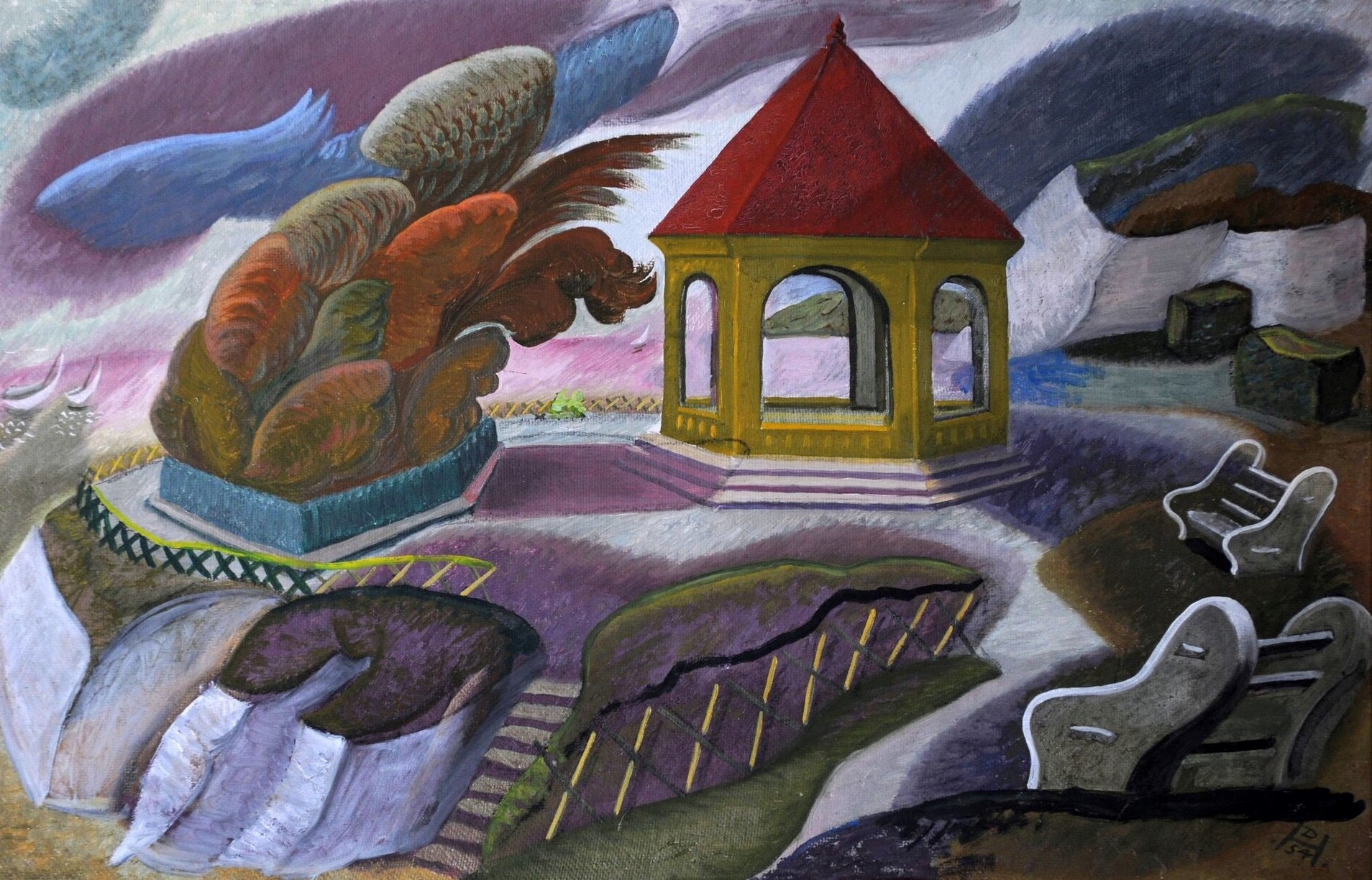
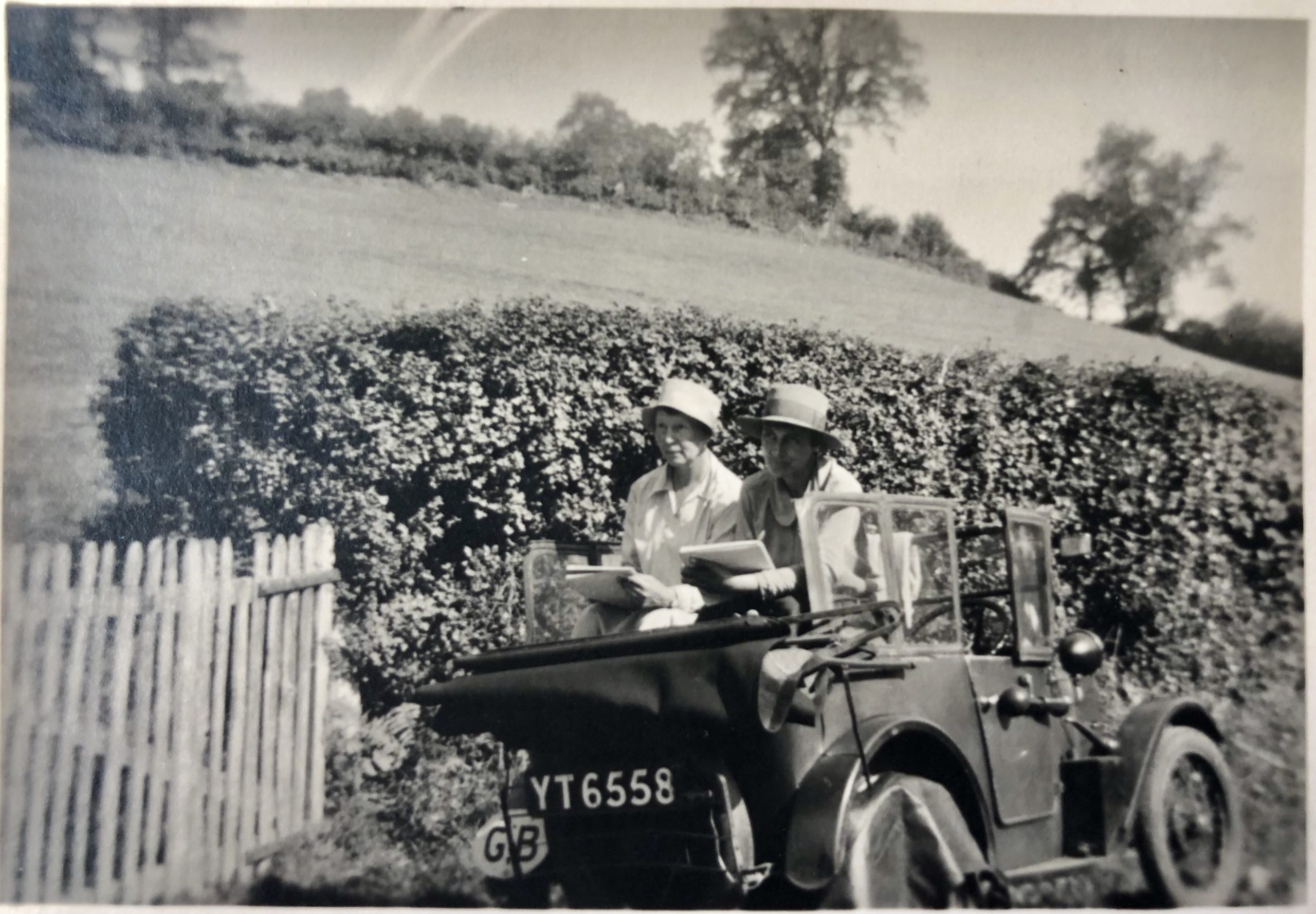
Doris travelled widely for much of her life, often accompanied by her partner Margery. They travelled widely in South West England and in Europe. Doris regarded their trips as opportunities to gather ideas for her art. Later, when her health began to fail, she returned to her sketchbooks to make paintings of the places she had visited.
Although this picture is one of Doris’s later works (1968), the sketches for it were made during a trip to Lyme Regis in 1952.

Still Life Paintings & Portraits
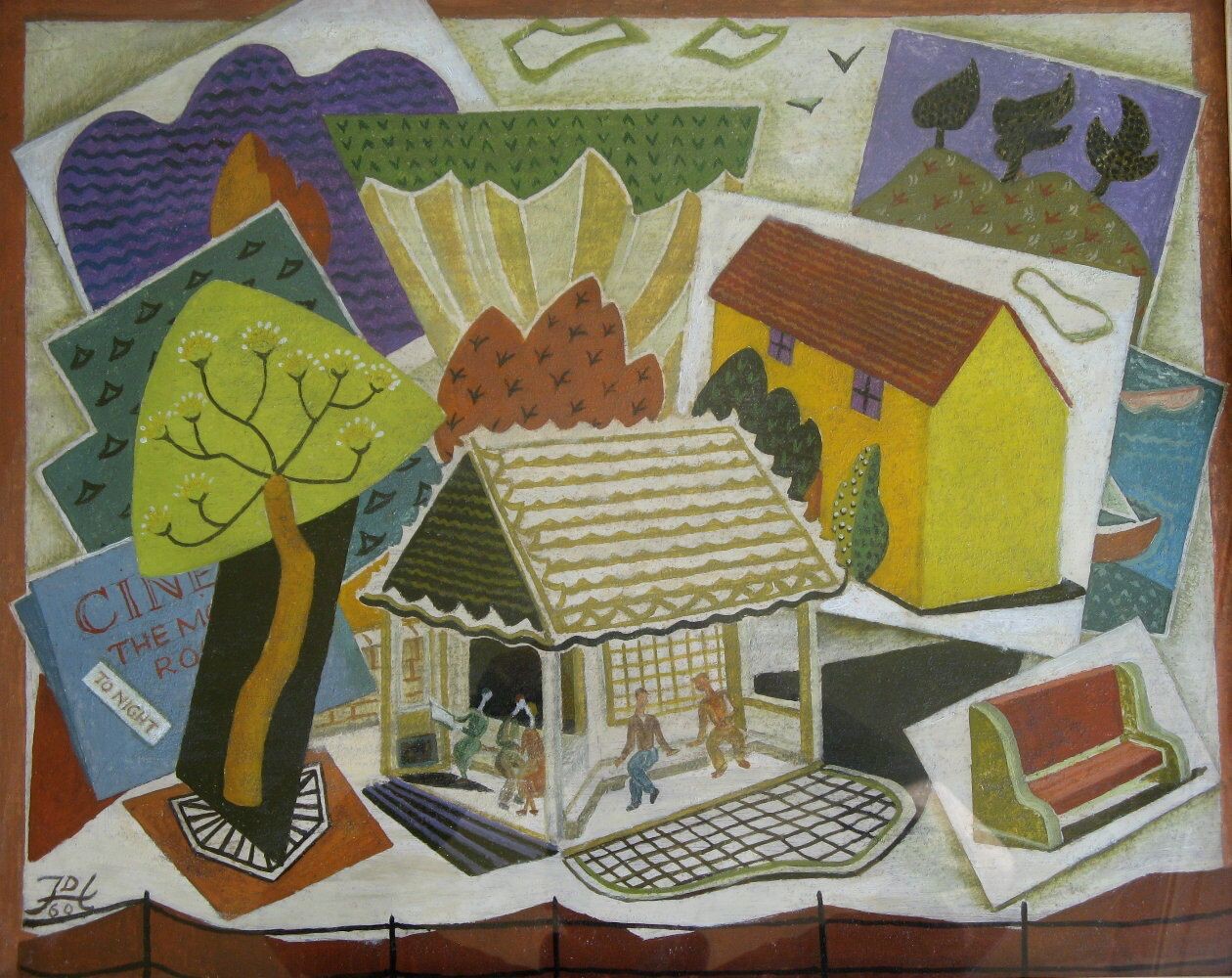
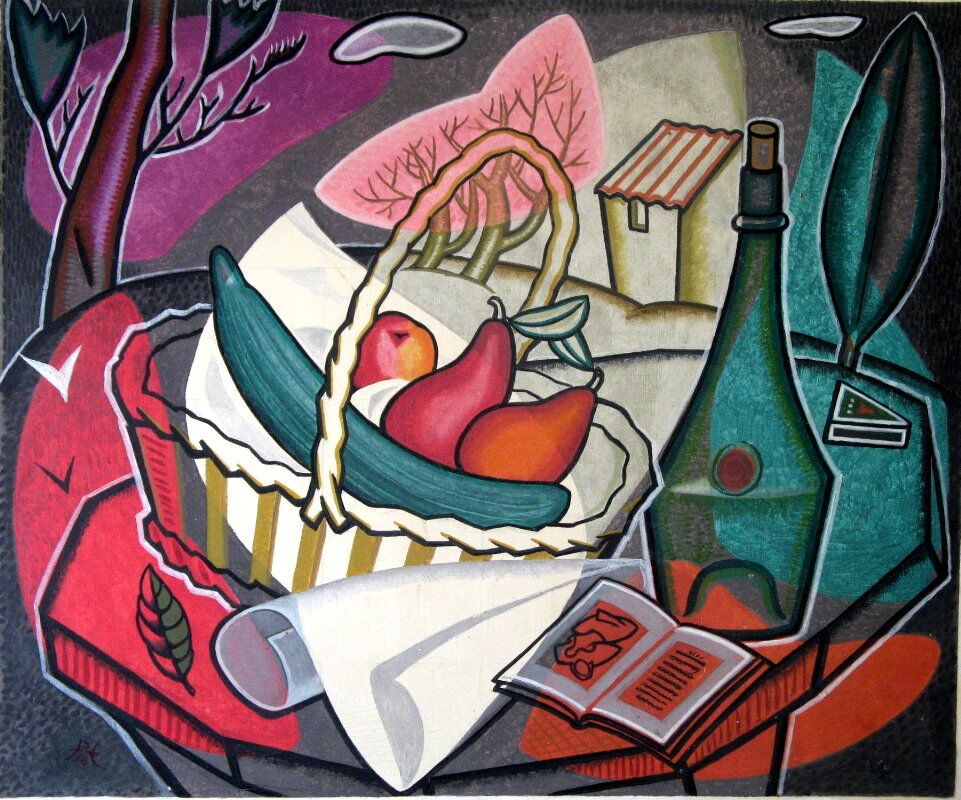
Doris remained keenly interested in contemporary art and visited London to see major exhibitions. Her still life paintings show the influence of some major themes in 20th-century Modernism, including Cubism and Abstraction, and of the works of artists such as Braque and Léger.
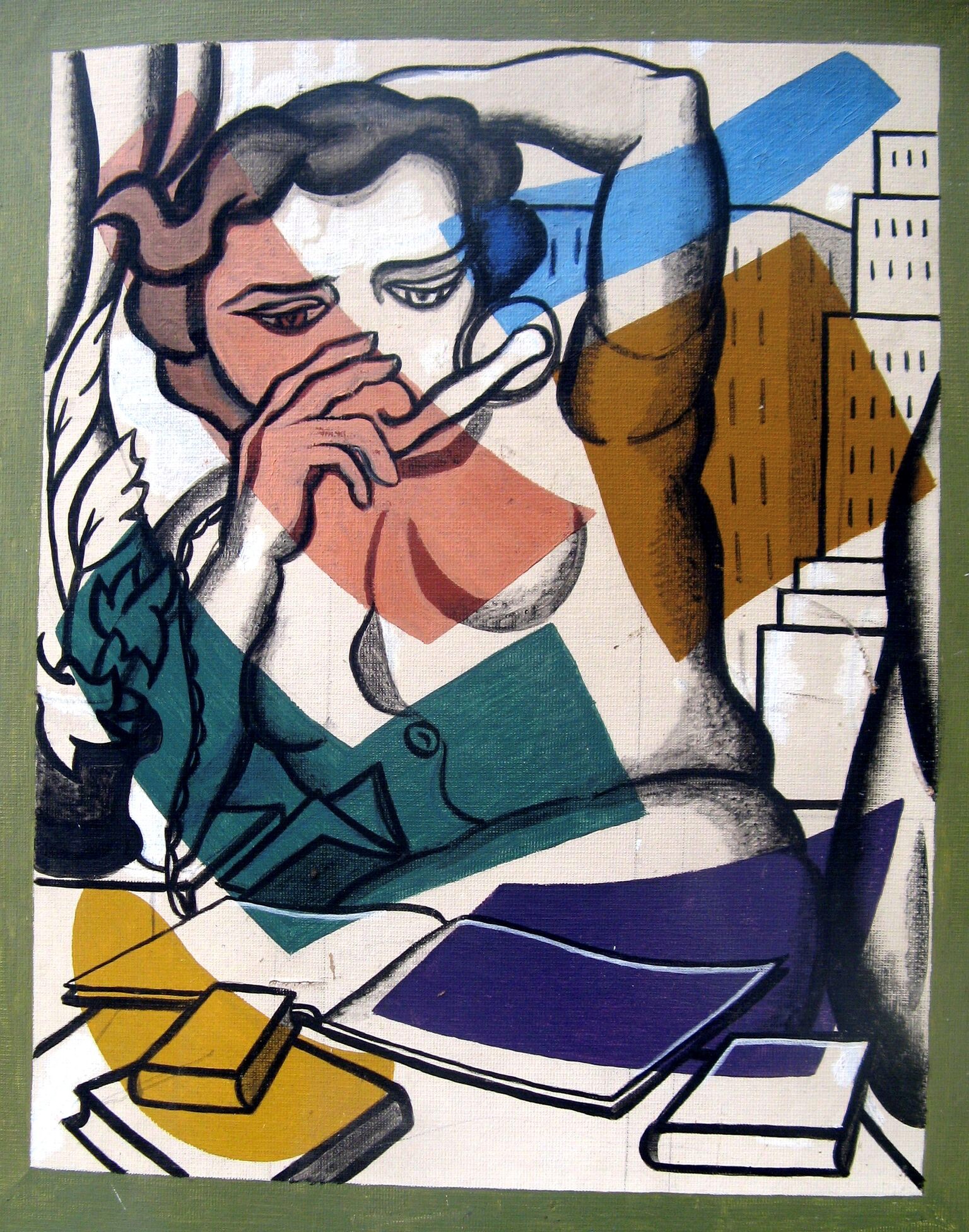
Doris rarely painted portraits. The few that do exist are of people she loved. This portrait is of Ella Hatt, Doris’s sister-in-law, to whom she was very close.
Legacy
Doris continued to work tirelessly until the end of her life. She died in 1969 at the age of 79.
Her brave life and radical beliefs were shaped in a world scarred by war and inequality. Her colour-filled art responded vividly to some of the most progressive art of continental Europe. In the context of British art and life in the early twentieth-century she emerges for us now as a pioneer and an inspiration.
An exhibition of her work ‘A Life in Colour: The Art of Doris Hatt’ took place at The Museum of Somerset from 16 March to 29 June 2018. It shone a light on this surprising little known artist and was met with critical and popular acclaim. It was produced in association with The Court Gallery.
