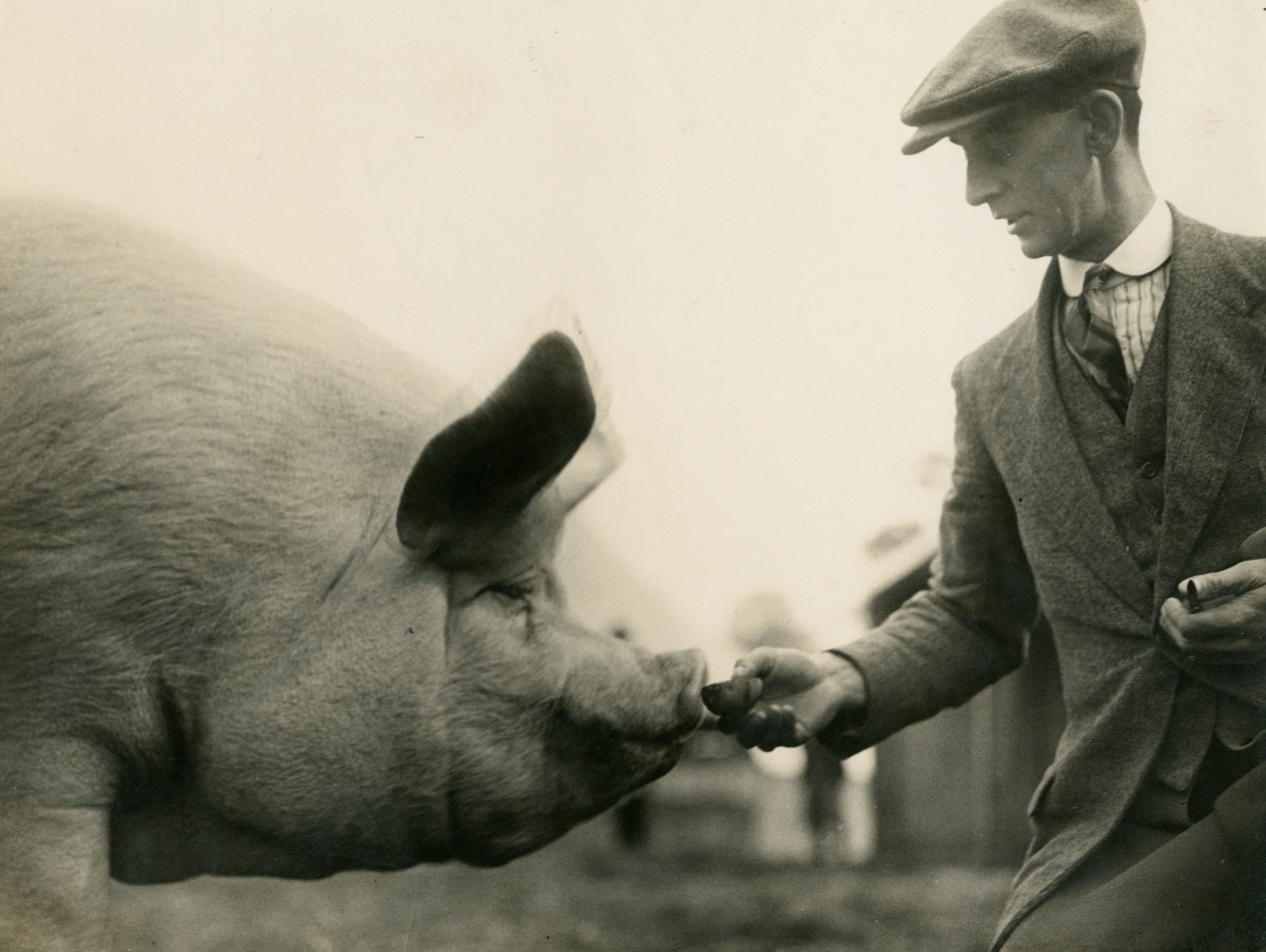
The Royal Bath & West Society
Discover the story behind one of Great Britain’s leading agricultural societies
Contains an image:
Bath Record Office and South West Heritage Trust ©
Since 1777 the Royal Bath and West of England Society has made a major impact on agriculture. From dairy schools to royal shows, the Society has been a champion for rural life in the South West and of innovation in farming.
This digital exhibition is associated with The Bath and West: A Celebration, a photography exhibition previously on display at Somerset Rural Life Museum from 10 July to 4 September 2021.
Early Years
On 8 September 1777 a meeting of ‘public-spirited gentlemen’ was held in Bath to form a society for promoting agriculture, arts, manufactures and commerce. At the same time history was made, because the Bath and West was the first such society in the country.
It quickly thrived, helped by the enthusiasm and hard work of Edmund Rack the Society’s first secretary. The early focus was on ways of improving agriculture and testing new methods. Soon the Society was publishing essays on a wide range of subjects from the best ploughing equipment to the benefits of rhubarb. 18th-century diets were often short of fruit and vegetables and attention was also given to trying to improve the variety of what was grown.

Up to half the Society’s annual income was used for payments known as ‘premiums’, offered to encourage good practice. There was a strong incentive to increase membership to pay for this activity. Surveys were sent out to gather agricultural information from leading farmers across the West of England, and small-scale experiments were conducted on land at Weston, Bath, during the 1780s.
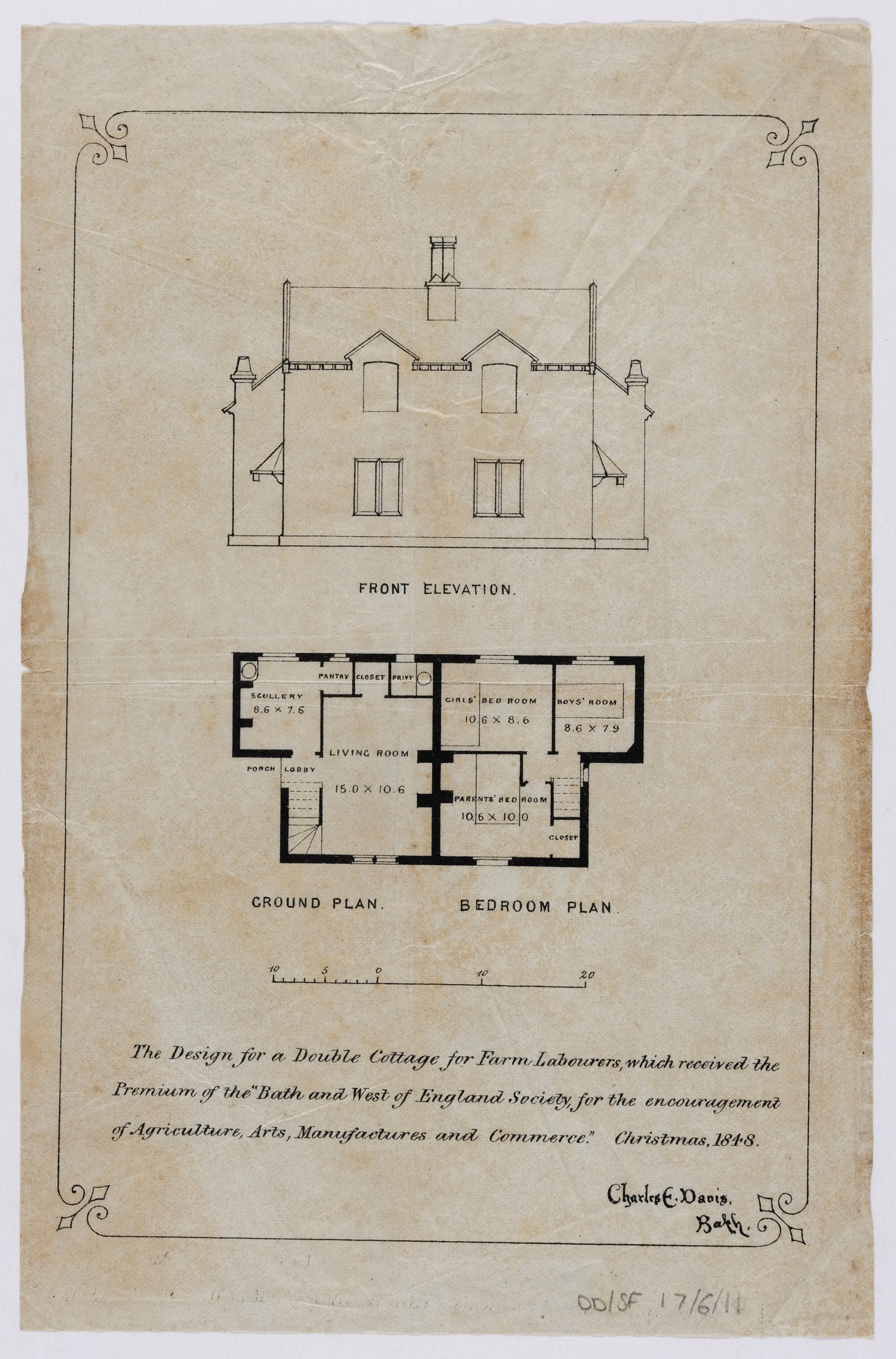
The early Society had a strong social conscience, promoting the need for better housing and equipment for agricultural labourers and offering payments to reward long service. By the start of the 19th century the Bath and West had become a confident organisation that provided real support to rural areas.
Birth of the Show
The 1840s were difficult for the Bath and West because of falling membership and a lack of clear purpose. Enthusiastic leadership and fresh ideas were urgently needed. The new secretary, Henry Maule, brought strong organisational skills, and the West Country landowner Thomas Dyke Acland was full of new initiatives.
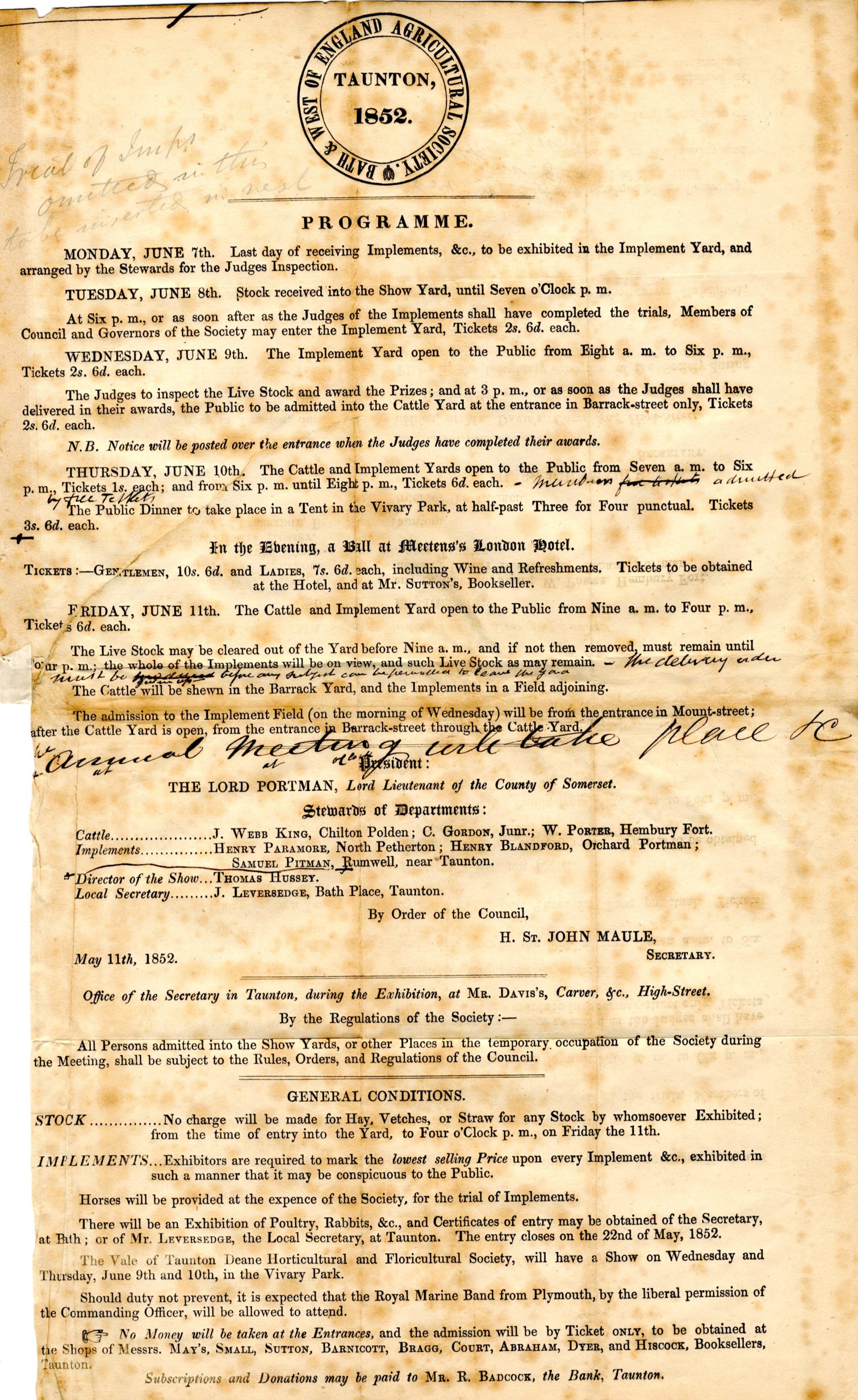
In 1848 the Royal Agricultural Society of England held its show in Exeter, inspiring the Bath and West to establish its own annual event. Manufacturers of agricultural products from all over Britain came to the first show, held in Taunton in 1852. Local farmers could see demonstrations of the latest implements and buy items for their own farms. Over the following years the shows toured the south and west of England attracting crowds ranging from 22,000 to over 100,000 at Bristol in 1874.
In the same years Acland relaunched the Society’s journal, and its contents became increasingly practical. Scientific content was now based on local farming conditions to make the information more relevant.
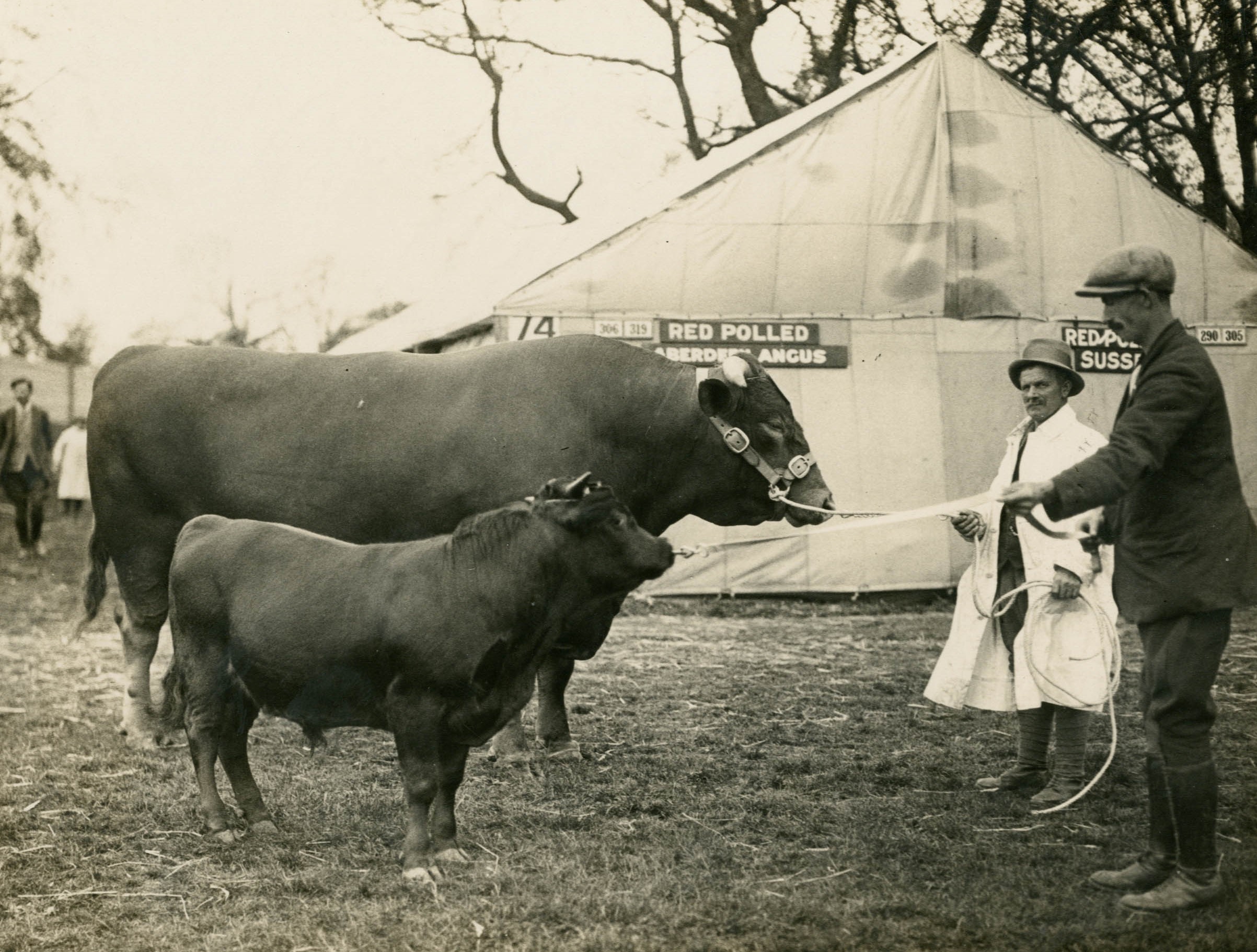
Tensions developed between those who wanted to concentrate on instruction and others who believed more entertainment would bring in the crowds. In the 1860s a battle for horticulture to be included in the show finally succeeded. Displays of flowers became very popular and people flocked to see the colourful spectacle. Art exhibitions were also introduced, bringing paintings, ceramics and furniture displays to rural audiences.

By the late 19th century the Bath and West had reinvented itself and was ready for the challenges ahead.
Dairy Schools for Women
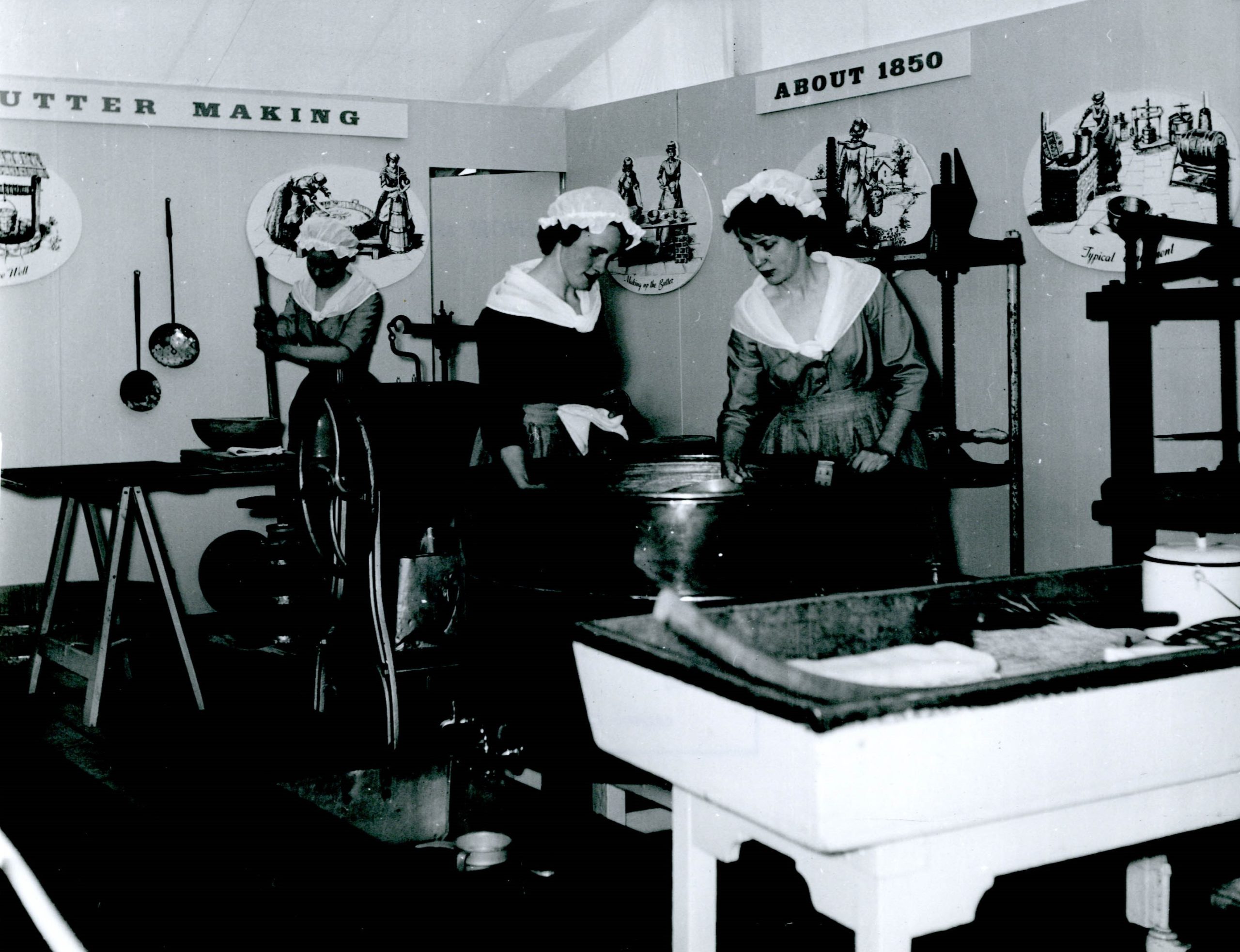
Learning the skills of cheese and butter making was crucial for family farms in 19th-century Somerset, especially for women. As a result the Bath and West set up travelling cheese and butter schools, and in 1881 was the first regional society to introduce a working dairy at their show. The schools became an important part of the Society’s work until the early 20th century.
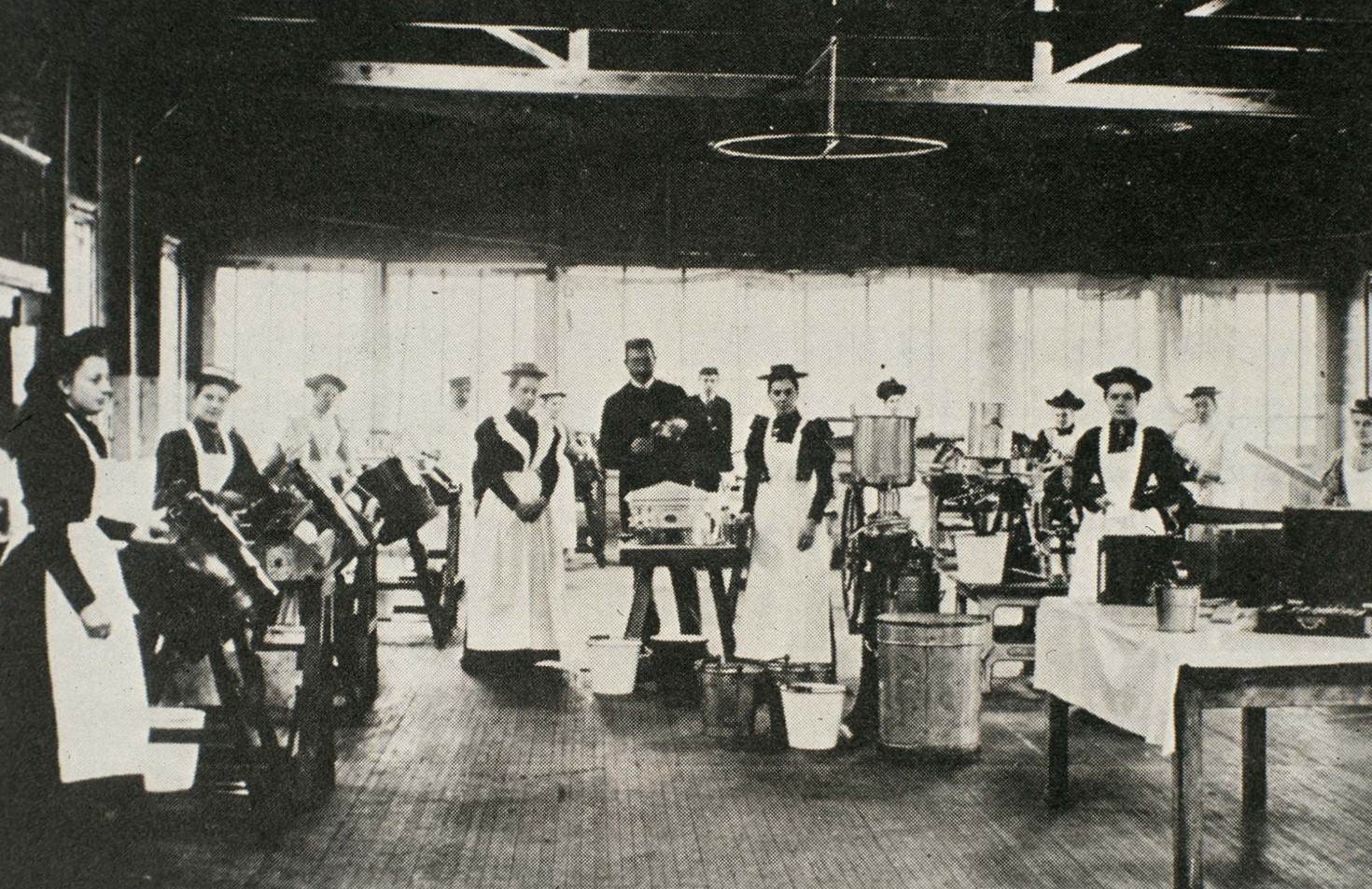
Cheese schools, held on farms, taught students the best local methods, including the famous system for making Cheddar cheese developed by the Cannon family. Butter schools took place in local halls where classes were often watched by crowds of spectators who were also eager to learn.
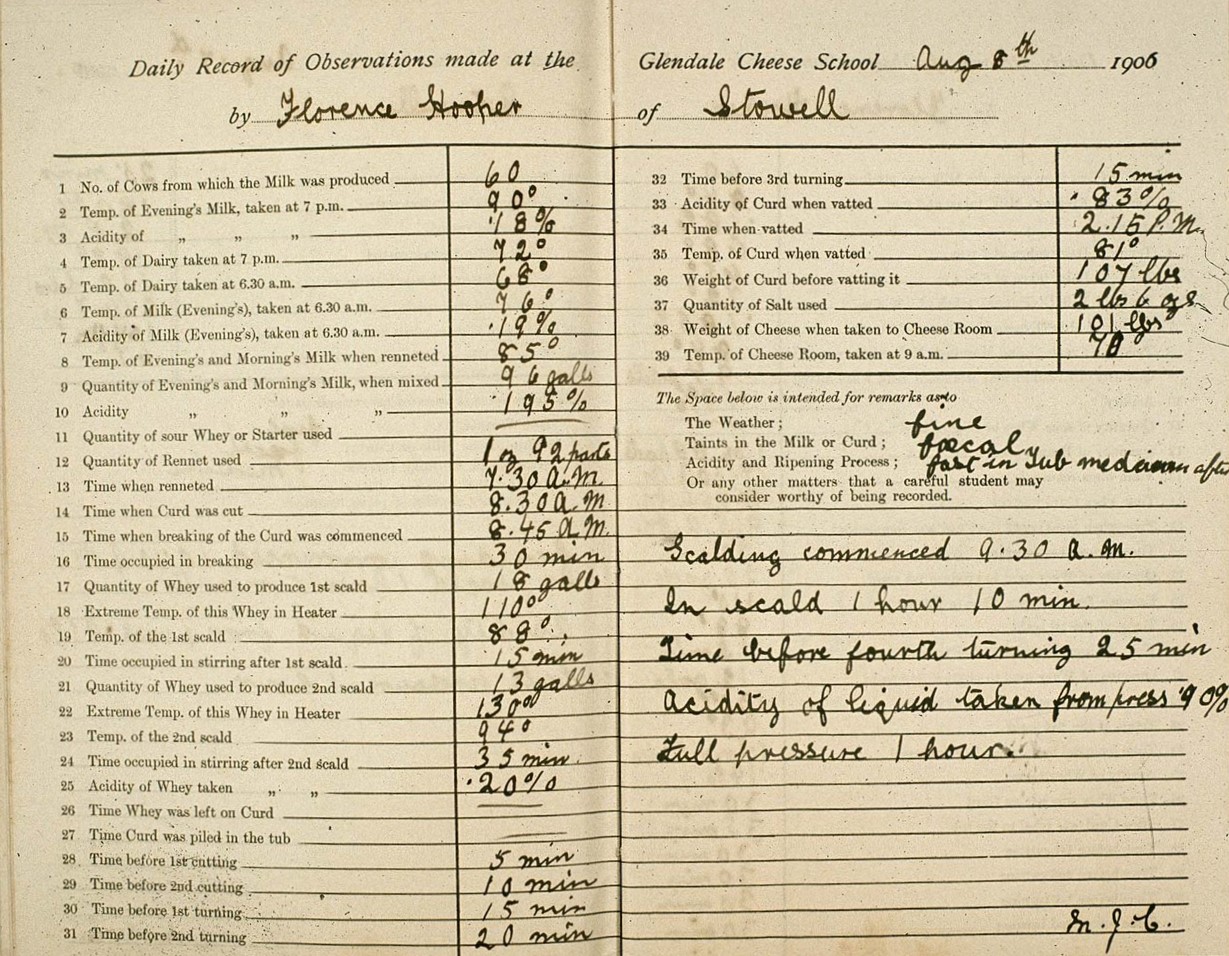
Many instructors were local women from farms noted for prize-winning butter and cheese. They were the first generation of women to hold national dairying qualifications. They would also visit individual farms to give advice and were soon so much in demand that there was a waiting list.
Somerset’s dairy schools were more enthusiastically supported by the farming community than any other form of agricultural education. They gave people valuable skills and also taught them how to make products for specific markets, such as Caerphilly cheese for South Wales. Cheese produced at the schools almost always sold for good prices.
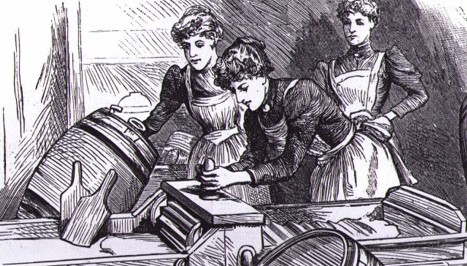
Enthusiasm for the schools was helped by competitions for dairy school pupils at agricultural shows such as the Bath and West. Winners received a prestigious County Certificate which helped them build their reputations. The schools were successful in enabling women to learn, to exchange ideas and to prosper in business.
Settling in Somerset
After the Second World War the Bath and West was threatened by increasing costs and the lack of a permanent showground. Then in 1965 the first show was held at the Society’s newly-acquired home near Shepton Mallet. Attendance that year was 60,000, rising to over 100,000 by the mid-1970s.
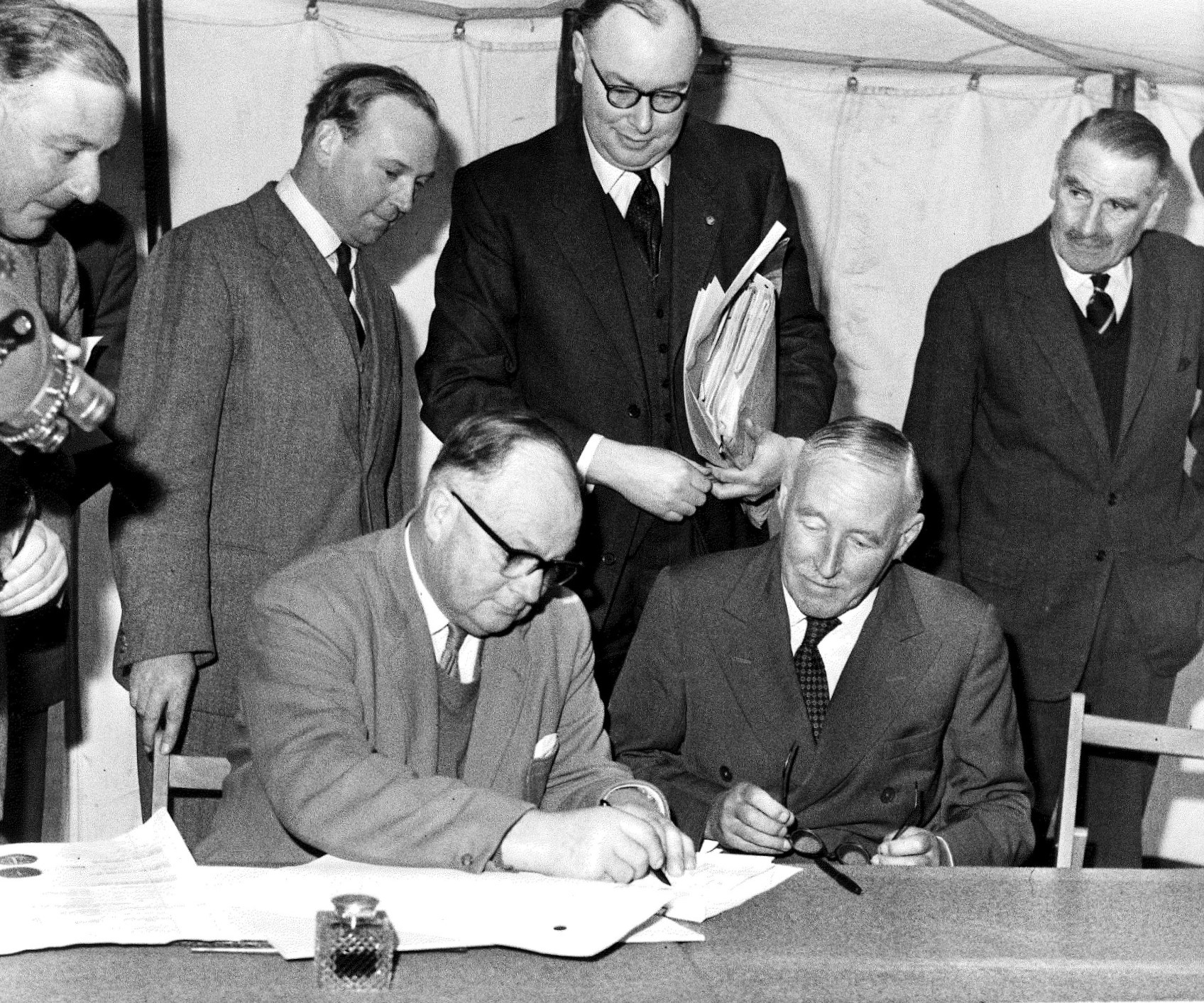
Improvements to the ground meant that during the following decades the Society was able to host a wide range of new facilities, including the British food fair, and events including show jumping and steam fairs.
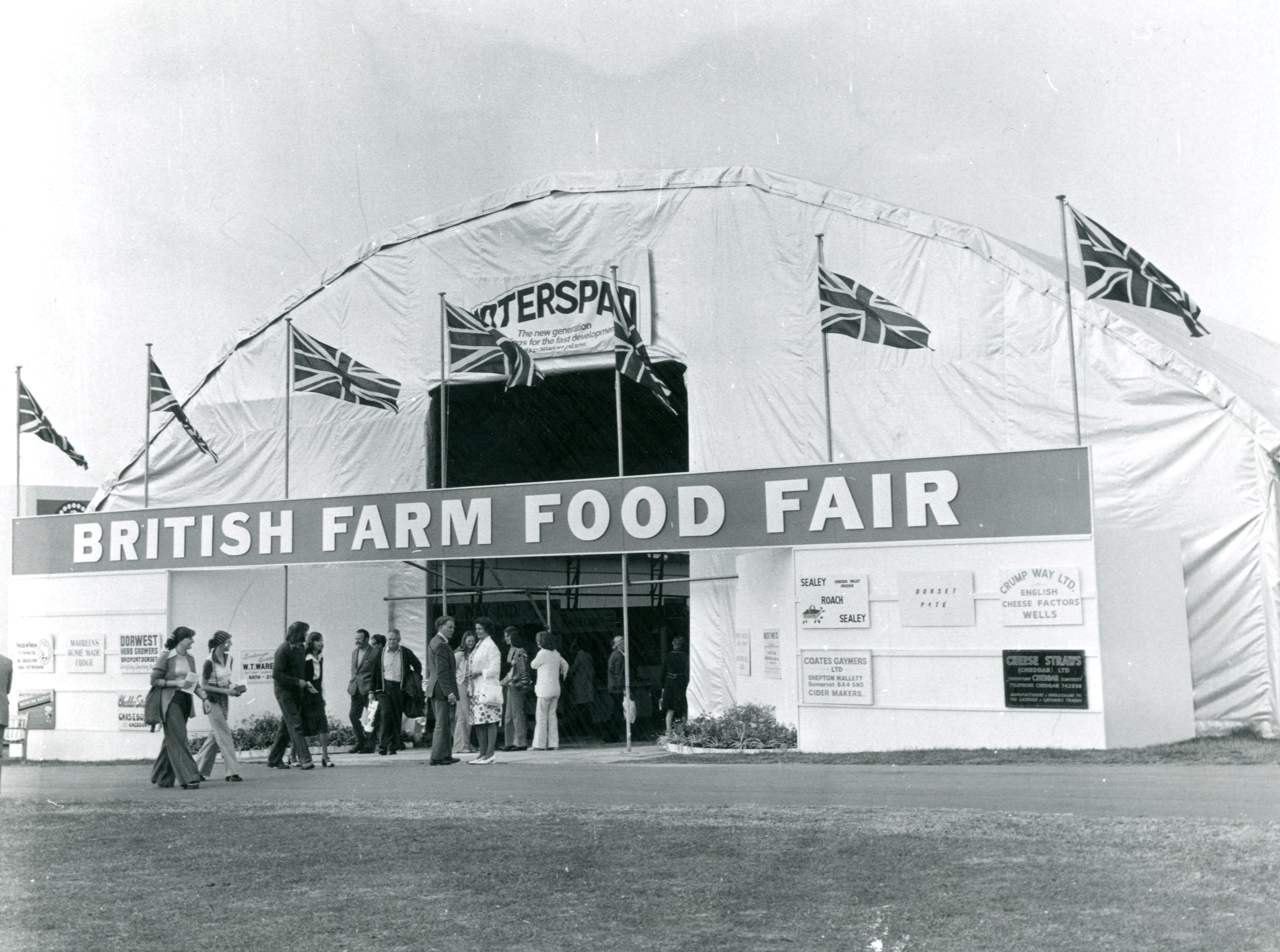
As more people moved from the countryside to the towns and cities, the Bath and West took on an increasing role in bridging the gap between urban and rural life. Shows widened their focus to include trade and entertainment. But the Society remained true to its agricultural roots, with livestock parades and rural attractions still dominating the main ring.
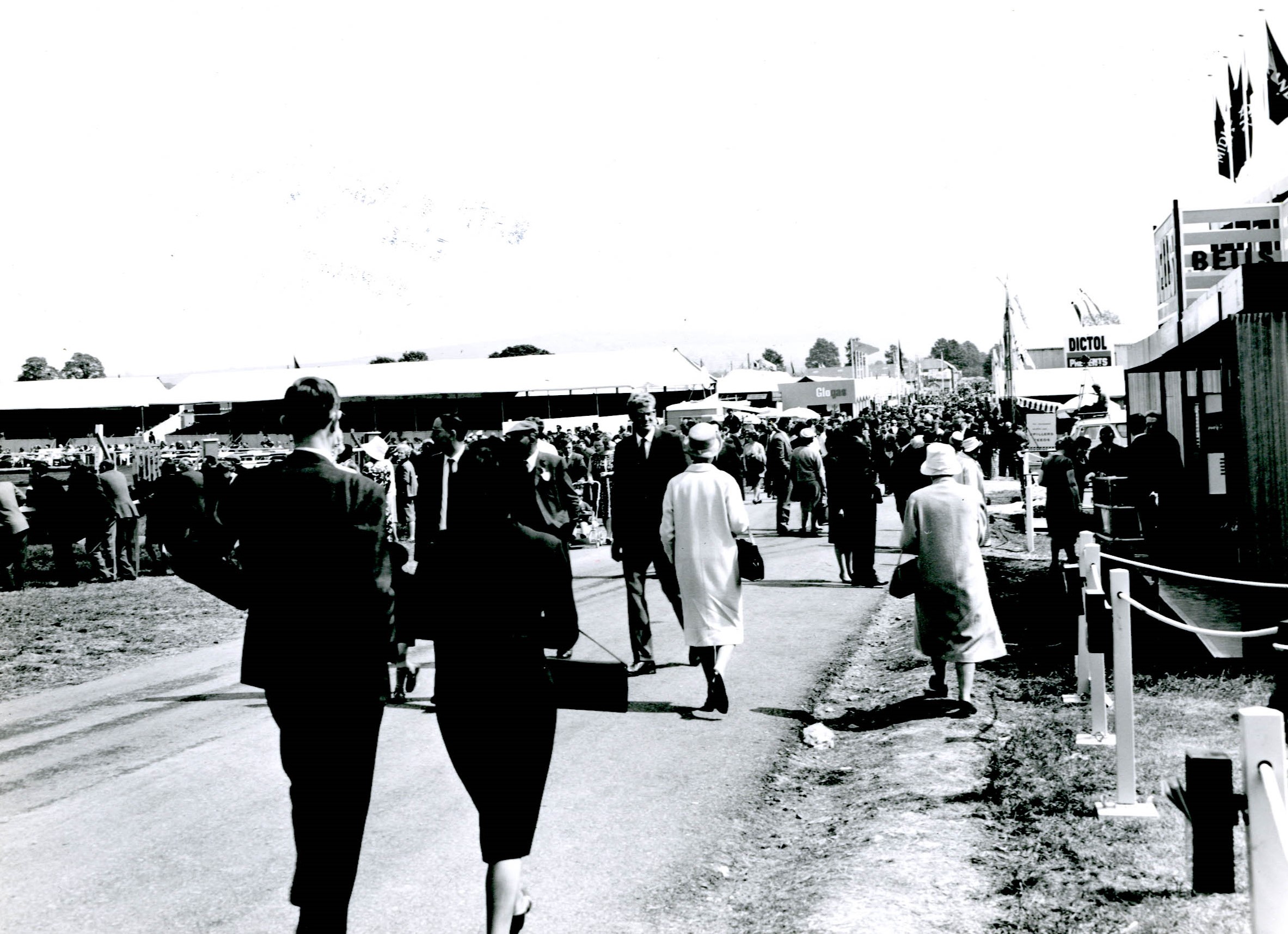
By the later 20th century the Bath and West had gained a reputation as one of the most thriving agricultural societies in Great Britain. In 1977, its bicentenary year, it was granted the title of the ‘Royal Bath and West Society’ by the late Queen Elizabeth II, patron of the Society throughout her reign.
Recent Challenges
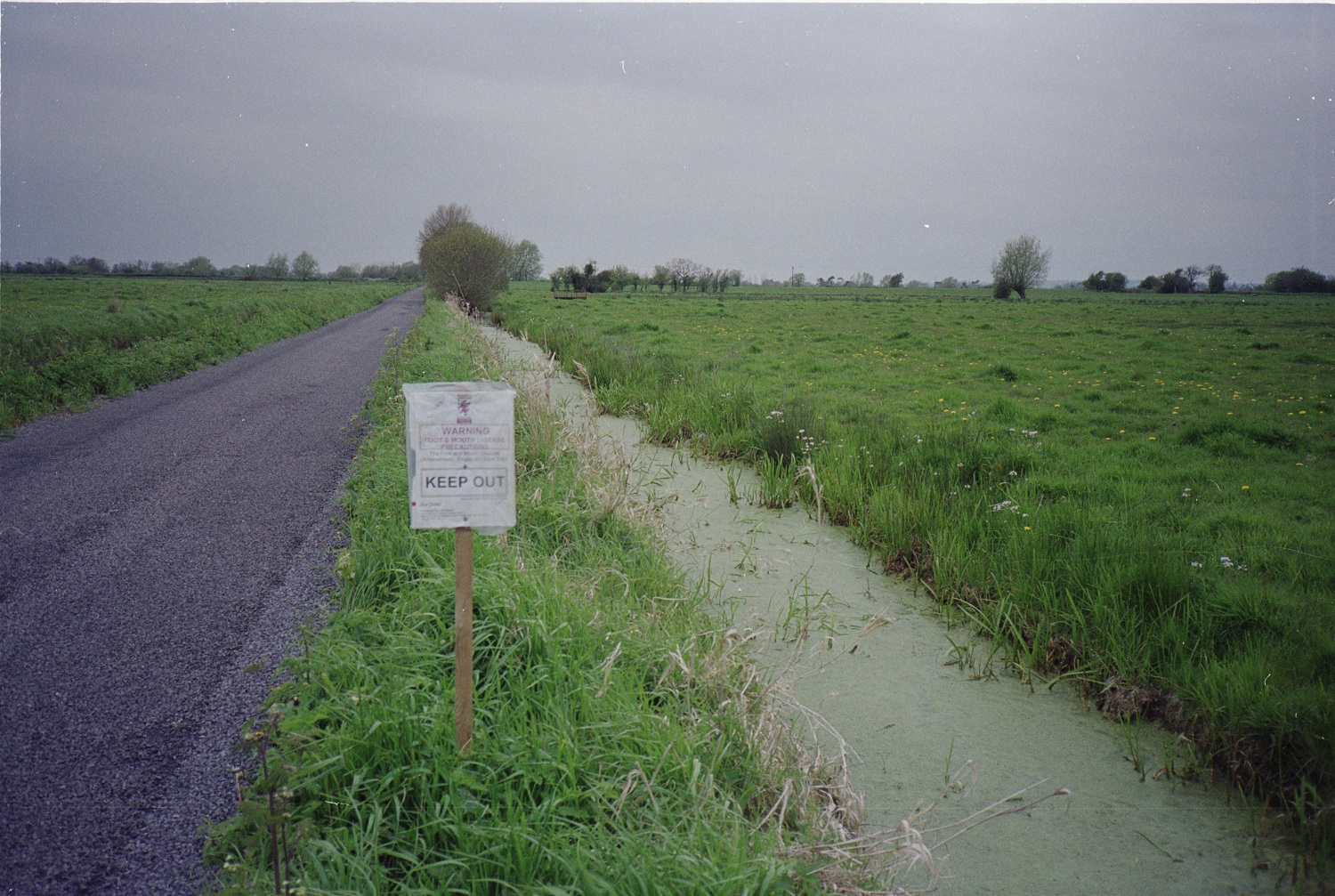
The Bath and West has continued to develop during the new millennium, but has also faced major challenges. During the outbreak of foot and mouth disease in 2001 the Society was forced to close its activities in order to reduce the spread of infection. The show was cancelled and much income was lost.
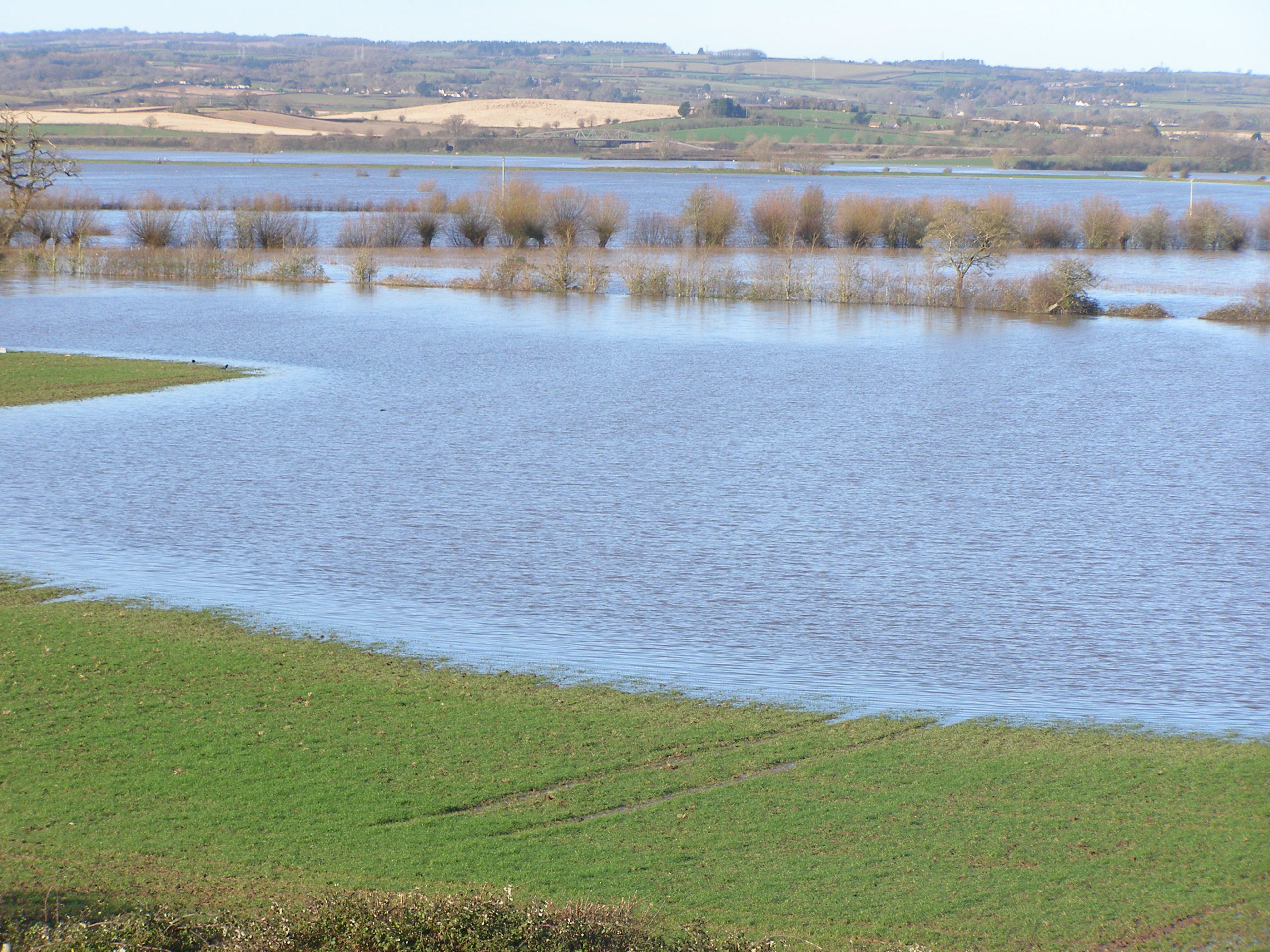
In 2013 and 2014 flooding in the Somerset Levels left over 17,000 acres of agricultural land under water. The Bath and West responded by setting up the Somerset Farmers’ Fund which was designed to provide support when the water subsided. Since then the Society has also contributed to improved flood management through the Hills to Levels project.
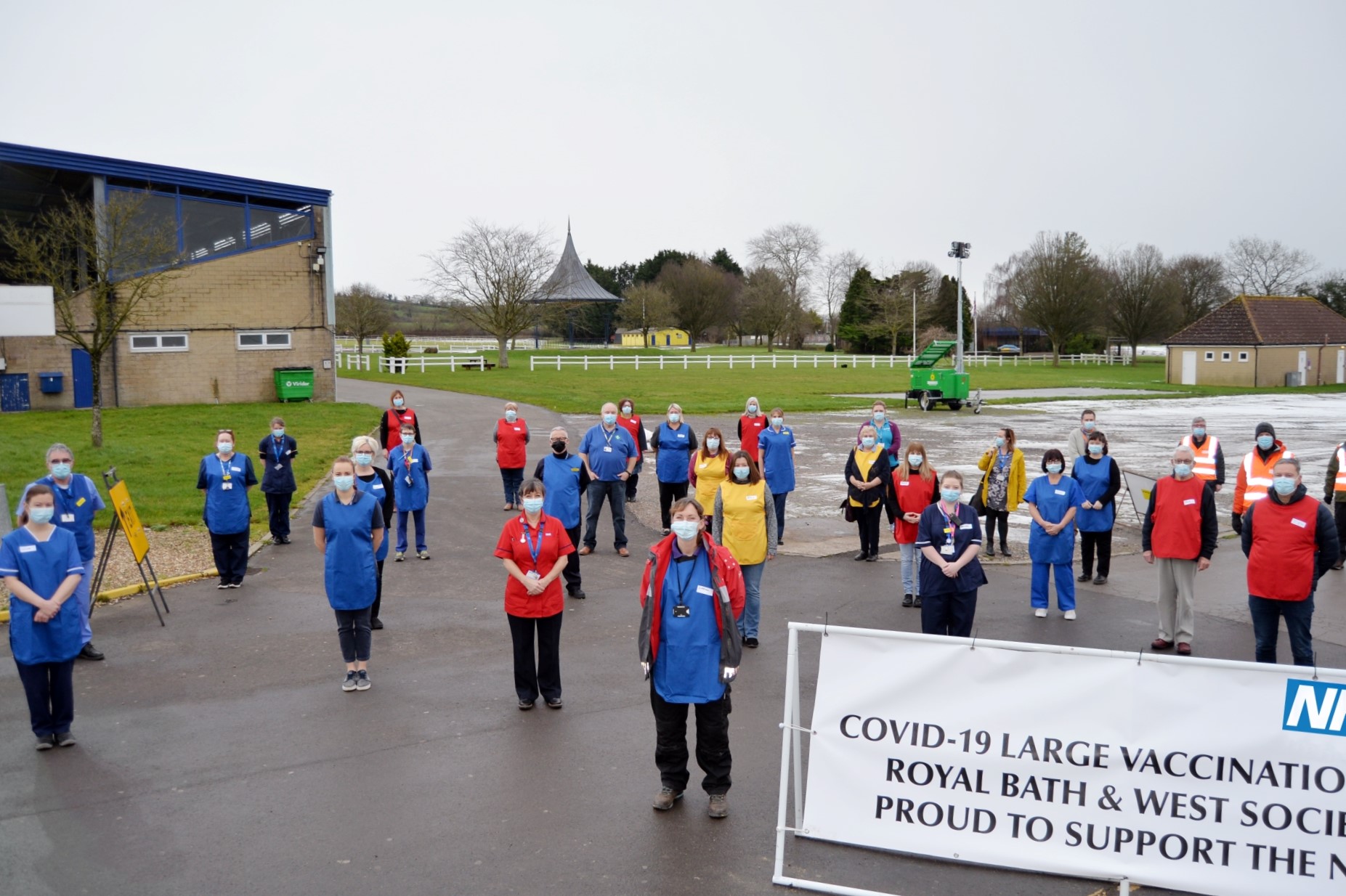
Resilience and flexibility has again been crucial during Covid-19. Though the Society had to cancel events, including the annual show, it contributed to the pandemic response by making the Shepton Mallet showground available as the region’s second largest vaccination centre. It reopened in that new and unfamiliar role in January 2021.
The Bath and West has constantly adapted to a changing world during a history that now reaches back almost 250 years. And it continues to find ways to celebrate the rural South West. As the nation begins to emerge from Covid-19, the Society is welcoming visitors to the showground once more for a three-day Bath and West Country Festival.