
Self-Sufficiency
Bourne valued her independence above all else. In 1970 at the age of 51, she moved into a remote caravan at Ferny Ball, reachable only by a rough track nearly a mile long. There was no electricity, mains water or sewerage, and for many years no phone. If she needed supplies, she had to walk to Withypool Post Office, a round trip of seven miles.
Bourne said she moved there because it was all she could afford. Nevertheless, over the next 24 years, the place gave her the conditions she needed for her writing and art. She described the caravan as a “nutshell of life”, crammed with books, papers and practical equipment, a few ornaments, and her treasured radio: “all and each a part of my life, vital to body or soul”.
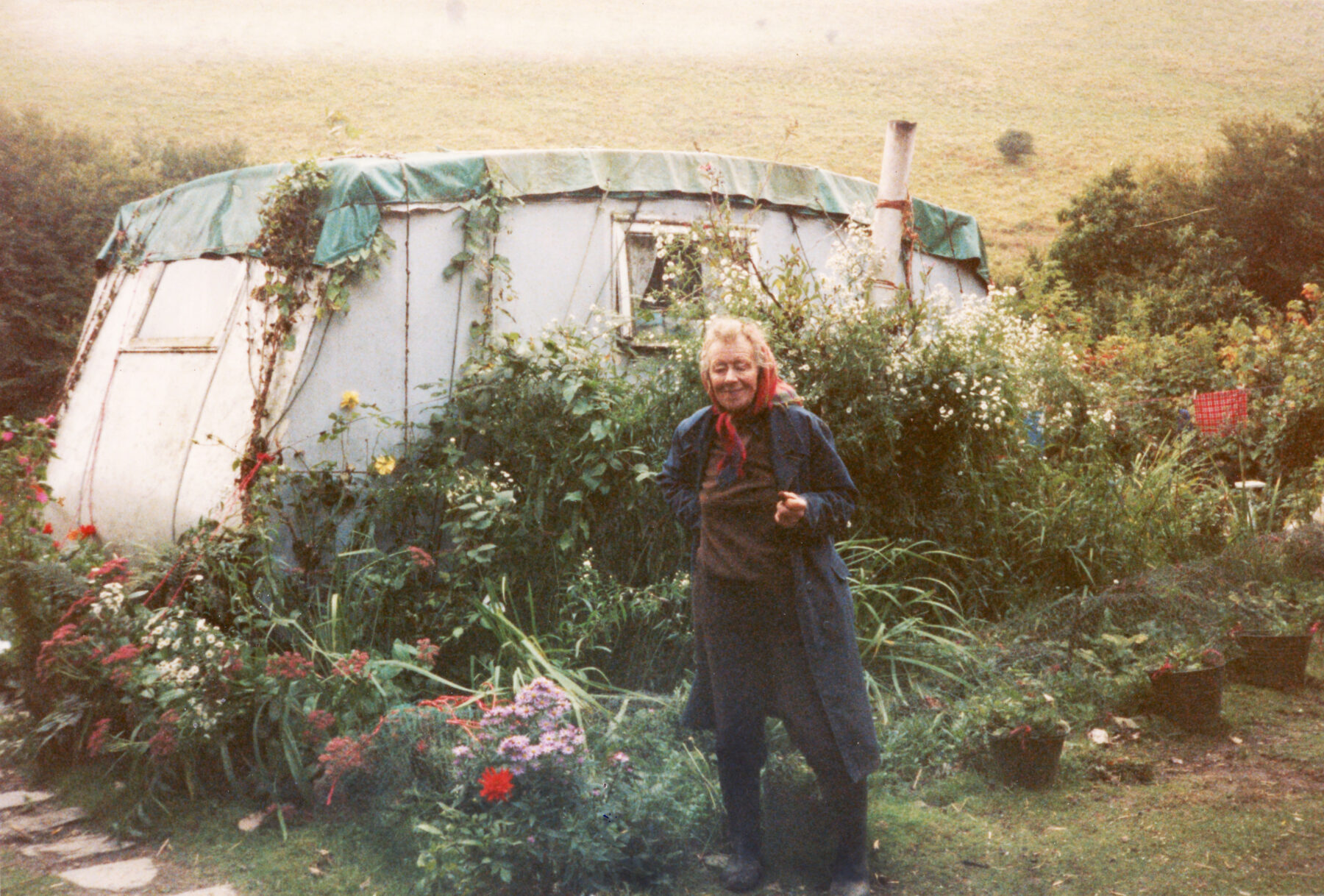
Although she lived in remote places, Bourne was intensely sociable and certainly no hermit. She thought nothing of walking 20 miles to call on friends, often enjoying a meal and a bath when she arrived. During her time on Exmoor, she met and corresponded with hundreds of people who had read her books or seen her on the television.
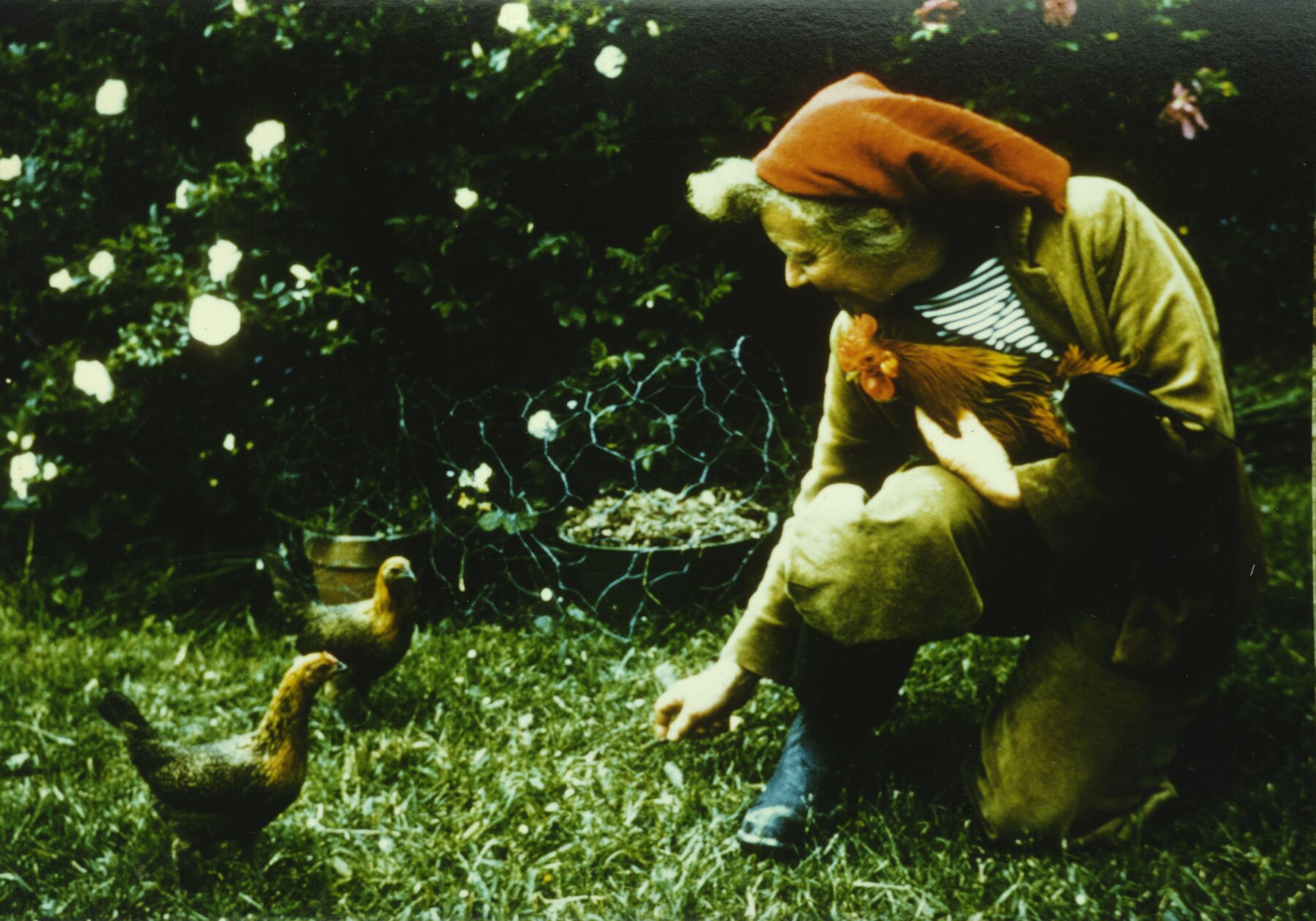
Bourne considered her pet bantams “as near human as anything with feathers on it can be”. She valued their intelligence and company as much as the eggs the hens provided and kept cockerels because “they are so pretty to look at”. She named them all and kept records of their personalities, features, and family tree.
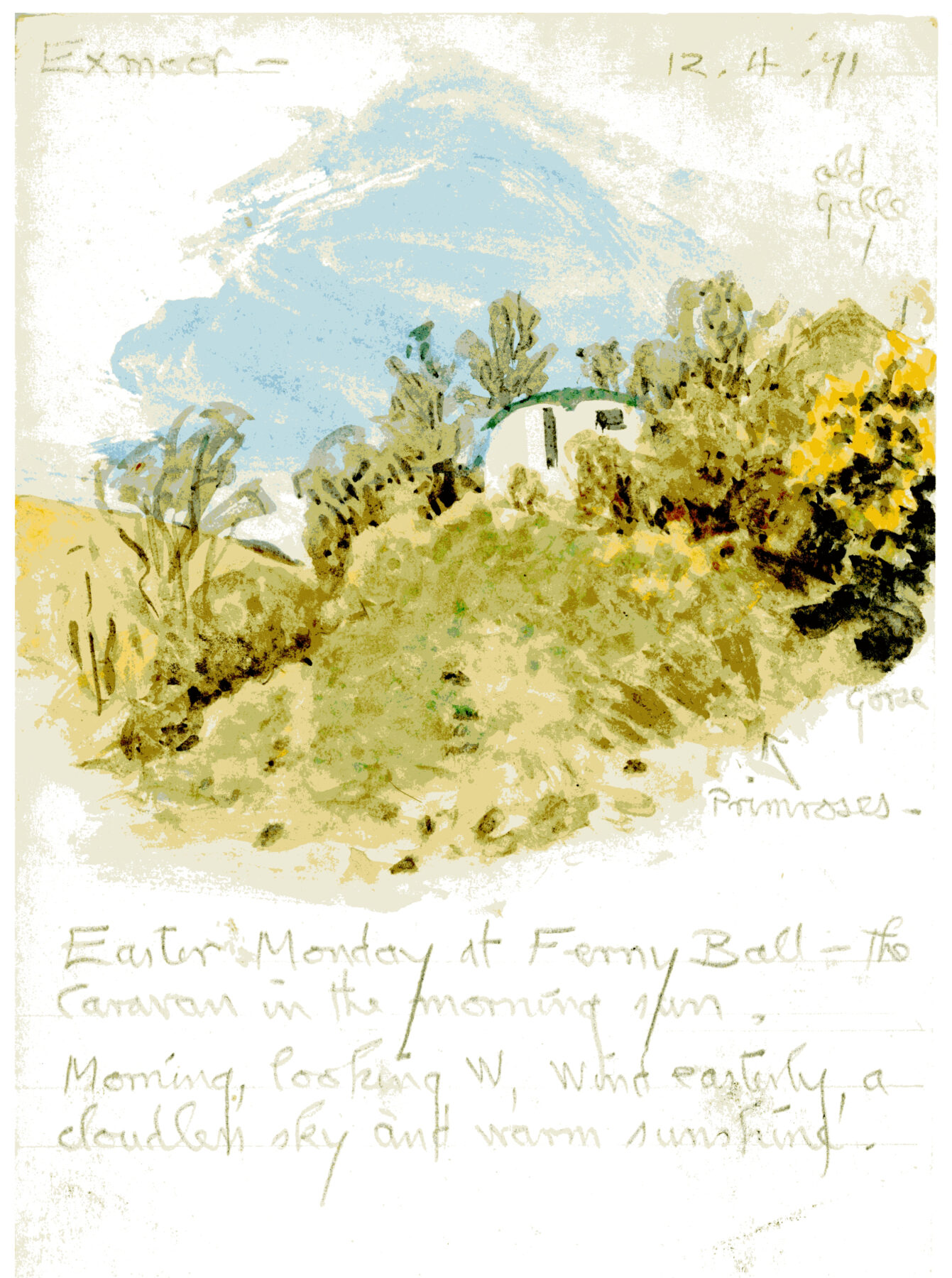
© The Exmoor Society.
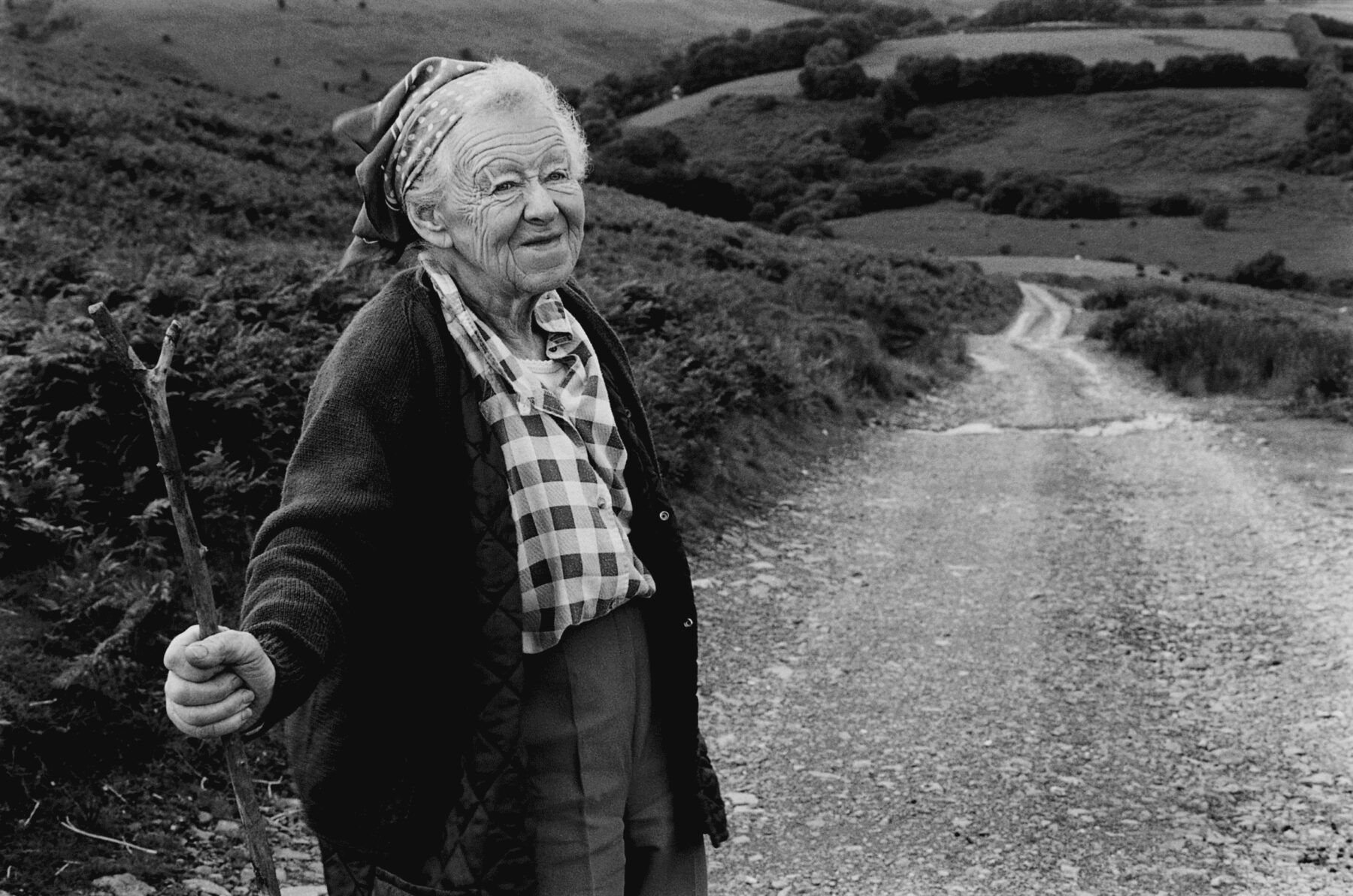
© Mark J Rattenbury.
Gallery