
Discoverers, Pioneers and Inventors
6 Ground-breaking Discoveries and Inventions featured in the Exhibition
This summer science gets the spotlight at The Museum of Somerset’s new exhibition: Wow! Amazing Science in Children’s Books
Science is brought to life through the incredible art of children’s book illustrations helping us to explore the wonders of the world around us.
Discover how pioneering scientists including Galileo, Leonardo da Vinci, Ada Lovelace, and Wangari Maathai, have made ground-breaking contributions that revolutionized our understanding of the world.
Here’s a look at 6 ground-breaking scientific discoveries seen in the Exhibition:
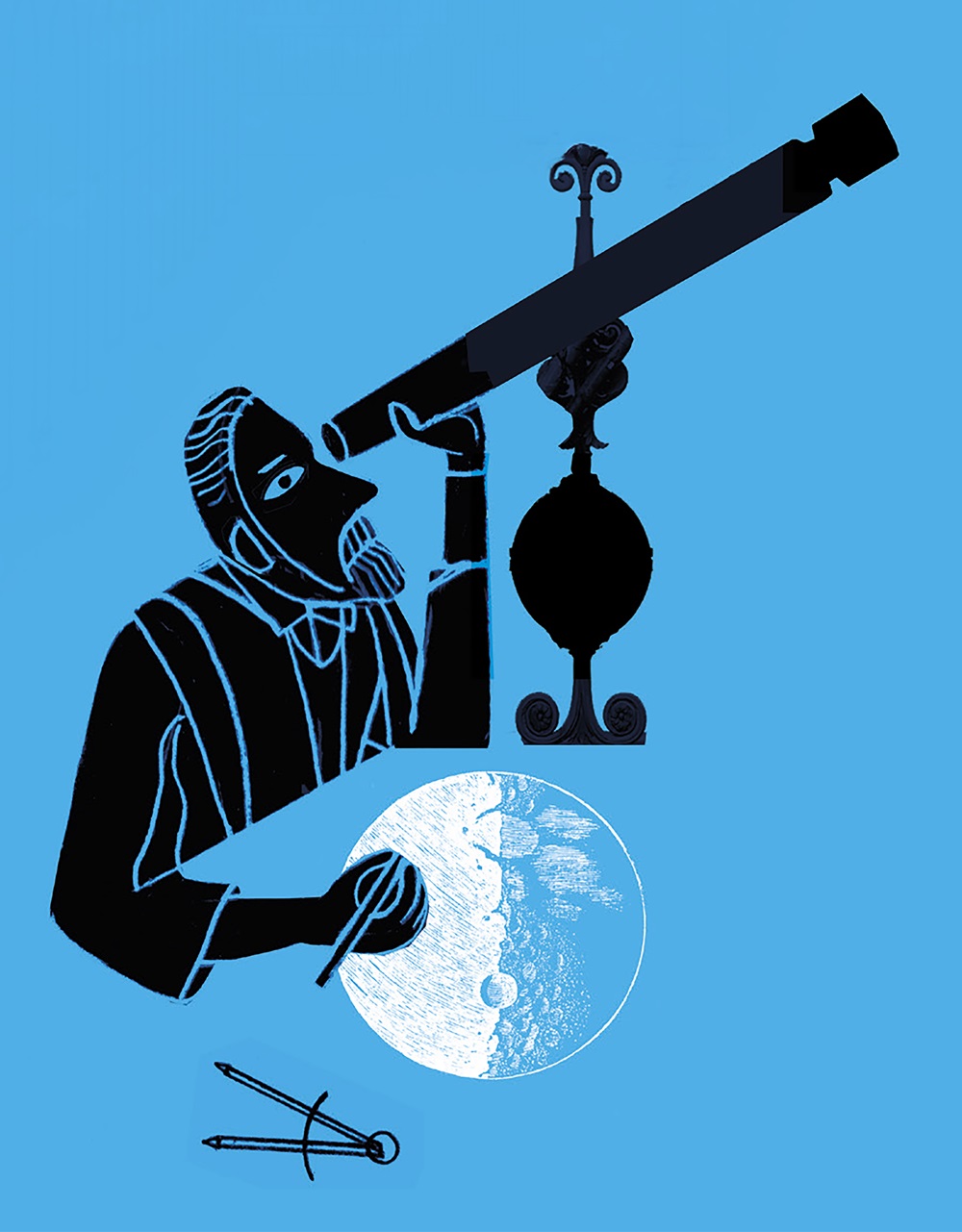
Name: Galileo di Vincenzo Bonaiuti
Discovery: Galileo was an astronomer, physicist, engineer and polymath. He was the first person to point a telescope at the night sky. Though Galileo did not invent the telescope he experimented with telescope-making, design and lenses. He made, ground and polished his own telescope lenses, and his telescope was significantly enhanced. Through his telescope he saw not only mountains and craters on Earth’s Moon, but also that Jupiter had its own orbiting moons, and that Venus had changing crescent phases. These ground-breaking discoveries contradicted the deep-seated belief that all celestial bodies revolved around the Earth.

Name: Wangarĩ Maathai
Discovery: Wangari Maathai was an environmentalist, activist, and visionary. She was the first woman in East and Central Africa to earn a doctorate and the first African woman awarded the Nobel Peace Prize. Maathai identified a critical link between environmental degradation and poverty. She recognised that deforestation was tied to issues like water scarcity, food insecurity, and the loss of wildlife habitats. She founded the Green Belt Movement to empower women to plant trees. Tens of millions of trees were planted across Africa. Due to The Movement women and girls have been empowered and gained skills to take part in environmental conservation and community development. Through Maathai’s Green Belt Movement she demonstrated how deforestation can be combatted, ecosystems restored and livelihoods improved.
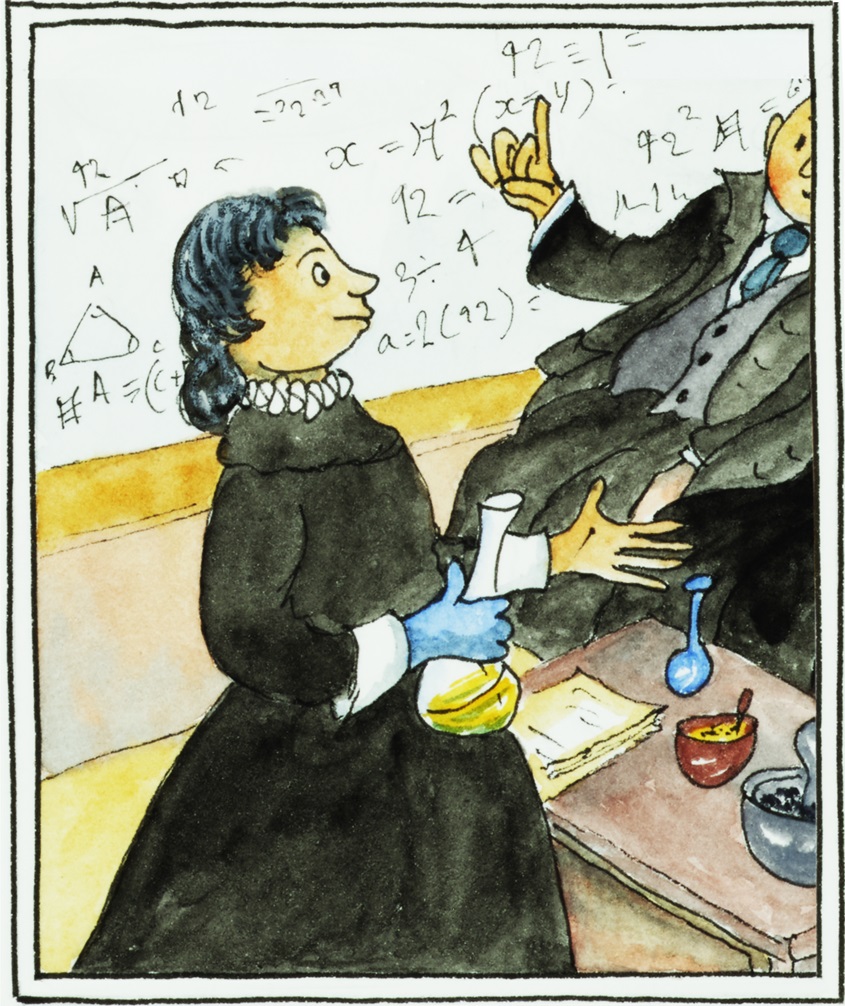
Name: Marie Curie
Discovery: Marie Curie was a pioneering physicist and chemist who changed the way we understand science and medicine. She discovered two new elements—polonium and radium—and led groundbreaking research into radioactivity, a term she herself coined. Curie was the first woman to win a Nobel Prize and remains the only person ever to receive Nobel Prizes in both Physics and Chemistry. During the First World War, Curie used her discoveries to create portable X-ray machines, known as “Little Curies,” which allowed doctors to treat wounded soldiers more effectively on the battlefield. Her work not only revolutionised physics and chemistry but also laid the foundation for life-saving treatments in modern medicine.
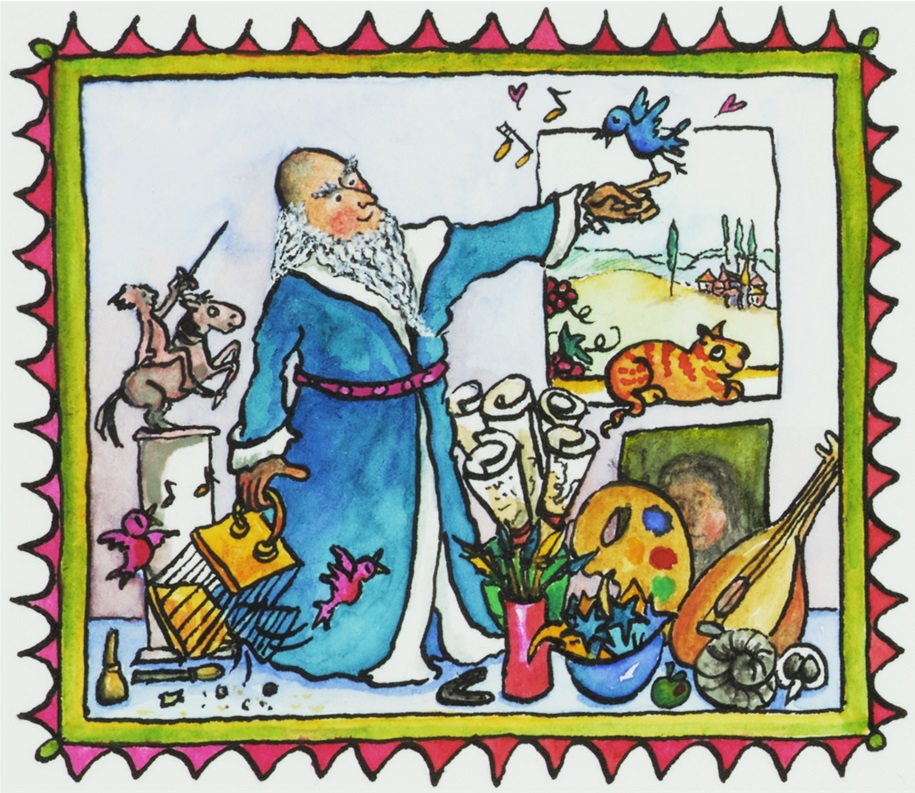
Name: Leonardo da Vinci
Invention: Leonardo da Vinci was a brilliant artist, scientist, and inventor whose ideas were far ahead of his time. While he is best known for painting the Mona Lisa and The Last Supper, he invented and designed flying machines, although they were never built, and he used the study of bird anatomy to understand the mechanics of flight. One of da Vinci’s most groundbreaking inventions was the ornithopter, a flying machine designed to be powered by a person. He also intenvted an ‘aerial screw,’ a design similar to a modern helicopter rotor. Although his inventions were never built, Da Vinci’s detailed drawings and understanding of aerodynamics inspired the future of aviation.
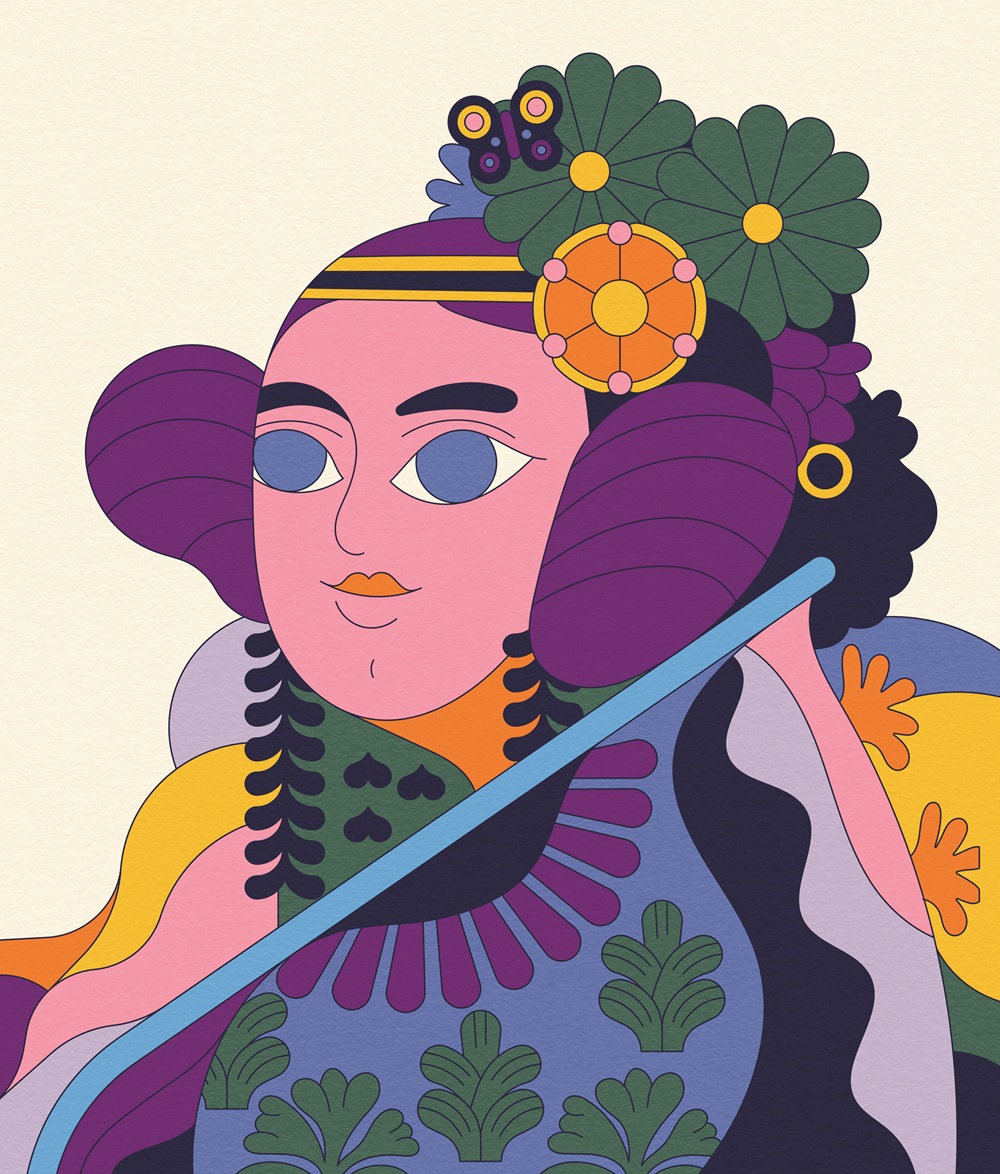
Name: Ada Lovelace
Invention: Ada Lovelace was a visionary mathematician, a pioneer of computer science and writer. She is known for her work on Charles Babbage’s Analytical Engine, and for writing the first computer program – over 100 years before computers were built. Dazzled by Lovelace’s brian, her mentor, Charles Babbage, called her the ‘Enchantress of Numbers’, and her father, Lord Byron (the poet), called her ‘Princess of Parallelograms’. Lovelace would even use her mathematical skills trying to predict the winner of the horse races. Lovelace recognised that computers had potential to create music and art, not just for solving mathematical calculations – an idea far ahead of her time. Lovelace’s legacy continues to inspire generations of women and girls to pursue careers in technology and science and explore science, technology, engineering, and maths (STEM).
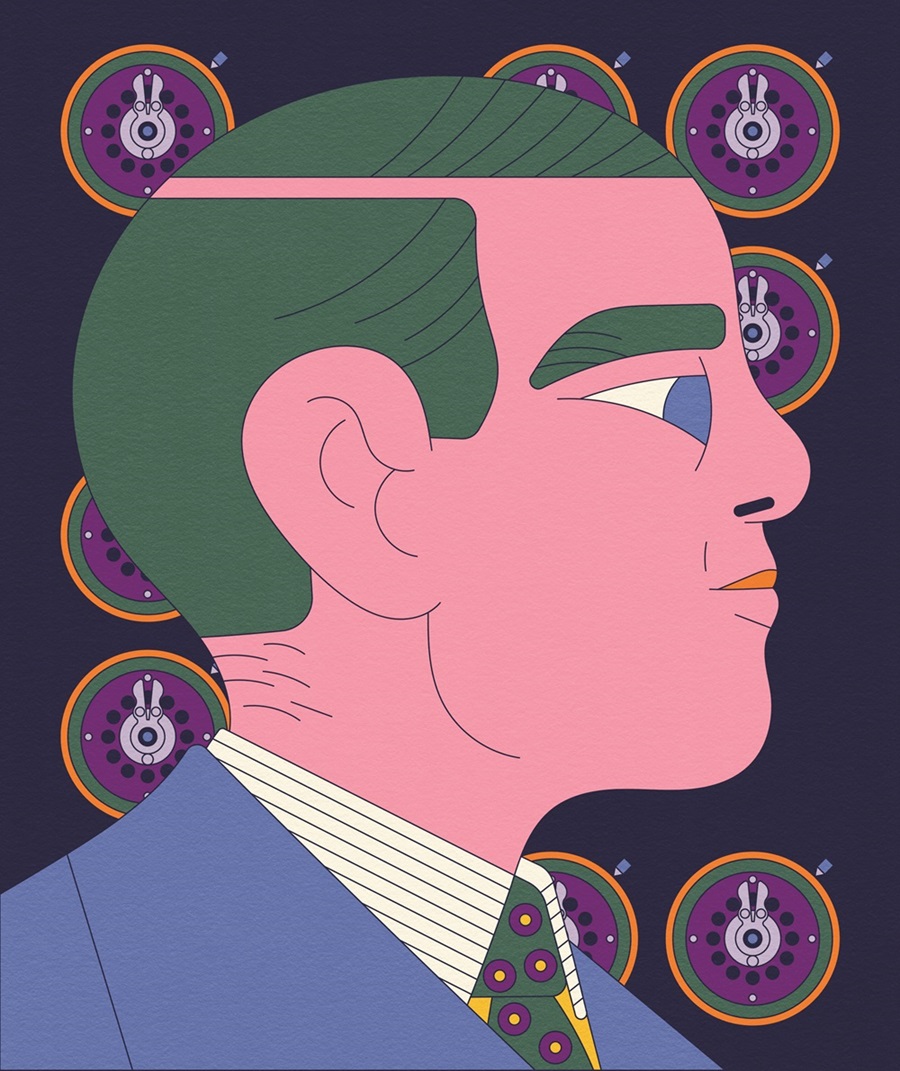
Name: Alan Mathison Turing
Inventions: Alan Turing was a mathematician, computer scientist, cryptographer and codebreaker. He helped crack the German Enigma code during the Second World War and laid the foundations for modern computing. Turing’s design for the Turing Machine, a mathematical concept, became the blueprint for all computers. His later design for a physical, electronic computer, the Automatic Computing Engine, was one of the first of its kind. Turing is also widely considered a leading figure in artificial intelligence (AI), he asked if machines could think. His ideas shaped the digital world we now live in, and his legacy lives on in today’s technology.
These pioneers remind us that science isn’t just about the facts; it’s about dreams, asking questions, and a sense of wonder.
Visit the Exhibition
This summer discover brilliant inventors, peek inside the human body, and blast off into space through the exhibition Wow! Amazing Science in Children’s Books. Each week, join exciting activities like slime-making, bug encounters, robot dogs, and wacky science shows that will have curious minds laughing, learning, and asking ‘why?’ all day long.