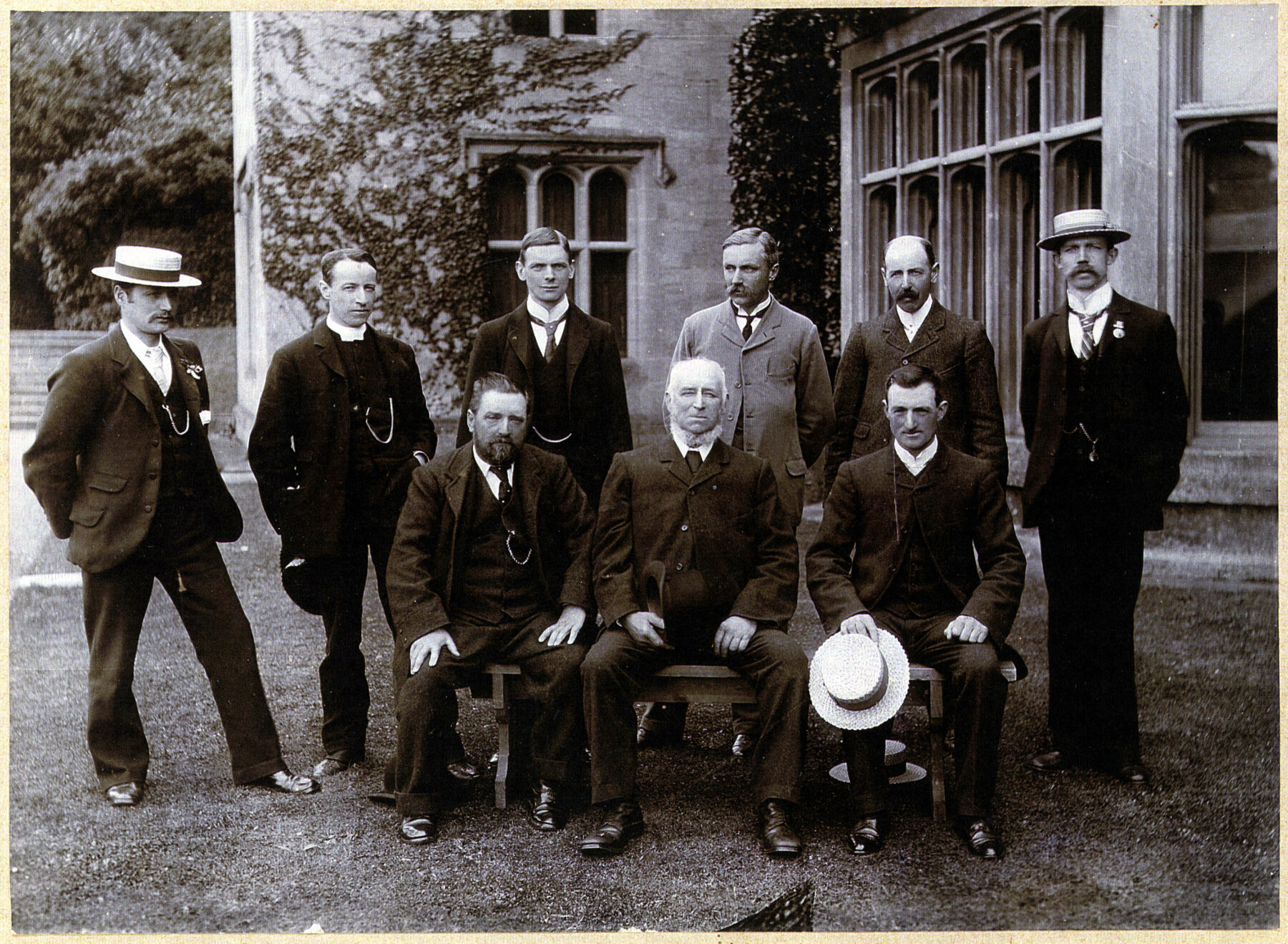
Discover the historic occupations of men in a Quantocks Hills village in this blog researched and written by Unlocking the Archives project volunteer Gill Young.
Occupations of Men in the West Quantoxhead area in the late nineteenth century
While I was researching the records of schooling on the Quantocks, I looked at the West Quantoxhead School Admission Book (C/E/4 226/3) for the years 1871 -1900. During that period 414 children were recorded as attending this Church of England school, with a very wide age range of 15 to 2 years old on admission. What caught my attention was the detailed record of parent’s occupation, that is father’s occupation. There is no record for the children’s mothers’ work.
The list of fathers’ occupations in this northwest area of the Quantocks provides a small window into the socio-economic life of the area in the late Victorian period. I have loosely grouped the occupations into three categories: agricultural; trades and crafts; and urban. It is difficult to imagine how the village was at this time: road alterations had already resulted in estate workers cottages being relocated further up the hill; and a school was built on the edge of the estate in 1857.
Agriculture and estate work was by far the largest employer, with labourer being the commonest occupation. Game keeper was the next largest group. In addition, there were a small number of entries for bailiff, shepherd, woodman, gardener, coachman and groom. The trades and crafts category forms a much smaller section in the Admission Book, with mainly a single entry for each occupation including, carpenter, blacksmith, mason, builder’s foreman, baker, tailor, and butcher. Although the document provides no direct evidence of where these men were working it is likely that much of it was on or associated with the large estates/farms, as they were the largest local employers. There was one entry of butler, again probably at the large estate house.
By far the smallest category is what I have called ‘urban’, again these are mainly single entries including: shop keeper, carrier and clerk. This category overlaps with the trades and crafts category as some may have had a shop, mill or workshop in the village or nearby.
Another line of enquiry opens up with this Admissions Book, which records most of the village children at this time as elementary education had become compulsory. Many of the boys may have either enlisted or been conscripted to serve in the First World War. Correlating the names on the local war memorials with their school records would provide an insight into the impact of the conflict on this area of the Quantocks.
Information taken from C/E/4/226/3