
The Devon Heritage Centre has recently hosted a student intern from Exeter University, Megan Barber, who has been working on an archive project called Understanding Dunkeswell Abbey Church. Here she describes how the efforts of the Dunkeswell Abbey Preservation Trust have helped stabilise the remaining ruins on the Dunkeswell Abbey Church site.
The Dunkeswell Abbey Preservation Trust
The Dunkeswell Abbey Preservation Trust was formed on 18 March 1959. The Trust declaration tells us that the land on which the remains of the Abbey gatehouse stood was gifted to the Trust, alongside a payment of £60. They later also purchased Abbey Cottage.
The Aims of the Trust
The initial objectives of the Trust were as follows:
– To acquire the whole or part of the site.
– To excavate, restore, repair and preserve the remains.
– Provide the public with access.
When the Trust came into possession of Holy Trinity Church, a separate trust was established called Dunkeswell Abbey Church Trust. Both the trusts became dedicated to maintaining the fabric of the buildings and highlighting their relevance within the local community.
The Success of the Trust
In recent years, the trust has partnered with several organisations to increase public engagement with the site as well as funding for preservation. In 2016, Historic England helped the trustees stabilise the largest remaining pieces of masonry on the site. Today the site is listed as a scheduled Ancient monument which is on Historic England’s Heritage ‘At Risk’ Register.
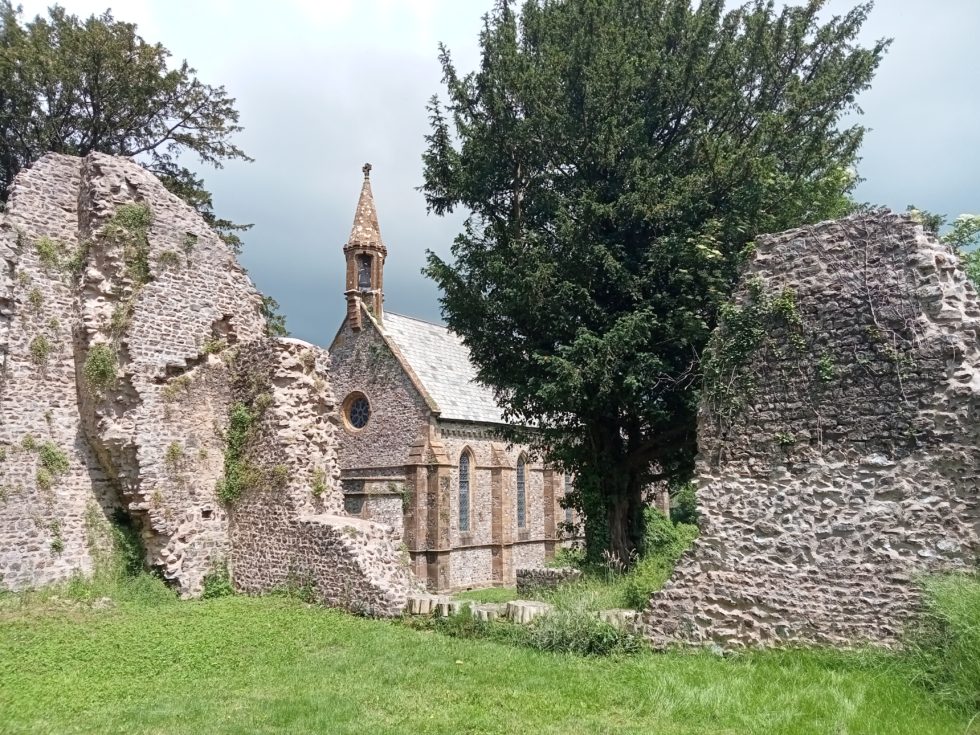
Understanding Dunkeswell Abbey Church
The South West Heritage Trust is delighted to be working with the heritage consultancy Heritage Arts People on a project with Dunkeswell Abbey Church Trust, called Understanding Dunkeswell Abbey Church. The project, funded by the Pilgrim Trust, is exploring the history, current state and heritage significance of the 19th century church at Dunkeswell Abbey in Devon. Read more