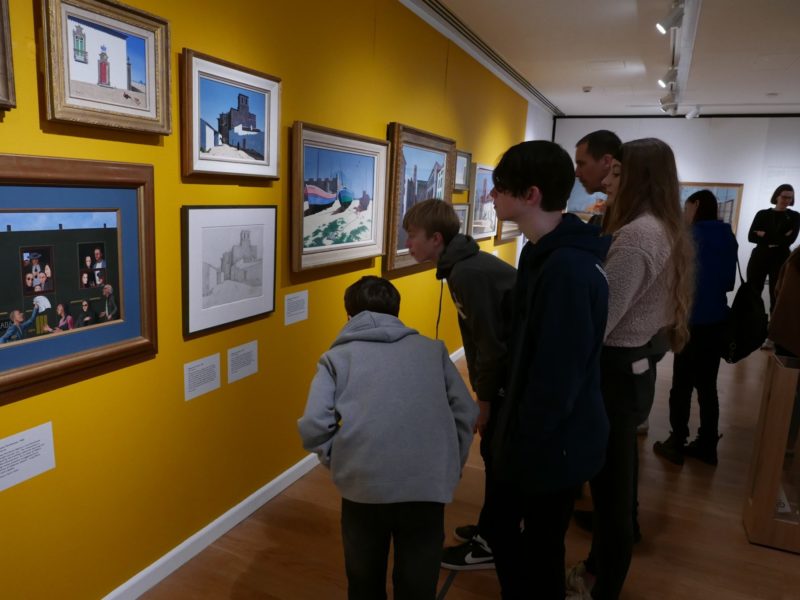
The Museum of Somerset re-opened in September 2011 following a £6.9 million refurbishment. This year it will celebrate its 10th anniversary.
These ten highlights celebrate some of the best bits from the last ten years.
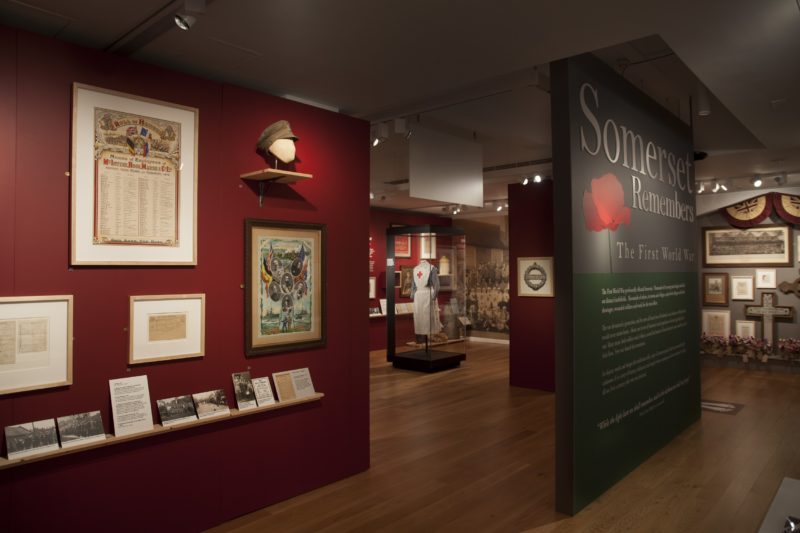
1. Somerset Remembers
Somerset Remembers was a focal point for centenary commemorations of the First World War in Somerset. It provided thousands of people with an opportunity to learn about the war and how it changed Somerset forever. A flagship exhibition ran from July 2014 to January 2015, exploring life on the home front and the story of Somerset’s county regiments. The wider project was supported by 45 research volunteers and included a touring exhibition, talks, family events, school sessions, a blog and a community archive that connected the present generation to untold stories of bravery, common purpose and loss.
2. War Stories
In 2015 the South West Heritage Trust collected the memories of Somerset people who had experienced the Second World War. As part of the ‘War Stories’ project, a specially created film won the Audience Award at the Imperial War Museum Film Festival, 2016. The film included interviews with Paul Heim, an Austrian refugee and Colin Criddle a soldier who served with the Somerset Light Infantry during the campaign in France and North West Europe.
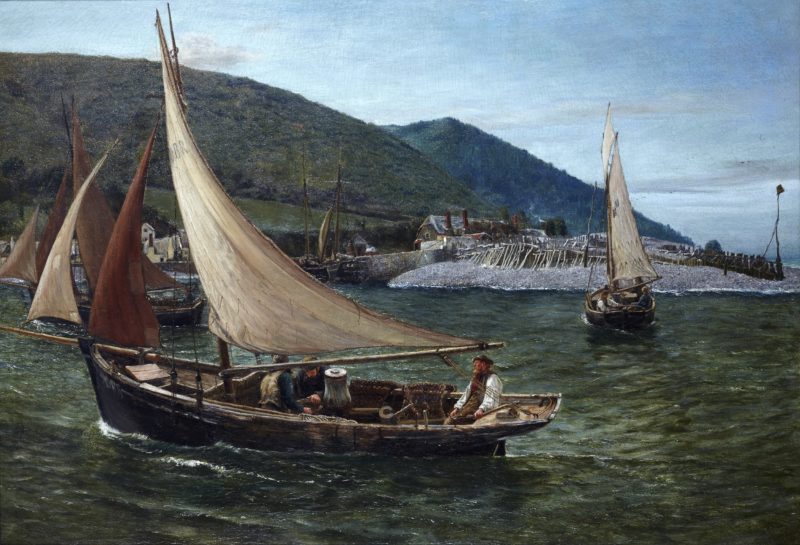
3. Oyster Dredgers at Porlock Weir
In July 2015 the museum acquired a large oil painting, Oyster Dredgers at Porlock Weir, by the Cornwall-based artist Charles Napier Hemy. Oyster dredging was still an important industry at Porlock Weir, on the West Somerset coast, when this handsome picture was created in 1890. By that time Hemy’s pictures of marine subjects were increasingly prized, three of his works eventually being added to the collections of the Tate Gallery. The Museum of Somerset acquired Oyster Dredgers just as long-vanished oyster beds in Porlock Bay were being revived as part of a community project.
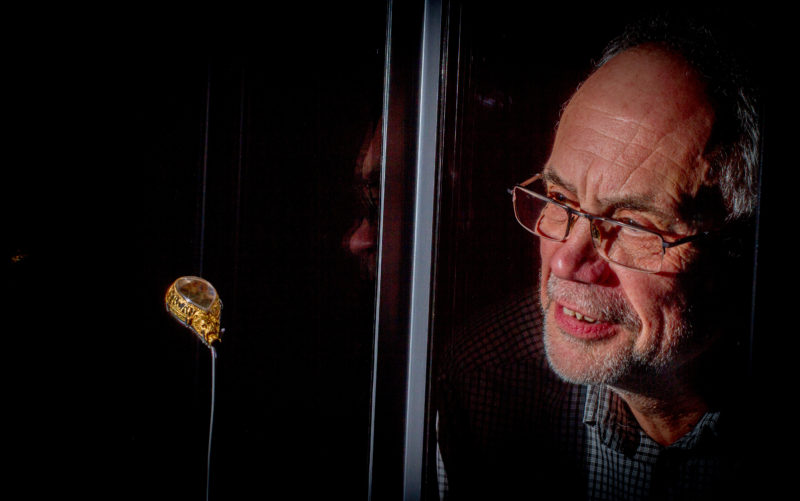
4. The Alfred Jewel
The Alfred Jewel was found near North Petherton in 1693 and is probably the most famous archaeological object to survive from Anglo-Saxon England. In February 2015 the jewel came back to Somerset for the first time in 297 years, on loan from Oxford’s Ashmolean Museum. It aroused enormous interest and in the space of a month 24,500 visitors came to see it. The jewel’s inscription – ‘Alfred ordered me to be made’ – connects it with King Alfred the Great (reigned 871–899), making it among the most memorable of royal relics.
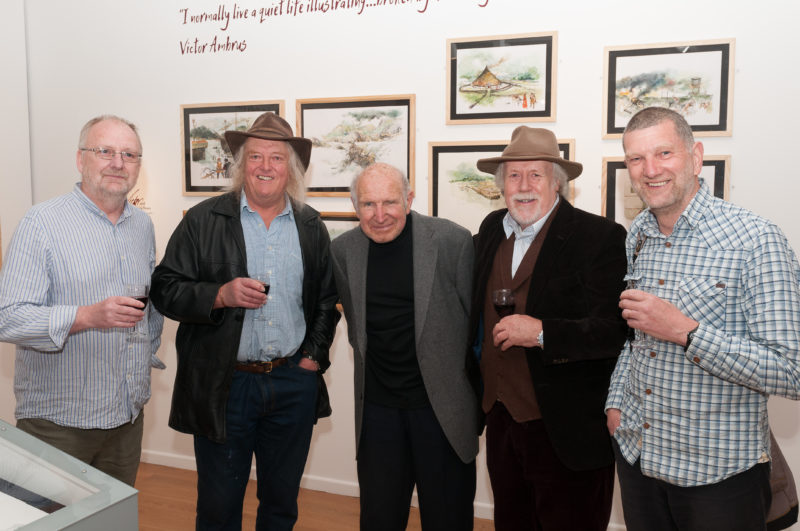
5. Victor Ambrus Exhibition
The artist and illustrator Victor Ambrus, who died in February, was a friend of the Museum of Somerset over many years. In 2016 his achievements were celebrated with an exhibition that featured 90 original works created over a period of nearly 60 years. Victor was one of Britain’s foremost illustrators of history, folk tales and children’s books and well known for his archaeological reconstruction drawings created for Channel 4’s Time Team. He also worked with the South West Heritage Trust to create his final book, Drawing Somerset’s Past: An Illustrated Journey through History.
6. The Frome Hoard
In 2017 the Frome Hoard was voted the nation’s top treasure find of the last 20 years. It is the largest hoard of coins ever found in a single container in Britain and was discovered in April 2010 by metal detectorist Dave Crisp. Excavation showed that the 52,503 coins were contained in a large pottery vessel which had been carefully buried in a pit. The coins range in date from about 253 to 290 AD, the period when the hoard is likely to have been buried, probably as a votive offering.
7. A Life in Colour: The Art of Doris Hatt
An uplifting exhibition of works by the 20th-century artist Doris Hatt (1890–1969) captured the imagination of visitors when it opened in March 2019. Doris Hatt was a Somerset pioneer of British modernism who exhibited her vibrant landscapes, portraits and still lifes over almost five decades. The exhibition shone a light on a woman who was ahead of her time – a feminist and socialist whose remarkable life and artistic achievements were previously little known.
8. Tristram Hillier: Landscapes of the Mind
Tristram Hillier RA (1905–1983) was one of the most accomplished and distinctive 20th-century British artists. Painting for many years from a base in Somerset, he created pictures in a uniquely intense and memorable style. In November 2019, the Trust launched the first retrospective of Hillier’s work in more than 30 years. It was one of the most ambitious exhibitions the museum had ever staged and involved sixty paintings from public and private collections. The exhibition was a powerful expression of the Trust’s ambition to ‘bring great art to Somerset.
The museum welcomes thousands of young people every year to school sessions and family events. In March 2020 the museum opened an exhibition of works by students from West Somerset College. They took inspiration from two exhibitions, Landscapes of the Mind: The Art of Tristram Hillier and Form and Fascination: Artworks by Jenny Barron. The surreal exploration of form is central to the work of both artists and provided powerful examples for the student’s own creativity. For many it was their first visit to an art exhibition.
10. The World of Martin Brown: Horrible Histories and Other Dazzling Drawings
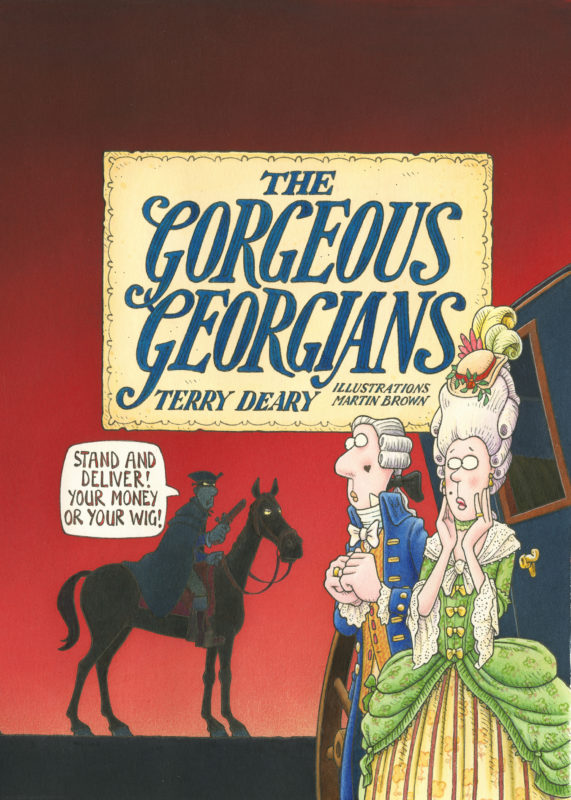
‘Martin Brown: Horrible Histories and other Dazzling Drawings’, was launched at the museum this summer, having been designed and installed by the Trust’s in-house team. The exhibition, created in collaboration with Events of Wonder, the founders of the Bath Festival of Children’s Literature, features original covers for some of the Horrible Histories and examples of Martin’s work from his beginnings as a humorous graphic artist and fan of cartoons. The Horrible Histories books were launched in 1993 and are now world bestsellers. They have inspired TV series, stage shows, exhibitions and even a feature film. The series was re-launched in 2021 with new titles including a history of flight called ‘Up in the Air’.
We use cookies on this website to help provide the best experience for you. Find out more.
Functional
Always active
The technical storage or access is strictly necessary for the legitimate purpose of enabling the use of a specific service explicitly requested by the subscriber or user, or for the sole purpose of carrying out the transmission of a communication over an electronic communications network.
Preferences
The technical storage or access is necessary for the legitimate purpose of storing preferences that are not requested by the subscriber or user.
Statistics
The technical storage or access that is used exclusively for statistical purposes.The technical storage or access that is used exclusively for anonymous statistical purposes. Without a subpoena, voluntary compliance on the part of your Internet Service Provider, or additional records from a third party, information stored or retrieved for this purpose alone cannot usually be used to identify you.
Marketing
The technical storage or access is required to create user profiles to send advertising, or to track the user on a website or across several websites for similar marketing purposes.